1993 Amels Karima: What Owners and Buyers Should Know Before Making a Move
If you’re looking into the 1993 Amels Karima, chances are you’re not just browsing listings—you’re trying to understand whether this yacht is the right fi...
Discover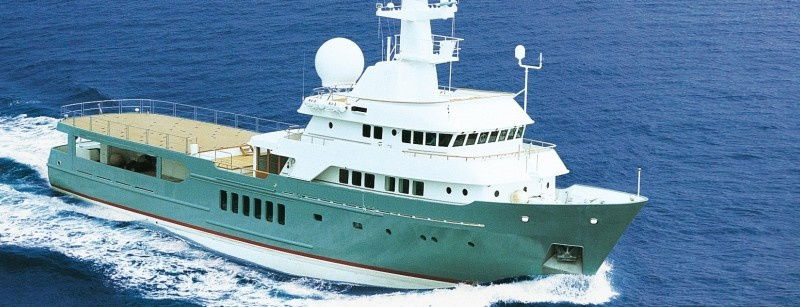
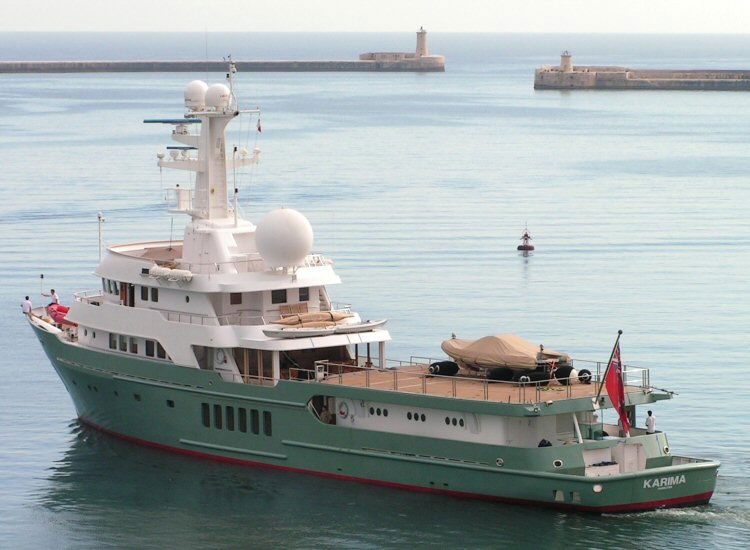
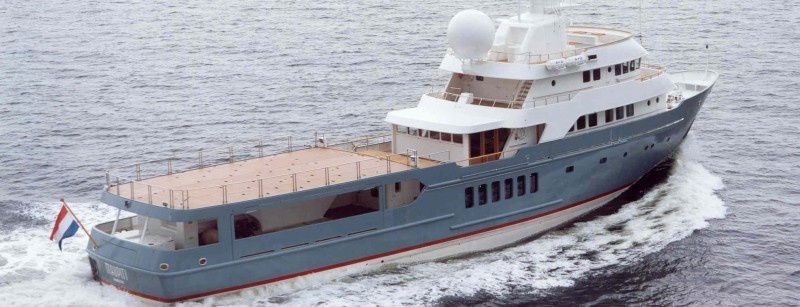

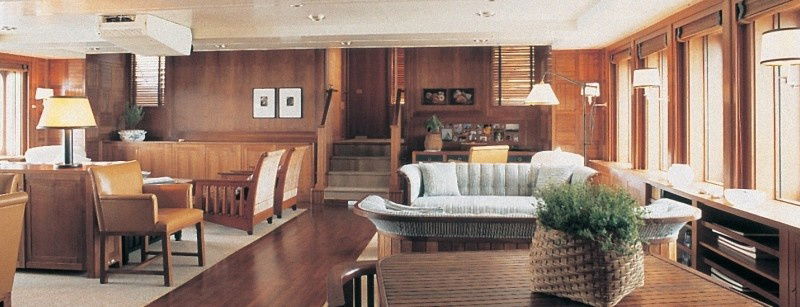
Images have been gathered from various sources and belong to their respective owners.
Review - Amels Karima

MarineBroker
03/10/2024, 4:26 PM
1993 Amels Karima: What Owners and Buyers Should Know Before Making a Move
If you’re looking into the 1993 Amels Karima, chances are you’re not just browsing listings—you’re trying to understand whether this yacht is the right fit for your plans, budget, and expectations. That’s a smart approach. Older superyachts can be incredibly rewarding, but they also come with a few hidden challenges that aren’t always obvious from photos or a glossy spec sheet.
The main problem most people face with a yacht like the 1993 Amels Karima is figuring out how to separate real value from age-related risk. A vessel from this era may offer strong Dutch build quality, classic styling, and a proven cruising platform, but it can also require careful evaluation of systems, maintenance history, refit quality, and ongoing operating costs. In other words, the boat may be excellent—but only if you know what to look for.
The good news? With the right checklist and a practical buying or ownership strategy, you can make a much more informed decision. Whether you’re considering purchase, charter use, or simply researching the yacht, this guide will help you understand the key points, avoid common mistakes, and move forward with confidence.
- What Makes the 1993 Amels Karima Worth a Closer Look?
Amels has long been known for building sturdy, elegant yachts with strong engineering and a reputation for quality. A 1993 model like Karima sits in that classic era where craftsmanship mattered a lot, and many boats from this period were built with serious attention to structure and seaworthiness.
For many enthusiasts, that’s the appeal. You get a yacht with character, substantial build quality, and often a more timeless design than newer mass-produced vessels. If maintained properly, a yacht like the 1993 Amels Karima can still offer excellent comfort and reliable cruising.
That said, age changes the conversation. A yacht built in 1993 may have had several upgrades over the years, or it may still be carrying original systems that are now well beyond their intended service life. The difference between those two scenarios can be massive.
- The Real Problem: Age, Hidden Costs, and Unclear Maintenance History
The biggest issue with an older yacht is not always the age itself. It’s the uncertainty that comes with it.
A 1993 yacht may look polished on the surface, but underneath, you could be dealing with:
- outdated electrical systems
- aging plumbing and freshwater components
- original navigation equipment
- tired generators or propulsion systems
- worn insulation, soft goods, or interior joinery
- corrosion in hard-to-see areas
- incomplete records of previous repairs
This is where many buyers and even experienced owners get caught off guard. A vessel can appear “turnkey” during a quick walkthrough, but a proper inspection may reveal a long list of deferred maintenance items.
The practical problem is simple: older yachts can be fantastic, but only if you know what you’re buying into. Without a clear understanding of the boat’s true condition, you risk unexpected refit costs, downtime, and frustration.
- How to Evaluate a 1993 Amels Karima the Smart Way
If you’re considering the 1993 Amels Karima, the goal is not to assume the worst. It’s to inspect the yacht in a way that gives you a realistic picture.
Start with the fundamentals:
- hull and structural condition
- engine and machinery hours
- service records
- recent survey reports
- refit history
- ownership consistency
- classification and compliance status
A well-maintained older yacht often tells its story through documentation. If the logs are detailed, the service intervals are consistent, and major systems have been upgraded over time, that’s a strong sign.
If records are missing or vague, proceed carefully. Lack of paperwork doesn’t automatically mean trouble, but it does mean you should budget for more inspection and possibly more corrective work.
- Why a Survey Matters More on an Older Yacht
For a yacht like the 1993 Amels Karima, a professional marine survey is not optional in any practical sense. It’s one of the most important tools you have.
A good survey can uncover issues that are easy to miss, including:
- moisture intrusion
- osmosis or blistering in fiberglass structures, if applicable
- wear in steering and running gear
- hidden corrosion
- outdated fire suppression systems
- generator condition
- AC and refrigeration reliability
- stability or weight distribution concerns from previous refits
You’ll usually want both a pre-purchase survey and an engine survey. If the yacht is going into active use, a sea trial is just as important. That’s where you can see how the boat performs under load, how systems behave underway, and whether the vessel feels mechanically sound.
Don’t rush this step. A detailed survey may feel like an extra expense, but it often saves far more than it costs.
- 1993 Amels Karima and the Importance of Refit Quality
One of the most useful things to understand about older yachts is that refit quality matters as much as original build quality.
A yacht from 1993 may have benefited from one or more substantial refits. These can dramatically improve comfort, reliability, and usability. But not all refits are equal.
A cosmetic refresh might make the yacht look modern, while the core systems remain dated. That can create a false sense of security.
A strong refit usually addresses:
- engine and generator servicing or replacement
- updated navigation and communication electronics
- electrical rewiring where necessary
- HVAC upgrades
- plumbing and tank system improvements
- interior modernization without compromising structure
- safety equipment replacement
- paint and exterior finish restoration
When reviewing a yacht like Karima, ask what was done, when it was done, and who performed the work. Quality shipyards and reputable technicians leave a trail. The more complete the refit history, the easier it is to judge long-term value.
- Operating Costs: The Part People Often Underestimate
Even if the purchase price seems attractive, older yachts can become expensive if you don’t plan for ongoing ownership costs.
Typical expenses may include:
- routine maintenance
- berth and dockage fees
- fuel
- crew
- insurance
- annual haul-outs
- class or compliance work
- repair contingencies
- upgrades for aging systems
For a yacht in the 1993 Amels Karima category, the real question is not just “Can I afford to buy it?” It’s “Can I comfortably operate it without cutting corners?”
A good rule of thumb is to create a reserve fund for unexpected repairs. Older yachts almost always need something, even when they’ve been well cared for. Having a financial buffer makes ownership much less stressful.
- Common Issues to Watch for on a 1993 Superyacht
While every vessel is different, yachts from the early 1990s often share similar age-related concerns.
Here are some of the most common areas to inspect:
- Engine room condition: Check for leaks, corrosion, vibration, and service access.
- Electrical systems: Look for outdated panels, improvised repairs, or nonstandard wiring.
- Plumbing: Inspect hoses, pumps, water heaters, and tank condition.
- HVAC: Air conditioning and ventilation systems often need attention on older yachts.
- Exterior hardware: Winches, cleats, railings, and fittings may show metal fatigue or corrosion.
- Interior systems: Lighting, upholstery, appliances, and joinery may need updates.
- Safety gear: Liferafts, extinguishers, alarms, and emergency systems should be current.
If you’re evaluating the 1993 Amels Karima specifically, these are the kinds of details that can tell you whether the yacht is truly ready for use or whether it needs a serious technical refresh.
- How to Decide if the 1993 Amels Karima Is the Right Fit
The right yacht is not always the newest one. Sometimes an older yacht offers a better balance of build quality, space, and value. But the key is matching the vessel to your actual needs.
Ask yourself:
- Will I use this yacht for private cruising, charter, or occasional trips?
- Do I want a project, or do I want something mostly turnkey?
- Am I prepared for refit work if needed?
- Do I have access to a reliable captain, engineer, or management team?
- Is the layout suitable for my family or guests?
If you want a classic-feeling yacht with strong pedigree and are willing to invest in upkeep, a vessel like the 1993 Amels Karima can make a lot of sense.
If you want low-maintenance ownership with minimal surprises, then you need to be especially selective and possibly prioritize yachts with recent refits and excellent records.
- Practical Buying Tips for the 1993 Amels Karima
Here’s a simple, realistic checklist to use before moving forward:
1. Review all available documentation
- Ask for maintenance logs, invoices, survey reports, and refit records.
2. Hire the right surveyors
- Use professionals who understand older superyachts, not just standard recreational boats.
3. Inspect the engine room carefully
- This is often where the truth about a yacht’s condition becomes obvious.
4. Sea trial the vessel
- Observe performance, vibration, noise, and system behavior underway.
5. Estimate refit and operating costs early
- Don’t wait until after purchase to discover what needs attention.
6. Verify compliance and safety status
- Make sure the yacht meets the standards relevant to your intended use.
7. Think about support
- A yacht is only as manageable as the team behind it.
This approach helps you avoid emotional decisions. Older yachts can be easy to fall in love with, so it’s important to stay grounded in facts.
- Why Older Amels Yachts Still Appeal to Serious Buyers
There’s a reason people keep looking at yachts like the 1993 Amels Karima. They often represent a sweet spot between classic yacht design and solid Dutch construction.
Many buyers appreciate:
- timeless lines
- robust engineering
- generous interior volume
- proven seakeeping
- the potential for a well-executed refit
- better value compared with some newer yachts
In the right condition, an older Amels can offer a more substantial feel than many newer boats in the same size range. That’s especially appealing to buyers who care about craftsmanship and long-range cruising capability.
But again, the condition is everything. The same model can be either a smart buy or a money pit depending on maintenance and upgrades.
- The Best Solution: Combine Inspection, Budgeting, and Realistic Expectations
If you take one thing away from this article, let it be this: the best way to approach the 1993 Amels Karima is with a three-part strategy.
First, inspect thoroughly.
Second, budget honestly.
Third, set realistic expectations.
That means accepting that a 1993 yacht will likely need ongoing attention, even if it has been nicely maintained. It also means recognizing that a strong older yacht can still deliver a great ownership experience when managed properly.
For many people, that’s the real solution. Not avoiding older yachts altogether, but learning how to evaluate them properly so you can enjoy the benefits without being blindsided by the costs.
- 1993 Amels Karima: Final Thoughts for Buyers and Enthusiasts
The 1993 Amels Karima represents the kind of yacht that can be very appealing to the right buyer: classic, substantial, and built by a respected name. But like any older superyacht, it demands careful review. The real challenge is not finding a beautiful yacht—it’s finding one with a solid technical history and a maintenance profile that matches your plans.
If you approach it with the right survey, a clear budget, and a practical mindset, you’ll be in a much better position to make a confident decision. For anyone seriously interested in the 1993 Amels Karima, taking the time to evaluate condition, refit quality, and operating costs is the smartest move you can make. If you want to go deeper, keep researching comparable yachts and learn as much as possible before committing.
Specifications
General
Boat Type: Power Boats
Class Type: Mega Yacht
Specifications
Length: 160.76
Beam: 29.53
Draft: 11.48
Hull Material: Steel
Build
First Built: 1993
Propulsion
Fuel Type: Diesel
Engines: 3
Power: 677 HP
Brand: Caterpillar
Accomodation
Cabins: 6
PROS & CONS
What we appreciated
 Classic and timeless design with elegant linesSpacious and comfortable interior suitable for long voyagesRobust construction with high-quality materialsGood sailing performance for a yacht of its size and ageStrong resale value due to its reputation and craftsmanship
What we didn’t appreciate
 Older model may require significant maintenance and upgradesLimited modern technology and navigation systems compared to newer yachtsPotentially higher operating costs due to ageInterior design and amenities might feel outdatedAvailability of parts and servicing could be challenging
Upkeep Costs
Annual maintenance and repairs: $10,000 - $20,000
Docking and marina fees: $5,000 - $15,000 per year
Insurance: $3,000 - $7,000 per year
Fuel costs: $8,000 - $15,000 per year (depending on usage)
Crew salaries (if applicable): $50,000 - $150,000 per year

Rating
6.9
User
Score
Score
Driveability
Technology
Interior
Design
Similar Boats


MarineBroker
Download now for an immersive boat experience like never before! ⛵✨ Your journey begins with a simple click. 🌊📲
#SetSailSmart #DownloadNow
#SetSailSmart #DownloadNow

Subscribe
Copyright 2017 - 2026, Marinebroker.net, All Rights Reserved