Boat Database » Alucraft Pilar Rossi
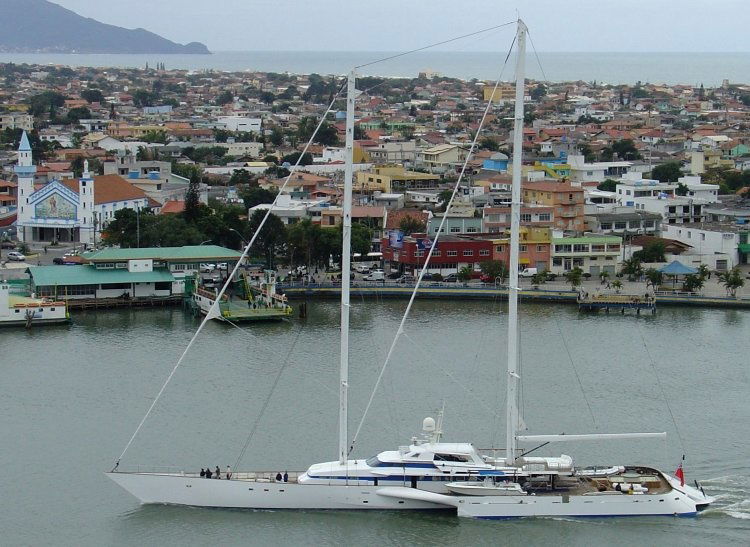
Alucraft Pilar Rossi
Inboard Direct-Drive, Diesel, 2x 700 HP
Power Boats 1989 Alucraft Pilar Rossi: What Owners and Buyers Should Know Before You Buy, Restore, or Maintain One
If you’ve been searching for information on the 1989 Alucraft Pilar Rossi, you’re probably trying to solve one of a few common...
Discover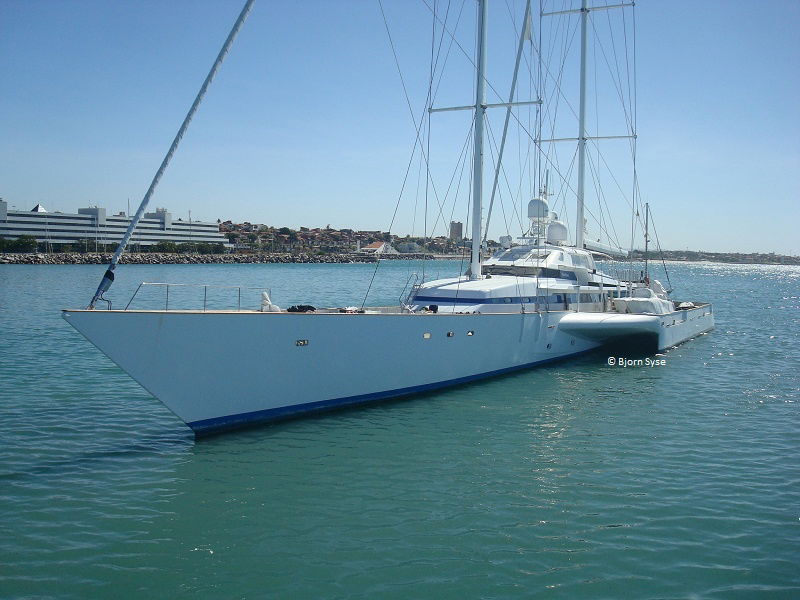

Images have been gathered from various sources and belong to their respective owners.
Review - Alucraft Pilar Rossi

MarineBroker
02/21/2024, 6:29 AM
1989 Alucraft Pilar Rossi: What Owners and Buyers Should Know Before You Buy, Restore, or Maintain One
If you’ve been searching for information on the 1989 Alucraft Pilar Rossi, you’re probably trying to solve one of a few common problems: figuring out what this boat is really like, deciding whether it’s worth buying, or understanding how to keep an older aluminum hull in good shape. That’s a smart place to start. With boats from the late 1980s, the details matter more than the badge on the side. Condition, maintenance history, hull integrity, and how the boat was used over the years can make a huge difference in value and long-term enjoyment.
The good news is that a boat like the 1989 Alucraft Pilar Rossi can still be a solid, practical choice if you know what to look for. Older aluminum boats often have a lot going for them: they’re lightweight, durable, and usually easier to maintain than many fiberglass alternatives. But age also brings questions about corrosion, wiring, transom condition, and whether previous repairs were done properly. In this article, we’ll break down the key things to check, the most common issues owners face, and the practical steps you can take to make a confident decision.
- What Is the 1989 Alucraft Pilar Rossi?
- Why Older Aluminum Boats Still Matter
- Common Problems to Watch For
- How to Inspect a 1989 Alucraft Pilar Rossi
- Maintenance Tips That Actually Help
- When Restoration Makes Sense
- Final Thoughts for Buyers and Owners
- What Is the 1989 Alucraft Pilar Rossi?
The 1989 Alucraft Pilar Rossi is best understood as an older aluminum boat that appeals to people who value simplicity, durability, and practical performance. While specific configurations may vary depending on the original build, boats from this era were often designed with straightforward layouts and a focus on function rather than luxury.
For many buyers, that’s part of the appeal. Older Alucraft boats can be easier to work on, lighter to tow, and more forgiving in shallow water than heavier hull designs. If you’re looking at one today, you’re likely dealing with a boat that has already lived through decades of use, which means the real story is in its condition, not just its year.
That’s why the 1989 Alucraft Pilar Rossi is less about “new boat features” and more about understanding what an older aluminum hull can still offer. If it’s been cared for, it may still be a dependable fishing, utility, or family boat. If it hasn’t, the repair list can get expensive fast.
- Why Older Aluminum Boats Still Matter
A lot of people assume older boats are automatically a bad buy. That’s not always true. In fact, aluminum boats from the late 1980s can be excellent value if they’ve been maintained properly.
Here’s why they still attract attention:
- Aluminum is generally lighter than fiberglass, which can mean easier trailering and better fuel efficiency.
- Many older aluminum hulls are rugged and can handle years of use.
- Simpler construction often means fewer complex systems to fail.
- They can be a practical option for freshwater use, fishing, and casual boating.
That said, the age of the boat changes the buying equation. You’re not just evaluating the model—you’re evaluating decades of exposure to sun, water, storage conditions, and repairs. A well-kept 1989 boat can outperform a neglected newer one. That’s the key mindset to keep in mind.
- The Main Problem: Knowing Whether It’s Worth It
The biggest challenge people face with a 1989 Alucraft Pilar Rossi is uncertainty.
You may be asking:
- Is this boat structurally sound?
- Has it been repaired correctly?
- Will I spend more fixing it than it’s worth?
- Can I still find parts?
- Is this a good first boat or a money pit?
Those are all valid questions. The problem with older boats is that wear isn’t always obvious. A boat can look decent at a glance but still have hidden issues underneath. Soft spots, corrosion, bad wiring, and previous patch jobs can turn a “good deal” into a long project.
The solution is not to avoid older boats altogether. It’s to inspect them carefully, prioritize the right systems, and decide based on actual condition rather than age alone.
- What to Check on a 1989 Alucraft Pilar Rossi Before Buying
If you’re considering buying one, do a thorough inspection. Don’t rush it, and don’t rely only on photos.
Start with these key areas:
- Hull condition
Look for dents, cracks, weld issues, and signs of major impact. Aluminum boats can take abuse, but deep damage or poor repairs are red flags.
- Corrosion
Check around fasteners, seams, rivets, and areas where dissimilar metals may have been used. White powdery buildup or pitting can indicate corrosion problems.
- Rivets and seams
Loose rivets or leaking seams can be a headache. A few minor leaks may be manageable, but widespread issues can mean significant repair work.
- Transom
The transom is one of the most important structural areas. If it flexes, feels soft, or shows signs of rot or separation, that’s a major concern.
- Deck and floor
Walk the boat carefully. Soft spots, flexing, or water damage can signal hidden deterioration.
- Wiring and electrical systems
Older boats often have outdated wiring. Look for brittle insulation, amateur splices, corrosion at terminals, and non-functioning lights or gauges.
- Engine and controls
If the boat includes an outboard or other engine package, inspect compression, starting behavior, fuel lines, steering, and throttle response.
- Trailer
The trailer matters just as much as the boat. Check tires, bearings, lights, bunks, frame rust, and winch condition.
A boat can look great in a driveway and still need thousands in hidden repairs. A careful inspection is the best way to avoid that surprise.
- Common Issues with a 1989 Alucraft Pilar Rossi
Older aluminum boats are often durable, but they do have predictable trouble spots. Knowing them ahead of time helps you make a smarter decision.
- Corrosion at contact points
When aluminum touches stainless steel or other metals without proper isolation, corrosion can develop. This often shows up around fittings and hardware.
- Leaks around rivets or seams
Over time, vibration and age can loosen seals. Small leaks may be fixable, but multiple leak points can become frustrating.
- Old wiring
Electrical systems from this era may not meet modern standards. Corroded connectors and outdated fuse setups are common.
- Floor and deck wear
If the boat has had water intrusion, floors may weaken even when the outside looks fine.
- Engine age mismatch
Sometimes the hull is in decent shape, but the motor is far newer or far older than the boat. That can complicate value and reliability.
- Improper repairs
Patch jobs done with the wrong sealant, incorrect rivets, or poorly matched materials can create long-term problems.
The important thing is not to panic when you see one issue. Nearly every older boat has something. The real question is whether the problems are manageable and priced accordingly.
- How to Evaluate Value Without Overpaying
Pricing older boats is tricky because condition matters more than model year. A well-maintained 1989 Alucraft Pilar Rossi may be worth much more to the right buyer than a neglected example.
Use these factors to judge value:
- Structural condition
- Engine health
- Trailer quality
- Evidence of maintenance
- Storage history
- Clean title and registration
- Quality of any repairs
A boat with a clean hull, solid transom, functional systems, and a dependable motor can be a strong value. A boat with hidden damage or major corrosion should be priced as a project, not a ready-to-use vessel.
A simple rule helps here: if the seller can’t explain the boat’s maintenance history, assume you’ll need to do more work than expected.
- Maintenance Tips for an Older Aluminum Boat
If you already own a 1989 Alucraft Pilar Rossi, good maintenance can extend its life a lot. The goal is to prevent small issues from becoming expensive ones.
- Rinse after use
If you boat in saltwater or brackish water, rinse thoroughly after every trip. Even freshwater boats benefit from regular cleaning.
- Inspect fasteners and seams regularly
Look for loose hardware, corrosion, and any sign of water intrusion.
- Keep the boat dry
Store it under cover when possible. Dry storage reduces corrosion, mildew, and electrical issues.
- Check electrical connections
Use marine-grade connectors and keep terminals clean and protected.
- Watch for galvanic corrosion
Avoid mixing metals without proper isolation. This is especially important around fittings and accessories.
- Re-seal as needed
If you notice minor leaks, address them early with the right marine-grade sealant.
- Service the trailer
A bad trailer can damage a good boat. Grease bearings, inspect tires, and check bunks regularly.
- Don’t ignore the transom
Any sign of weakness should be investigated quickly.
These basics may sound simple, but they make a huge difference. Most older boat failures start as small maintenance issues that were ignored for too long.
- A Practical Inspection Checklist for Buyers
If you’re looking at a 1989 Alucraft Pilar Rossi, use a checklist so you don’t miss anything.
Before you buy, confirm:
1. Hull is straight with no major dents or repairs.
2. Rivets and seams are tight.
3. No major corrosion is visible.
4. Floor feels solid underfoot.
5. Transom is firm and dry.
6. Wiring is tidy and functional.
7. Engine starts and runs properly.
8. Steering and throttle respond smoothly.
9. Trailer is roadworthy.
10. Paperwork is clean and complete.
If you can’t inspect the boat in person, ask for detailed photos and videos of these areas. A seller who refuses a proper inspection is usually giving you a clue.
- When Restoration Makes Sense
Not every older boat is worth restoring. But in some cases, the 1989 Alucraft Pilar Rossi could be a good candidate if the hull is sound and the problems are mostly cosmetic or mechanical.
Restoration may make sense if:
- The hull is structurally solid
- The transom is strong
- The trailer is repairable
- The engine can be serviced or replaced affordably
- You plan to keep the boat long-term
Restoration may not make sense if:
- There is severe corrosion throughout the hull
- The transom is failing
- The flooring is badly compromised
- The wiring is unsafe
- The repair cost exceeds the value of the finished boat
A good restoration project starts with a strong foundation. If the bones are good, you can improve almost everything else. If the structure is weak, you may be better off walking away.
- How to Tell If the Boat Fits Your Needs
The right boat depends on how you plan to use it. The 1989 Alucraft Pilar Rossi may be a good fit if you want something practical, lightweight, and easier to maintain than many larger fiberglass boats.
It may suit you if you:
- Prefer simple, functional boating
- Want a project boat with potential
- Need a lightweight trailerable vessel
- Use the boat in freshwater
- Value durability over luxury features
It may not be ideal if you want:
- A modern layout with lots of amenities
- A turn-key boat with zero maintenance
- High-end comfort features
- A hull that requires no inspection or repairs
Knowing your priorities saves time and money. A boat that’s perfect for one buyer can be the wrong choice for another.
- Final Thoughts on the 1989 Alucraft Pilar Rossi
The 1989 Alucraft Pilar Rossi can be a smart buy, a worthwhile restoration project, or a dependable working boat—if you approach it with the right expectations. With older aluminum boats, the year matters less than the condition, maintenance, and quality of any repairs already done.
The best strategy is simple: inspect carefully, focus on structural integrity, and budget realistically. If the hull, transom, wiring, and trailer are in good shape, you may have found a boat with plenty of life left in it. If not, walk away before the hidden costs pile up.
A little patience goes a long way with older boats. Do the homework now, and you’ll be in a much better position to enjoy the water later.
Specifications
General
Boat Type: Power Boats
Class Type: Mega Yacht
Specifications
Length: 211.29
Beam: 46.26
Draft: 7.22
Hull Material: Steel
Build
First Built: 1989
Propulsion
Fuel Type: Diesel
Engines: 2
Power: 700 HP
Brand: MAN
Accomodation
Cabins: 9
PROS & CONS
What we appreciated
 Durable aluminum hull providing excellent corrosion resistanceLightweight design allows for easy handling and better fuel efficiencyClassic design favored by enthusiasts for its aesthetic appealStable and suitable for various water conditionsAmple deck space for fishing and recreational activities
What we didn’t appreciate
 Older model may require more maintenance and parts could be harder to findLimited modern amenities and comfort features compared to newer boatsPotential for outdated electrical and mechanical systemsLess insulation and noise reduction compared to fiberglass boatsResale value may be lower due to age and market demand
Upkeep Costs
Annual insurance: $800 - $1,200
Fuel costs: $1,200 - $2,500 per season
Maintenance and repairs: $1,000 - $2,000 per year
Storage fees (winter storage): $500 - $1,000 annually
Registration and licensing: $100 - $200 per year

Rating
4.9
User
Score
Score
Driveability
Technology
Interior
Design
Similar Boats


MarineBroker
Download now for an immersive boat experience like never before! ⛵✨ Your journey begins with a simple click. 🌊📲
#SetSailSmart #DownloadNow
#SetSailSmart #DownloadNow

Subscribe
Copyright 2017 - 2026, Marinebroker.net, All Rights Reserved