Boat Type: Power Boats
Boat Class: Mega Yacht
Length: 154.2 ft
Berths: 6
Cabins: 5
Bathrooms: 5
Max Persons: 10
2020 Sanlorenzo Lars: What Buyers and Owners Should Know Before Making a Move
If you’ve been searching for a 2020 Sanlorenzo Lars, you’re probably already past the “dreaming” stage and into the practical part: figuring out whethe...
Discover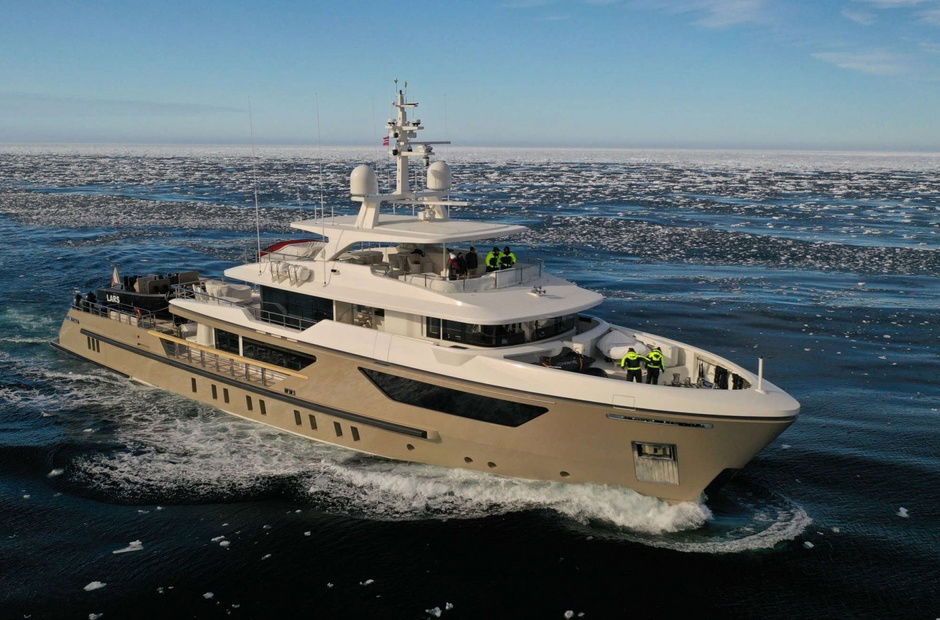
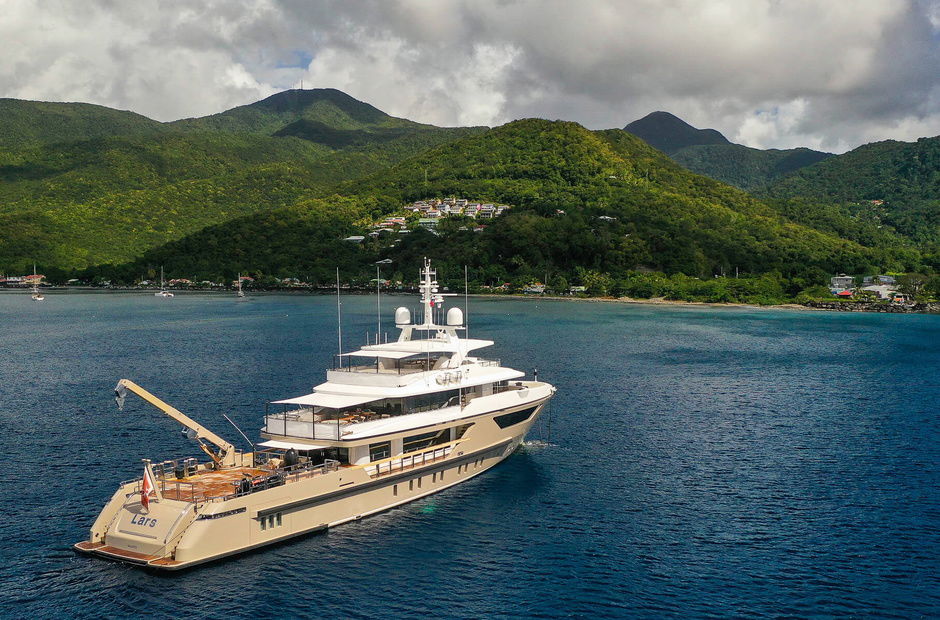
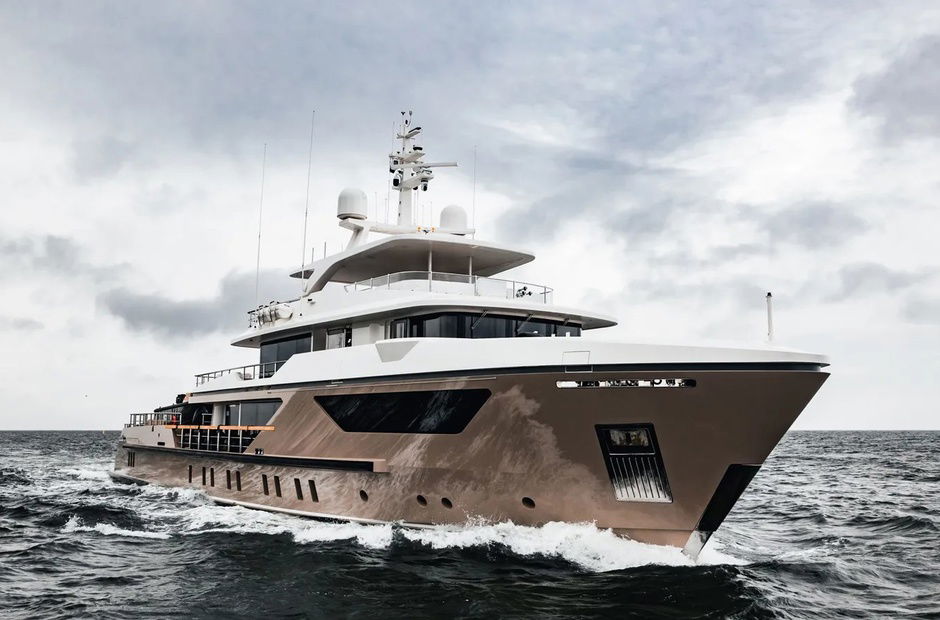
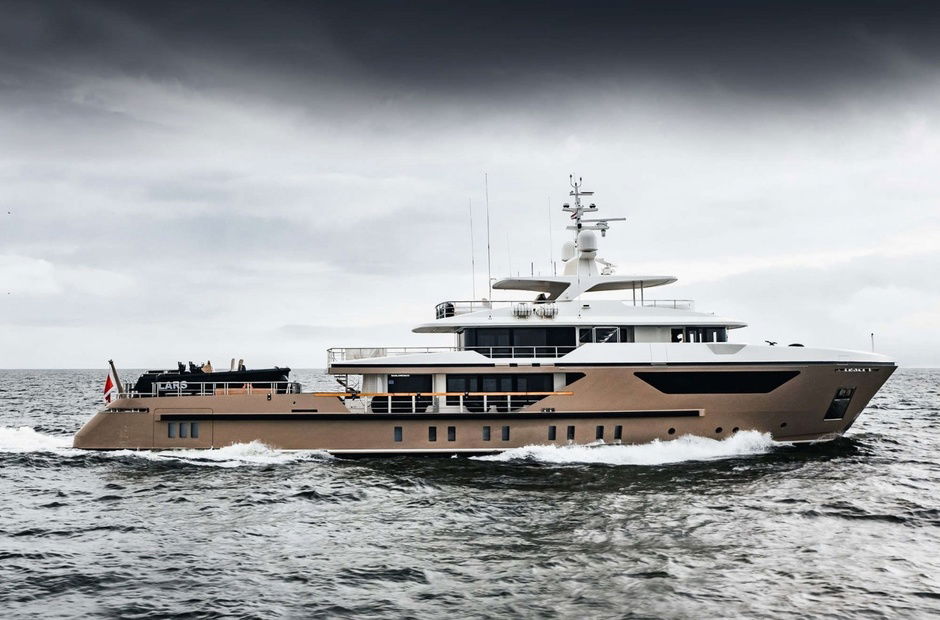
Images have been gathered from various sources and belong to their respective owners.
Review - Sanlorenzo Lars

MarineBroker
12/30/2023, 4:59 AM
2020 Sanlorenzo Lars: What Buyers and Owners Should Know Before Making a Move
If you’ve been searching for a 2020 Sanlorenzo Lars, you’re probably already past the “dreaming” stage and into the practical part: figuring out whether this yacht is the right fit, what to look for, and how to avoid expensive surprises. That’s usually where the real challenge begins.
A yacht like the 2020 Sanlorenzo Lars can be appealing for a lot of reasons. It represents modern Italian design, strong build quality, and the kind of onboard comfort people expect from a premium Sanlorenzo yacht. But when buyers or charter-minded owners start comparing options, they often run into the same problem: it’s hard to separate the glossy listing photos from the real-world ownership experience.
That’s where a little structure helps. Instead of focusing only on the nameplate, it’s smarter to look at the yacht through a few practical lenses: layout, condition, maintenance history, cruising style, and long-term usability. In this article, we’ll break down the key things to know about the 2020 Sanlorenzo Lars, the common issues people overlook, and how to make a confident decision with less guesswork.
- Why the 2020 Sanlorenzo Lars attracts attention
The Sanlorenzo brand has a strong reputation in the superyacht world, and for good reason. Their yachts tend to blend elegant styling with thoughtful layouts, which matters a lot when you’re spending real time onboard.
The 2020 Sanlorenzo Lars stands out because it sits in a sweet spot for many buyers. It’s modern enough to offer contemporary design and updated systems, but it may also be established enough to have real usage history. That combination can be a big advantage if you know how to evaluate it properly.
For many people, the appeal comes down to three things:
- Italian styling that feels timeless rather than flashy
- Smart use of interior and exterior space
- A balance between luxury and practicality
That said, a yacht is never just a brochure. The real question is whether the specific vessel, its condition, and its maintenance record match your plans.
- The real problem: choosing a yacht based on image instead of fit
A lot of buyers get stuck here. They fall in love with the brand, the photos, or the idea of owning a Sanlorenzo, but they don’t fully match the yacht to their actual use case.
That can lead to problems like:
- Buying a yacht that’s too large for your typical cruising grounds
- Underestimating maintenance and crew needs
- Choosing a layout that looks great online but doesn’t work for your family or guests
- Missing hidden costs tied to docking, servicing, or refit work
The 2020 Sanlorenzo Lars may be an excellent yacht, but the right question is not “Is it impressive?” It’s “Is it the right yacht for how I’ll actually use it?”
That shift in mindset is the solution. Once you focus on fit, the rest of the decision becomes much easier.
- What to look at first when evaluating a 2020 Sanlorenzo Lars
Before you get deep into specs, start with the basics. A yacht can look flawless in listing photos and still have issues that matter a lot in ownership.
Here’s a practical checklist:
- Maintenance records: Ask for full service history, not just recent invoices.
- Engine and mechanical condition: Review service intervals, hours, and any major repairs.
- Generator performance: Check load capacity and whether both generators are functioning properly.
- Interior wear: Look for signs of heavy use in upholstery, joinery, flooring, and appliances.
- Exterior condition: Inspect teak, paint, stainless steel, and window seals.
- Electronics and navigation systems: Make sure systems are current and fully operational.
- Stabilization and comfort systems: These are important for real cruising comfort.
- Tender and toys: If included, check condition and storage arrangements.
This is where a surveyor and experienced yacht broker can save you a lot of trouble. Even if the yacht looks immaculate, a professional inspection often reveals details that casual buyers miss.
- 2020 Sanlorenzo Lars and the importance of layout
One of the biggest reasons people choose a yacht like the 2020 Sanlorenzo Lars is layout flexibility. On a yacht, layout affects everything: privacy, social flow, guest comfort, and even how tiring the boat feels on longer trips.
When evaluating the layout, ask yourself:
- How many guests will you usually host?
- Do you want more open social space or more privacy?
- Will children be onboard often?
- Do you plan to cruise for weekends, weeks, or longer periods?
- Will you have crew onboard full-time?
A good layout should support your actual lifestyle, not just impress at the dock.
For example, a family that cruises with kids may value easy cabin access, a safe deck plan, and a spacious main salon. A couple entertaining friends might prefer large lounging areas and a strong indoor-outdoor connection. Meanwhile, an owner planning extended trips may care more about storage, crew separation, and quiet cabins.
- Common ownership challenges people underestimate
Even a well-designed yacht can become frustrating if the owner doesn’t plan ahead. With a premium vessel like the 2020 Sanlorenzo Lars, the most common issues usually aren’t dramatic failures. They’re practical headaches that build up over time.
Some examples include:
- Higher-than-expected annual maintenance costs
- Delays in sourcing parts for specialized systems
- Crew management and retention
- Docking limitations in certain marinas
- Insurance and compliance requirements
- Fuel consumption during longer passages
None of these are deal-breakers on their own. But they do matter. The best way to avoid frustration is to budget realistically and understand what kind of ownership experience you’re stepping into.
A useful rule of thumb: if you’re only budgeting for purchase price, you’re not budgeting enough. Operational costs are a major part of yacht ownership, especially at this level.
- How to solve the “is it worth it?” question
This is the question most serious buyers end up asking. The answer usually comes from comparing the yacht against your priorities instead of comparing it against every other boat on the market.
Use this simple decision filter:
1. Does it fit your cruising plans?
2. Does the layout match your guest and crew needs?
3. Is the maintenance history strong?
4. Are the systems in good working order?
5. Will ownership costs stay comfortable for your budget?
If the answer is yes to most of those, the yacht may be a strong candidate.
If not, it may still be beautiful, but beauty alone doesn’t make a smart purchase.
The 2020 Sanlorenzo Lars can be part of the solution if it aligns with your lifestyle. The key is to judge it on usability, condition, and long-term practicality, not just prestige.
- Sea trial and survey: the step buyers should never skip
No matter how polished a listing looks, a sea trial is where you learn the truth. This is especially important for a yacht in the 2020 range, because systems should be modern and well-functioning if the boat has been maintained properly.
During the sea trial, pay attention to:
- Engine responsiveness
- Noise and vibration levels
- Stabilizer performance
- Steering feel
- Electronics accuracy
- HVAC efficiency
- General comfort underway
Then follow with a full marine survey. The survey should cover structure, machinery, electrical systems, safety equipment, and visible signs of water intrusion or corrosion.
If you’re not experienced with yacht systems, bring in professionals who are. A good survey can prevent a bad purchase, and that alone can save a huge amount of money and stress.
- Ownership costs to plan for
One of the biggest surprises for first-time buyers is how quickly ongoing costs add up. A yacht like the 2020 Sanlorenzo Lars may be a premium asset, but premium assets require premium upkeep.
Typical costs to plan for include:
- Annual servicing and mechanical maintenance
- Crew salaries and training
- Dockage or marina fees
- Fuel
- Insurance
- Cleaning and detailing
- Winterization or seasonal storage
- Repairs and upgrades
- Classification or compliance-related expenses
The exact numbers depend on size, use, region, and crew structure. But the important thing is to build a realistic annual operating budget before you buy.
This is one of the smartest ways to avoid regret later. A yacht is much more enjoyable when you can use it freely without worrying about every outing becoming a financial strain.
- How to compare the 2020 Sanlorenzo Lars with similar yachts
If you’re shopping seriously, don’t compare only by brand. Compare by what the yacht actually gives you.
Look at:
- Total usable space
- Guest cabin count and configuration
- Crew separation
- Outdoor lounging areas
- Range and cruising comfort
- Build reputation
- Service support in your region
- Resale appeal
Some yachts may appear similar on paper but feel very different in use. One might offer better flow for entertaining, while another is more efficient for long-distance cruising. Another may have a more practical crew layout, which matters a lot if you plan to use the yacht frequently.
The 2020 Sanlorenzo Lars may stand out if you want a refined balance of style and function. But it should still be measured against your real needs, not just the badge on the hull.
- Best use cases for this kind of yacht
Not every yacht works for every owner. The 2020 Sanlorenzo Lars is most appealing to people who want a polished onboard experience without sacrificing practicality.
It may be a strong fit for:
- Owners who entertain regularly
- Families wanting a comfortable, modern cruising platform
- Buyers who value design and craftsmanship
- People planning seasonal cruising in coastal waters
- Charter-minded owners looking for guest appeal
It may be less ideal for buyers who want very low running costs, minimal crew involvement, or extremely simple ownership. Luxury yachts are rewarding, but they do ask for attention.
That’s why the best owners are usually the ones who know how they’ll use the boat before they buy it.
- Practical tips for a smoother purchase
If you’re serious about the 2020 Sanlorenzo Lars, keep the process structured.
A few smart tips:
- Work with a broker who knows the brand and market
- Request complete documentation early
- Review service records before traveling to inspect
- Bring a surveyor with superyacht experience
- Sea trial the yacht in realistic conditions if possible
- Budget for immediate post-purchase maintenance
- Confirm berth availability before closing
This kind of preparation turns a complicated purchase into a manageable one.
It also helps you avoid emotional decisions. In yacht buying, calm and methodical usually wins.
- Why condition matters more than model year
A 2020 model sounds recent, and in many ways it is. But model year alone doesn’t tell you how the yacht has been used.
A lightly used, well-maintained yacht may be a much better buy than a newer yacht with poor care. That’s why condition should always outrank age in your decision process.
Focus on:
- How often it was used
- Whether it was privately owned or chartered
- How consistently it was serviced
- Whether upgrades were done properly
- Whether cosmetic wear matches the claimed usage
This is where the real value lives. A yacht in excellent condition can deliver years of enjoyment with fewer surprises, while a neglected one can turn into a project fast.
- Making the final decision with confidence
At the end of the day, buying or evaluating a 2020 Sanlorenzo Lars comes down to clarity. The yacht may check a lot of boxes, but your job is to make sure it checks the right ones.
If you’re still unsure, ask yourself:
- Will I use this yacht enough to justify the cost?
- Can I comfortably maintain it?
- Does it support the way I want to travel and entertain?
- Am I confident in the inspection and service history?
- Does it feel like a long-term fit, not just a short-term thrill?
If the answer is yes, you’re in a good place. If not, keep looking. The right yacht should feel exciting, but it should also make sense.
- Conclusion
The 2020 Sanlorenzo Lars can be a very attractive option for buyers who want a mix of style, comfort, and practical cruising ability. But like any serious yacht purchase, the best results come from looking beyond the surface and focusing on fit, condition, and ownership reality.
If you take the time to inspect the yacht carefully, review its history, and compare it against your actual needs, you’ll be in a much stronger position to make a smart decision. That approach not only reduces risk, it also helps ensure the yacht you choose will be genuinely enjoyable to own.
If you’re exploring more yachts like the 2020 Sanlorenzo Lars, it’s worth continuing your research with side-by-side comparisons, professional surveys, and advice from experienced marine specialists.
Specifications
General
Boat Type: Power Boats
Class Type: Mega Yacht
Specifications
Length: 154.2
Beam: 31.5
Draft: 8.2
Hull Material: Steel
Build
First Built: 2020
Propulsion
Fuel Type: Diesel
Engines: 2
Power: 0 HP
Brand: Unknown
Accomodation
Berths: 6
Cabins: 5
Bathrooms: 5
PROS & CONS
What we appreciated
 Modern and sleek Italian design with high-quality craftsmanshipSpacious and luxurious interior with customizable layoutsAdvanced navigation and onboard technology for enhanced safety and comfortPowerful engines providing excellent performance and speedAmple outdoor space including sun decks and seating areas for relaxation and entertainment
What we didn’t appreciate
 Higher purchase price compared to similar-sized yachtsMaintenance and operating costs can be expensive due to premium componentsLimited availability of parts and specialized service centers in some regionsRelatively deep draft may restrict access to shallow cruising areasRequires experienced crew for optimal handling and operation
Upkeep Costs
Fuel: Approximately $500 - $1,000 per hour depending on engine load and fuel prices
Maintenance and repairs: $50,000 - $100,000 annually depending on usage and condition
Docking and marina fees: $30,000 - $60,000 per year depending on location
Insurance: $20,000 - $40,000 per year depending on coverage and location
Crew salaries: $150,000 - $300,000 per year for a full-time professional crew
Rating
8.7
User
Score
Score
Driveability
Technology
Interior
Design
Similar Boats


MarineBroker
Download now for an immersive boat experience like never before! ⛵✨ Your journey begins with a simple click. 🌊📲
#SetSailSmart #DownloadNow
#SetSailSmart #DownloadNow

Subscribe
Copyright 2017 - 2026, Marinebroker.net, All Rights Reserved