Boat Type: Power Boats
Boat Class: Mega Yacht
Length: 100.39 ft
Berths: 6
Cabins: 4
Bathrooms: 3
Max Persons: 9
Boat Database » Sanlorenzo John
Sanlorenzo John
Inboard Direct-Drive, Diesel, 2x 2280 HP
Power Boats 1998 Sanlorenzo John: What Buyers and Owners Should Know Before Taking the Next Step
If you’ve been searching for information on the 1998 Sanlorenzo John, you’re probably already aware that older yachts can be a bit of a mixed ba...
Discover
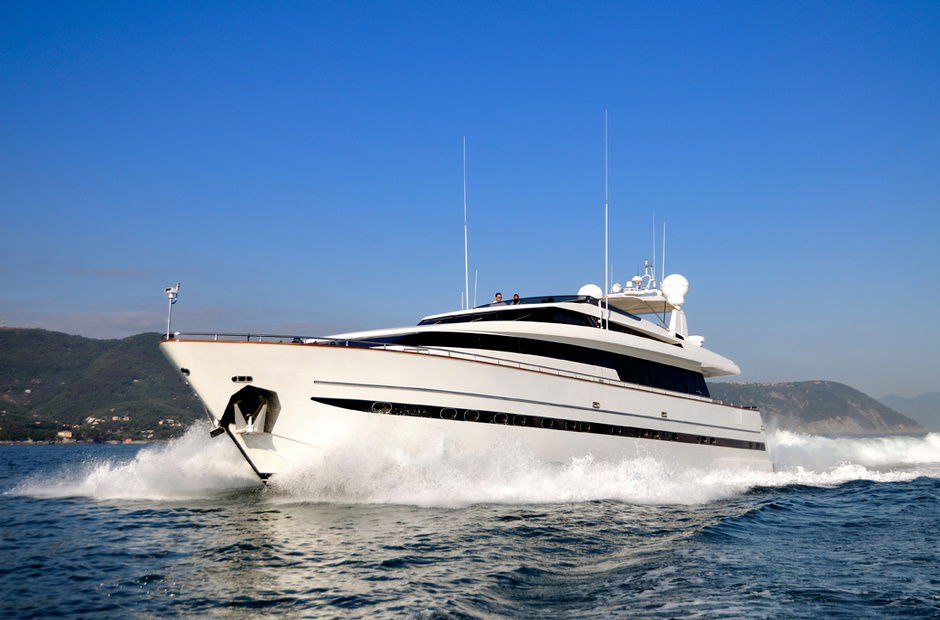
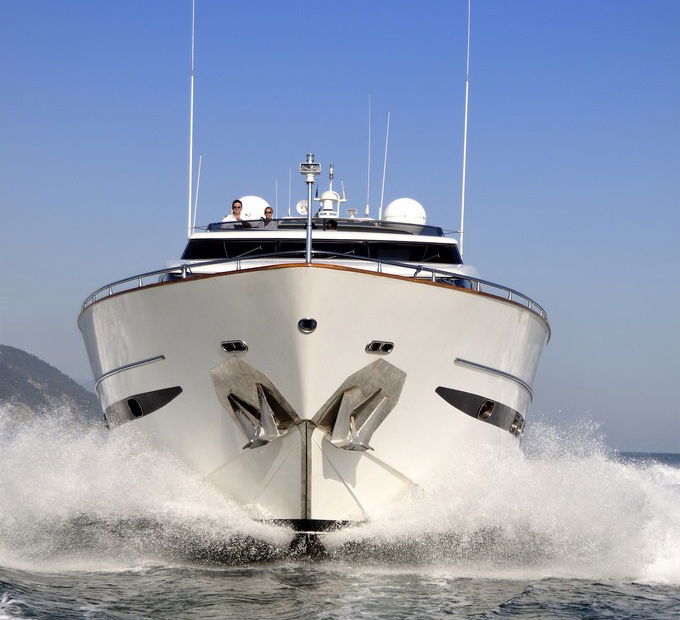
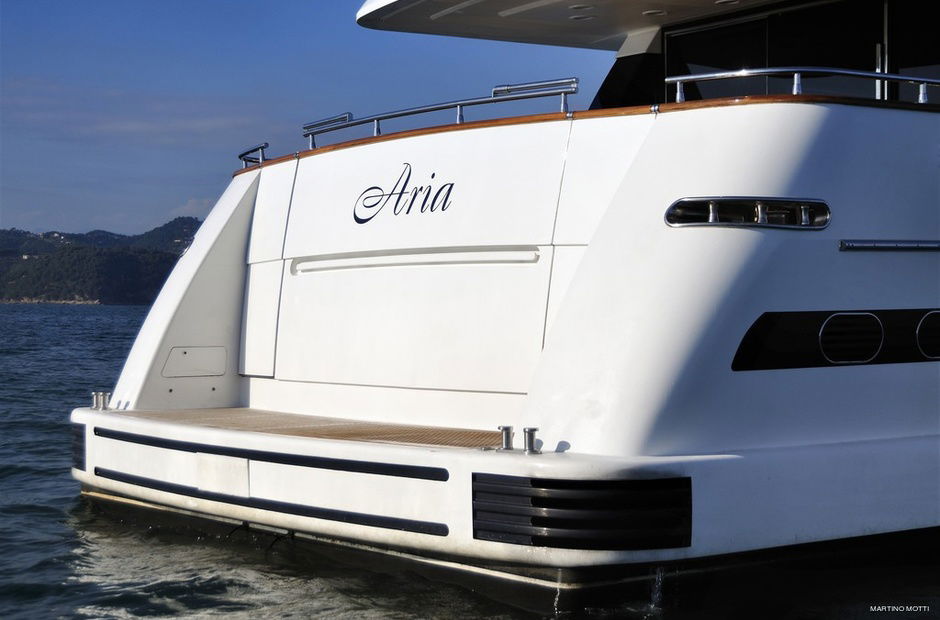
Images have been gathered from various sources and belong to their respective owners.
Review - Sanlorenzo John

MarineBroker
01/02/2024, 4:52 AM
1998 Sanlorenzo John: What Buyers and Owners Should Know Before Taking the Next Step
If you’ve been searching for information on the 1998 Sanlorenzo John, you’re probably already aware that older yachts can be a bit of a mixed bag. On one hand, they often offer timeless styling, solid craftsmanship, and a level of character that newer boats sometimes lack. On the other hand, a yacht from 1998 can also bring a few practical questions to the surface: What condition is it really in? How expensive will it be to maintain? And how do you know whether it’s a smart purchase or a money pit waiting to happen?
That’s the real challenge for many people interested in a yacht like the 1998 Sanlorenzo John. The boat itself may look appealing, but the bigger issue is understanding what lies beneath the surface. Age alone doesn’t tell the whole story. Maintenance history, refits, engine condition, systems upgrades, and how the yacht has been used over the years matter just as much as the brand name.
The good news is that with the right approach, you can separate the risks from the opportunities. In this article, we’ll walk through the key things to look for, the most common problems with older yachts, and the practical steps that can help you make a smarter decision.
- Why the 1998 Sanlorenzo John Still Gets Attention
Sanlorenzo has long been associated with quality yacht building, and that reputation is one reason older models continue to draw interest. A 1998 yacht from a respected builder can still offer strong value, especially if it has been maintained properly or updated along the way.
For many buyers, the appeal comes down to a few things:
- Classic design that still feels elegant
- A proven hull and layout from an established shipyard
- Potentially better value than a newer yacht of similar size
- The chance to own a yacht with more character and history
But there’s a catch. When people search for the 1998 Sanlorenzo John, they’re often trying to figure out whether the yacht is truly a good opportunity or whether the age of the vessel creates too many unknowns. That uncertainty is the main problem, and it’s exactly why a methodical evaluation matters.
- The Main Problem With Older Yachts Like the 1998 Sanlorenzo John
The biggest issue with a yacht from 1998 is not necessarily the age itself. It’s the hidden condition behind the age.
A boat can look polished on the outside and still have major concerns below deck. Common trouble areas include:
- Engine wear or incomplete service records
- Outdated electronics
- Aging plumbing and electrical systems
- Moisture intrusion or structural issues
- Teak deck wear
- Generator problems
- Deferred maintenance from previous owners
In other words, the question isn’t just “How old is it?” It’s “How has it been cared for?”
That’s why many interested buyers get stuck. They like the yacht, but they don’t know how to judge whether the asking price reflects the true condition. Without a proper process, it’s easy to overpay or underestimate repair costs.
- How to Evaluate a 1998 Sanlorenzo John the Right Way
If you’re seriously considering a yacht like this, the best solution is to evaluate it like a project, not just a purchase. That means looking at the vessel in layers.
Start with the basics:
- Overall appearance and upkeep
- Engine hours and service history
- Recent refits or upgrades
- Survey results, if available
- Ownership history
- Documentation and compliance records
A professional marine survey is one of the smartest steps you can take. It helps uncover issues that aren’t obvious during a casual walkthrough. For an older yacht, this is not optional in practice—it’s essential.
You’ll also want to ask the seller or broker for detailed records. A well-documented maintenance history often tells you more than a glossy listing ever will.
Look for evidence of:
- Regular engine servicing
- Annual haul-outs
- Replacement of hoses, pumps, and filters
- Electrical updates
- Cosmetic refits
- Safety equipment replacement
If the records are thin or missing entirely, treat that as a warning sign, not a small inconvenience.
- What to Inspect First on the 1998 Sanlorenzo John
When viewing an older Sanlorenzo, focus on the areas most likely to affect your budget and safety.
- Engines and propulsion
Engines are usually the most expensive systems to repair or replace. Check for:
- Oil leaks
- Excess smoke
- Unusual vibration
- Corrosion
- Cooling system issues
- Service intervals
Even if the engines start easily, that doesn’t guarantee long-term reliability. A sea trial is important because it shows how the yacht performs under load, not just at idle.
- Electrical systems
Older yachts often have electrical systems that have been modified over time. That can create compatibility issues or messy wiring.
Watch for:
- Aging switch panels
- Corroded connections
- Non-original additions
- Battery condition
- Inverter and charger performance
Electrical problems can be frustrating because they tend to show up in small ways before they become major failures.
- Plumbing and tanks
Freshwater, waste, and fuel systems can all age poorly if neglected.
Check for:
- Weak water pressure
- Odors from tanks or hoses
- Leaks under sinks or in bilges
- Pump reliability
- Tank corrosion
These issues may seem minor at first, but they can be costly and unpleasant to deal with later.
- Hull and deck condition
A hull inspection should look for:
- Osmosis or blistering
- Repairs from previous damage
- Soft spots on deck
- Sealant failures
- Signs of water ingress
If the yacht has a teak deck, pay close attention to wear and thickness. Teak replacement can become expensive quickly.
- Interior condition
A dated interior is not necessarily a problem. In fact, many buyers are fine with an older style if the structure is sound.
Still, inspect for:
- Moisture damage
- Mold or mildew
- Loose joinery
- Worn upholstery
- Poor ventilation
Cosmetic upgrades are manageable. Structural or moisture-related issues are a different story.
- Why Maintenance History Matters More Than the Build Year
A 1998 yacht that has been cared for properly can outperform a newer vessel that has been neglected.
That’s why maintenance history is one of the strongest indicators of value.
A well-maintained yacht may have:
- Fewer surprise repairs
- Better resale potential
- Safer operation
- More predictable ownership costs
By contrast, a poorly maintained yacht may require immediate investment in systems that should have been serviced years ago.
This is especially important for people looking at the 1998 Sanlorenzo John because the name alone doesn’t guarantee condition. The real value comes from the combination of build quality and ongoing care.
A useful rule of thumb: if the seller cannot clearly explain what has been replaced, serviced, or upgraded, assume you’ll need to spend more after purchase.
- Common Costs Buyers Should Plan For
One of the biggest mistakes buyers make is focusing only on the purchase price. Older yachts often require a realistic budget for post-purchase work.
Here are common cost categories to consider:
- Survey and haul-out fees
- Engine and generator servicing
- Electronics upgrades
- Upholstery or interior refresh
- Safety equipment replacement
- Antifouling and hull maintenance
- Unexpected repairs
Even a yacht in good condition may need some level of refit to meet your standards.
A practical approach is to set aside a contingency fund. Many experienced buyers reserve a meaningful portion of the budget for repairs and upgrades, especially on a vessel from the late 1990s.
That way, you’re not blindsided if the survey reveals issues that need immediate attention.
- How to Decide Whether the 1998 Sanlorenzo John Is Worth It
Not every older yacht is the right fit for every buyer. The decision depends on your goals.
This yacht may be a good option if you:
- Appreciate classic yacht design
- Want a solid platform with character
- Are comfortable with ongoing maintenance
- Have a budget for updates or refit work
- Prefer value over “brand-new” convenience
It may not be the best choice if you:
- Want a turnkey boat with minimal work
- Don’t have time to manage repairs
- Need the latest navigation and comfort systems
- Prefer predictable ownership costs above all else
That’s the honest tradeoff. Older yachts can deliver a lot of enjoyment, but only if you go in with realistic expectations.
If the 1998 Sanlorenzo John has strong bones, good records, and a clean survey, it may represent a very sensible purchase. If not, the charm can fade fast once the bills start arriving.
- Practical Steps to Take Before You Buy
If you’re moving forward, use a simple process to reduce risk.
- Request full documentation
Ask for:
- Registration papers
- Service logs
- Refit invoices
- Engine records
- Survey reports
- Ownership history
The more paperwork, the better.
- Hire the right surveyor
Choose a surveyor with experience in larger motor yachts and older European builds. General marine knowledge is helpful, but brand-specific familiarity can uncover issues more quickly.
- Do a sea trial
A dockside inspection is not enough. You want to see:
- Engine performance
- Steering response
- Noise and vibration
- System operation underway
- Temperature stability
- Estimate refit costs early
Before you buy, make a list of possible upgrades. This helps you decide whether the yacht fits your actual budget, not just the asking price.
- Compare with similar yachts
Look at other late-1990s Sanlorenzo models or comparable yachts from the same era. This gives you context on pricing, condition, and equipment levels.
- Signs That the Yacht Has Been Well Cared For
A well-maintained yacht usually gives off a few clear signals.
Look for:
- Clean engine room
- Organized wiring and plumbing
- Fresh service labels
- Dry bilges
- Consistent cosmetic upkeep
- Updated safety gear
- Signs of recent yard work
These details matter because they suggest the owner has been proactive rather than reactive.
Even small things, like neatly run hoses or labeled circuits, can indicate a broader culture of care.
- When a Refurbishment Might Be a Smart Move
Sometimes the right solution is not avoiding an older yacht, but planning a targeted refit after purchase.
This can make sense if the hull, structure, and machinery are sound, but the yacht needs modernization.
Good refit priorities often include:
- Navigation electronics
- Interior fabrics
- Lighting
- Galley appliances
- Audio/visual systems
- Safety and monitoring equipment
This kind of work can make an older yacht feel much more current without the cost of replacing the entire vessel.
For some buyers, that’s the sweet spot: a proven yacht with a refreshed onboard experience.
- Final Thoughts for Buyers Interested in the 1998 Sanlorenzo John
The 1998 Sanlorenzo John can be an appealing option for anyone who values craftsmanship, classic yacht style, and the possibility of strong value. But like any older vessel, it comes with one big question: how well has it been maintained?
That’s the problem most buyers need to solve, and the answer is usually found in records, surveys, and careful inspection rather than in the listing photos. If the yacht has a solid service history, healthy machinery, and a structure that checks out, it may be a very worthwhile candidate. If not, the costs of catching up on deferred maintenance can add up quickly.
The smartest path is to evaluate the yacht thoroughly, budget realistically, and focus on long-term condition over first impressions. If you do that, you’ll be in a much better position to decide whether this Sanlorenzo is the right fit for your boating plans.
Specifications
General
Boat Type: Power Boats
Class Type: Mega Yacht
Specifications
Length: 100.39
Beam: 22.31
Draft: 6.89
Hull Material: GRP
Build
First Built: 1998
Propulsion
Fuel Type: Diesel
Engines: 2
Power: 2280 HP
Brand: MTU
Accomodation
Berths: 6
Cabins: 4
Bathrooms: 3
PROS & CONS
What we appreciated
 Classic and elegant Italian designSpacious interior layout for comfortable cruisingSolid build quality typical of Sanlorenzo yachtsGood performance for a yacht of its size and eraWell-appointed with quality materials and finishes
What we didn’t appreciate
 Older model may require more maintenance and updatesPotentially less fuel efficient compared to modern boatsLimited modern electronics and navigation systemsEngine and mechanical systems might need refurbishmentSmaller resale market due to age and niche model
Upkeep Costs
Annual maintenance: $15,000 - $25,000
Fuel: $200 - $600 per hour depending on usage
Docking/Marina fees: $10,000 - $20,000 per year
Insurance: $5,000 - $10,000 per year
Crew salaries (if applicable): $50,000 - $150,000 per year

Rating
7.2
User
Score
Score
Driveability
Technology
Interior
Design
Similar Boats


MarineBroker
Download now for an immersive boat experience like never before! ⛵✨ Your journey begins with a simple click. 🌊📲
#SetSailSmart #DownloadNow
#SetSailSmart #DownloadNow

Subscribe
Copyright 2017 - 2026, Marinebroker.net, All Rights Reserved