Boat Database » Astilleros de Mallorca Berzinc
Astilleros de Mallorca Berzinc
Inboard Direct-Drive, Diesel, 2x 1050 HP
Power Boats 1977 Astilleros de Mallorca Berzinc: How to Evaluate, Restore, and Enjoy This Classic Yacht
If you’ve been searching for information about the 1977 Astilleros de Mallorca Berzinc, chances are you’re trying to figure out what make...
Discover


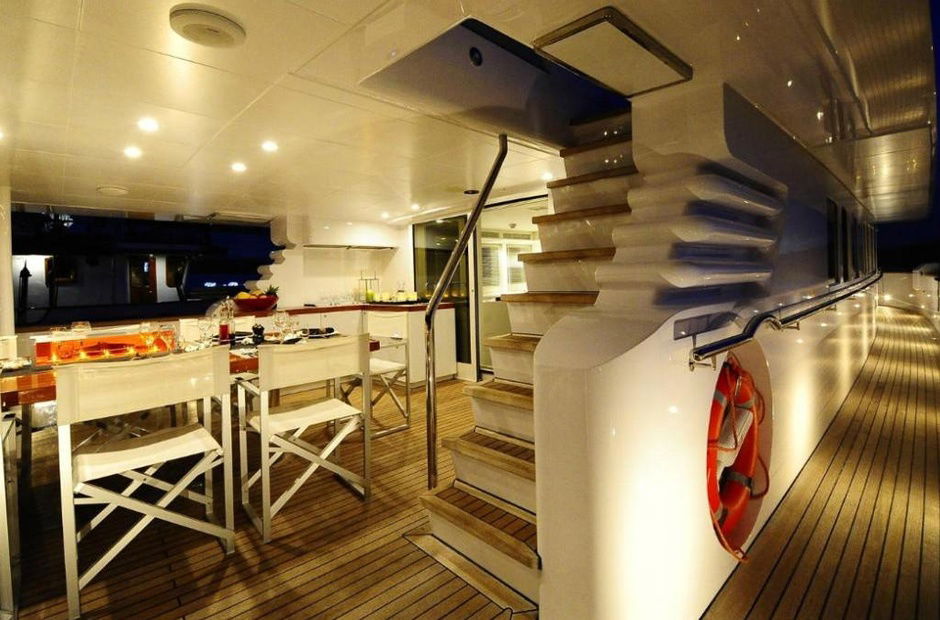
Images have been gathered from various sources and belong to their respective owners.
Review - Astilleros de Mallorca Berzinc

MarineBroker
05/28/2024, 12:14 PM
1977 Astilleros de Mallorca Berzinc: How to Evaluate, Restore, and Enjoy This Classic Yacht
If you’ve been searching for information about the 1977 Astilleros de Mallorca Berzinc, chances are you’re trying to figure out what makes this boat special, whether it’s worth the attention, and how to deal with the practical realities of owning or buying a classic yacht from this era. That’s a very normal place to be. Older boats can be incredibly rewarding, but they also come with questions that newer boats simply don’t create.
The main challenge with a yacht like the 1977 Astilleros de Mallorca Berzinc is balancing charm with condition. A classic hull, timeless lines, and solid construction can be a big advantage, but age brings its own set of concerns: hidden maintenance, outdated systems, moisture issues, and the uncertainty of how well the boat has been cared for over the decades. For many buyers and owners, the real problem isn’t just finding the boat — it’s knowing how to assess it properly and what to do next.
The good news is that with the right approach, a classic yacht can be a smart and enjoyable project. Whether you’re considering a purchase, evaluating an existing boat, or planning a refit, there are clear steps that can help you make a confident decision and get the most out of this vessel.
- What Makes the 1977 Astilleros de Mallorca Berzinc Worth Attention?
The name Astilleros de Mallorca carries a certain appeal among boat enthusiasts who appreciate classic European yachtbuilding. Boats from this period often reflect a strong focus on craftsmanship, seaworthiness, and practical design rather than the mass-produced feel of many modern vessels.
A 1977 build also places the boat in an interesting category. It’s old enough to have character, but not so old that it belongs to a completely different era of sailing or cruising. That means the boat may still offer a usable layout, a robust hull, and a style that stands out in marinas full of newer fiberglass yachts.
For many people, the attraction is simple:
- A classic design with real presence
- Potentially strong construction for offshore or coastal use
- A boat that can be restored and personalized
- Better value than many newer boats, if the condition is right
Still, age matters. A boat built in 1977 is not just a “used boat” — it is a vintage vessel that should be evaluated with a different mindset.
- The Main Problem: Buying or Owning a Classic Yacht Without a Clear Condition Check
The biggest issue with a boat like the 1977 Astilleros de Mallorca Berzinc is not the model itself. It’s uncertainty.
Many classic yachts look great on the surface but hide expensive problems underneath. A glossy hull or polished teak can make a boat seem well kept, while the real condition of the structure, engine, wiring, and plumbing may tell a different story.
Common concerns include:
- Osmosis or moisture intrusion in fiberglass structures
- Aging engine and drivetrain components
- Outdated electrical systems
- Leaking deck hardware and window seals
- Worn rigging, sails, and standing gear
- Interior wood damage from long-term humidity
- Lack of documentation for repairs and upgrades
The problem is not that these issues exist. The problem is that buyers often underestimate how much they matter. A classic boat can become a great asset, but only if you know what you’re getting into before money changes hands.
- How to Evaluate a 1977 Astilleros de Mallorca Berzinc Properly
If you’re looking at a 1977 Astilleros de Mallorca Berzinc, the smartest move is to treat it like a project until proven otherwise. That doesn’t mean you should be pessimistic. It means being methodical.
Start with a full inspection, ideally by a marine surveyor who understands older yachts. A standard survey is helpful, but for a boat this age, you want someone who knows where hidden issues tend to show up.
Focus on these areas:
1. Hull and structure
Check for signs of impact, repairs, blistering, delamination, or flexing. On older boats, structural integrity is more important than cosmetics.
2. Deck and core condition
Soft spots, spongy areas, or cracked fittings can point to water intrusion. Pay special attention around stanchions, hatches, winches, and chainplates.
3. Engine and mechanical systems
A well-maintained engine can still be useful after decades, but age-related wear can turn into major expenses quickly. Look for service records, cooling system condition, and signs of corrosion or leaks.
4. Electrical system
Old wiring is one of the most common headaches on classic boats. Check for amateur modifications, corroded terminals, undersized cables, and outdated panels.
5. Rigging and spars
If the boat is a sailboat, standing rigging age matters a lot. Even if it looks fine, stainless steel rigging has a service life, and failure can be catastrophic.
6. Interior and moisture
Musty smells, staining, peeling veneer, and soft wood are all clues. Moisture inside the cabin often points to leaks that have been present for a long time.
A good rule of thumb: if the boat has no recent survey, no maintenance history, and no clear refit records, assume there is work to be done.
- What to Look for in Documentation and Ownership History
Paperwork can tell you almost as much as the boat itself.
For a classic vessel like the 1977 Astilleros de Mallorca Berzinc, documentation helps you understand whether the boat has been loved, neglected, upgraded, or patched together. A boat with a clear paper trail is usually far easier to trust.
Look for:
- Previous surveys
- Invoices for engine service or rebuilds
- Records of rigging replacement
- Receipts for electronics upgrades
- Evidence of hull or deck repairs
- Registration and title documents
- Maintenance logs from previous owners
If a seller can show consistent care over time, that’s a strong sign. If the boat has changed hands often with little paperwork, proceed carefully.
Also, ask practical questions:
- How long has the current owner had the boat?
- Has it been stored ashore or in the water?
- Was it used regularly or left idle for long periods?
- Have any major systems been replaced?
- Are there known issues that haven’t been fixed?
The answers can reveal whether the boat is a manageable restoration or a money pit in disguise.
- Common Refits and Repairs for a 1977 Astilleros de Mallorca Berzinc
A vintage yacht usually needs a few targeted upgrades to become reliable again. The goal is not to modernize everything at once. It’s to make the boat safe, functional, and enjoyable.
The most common refit priorities include:
- Engine servicing or replacement
- New batteries and charging systems
- Rewiring and updated switch panels
- Fresh plumbing and hose replacement
- Renewed deck hardware bedding
- Standing and running rigging replacement
- New safety gear
- Navigation electronics upgrade
- Interior ventilation improvements
If the boat has been sitting unused, pay special attention to systems that degrade quietly. Hoses harden, seals fail, batteries die, and fuel systems can become contaminated.
For many owners, the best strategy is to divide the work into phases:
- Phase 1: Safety and basic operation
- Phase 2: Reliability and mechanical systems
- Phase 3: Comfort and cosmetic improvements
This approach helps control costs and prevents you from trying to do everything at once.
- How to Decide Whether the Boat Is Worth Restoring
This is the question most people really want answered.
A classic boat like the 1977 Astilleros de Mallorca Berzinc is worth restoring if the core structure is sound and the overall design still fits your goals. If the hull is strong, the layout works for you, and the boat has genuine character, restoration can make sense.
It may be worth it if:
- The hull and deck are structurally solid
- The boat has a design you genuinely like
- You can do some of the work yourself
- Replacement parts are available or adaptable
- The asking price leaves room for refit costs
It may not be worth it if:
- Structural repairs are extensive
- The engine is beyond economical repair
- The rigging and deck systems need full replacement
- You want a turnkey boat immediately
- The total cost will exceed the value you place on the boat
A useful mindset is this: buy the boat because you want the boat, not because you hope it will become a bargain. Classic boats are often emotional purchases, and that’s fine. Just keep the numbers realistic.
- Practical Tips for First-Time Buyers of Classic Boats
If this is your first time considering a vintage yacht, a few habits can save you a lot of stress.
Here are some practical tips:
- Never skip the survey
- Budget at least 20-30% above the purchase price for initial work
- Bring a mechanic or marine expert if possible
- Check for hidden moisture and corrosion
- Test as many systems as you can before buying
- Be cautious of fresh paint covering older problems
- Compare the boat to similar models and conditions, not just the asking price
You should also think about where and how you’ll use the boat. A classic cruiser that’s perfect for weekend sailing may not be ideal for long offshore passages without upgrades.
If you plan to keep the boat in a marina, factor in berth size, insurance, and maintenance access. If you plan to sail often, reliability becomes even more important than aesthetics.
- Living With a Classic Yacht: What Owners Should Expect
Owning a boat like the 1977 Astilleros de Mallorca Berzinc is a different experience from owning a modern production yacht. It tends to be more hands-on, more personal, and sometimes more demanding.
That’s not a bad thing. In fact, many owners prefer it.
Expect to spend more time on:
- Preventive maintenance
- Seasonal inspections
- Small repairs that stop bigger problems
- Monitoring moisture and ventilation
- Upgrading systems gradually
The reward is a boat that feels uniquely yours. Classic yachts often have a sense of solidity and charm that newer boats can’t always match. They also tend to encourage a deeper connection between owner and vessel, because you really get to know how every system works.
If you enjoy tinkering, learning, and improving a boat over time, a classic like this can be very satisfying.
- How to Protect Your Investment After Purchase
Once you’ve bought the boat, the real work begins. The best way to protect your investment is through routine care and smart upgrades.
Start with these basics:
- Keep the boat dry and ventilated
- Inspect deck fittings regularly
- Service the engine on schedule
- Replace aging hoses before failure
- Check bilges for leaks and water intrusion
- Clean and protect metal fittings from corrosion
- Store sails and cushions properly
- Document all maintenance and repairs
It also helps to stay ahead of seasonal maintenance. A few hours of prevention can save you from major repair bills later.
If the boat is part of a larger restoration, keep a project log. Photos, dates, and receipts make future troubleshooting easier and can improve resale value if you ever decide to sell.
- The Smart Solution: Use a Step-by-Step Ownership Plan
The best solution for dealing with a classic yacht like the 1977 Astilleros de Mallorca Berzinc is not to rush. It’s to use a step-by-step ownership plan that starts with inspection, moves into safety, and then progresses into comfort and refinement.
That usually looks like this:
- Inspect the boat thoroughly
- Identify urgent repairs
- Fix safety-critical systems first
- Stabilize the engine, electrical, and plumbing
- Address leaks and structural concerns
- Upgrade comfort and cosmetics last
This approach keeps the project manageable and helps you avoid overspending on non-essential upgrades before the boat is truly sound.
It also gives you a clearer sense of progress. Instead of feeling overwhelmed by a long list of issues, you can work through the boat in a logical order and enjoy the process.
- Why the 1977 Astilleros de Mallorca Berzinc Still Appeals Today
Even with the maintenance realities, the 1977 Astilleros de Mallorca Berzinc has lasting appeal because it represents something many modern boats do not: individuality, craftsmanship, and a sense of history.
For the right owner, that matters a lot.
You’re not just buying a hull and an engine. You’re buying a piece of boating heritage that can still provide real enjoyment if it’s evaluated and maintained properly. With the right inspection, a realistic budget, and a phased improvement plan, a classic boat can become a trustworthy cruiser or a rewarding restoration project.
The key is to respect the age of the vessel while appreciating what it offers. That balance is what turns a risky purchase into a smart one.
- Conclusion
The 1977 Astilleros de Mallorca Berzinc can be a rewarding classic yacht, but only if you approach it with clear eyes and a practical plan. The biggest challenge is not the boat’s age itself — it’s knowing how to assess condition, identify hidden issues, and prioritize repairs in the right order.
If you focus on structure, documentation, safety systems, and realistic budgeting, you’ll be in a much stronger position to decide whether the boat is right for you. For many enthusiasts, that step-by-step approach is the difference between a frustrating project and a genuinely enjoyable ownership experience. If you’re exploring this model further, take your time, ask detailed questions, and lean on expert inspections before making a move.
Specifications
General
Boat Type: Power Boats
Class Type: Mega Yacht
Specifications
Length: 146.65
Beam: 23.62
Draft: 9.19
Hull Material: Steel
Build
First Built: 1977
Propulsion
Fuel Type: Diesel
Engines: 2
Power: 1050 HP
Brand: MTU
Accomodation
Cabins: 5
PROS & CONS
What we appreciated
 Classic and timeless design with traditional craftsmanshipSturdy construction from a reputable Spanish shipyardSpacious deck layout suitable for cruising and leisureGood sailing performance for its size and eraStrong community and availability of vintage parts
What we didn’t appreciate
 Older model may require significant maintenance and restorationOutdated navigation and onboard systems compared to modern boatsLimited modern amenities and comfort featuresPotential difficulty in finding specialized repair servicesLower resale value compared to newer vessels
Upkeep Costs
Annual maintenance and repairs: $2,500 - $5,000
Docking and marina fees: $1,200 - $3,600 per year
Insurance: $800 - $1,500 per year
Fuel costs: $500 - $1,500 per year (depending on usage)
Storage (winterization or dry storage): $500 - $1,000 per year
Rating
5.9
User
Score
Score
Driveability
Technology
Interior
Design
Similar Boats


MarineBroker
Download now for an immersive boat experience like never before! ⛵✨ Your journey begins with a simple click. 🌊📲
#SetSailSmart #DownloadNow
#SetSailSmart #DownloadNow

Subscribe
Copyright 2017 - 2026, Marinebroker.net, All Rights Reserved