Boat Type: Power Boats
Boat Class: Sports Cruiser
Length: 44.62 ft
Berths: 6
Cabins: 3
Bathrooms: 2
Max Persons: 10
Boat Database » Fairline Squadron 50
Fairline Squadron 50
Inboard Direct-Drive, Diesel, 2x 580 HP
Power Boats 1996 Fairline Squadron 50: What to Check, What to Expect, and How to Keep It Running Smoothly
If you’re looking at a 1996 Fairline Squadron 50, you’re probably already drawn to the big-boat feel, classic Fairline styling, and the...
Discover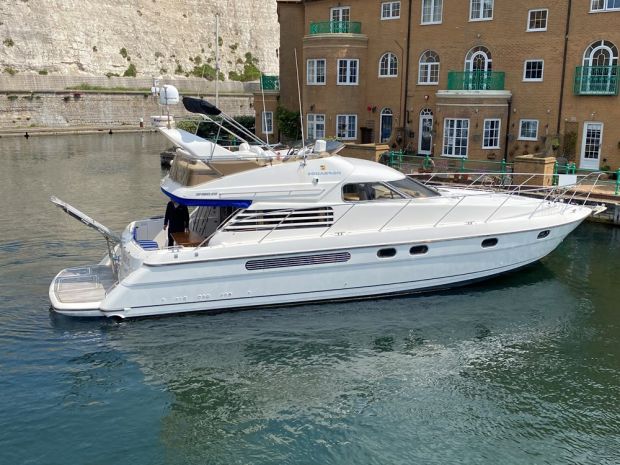
Images have been gathered from various sources and belong to their respective owners.
Latest Market Trends (Latest Available Year Model)
Price: $1,628,756
Review - Fairline Squadron 50

MarineBroker
11/21/2023, 4:55 AM
1996 Fairline Squadron 50: What to Check, What to Expect, and How to Keep It Running Smoothly
If you’re looking at a 1996 Fairline Squadron 50, you’re probably already drawn to the big-boat feel, classic Fairline styling, and the kind of roomy layout that still makes sense today. It’s a yacht that can offer a lot of value, especially for buyers who want serious cruising comfort without jumping straight into a much newer and far more expensive model.
But here’s the catch: boats from this era can be fantastic, yet they also tend to come with a few predictable headaches. Age-related wear, outdated systems, hidden maintenance costs, and survey surprises can turn an exciting purchase into a stressful one if you’re not prepared. That doesn’t mean you should avoid the boat. It just means you need to know what to look for and how to approach it smartly.
The good news is that most of the common issues on a 1996 Fairline Squadron 50 are manageable when you know where the weak spots are. With the right inspection, a realistic budget, and a little planning, you can enjoy one of the most capable flybridge cruisers of its generation with a lot less drama.
- Why the 1996 Fairline Squadron 50 still attracts buyers
- The most common problem areas on older Squadron 50s
- How to inspect the boat properly before buying
- Practical ways to reduce running costs and avoid surprises
- Why the 1996 Fairline Squadron 50 Still Has Strong Appeal
The Fairline Squadron 50 earned its reputation for a reason. In the mid-1990s, Fairline was building boats that balanced comfort, performance, and craftsmanship in a way that still holds up reasonably well today.
For many buyers, the appeal comes down to three things:
- A spacious flybridge layout
- A practical interior with good liveaboard potential
- Solid offshore cruising capability for its size
That combination makes the boat attractive to people who want more than a weekend toy. It’s a proper family cruiser, and for the right owner, it can still deliver a lot of boat for the money.
The challenge is that a 1996 model is now old enough to have accumulated decades of use, maintenance, and possible neglect. So the real question isn’t just whether the boat is good. It’s whether the specific boat you’re looking at has been cared for properly.
- The Main Problem With Older Fairline Squadron 50s
The biggest issue with a 1996 Fairline Squadron 50 is not one single fault. It’s the combination of age, systems complexity, and the cost of deferred maintenance.
On a boat like this, small issues can stack up quickly:
- Worn engines or tired cooling systems
- Aging electrical wiring and outdated electronics
- Moisture ingress in windows, decks, or fittings
- Interior wear that looks cosmetic but can signal deeper neglect
- Expensive upgrades that were postponed by previous owners
In other words, the boat may look great at first glance, but the real condition often hides below the surface. That’s why buying one without a proper inspection is risky.
The practical solution is to evaluate the boat like a project, not just a purchase. Even a well-kept example will likely need some updating. The goal is to separate normal age-related maintenance from serious structural or mechanical problems.
- What to Check First on a 1996 Fairline Squadron 50
Before you get distracted by polished woodwork and a shiny hull, focus on the systems that can cost the most to fix.
- Engines and Drivetrain
The engines are usually the biggest single cost factor on any used motor yacht. Depending on the package fitted, you may be looking at diesel engines that are now well into later-life territory.
Check for:
- Evidence of regular servicing
- Oil leaks or coolant leaks
- Smoke at startup and under load
- Uneven engine temperatures
- Vibration through the drivetrain
- Gearbox responsiveness
If the engines start cleanly, idle smoothly, and hold proper temperatures, that’s a good sign. But don’t stop there. Ask for service records, oil analysis if available, and details of any major work already completed.
A sea trial is essential. A dockside start tells you very little about how the engines behave under load.
- Hull, Deck, and Structural Condition
The hull of a 1996 Fairline Squadron 50 is generally one of the areas that can still age well, but only if the boat has been dry and well maintained.
Look closely at:
- Stress cracks around windows, rails, and fittings
- Soft spots on the deck
- Signs of water intrusion around hatches and cleats
- Blistering, repairs, or mismatched gelcoat
- Condition of the transom and swim platform
Pay extra attention to areas where fittings pass through the deck. Water ingress around hardware is one of the most common causes of hidden damage on older boats.
If you find moisture in the deck or around bulkheads, don’t panic immediately. But do treat it seriously. Moisture doesn’t always mean structural failure, but it can mean expensive repairs if ignored.
- Electrical Systems
Older yachts often have a patchwork of original wiring, later additions, and owner-installed upgrades. That can become messy fast.
Inspect:
- Battery banks and charging systems
- Shore power setup
- Circuit labeling and fuse protection
- Corrosion at terminals and connectors
- Function of navigation lights, pumps, and cockpit systems
- Generator operation, if fitted
A clean electrical panel and well-organized wiring are good signs. A tangled mess of unlabeled cables usually means you’ll be spending time and money sorting things out later.
One of the most common frustrations with older yachts is chasing intermittent electrical faults. They can be time-consuming, annoying, and surprisingly expensive to diagnose.
- Plumbing, Tanks, and Sanitation
Freshwater and waste systems are often overlooked during a viewing, but they matter a lot in day-to-day ownership.
Check:
- Water pump operation
- Tank condition and signs of leaks
- Toilet function and hose smell
- Shower sump drainage
- Bilge dryness and pump operation
If you smell persistent foul odors, that can indicate old sanitation hoses or poor maintenance. Replacing those systems isn’t glamorous, but it can make a huge difference to onboard comfort.
- Flybridge and Exterior Wear
The flybridge is one of the main selling points of the Squadron 50, so it should feel like a usable space, not a tired afterthought.
Inspect:
- Upholstery condition
- Flybridge helm instruments
- Canvas and enclosure condition
- Seat bases and storage lids
- Non-slip surfaces
- Steering response and throttle feel
Sun damage is common on boats of this age. Replacement covers, cushions, and clear vinyl can add up quickly, so factor that into your budget.
- Interior Fit-Out and Moisture Signs
Fairline interiors from this era are often one reason people fall in love with the boat. The woodwork, layout, and general feel can still be very appealing.
But don’t let cosmetics distract you from practical wear.
Look for:
- Soft flooring or staining
- Delamination in cabinets
- Mold or mildew in hidden corners
- Window leaks
- Loose trim or warped panels
- Signs of previous water damage
A clean interior is nice, but it’s more important that the boat has stayed dry. Cosmetic refreshes are manageable. Structural water damage can be much more serious.
- How to Judge Whether the Boat Has Been Well Cared For
With a 1996 boat, maintenance history matters almost as much as condition.
A well-kept example usually shows:
- Organized service records
- Evidence of regular winterization or layup
- Recent replacement of wear items
- Clean engine room presentation
- Consistent upgrades over time
By contrast, a neglected boat often has:
- Missing paperwork
- Mismatched repairs
- Corrosion in the engine bay
- Old hoses and clamps
- Obvious cosmetic neglect
A good owner doesn’t have to make the boat perfect. But they usually keep on top of the basics. That’s what you want to see.
If you’re unsure, ask direct questions:
- When were the engines last serviced?
- Have the exhaust hoses been replaced?
- Any history of water ingress?
- Are the fuel tanks original?
- Has the generator been maintained regularly?
The answers matter. So does how confidently and clearly the seller responds.
- Common Costly Issues on a 1996 Fairline Squadron 50
Some issues are more likely than others on a boat of this age. Knowing them helps you budget realistically.
- Engine maintenance backlog
Even if the engines are healthy, overdue servicing can mean filters, belts, impellers, mounts, and coolant system work.
- Aging soft furnishings and covers
Cushions, carpets, and exterior covers can make the boat feel tired even when the core structure is fine.
- Window and hatch leaks
Older sealant eventually fails. This can lead to staining, damp, and hidden rot.
- Electrical gremlins
Old wiring, corroded terminals, and aging switches can cause frustrating intermittent faults.
- Fuel tank concerns
Depending on the boat’s history, tanks can suffer from contamination or corrosion-related issues.
- Generator or air conditioning repairs
These systems are great to have, but expensive when they fail.
A smart buyer doesn’t assume these problems will be absent. Instead, they plan for them.
- How to Inspect a 1996 Fairline Squadron 50 Before Buying
If you’re serious about the boat, use a structured approach.
- Step 1: Start with the paperwork
Ask for:
- Ownership history
- Service records
- Bills for major repairs
- Insurance claims
- Survey reports, if available
Paperwork can reveal patterns. A boat with consistent care often has a paper trail to match.
- Step 2: Do a detailed visual inspection
Walk the boat slowly and check:
- Bilges
- Engine room
- Under cushions
- Around windows
- Inside lockers
- On deck around fittings
Use your nose as well as your eyes. Musty smells, fuel odors, or persistent damp can point to issues.
- Step 3: Run every system
Don’t just turn things on briefly. Test them properly:
- Engines under load
- Generator
- Pumps
- Heads
- Air conditioning
- Navigation electronics
- Windlass
- Trim tabs
A lot of faults only show up after 10 to 20 minutes of operation.
- Step 4: Sea trial the boat
This is where you learn the truth.
During the trial, watch for:
- Smooth acceleration
- Steering response
- Engine temperature stability
- Excessive smoke
- Unusual vibration
- Noise from gearboxes or prop shafts
A boat that feels tight, balanced, and predictable is usually a much safer bet.
- Why a Marine Survey Is Worth It
For a boat like the 1996 Fairline Squadron 50, a professional survey is not optional in any serious sense. It’s one of the best ways to avoid expensive surprises.
A good survey can identify:
- Structural issues
- Moisture problems
- Mechanical concerns
- Safety deficiencies
- Hidden signs of neglect
It may cost money upfront, but it can save a lot more later. If the survey turns up issues, you can negotiate, budget, or walk away with confidence.
That’s the real solution to buying an older yacht wisely: don’t rely on appearances. Rely on facts.
- Practical Ownership Tips to Keep Costs Under Control
Once you own the boat, the best way to protect your investment is simple: stay ahead of maintenance.
Here are a few practical habits that help:
- Service engines on schedule, not when something breaks
- Keep bilges clean and dry
- Replace tired hoses before they fail
- Check seals and caulking regularly
- Run systems often, even in off-season
- Fix small leaks immediately
- Protect upholstery and covers from UV damage
It also helps to set aside an annual maintenance reserve. Older yachts almost always need something each season, even when they’re in good shape.
A sensible rule of thumb is to expect ongoing upkeep rather than hoping for low-cost ownership. That mindset makes the experience much less stressful.
- Is the 1996 Fairline Squadron 50 a Good Buy?
It can be, absolutely.
A 1996 Fairline Squadron 50 offers a lot of boat, a respected brand name, and a layout that still works well for cruising families or owners who want space and comfort. If the boat has been properly maintained, it can be a very enjoyable and practical yacht.
The main thing is to buy with your eyes open. Focus on condition, service history, and survey results rather than just appearance. A clean-looking boat with poor records can become expensive quickly. A slightly older-looking boat with strong maintenance history may be the better choice.
So the solution isn’t to chase the cheapest example. It’s to find the best-documented, best-cared-for boat you can, then budget realistically for the normal work that comes with age.
- Conclusion
The 1996 Fairline Squadron 50 remains an appealing option for buyers who want a spacious, capable flybridge cruiser with real character. Like any yacht from the 1990s, though, it rewards careful inspection and realistic expectations. The biggest risks usually come from hidden maintenance issues, aging systems, and water intrusion rather than from the design itself.
If you focus on engines, structure, electrical systems, and service history, you’ll be in a much better position to judge the boat fairly. Add a proper survey and sea trial, and you’ll dramatically reduce the chance of costly surprises. For the right buyer, this can still be a very rewarding boat to own. If you’re exploring one now, take your time, ask plenty of questions, and keep digging until the condition matches the promise.
Specifications
General
Boat Type: Power Boats
Class Type: Sports Cruiser
Specifications
Length: 44.62
Beam: 14.67
Draft: 3.94
Hull Material: GRP
Build
First Built: 1996
Propulsion
Fuel Type: Diesel
Engines: 2
Power: 580 HP
Brand: Volvo Penta
Accomodation
Berths: 6
Cabins: 3
Bathrooms: 2
PROS & CONS
What we appreciated
 Classic and elegant British design with a timeless appealSpacious and comfortable interior suitable for extended cruisingSolid build quality with a reputation for durabilityGood performance with powerful engines for its sizeWell-appointed amenities and good storage capacity
What we didn’t appreciate
 Older model may require significant maintenance and upgradesFuel consumption can be high due to size and engine typeOutdated electronics and navigation equipment by modern standardsLimited availability of parts may increase repair costsHeavier hull can reduce fuel efficiency and speed compared to newer models
Upkeep Costs
Annual maintenance and servicing: $8,000 - $12,000
Fuel costs: $15,000 - $25,000 per year (depending on usage)
Insurance: $3,000 - $6,000 per year
Dockage and marina fees: $5,000 - $10,000 per year
Winter storage and haul-out: $2,000 - $4,000 per year

Rating
6.9
User
Score
Score
Driveability
Technology
Interior
Design
Similar Boats


MarineBroker
Download now for an immersive boat experience like never before! ⛵✨ Your journey begins with a simple click. 🌊📲
#SetSailSmart #DownloadNow
#SetSailSmart #DownloadNow

Subscribe
Copyright 2017 - 2026, Marinebroker.net, All Rights Reserved