Boat Database » Beneteau Antares 6.80
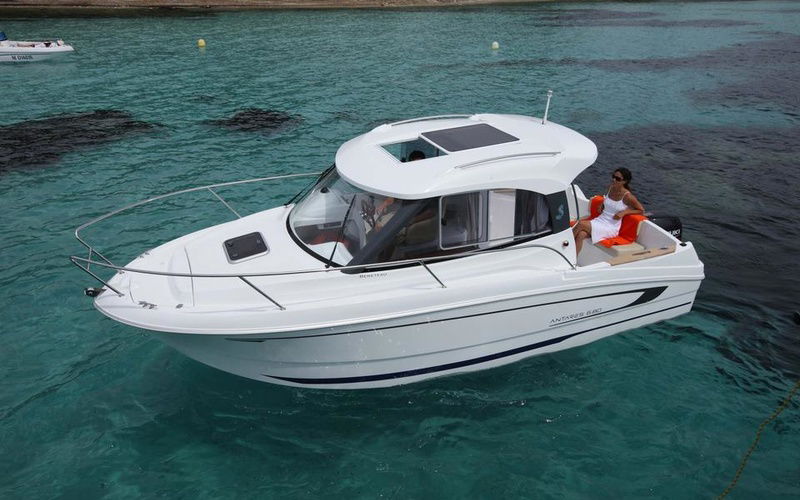
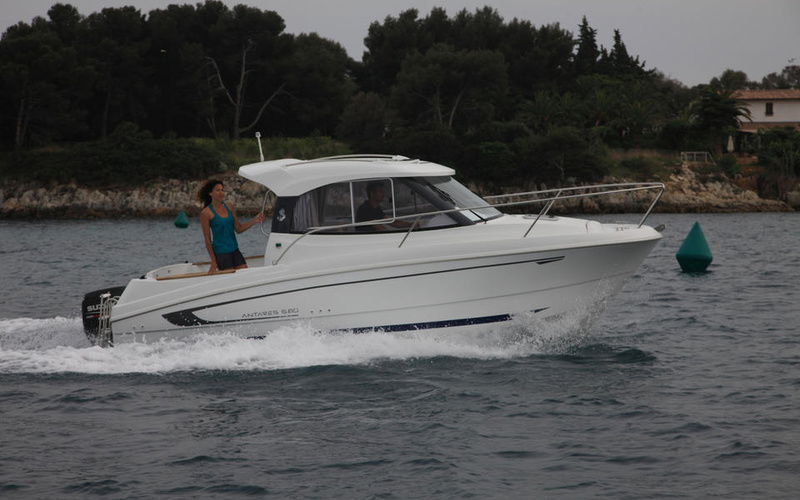
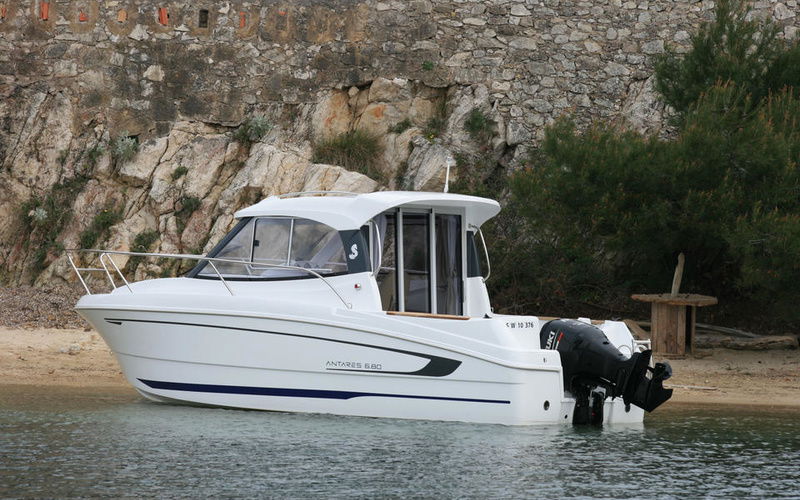
Beneteau Antares 6.80
Outboard four-stroke, Unleaded, 1x 115 HP
Power Boats 2013 Beneteau Antares 6.80: What to Check Before You Buy and How to Get the Most from This Compact Cruiser
The 2013 Beneteau Antares 6.80 has a lot going for it: manageable size, practical cabin space, easy handling, and the kind...
Discover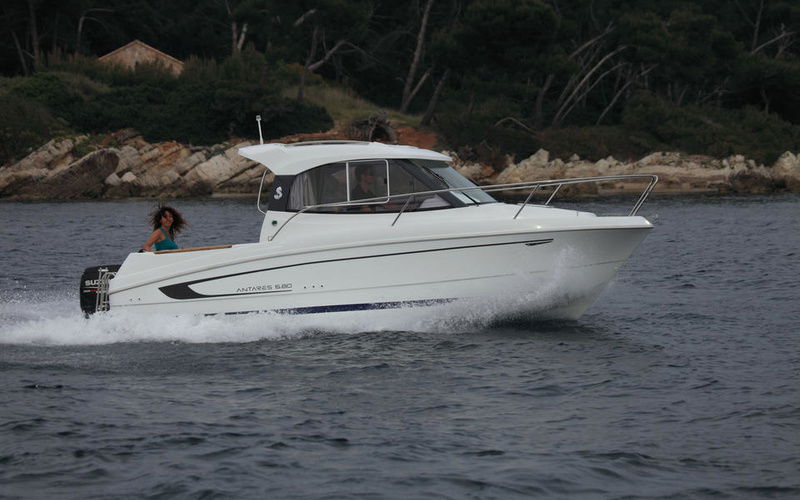
Images have been gathered from various sources and belong to their respective owners.
Review - Beneteau Antares 6.80

MarineBroker
09/28/2024, 4:11 AM
2013 Beneteau Antares 6.80: What to Check Before You Buy and How to Get the Most from This Compact Cruiser
The 2013 Beneteau Antares 6.80 has a lot going for it: manageable size, practical cabin space, easy handling, and the kind of versatility that makes it appealing to both weekend cruisers and anglers. For many boaters, it hits a sweet spot between comfort and simplicity. But like any used boat, the real question is not just whether it looks good on paper — it’s whether it still fits your needs, your budget, and your expectations after more than a decade on the water.
That’s where many buyers run into trouble. A boat like this can seem like an easy yes until you start factoring in maintenance history, engine condition, electronics, hull wear, and whether the layout truly works for your style of boating. The good news is that most of these concerns can be managed with a careful inspection and a smart buying approach. If you know what to look for, the Antares 6.80 can still be a very rewarding compact cruiser. In this article, we’ll break down the common issues buyers should watch for, what makes this model appealing, and how to evaluate it with confidence.
- Why the 2013 Beneteau Antares 6.80 Still Attracts Buyers
The 2013 Beneteau Antares 6.80 is popular because it offers a practical mix of cabin comfort and open-deck usability in a trailerable or near-trailerable package, depending on local regulations and setup. For many boaters, that combination is hard to beat.
It’s the kind of boat that can handle:
- Day trips with family or friends
- Short coastal cruises
- Inshore fishing
- Overnight stays for two people
- Easy docking and handling compared with larger cruisers
One of the biggest advantages of this model is its size. At around 6.8 meters, it’s compact enough to be approachable for newer owners, yet it still provides enough space to feel like a real cruiser rather than a basic runabout.
That said, buyers often underestimate the importance of condition. A well-kept Antares 6.80 can feel remarkably capable. A neglected one, however, can quickly turn into a list of repairs that eat into the value.
- The Main Problem Buyers Face with a Used 2013 Beneteau Antares 6.80
The biggest challenge is not the boat itself — it’s uncertainty.
With a used 2013 Beneteau Antares 6.80, the real problem is figuring out whether the boat has been maintained properly or simply made to look presentable for sale. Cosmetic condition can hide mechanical issues, water intrusion, worn upholstery, aging seals, or outdated electronics.
Common buyer concerns include:
- Engine hours and service history
- Corrosion in fittings and hardware
- Moisture in the cabin or deck areas
- Outdated navigation equipment
- Wear in the steering, controls, and trim tabs
- Hull damage from grounding or launching
- Soft spots or seal failures around windows and deck fittings
This is especially important with boats that have seen mixed use. A boat used mostly in fresh water and stored under cover may be in excellent shape. Another with the same year and model could have far more wear simply because it lived in salt water and received minimal care.
So the problem is not finding a 2013 Beneteau Antares 6.80. The problem is finding a good one.
- What Makes the 2013 Beneteau Antares 6.80 Worth Considering
There are several reasons this model continues to appeal to used-boat shoppers.
First, the layout is practical. Beneteau designed the Antares range with usability in mind, and the 6.80 follows that philosophy. You get a protected helm, a cabin that can serve as a resting space or overnight area, and deck space that still feels useful for fishing or social cruising.
Second, the boat is generally known for being easy to handle. For owners moving up from smaller open boats, this can be a big confidence boost. Visibility from the helm is usually good, and the size is forgiving in marinas and tighter slips.
Third, it offers a good balance between cost and capability. A used 2013 model may be far more affordable than a newer cabin cruiser, while still delivering many of the features people actually want.
Typical strengths include:
- Efficient use of interior space
- Comfortable helm position
- Good all-around visibility
- Practical cockpit layout
- Manageable size for solo or couple operation
For the right buyer, that combination makes the 2013 Beneteau Antares 6.80 a sensible and enjoyable boat.
- How to Inspect a 2013 Beneteau Antares 6.80 the Smart Way
If you’re serious about buying one, a structured inspection is the best solution. Don’t rely on photos alone. Boats can look excellent online and still have hidden problems.
Start with the hull and exterior.
Look for:
- Cracks around stress points
- Scratches or repairs below the waterline
- Signs of osmosis or blistering
- Mismatched gelcoat that may indicate previous repairs
- Damage around the keel, chines, and transom
Next, check the deck and fittings.
Pay close attention to:
- Rail bases
- Cleats
- Window frames
- Hatch seals
- Rod holders
- Mooring points
- Any area where hardware is mounted through the deck
Water intrusion often starts in small places. A little leaking around a fitting can eventually lead to soft deck areas or interior damage.
Inside the cabin, check for:
- Musty smells
- Staining on headliners or upholstery
- Condensation marks
- Mold around windows or corners
- Soft flooring
- Signs of previous leaks
A clean cabin is nice, but dry structure matters more than fresh cushions.
- Engine and Mechanical Checks You Should Not Skip
For a used 2013 Beneteau Antares 6.80, the engine is often the most important part of the purchase. Whether it has a single outboard or another setup depending on market and configuration, the principle is the same: mechanical condition matters more than appearance.
Ask for:
- Full service records
- Oil and filter change history
- Impeller replacement history
- Fuel system maintenance records
- Evidence of winterization or storage prep
- Documentation of any major repairs
If possible, inspect the engine while cold. A seller can warm up a problem engine before showing the boat, which may hide starting issues.
Watch for:
- Hard starting
- Excessive smoke
- Unusual vibration
- Poor idle
- Overheating
- Corrosion on electrical connections
- Fuel smell in the bilge or compartments
Also test:
- Steering response
- Throttle response
- Trim function
- Bilge pump operation
- Battery charging system
- Navigation lights
If you are not mechanically confident, hire a marine surveyor or outboard technician. That cost is small compared with the expense of an engine repair.
- Electronics and Equipment: Useful, But Don’t Overvalue Them
A lot of used boats are advertised with “upgraded electronics,” but these items should not be the main reason you buy. Electronics age quickly.
On a 2013 boat, check:
- Chartplotter model and software
- VHF radio condition
- Fishfinder performance
- Battery monitor or power management system
- Cabin lighting and switches
- Windshield wipers or defogging systems if fitted
Modern electronics are nice, but they are also replaceable. If the boat is otherwise solid, old electronics should not automatically scare you away. In many cases, they can be upgraded later to suit your needs.
What matters more is whether the electrical system is tidy and reliable.
Look for:
- Clean wiring
- Properly labeled circuits
- No exposed terminals
- No amateur modifications
- Dry fuse panels
- Batteries that hold charge
A neat electrical system usually tells you the boat has been cared for properly.
- The 2013 Beneteau Antares 6.80 for Fishing vs Cruising
One reason the 2013 Beneteau Antares 6.80 stays popular is that it can serve two very different boating styles.
For fishing, the boat’s compact layout and accessible cockpit make it practical for:
- Inshore trips
- Casual angling
- Moving around the deck without too much clutter
- Stowing gear efficiently
For cruising, the cabin and helm protection make it useful for:
- Cooler-weather boating
- Family outings
- Short overnight stays
- Coastal hops and lunch stops
If you are buying for fishing, focus on:
- Deck space
- Rod storage
- Washdown capability
- Non-slip surfaces
- Easy access to gear and livewell options if fitted
If you are buying for cruising, focus on:
- Seating comfort
- Cabin ventilation
- Sleeping space
- Galley or basic food-prep options
- Noise levels underway
The best part is that this model can often do both reasonably well. The tradeoff is that it won’t feel as spacious as a dedicated cruiser or as open as a dedicated fishing boat. That’s normal. It’s a compromise boat, and in many cases, that’s exactly why people like it.
- Common Wear Points on a 2013 Beneteau Antares 6.80
Used boats tend to age in predictable ways. Knowing the common wear points helps you spot trouble early.
Pay special attention to:
1. Hatch seals and windows
- These are frequent leak points.
- Check for staining, moisture, or seal failure.
2. Cockpit upholstery
- Sun and salt can damage vinyl and stitching.
- Replacing upholstery can be expensive.
3. Steering system
- Look for stiffness or play.
- Mechanical feel should be smooth and predictable.
4. Bilge area
- Water, oil, and debris here can signal neglect.
- A clean bilge often reflects better ownership.
5. Canvas and covers
- Brittle zippers, faded fabric, and torn panels add up quickly.
6. Fuel system
- Old fuel lines or contaminated fuel can create running issues.
- Smells or residue should be taken seriously.
7. Trailer, if included
- Corrosion, brakes, bearings, and lights matter just as much as the boat.
These are not deal-breakers by themselves, but they should factor into your offer and your repair budget.
- How to Judge Whether the Price Is Fair
Pricing a used 2013 Beneteau Antares 6.80 depends on condition, engine hours, equipment, location, and maintenance records. Two boats of the same year can differ dramatically in value.
A fair price usually reflects:
- Low to moderate engine hours
- Regular servicing
- Clean interior and exterior condition
- Working electronics
- No major structural issues
- A complete ownership history
A boat with missing records, visible wear, or outdated systems should be priced lower.
A helpful approach is to estimate the cost of bringing the boat up to your standard. For example:
- Engine service: moderate cost
- Upholstery replacement: moderate to high
- Electronics upgrade: moderate
- Seal and leak repairs: variable
- Trailer refurbishment: can be significant
Then compare that total to the asking price. If the final number still makes sense, the boat may be a good buy. If not, keep looking.
- Practical Buying Strategy for This Model
The best solution for most buyers is simple: inspect carefully, verify maintenance, and never skip a sea trial.
Here’s a smart process:
- Step 1: Review photos and ask for service records
- Step 2: Inspect the boat in person in daylight
- Step 3: Check the hull, deck, cabin, and bilge thoroughly
- Step 4: Run the engine from cold
- Step 5: Take a sea trial at different speeds
- Step 6: Use a surveyor if the boat is a serious contender
- Step 7: Compare repair costs to the asking price
During the sea trial, pay attention to:
- Acceleration
- Steering feel
- Noise levels
- Engine temperature
- Stability at idle and speed
- Any unusual vibration or rattling
A boat that feels solid underway is often worth more than one that merely looks polished at the dock.
- Maintenance Tips to Keep a 2013 Beneteau Antares 6.80 in Good Shape
If you already own one, or plan to, regular maintenance is the key to preserving value and enjoyment.
Good habits include:
- Rinsing after saltwater use
- Inspecting seals and fittings regularly
- Keeping batteries charged
- Servicing the engine on schedule
- Cleaning the bilge and drains
- Protecting upholstery from UV exposure
- Checking fuel lines and clamps periodically
- Ventilating the cabin to reduce moisture
Small routines prevent bigger repairs later. On a compact cruiser like this, staying ahead of maintenance makes a huge difference in comfort and resale value.
It also helps to keep a simple maintenance log. Even basic notes about oil changes, filter replacements, and repairs can make future ownership easier and improve buyer confidence if you ever decide to sell.
- Who the 2013 Beneteau Antares 6.80 Is Best For
This model is a strong fit for boaters who want:
- A manageable cruiser with a cabin
- A boat that can handle family day trips
- A practical platform for coastal use
- Something easier to own than a larger cabin boat
- A balance of comfort and simplicity
It may not be ideal if you want:
- Large overnight accommodations
- High-end luxury finishes
- Extensive offshore capability
- Maximum fishing deck space
- A lot of storage for long trips
In other words, it’s best for people who value versatility over specialization.
- Final Thoughts on Buying a 2013 Beneteau Antares 6.80
The 2013 Beneteau Antares 6.80 remains an appealing choice for buyers who want a compact, capable, and practical boat without stepping into the size and cost of a larger cruiser. The key is not to get distracted by cosmetics or equipment lists. Focus on condition, maintenance history, and how the boat actually performs on the water.
If you inspect carefully, test everything, and budget realistically for updates or repairs, this model can offer excellent value. It’s a boat that rewards sensible ownership and suits a wide range of boating styles. For anyone considering one, the smartest move is to slow down, check the details, and make sure the boat matches your real-world use. That approach will save money, reduce surprises, and help you enjoy the boat for years to come.
Specifications
General
Boat Type: Power Boats
Class Type: Cruiser
Specifications
Length: 22.05
Beam: 8.33
Draft: 1.97
Hull Material: GRP
Build
First Built: 2013
Propulsion
Fuel Type: Unleaded
Engines: 1
Power: 115 HP
Brand: Suzuki
Accomodation
Berths: 2
Cabins: 1
PROS & CONS
What we appreciated
 Compact and easy to handle, suitable for beginnersComfortable cabin with basic amenities for short tripsEfficient use of space for a boat of its sizeGood fuel efficiency with modest engine optionsVersatile for both fishing and leisure cruising
What we didn’t appreciate
 Limited interior space for extended staysNot ideal for rough seas due to smaller sizeBasic equipment, may require upgrades for modern navigationLimited storage capacityEngine power may be insufficient for high-speed cruising
Upkeep Costs
Fuel: Approximately $800 - $1,200 annually depending on usage
Maintenance and Repairs: $1,000 - $2,000 annually
Insurance: $300 - $600 annually
Storage and Mooring: $500 - $2,000 annually depending on location
Registration and Taxes: $100 - $300 annually
Rating
7.0
User
Score
Score
Driveability
Technology
Interior
Design
Similar Boats


MarineBroker
Download now for an immersive boat experience like never before! ⛵✨ Your journey begins with a simple click. 🌊📲
#SetSailSmart #DownloadNow
#SetSailSmart #DownloadNow

Subscribe
Copyright 2017 - 2026, Marinebroker.net, All Rights Reserved