1994 Bayliner Ciera 2355: What Owners Need to Know for Reliable Cruising and Smart Maintenance
If you’re looking into a 1994 Bayliner Ciera 2355, chances are you’re trying to figure out one big question: is it a good boat to own ...
Discover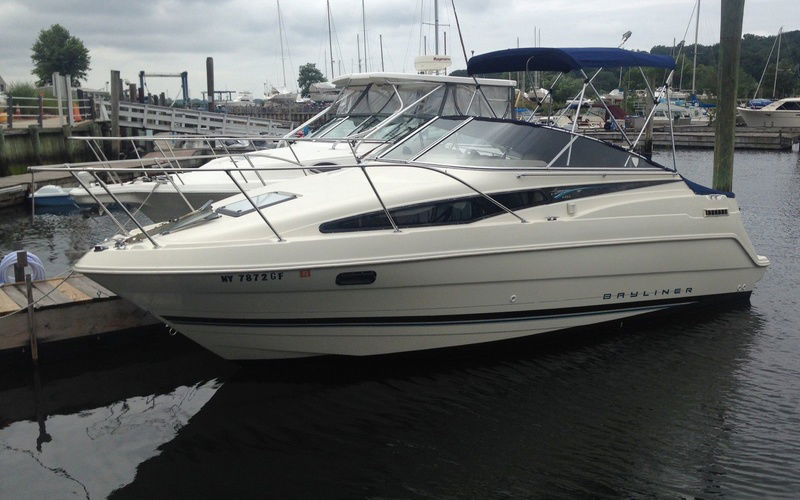
Images have been gathered from various sources and belong to their respective owners.
Review - Bayliner Ciera 2355

MarineBroker
09/18/2024, 7:56 AM
1994 Bayliner Ciera 2355: What Owners Need to Know for Reliable Cruising and Smart Maintenance
If you’re looking into a 1994 Bayliner Ciera 2355, chances are you’re trying to figure out one big question: is it a good boat to own today, and what does it take to keep it running well? That’s a smart question, because boats from this era can be a great value, but only if you understand what you’re buying and how to care for it.
The 1994 Bayliner Ciera 2355 is a popular mid-size cruiser that appeals to weekend boaters, small families, and anyone who wants a comfortable cabin boat without moving into a much larger class. It offers a practical blend of space, trailering convenience, and approachable handling. But like many older boats, its real value depends less on the name on the hull and more on the condition of the engine, outdrive, wiring, upholstery, and hull structure.
The good news is that most common issues with this model are manageable. With the right inspection, a realistic maintenance plan, and a few upgrades in the right places, the 1994 Bayliner Ciera 2355 can still be a very enjoyable and capable boat.
- Why the 1994 Bayliner Ciera 2355 Still Gets Attention
The Bayliner Ciera 2355 sits in a sweet spot for many boaters. It’s large enough to provide overnight comfort, but not so large that ownership becomes overwhelming.
For buyers and current owners, it often stands out because of:
- A usable cabin layout for its size
- A manageable towing and docking profile
- Reasonable operating costs compared with larger cruisers
- Enough versatility for day trips, overnights, and casual cruising
That said, older Bayliners are often evaluated carefully because quality varies more by condition than by model year alone. A well-maintained 2355 can be a solid boat. A neglected one can quickly become expensive.
That’s why the real challenge isn’t just finding one. It’s knowing how to spot the difference between a boat that’s ready to enjoy and one that needs a long repair list.
- The Main Problem: Age-Related Wear Can Hide Behind a Decent First Impression
The biggest issue with a 1994 Bayliner Ciera 2355 is not usually one dramatic failure. It’s the accumulation of small age-related problems that add up over time.
Common concerns include:
- Soft decking or hidden moisture intrusion
- Worn engine components
- Aging fuel systems
- Corroded wiring or poor electrical repairs
- Outdrive wear
- Tired upholstery and cabin materials
- Leaks around hatches, windows, or fittings
At first glance, many older cruisers still look attractive. Fresh cleaning, new covers, or updated cushions can make a boat seem ready to go. But the systems that matter most are often the ones you can’t see right away.
That’s the real problem for buyers and owners: figuring out what condition the boat is truly in before small issues become big expenses.
- What Makes the 1994 Bayliner Ciera 2355 Worth Considering
Even with the age-related concerns, this model remains appealing for a reason. The layout and size make it useful for boaters who want comfort without stepping into a full-sized yacht.
Typical strengths include:
- A practical cabin for weekend use
- A cockpit that works well for social cruising
- A hull size that is easier to handle than larger express cruisers
- Good value on the used market compared with newer boats
For a lot of people, the 1994 Bayliner Ciera 2355 is not about luxury. It’s about getting a comfortable, functional cruiser at a price that leaves room for maintenance and upgrades.
That is the key mindset here. If you buy this boat expecting perfection, you may be disappointed. If you buy it as a well-designed older cruiser that needs smart attention, it can make a lot more sense.
- The Most Important Areas to Inspect Before Buying
If you’re evaluating a 1994 Bayliner Ciera 2355, the inspection should focus on systems that are expensive to repair and common to older boats.
- Engine and Mechanical Condition
Start with the engine. A clean engine compartment is nice, but it doesn’t guarantee reliability.
Look for:
- Easy cold starting
- Smooth idle and acceleration
- No excessive smoke
- Stable temperature at operating speed
- No oil, coolant, or fuel leaks
- Clean maintenance records
If the boat has a stern drive, check the bellows, gimbal bearing, u-joints, and transom assembly. These parts age out even when the boat isn’t used much.
- Hull and Deck Integrity
Walk the deck slowly and feel for soft spots, especially around:
- Cabin entry areas
- Around hatches
- Near rail bases
- Around cleats and fittings
- Under high-traffic spots
Any sign of flexing or softness may indicate water intrusion. That doesn’t always mean the boat is a dealbreaker, but it does mean you need to understand the repair scope before moving forward.
- Electrical System
Electrical problems are common in older cruisers because of corrosion, amateur modifications, and aged components.
Check for:
- Properly labeled wiring
- Working navigation lights
- Functional bilge pumps
- Reliable gauges
- Clean battery connections
- No exposed or brittle wiring
If you see messy splices, loose terminals, or signs of overheating, expect time and money to fix it.
- Plumbing and Cabin Systems
Freshwater systems, head systems, and drains should be tested if possible. Older hoses can crack, and fittings can leak where you least expect them to.
Look for:
- Water stains in the cabin
- Mold or mildew odors
- Soft floor areas near plumbing
- Weak water pressure
- Leaking tank or hose connections
- Common 1994 Bayliner Ciera 2355 Problems and What They Usually Mean
This model can develop a few recurring issues simply because of its age and use history. Knowing them helps you avoid surprises.
- Water Intrusion
This is one of the most common concerns on older cruisers. Water can enter through deck fittings, windows, hatches, or poorly sealed hardware.
Signs include:
- Discoloration in the cabin
- Soft flooring
- Musty smell
- Staining near bolts or screws
The solution is usually a combination of resealing, replacing damaged materials, and checking structural areas for rot.
- Outdrive Wear
If the boat uses a sterndrive, this system deserves close attention. It takes a lot of stress and is often a maintenance bottleneck on boats this age.
Watch for:
- Grinding noises
- Steering stiffness
- Oil in the bilge
- Damaged bellows
- Corrosion on the drive
Routine service and proper storage matter a lot here. Neglect can turn a manageable repair into a major one.
- Aging Fuel System
Fuel systems on older boats can become a safety issue if they’re not maintained.
Common problems include:
- Cracked fuel lines
- Old clamps
- Dirty tanks
- Clogged filters
- Ethanol-related deterioration
If the boat has sat unused for long periods, the fuel system should be treated with caution. Old fuel can cause rough running, hard starts, and carburetor issues.
- Electrical Corrosion
Moisture and age are not kind to boat wiring. Corrosion can cause intermittent problems that are frustrating to trace.
Typical symptoms include:
- Dead gauges
- Weak battery charging
- Blown fuses
- Flickering lights
- Inconsistent bilge pump operation
The practical fix is often to simplify and clean up the system rather than patching one issue at a time.
- How to Solve the Biggest Ownership Challenges
The best way to enjoy a 1994 Bayliner Ciera 2355 is to approach ownership with a maintenance-first mindset. That doesn’t mean you need to rebuild the whole boat. It means focusing on the most important systems before they fail.
- Start with a Full Inspection
Before you spend money on upgrades, have the boat inspected thoroughly. A marine surveyor and a qualified mechanic can help identify hidden issues.
A good inspection should cover:
- Engine compression or diagnostics
- Outdrive condition
- Moisture readings in the deck
- Electrical system testing
- Hull and transom checks
- Fuel system inspection
This step can save a lot of money by helping you avoid buying a boat with structural or mechanical problems.
- Make Safety and Reliability the Priority
If the boat needs work, fix the items that affect reliability and safety first.
Top priorities usually include:
- Fuel system repairs
- Bilge pump replacement or service
- Battery and charging system health
- Engine cooling system
- Steering and drive components
- Navigation and running lights
Cosmetic updates are nice, but they should come after the boat is mechanically sound.
- Create a Seasonal Maintenance Routine
Older cruisers do best when they’re used and maintained consistently.
A simple routine can include:
- Inspecting hoses and clamps each season
- Flushing and servicing the engine
- Checking anodes and corrosion points
- Cleaning and sealing hardware
- Testing pumps and electrical systems
- Keeping the bilge dry and clean
This kind of routine prevents little issues from becoming major repairs.
- Replace Aging Components Before They Fail
On a boat this age, some parts are simply living on borrowed time.
Common proactive replacements include:
- Fuel lines
- Raw water impellers
- Belts and hoses
- Batteries
- Cabin seals
- Bilge pumps
- Corroded wiring terminals
Replacing these items before they fail is usually cheaper than dealing with breakdowns on the water.
- Smart Upgrades That Actually Improve Ownership
Not every upgrade is worth doing. For the 1994 Bayliner Ciera 2355, the best improvements are usually the ones that improve confidence, comfort, and ease of use.
- Modern Electronics
Even a basic update can make a big difference. A reliable chartplotter, depth sounder, or VHF radio improves safety and convenience.
- LED Lighting
Switching to LED cabin and navigation lights can reduce power use and improve visibility.
- Improved Battery Management
A better battery switch, charger, or monitoring setup can reduce headaches and extend electrical reliability.
- Fresh Canvas and Seals
New covers, hatch seals, or window sealing can help keep the cabin drier and more comfortable.
- Better Safety Gear
Older boats often need updated fire extinguishers, life jackets, fenders, lines, and emergency gear.
These upgrades don’t change the boat’s identity. They just make it easier and more enjoyable to own.
- What a Realistic Ownership Plan Looks Like
If you own or are considering a 1994 Bayliner Ciera 2355, the smartest approach is to budget for both purchase price and refit costs.
A realistic plan might include:
1. Pre-purchase inspection
2. Immediate mechanical servicing
3. Fixing leaks and water intrusion
4. Electrical cleanup and testing
5. Safety equipment replacement
6. Cosmetic improvements last
This order matters. It keeps you from spending on visible improvements while hidden issues continue to grow.
For many buyers, the best value comes from finding a boat that is mechanically solid, even if the upholstery or exterior looks tired. Cosmetic work is often easier and cheaper than structural or drive-train repairs.
- Who This Boat Fits Best
The 1994 Bayliner Ciera 2355 is a good fit for people who:
- Want a cruiser with a usable cabin
- Are comfortable with older-boat maintenance
- Prefer value over new-boat polish
- Plan to do some hands-on upkeep
- Need a manageable size for weekend cruising
It may be less ideal for buyers who want a turn-key boat with no maintenance surprises. Older cruisers can be rewarding, but they are rarely maintenance-free.
- Final Thoughts on Buying or Owning a 1994 Bayliner Ciera 2355
The 1994 Bayliner Ciera 2355 can still be a very practical and enjoyable cruiser, but only when you treat it like the older boat it is. The main challenge is not the model itself. It’s the hidden wear that comes with age, moisture, and years of use.
The best solution is simple: inspect carefully, prioritize the important systems, and stay ahead of maintenance. If the engine, outdrive, deck, and electrical system are in good shape, this boat can offer a lot of value for the money. Focus on reliability first, comfort second, and cosmetics last.
If you’re researching this model, take your time, ask good questions, and don’t skip the inspection. A little diligence now can lead to a much better boating season later.
Specifications
General
Boat Type: Power Boats
Class Type: Cruiser
Specifications
Length: 23.62
Beam: 8.69
Draft: 1.97
Hull Material: GRP
Build
First Built: 1994
Propulsion
Fuel Type: Gas
Engines: 1
Power: 0 HP
Brand: Unknown
Accomodation
Berths: 3
Cabins: 2
PROS & CONS
What we appreciated
 Spacious cabin with sleeping accommodations for up to 6 peopleLarge cockpit area suitable for socializing and fishingAffordable price point for a cruiser of its size and ageReliable Mercruiser engine options with decent powerGood storage space for gear and supplies
What we didn’t appreciate
 Older model with potential for wear and tear on systemsLimited modern electronics and navigation equipmentHeavier weight may affect fuel efficiency and speedSmaller engine options may struggle in rough watersInterior design and materials may feel dated compared to newer boats
Upkeep Costs
Fuel: $1,200 - $2,000 per year
Maintenance and repairs: $1,000 - $2,500 per year
Insurance: $300 - $700 per year
Storage (marina or dry dock): $800 - $2,500 per year
Registration and taxes: $100 - $300 per year
Rating
5.2
User
Score
Score
Driveability
Technology
Interior
Design
Similar Boats


MarineBroker
Download now for an immersive boat experience like never before! ⛵✨ Your journey begins with a simple click. 🌊📲
#SetSailSmart #DownloadNow
#SetSailSmart #DownloadNow

Subscribe
Copyright 2017 - 2026, Marinebroker.net, All Rights Reserved