Boat Database » Beavertail Vengeance 18
Beavertail Vengeance 18
Outboard four-stroke, Unleaded, 1x 90 HP
Power Boats 2011 Beavertail Vengeance 18: How to Keep This Flats Boat Running Smoothly and Fishing Better
If you’re looking into the 2011 Beavertail Vengeance 18, chances are you already know it’s a serious shallow-water boat built for angle...
Discover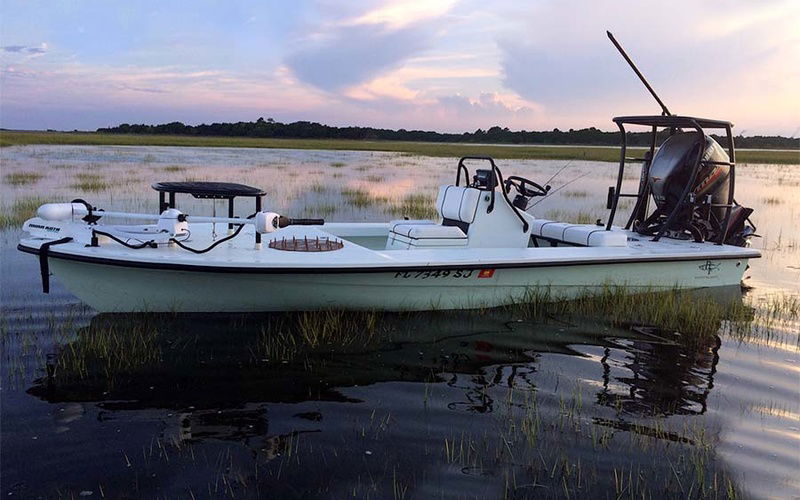
Images have been gathered from various sources and belong to their respective owners.
Review - Beavertail Vengeance 18

MarineBroker
09/19/2024, 7:25 AM
2011 Beavertail Vengeance 18: How to Keep This Flats Boat Running Smoothly and Fishing Better
If you’re looking into the 2011 Beavertail Vengeance 18, chances are you already know it’s a serious shallow-water boat built for anglers who want to get into skinny water without giving up stability or fishability. But like any specialized flats boat, owning one comes with a few common challenges: keeping the ride efficient, maintaining shallow draft performance, and making sure the setup still matches the way you fish today.
That’s where a lot of owners and buyers get stuck. A boat like the Vengeance 18 can be a great platform, but only if it’s dialed in properly. Small issues like prop choice, motor height, weight distribution, or worn hardware can make a noticeable difference in how it performs. The good news is that most of these problems are manageable with a few smart adjustments and a little routine attention.
In this article, we’ll break down what makes the 2011 Beavertail Vengeance 18 such a capable boat, the most common performance issues people run into, and practical ways to solve them. Whether you already own one or are researching before buying, this guide will help you get more out of the boat and avoid the mistakes that can hold it back.
- What Makes the 2011 Beavertail Vengeance 18 Stand Out
The 2011 Beavertail Vengeance 18 sits in a very specific part of the market: it’s designed for anglers who need a true shallow-water platform, not just a general-purpose center console that can “kind of” run skinny. Beavertail has long been known for flats and bay boats with a focus on draft, stability, and practical fishing layout.
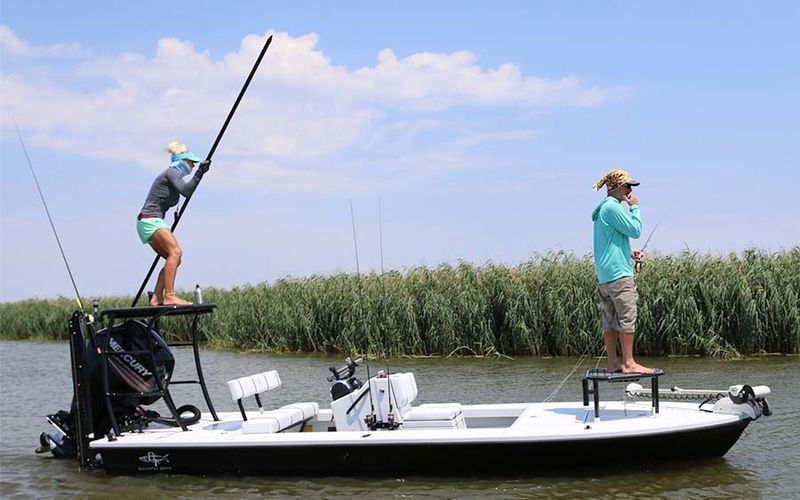
What makes this model attractive is its balance. It’s small enough to work shallow water effectively, but it still offers enough deck space and stability for serious fishing. That matters a lot if you’re poling, sight fishing, or working marshes, flats, and protected backwaters.
Key strengths typically associated with this boat include:
- Shallow draft for getting into skinny water
- Stable platform for casting and poling
- Simple, fishing-focused layout
- Good maneuverability in tight areas
- A size that’s easier to trailer, store, and handle than larger bay boats
For many owners, the appeal is not just the boat itself, but what it allows them to do. It opens up water that bigger boats can’t comfortably reach.
- The Most Common Problem: Losing Performance in Shallow Water
The biggest issue people run into with a boat like the 2011 Beavertail Vengeance 18 is that it doesn’t always perform as expected once real-world loading, aging components, and setup changes come into play.
A boat can be designed for shallow-water efficiency, but that doesn’t mean it will automatically run at peak performance forever. Over time, owners may notice:
- More draft than expected
- Slower hole shot
- Poor fuel efficiency
- Excessive bow rise
- Handling that feels “off”
- Difficulty staying balanced when fishing solo or with a partner
These problems often don’t come from one major failure. Instead, they usually come from a combination of small issues. A prop that isn’t ideal, a motor mounted too low, too much weight in the stern, or even a waterlogged foam area can all affect how the boat runs.
That’s why the solution is usually not a single magic fix. It’s about tuning the boat as a system.
- Why Setup Matters So Much on the 2011 Beavertail Vengeance 18
On a shallow-water boat, setup is everything. The hull may be capable, but the final performance depends heavily on how the boat is rigged and used.
A few inches of motor height can change efficiency. A few extra pounds in the wrong place can affect draft and trim. Even the propeller choice can determine whether the boat jumps on plane quickly or struggles to get moving.
Here’s why that matters:
- Shallow-water boats are more sensitive to weight distribution than larger hulls
- Older boats may have rigging changes from previous owners
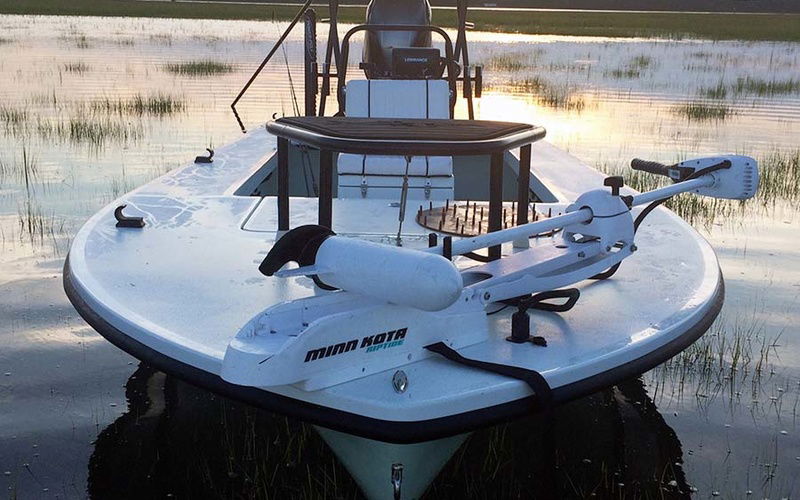
- Accessories like trolling motors, batteries, and poling platforms can alter balance
- Engine maintenance affects both speed and reliability
- Prop and jack plate setup can make a big difference in draft and handling
If you’ve ever felt like your boat “should” do better than it does, setup is usually the first place to look.
- How to Diagnose Performance Issues Before Spending Money
Before replacing parts, it helps to figure out what’s actually wrong. A lot of boat owners spend money in the wrong place because they guess instead of diagnosing.
Start with these checks:
1. Inspect the hull
Look for damage, soft spots, or signs of previous repairs. Even small hull issues can change how the boat rides and drafts.
2. Check engine health
Make sure the motor is running at the recommended RPM range, idling properly, and not overheating.
3. Evaluate propeller condition
A chipped, bent, or poorly matched prop can reduce speed and efficiency.
4. Review weight placement
Check where batteries, fuel, gear, coolers, and accessories are stored.
5. Look at motor height
If the engine is mounted too low, the boat may drag more water than necessary.
6. Test with different loads
Run the boat solo, then with a partner and gear. If performance changes dramatically, balance is likely part of the problem.
This kind of basic troubleshooting can save a lot of frustration. It also helps you make smarter upgrades later.
- Practical Fixes That Improve the 2011 Beavertail Vengeance 18
Once you know where the issue is coming from, there are several practical ways to improve performance without overcomplicating things.
- Adjust Weight Distribution
One of the easiest improvements is also one of the most overlooked. Keep heavy gear centered and avoid loading too much weight in the stern.
Helpful habits include:
- Store tackle and tools in balanced locations
- Keep batteries secured and positioned thoughtfully
- Avoid carrying unnecessary gear
- Move coolers and spare equipment forward when possible
A well-balanced boat planes faster and often feels more responsive in shallow water.
- Choose the Right Propeller
Prop selection can make or break performance on the 2011 Beavertail Vengeance 18. A prop that works well on one setup may perform poorly on another.
You want to consider:
- Engine size and brand
- Typical load
- Desired top speed
- Hole shot performance
- Shallow-water efficiency
If your boat feels sluggish, over-revs, or struggles to plane, a prop change may help more than you expect. In many cases, a prop tuned for better low-end lift is more useful than chasing top-end speed.
- Fine-Tune Motor Height
If the motor sits too low, the boat may drag and lose efficiency. If it sits too high, you may lose bite and water pressure.
A proper setup usually gives you:
- Better speed
- Less drag
- Improved fuel economy
- Cleaner handling in shallow water
This is one of those adjustments that can really transform the boat when done correctly. If you’re unsure, a marine technician or experienced rigging shop can help dial it in.
- Keep the Hull and Running Surface Clean
A clean hull matters more than many people realize. Growth, scum, and grime can affect both draft and speed.
Regular cleaning helps:
- Reduce drag
- Improve fuel efficiency
- Make the boat easier to pole or drift
- Extend the life of the finish
For boats used in brackish or saltwater environments, this is especially important.
- Maintain the Jack Plate and Steering Components
If your boat has a jack plate or hydraulic setup, maintenance is key. A worn or poorly adjusted system can make the boat feel inconsistent.
Check for:
- Loose bolts
- Corrosion
- Hydraulic leaks
- Binding or hesitation in adjustment
- Steering play
Small mechanical issues can have a big effect on confidence and control.
- What Buyers Should Look for in a Used 2011 Beavertail Vengeance 18
If you’re shopping for a used 2011 Beavertail Vengeance 18, the goal is to find a boat that still has its shallow-water advantages without inheriting expensive problems.
Here’s what to inspect closely:
- Hull condition: Look for cracks, repairs, or signs of hard groundings
- Engine hours and service records: Maintenance history matters a lot
- Fuel system: Older fuel lines and tanks may need attention
- Wiring: Check for clean, organized rigging and working electronics
- Deck and hatch condition: Water intrusion can lead to bigger issues
- Trailer condition: A bad trailer can create problems even if the boat itself is solid
It’s also worth taking the boat for a test run. Pay attention to:
- Time to plane
- Steering response
- Top-end performance
- Stability at idle
- Noise or vibration
- How it behaves with two people onboard
A clean sea trial tells you a lot more than a listing ever will.
- Common Mistakes Owners Make
A boat like this rewards careful ownership. The biggest mistakes usually come from trying to force it to do things outside its design or ignoring small maintenance items.
Some common mistakes include:
- Overloading the boat with gear
- Using the wrong prop
- Skipping regular engine service
- Ignoring corrosion
- Failing to flush after saltwater use
- Adding accessories without thinking about balance
- Assuming the hull alone will solve all performance issues
The 2011 Beavertail Vengeance 18 is a capable shallow-water boat, but it works best when the rigging and maintenance match its purpose.
- Simple Maintenance Habits That Protect Performance
If you want the boat to keep performing well, routine care goes a long way.
A good maintenance routine includes:
- Flushing the engine after every saltwater trip
- Checking propeller condition regularly
- Inspecting the lower unit for damage
- Greasing moving parts as recommended
- Watching for corrosion on electrical connections
- Keeping the hull clean
- Checking battery health and charging systems
These basics may not sound exciting, but they’re what keep a boat reliable season after season.
- Who the 2011 Beavertail Vengeance 18 Is Best For
This boat makes the most sense for anglers who really use shallow water to their advantage. It’s a strong fit for people who:
- Fish flats, marshes, and backcountry water
- Want a lighter, more responsive boat
- Prefer a simple, fishing-first layout
- Trailer frequently and want manageable size
- Care more about access and efficiency than luxury features
If your fishing style involves sneaking into skinny water and covering technical areas, this kind of boat can be a great match.
- The Best Way to Get More Out of It
The real solution to getting the most from the 2011 Beavertail Vengeance 18 is to treat it like a precision tool. That means keeping it balanced, maintaining the engine, checking the prop, and making small setup changes based on how you actually fish.
In other words, don’t just own it—tune it.
A few smart adjustments can improve:
- Draft
- Hole shot
- Fuel efficiency
- Stability
- Handling
- Overall confidence on the water
That’s the advantage of a well-designed flats boat. When it’s dialed in, it can feel incredibly efficient and capable.
- Conclusion
The 2011 Beavertail Vengeance 18 is a solid choice for anglers who want a true shallow-water fishing platform, but like any specialized boat, its performance depends heavily on setup and maintenance. Most issues people face are not major design flaws—they’re usually the result of balance, prop choice, motor height, or routine wear over time.
The good news is that these problems are fixable. With a careful inspection, smart rigging choices, and regular maintenance, this boat can continue to perform the way it was meant to. If you’re researching a purchase or trying to improve your current setup, focus on the basics first. That’s usually where the biggest gains are found.
Specifications
General
Boat Type: Power Boats
Class Type: Centre Console
Specifications
Length: 18.01
Beam: 6.82
Draft: 0.59
Hull Material: GRP
Build
First Built: 2011
Propulsion
Fuel Type: Unleaded
Engines: 1
Power: 90 HP
Brand: Unknown
Accomodation
PROS & CONS
What we appreciated
 Durable aluminum hull ideal for rugged useLightweight design for easy towing and launchingSpacious deck layout suitable for fishing and family outingsGood fuel efficiency with smaller outboard enginesStable performance in calm to moderate water conditions
What we didn’t appreciate
 Limited cabin or shelter space for adverse weatherBasic amenities compared to larger or more modern boatsLess suited for rough water or offshore conditionsOlder model may lack some modern electronics and featuresSmaller size limits passenger and gear capacity
Upkeep Costs
Fuel: Approximately $500-$800 per year depending on usage
Maintenance: Around $300-$600 annually for engine and hull upkeep
Insurance: Typically $200-$400 per year
Storage: $500-$1,200 per year depending on location and type
Registration and taxes: $50-$150 annually depending on state

Rating
5.6
User
Score
Score
Driveability
Technology
Interior
Design
Similar Boats


MarineBroker
Download now for an immersive boat experience like never before! ⛵✨ Your journey begins with a simple click. 🌊📲
#SetSailSmart #DownloadNow
#SetSailSmart #DownloadNow

Subscribe
Copyright 2017 - 2026, Marinebroker.net, All Rights Reserved