Boat Database » Bayliner Element CC5
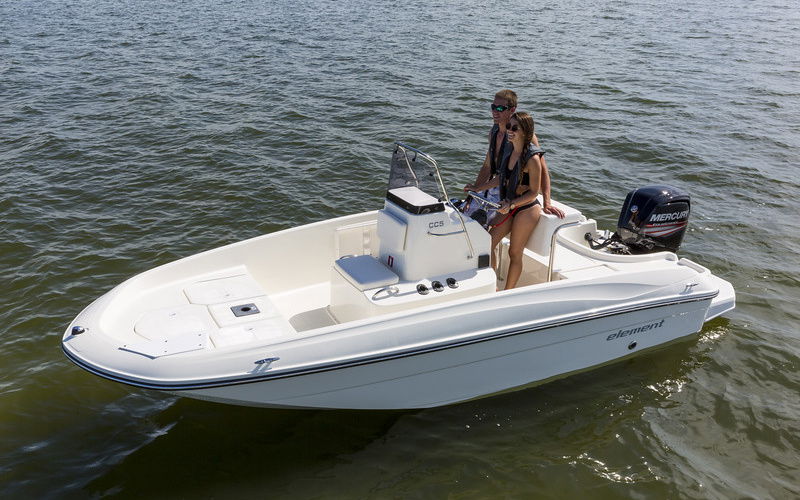
Bayliner Element CC5
Outboard four-stroke, Unleaded, 1x 60 HP
Power Boats 2016 Bayliner Element CC5: What Owners Should Know Before Buying, Using, or Upgrading
If you’re looking into the 2016 Bayliner Element CC5, chances are you’re trying to figure out whether it’s the right small center console for y...
Discover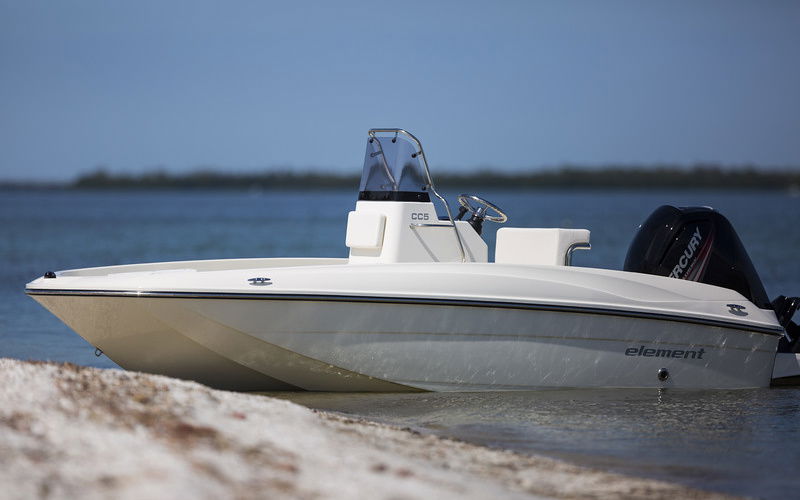

Images have been gathered from various sources and belong to their respective owners.
Review - Bayliner Element CC5

MarineBroker
09/16/2024, 9:37 AM
2016 Bayliner Element CC5: What Owners Should Know Before Buying, Using, or Upgrading
If you’re looking into the 2016 Bayliner Element CC5, chances are you’re trying to figure out whether it’s the right small center console for your kind of boating. Maybe you want a simple family boat for cruising, fishing, and sandbar days. Or maybe you’re comparing used options and trying to avoid a purchase you’ll regret later.
That’s a smart approach. Boats in this class can be a lot of fun, but they also come with trade-offs that aren’t always obvious from a listing or a quick walk-through at the dock. The 2016 Bayliner Element CC5 is known for being approachable, easy to trailer, and budget-friendly compared with many other center consoles. But like any boat, it works best when you understand what it does well, where it falls short, and how to set it up for your real-world needs.
In this article, we’ll break down the boat’s practical strengths, common concerns buyers should watch for, and simple ways to get the most out of it. If you’re researching the 2016 Bayliner Element CC5, this guide should help you make a more confident decision.
- What the 2016 Bayliner Element CC5 is designed for
- Common issues buyers and owners should check
- How to improve comfort, storage, and usability
- Whether it makes sense for fishing, cruising, or family use
- Maintenance tips that help keep ownership simple
- What Makes the 2016 Bayliner Element CC5 Different
The 2016 Bayliner Element CC5 is a compact center console built for easy handling and casual boating. It sits in the smaller boat category, which means it’s easier to tow, launch, store, and maintain than larger center consoles.
That simplicity is a big part of the appeal.
Instead of trying to be a heavy offshore machine, the CC5 is more about versatility in protected waters, lakes, bays, and calm coastal areas. It’s the kind of boat many people consider when they want a straightforward entry into boating without the cost and complexity of a bigger rig.
A few things usually stand out:
- It has a compact footprint, which helps with trailering and docking
- The center console layout gives decent walk-around access
- It is generally easier for new boaters to learn on
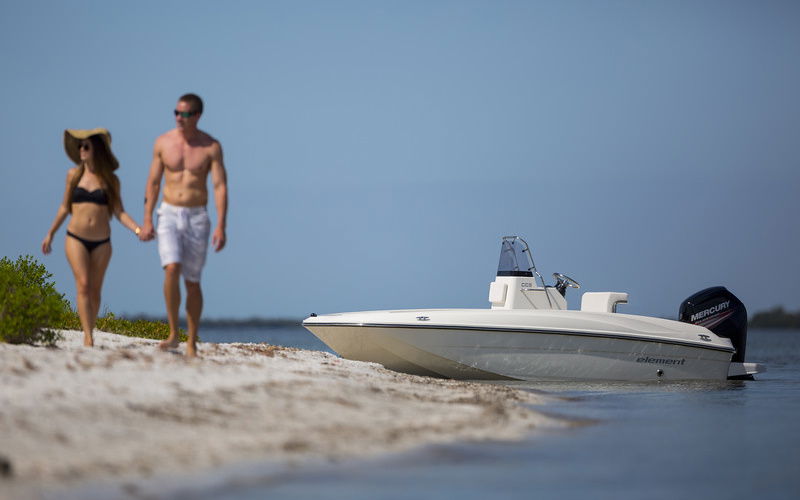
- It can serve as a fishing boat, family boat, or sandbar cruiser
For many buyers, the real attraction is not luxury. It’s practicality.
- The Main Problem Buyers Face With the 2016 Bayliner Element CC5
The biggest challenge with the 2016 Bayliner Element CC5 is not that it’s a bad boat. It’s that some buyers expect it to do more than it was really built to do.
A common issue is mismatch.
People see “center console” and assume offshore capability, big storage, and all-day comfort. But the CC5 is a smaller, lighter boat. That means it’s better for short trips, protected waters, and casual use than for rough offshore conditions or heavy-duty fishing setups.
This leads to a few common frustrations:
- Not enough space for larger groups
- Limited storage compared with bigger boats
- Less comfort in choppy water
- Modest power and performance expectations
- Fewer built-in features than premium models
If you understand those limits early, the boat becomes much easier to appreciate. If you don’t, you may end up disappointed.
- Who the 2016 Bayliner Element CC5 Is Best For
This boat makes the most sense for people who want simple, low-stress boating.
It’s a strong fit for:
- First-time boat owners
- Families who mainly boat in calm water
- Anglers who fish bays, lakes, or inshore areas
- Buyers looking for a manageable used boat
- People who want easy towing and storage
It may not be ideal for:
- Offshore fishermen
- Boaters who regularly carry large groups
- People wanting lots of luxury features
- Buyers expecting a deep, heavy ride in rough water
If your boating style is relaxed and practical, the CC5 can be a very sensible choice.
- 2016 Bayliner Element CC5: Real-World Strengths
The best way to judge a boat like this is to think about how it performs in everyday use.
- Easy to Tow and Launch
One of the biggest benefits of the 2016 Bayliner Element CC5 is how manageable it is on the trailer. Smaller boats are easier to haul with a wider range of vehicles, and they’re less intimidating at the ramp.
That matters more than people think. A boat that’s easy to launch gets used more often.
- Simple Layout
The center console design gives you open deck space and clear movement around the boat. That’s useful for fishing, anchoring, docking, and general family use.
The layout also tends to feel less cluttered than many bowriders or cabin boats.
- Lower Operating Costs
Smaller boats usually cost less to fuel, maintain, and insure than larger ones. The CC5 fits that pattern well.
For budget-conscious owners, that can make the difference between a boat that gets used regularly and one that sits in the driveway.
- Beginner-Friendly Handling
The boat’s size and layout make it less overwhelming for new boaters. Docking, turning, and trailering are generally more manageable than on larger center consoles.
That doesn’t mean it’s foolproof, but it does mean the learning curve is usually gentler.
- Common Concerns to Check Before Buying
If you’re shopping used, this is where the real value is. A boat can look clean in photos and still hide problems that cost money later.
- Hull and Gelcoat Condition
Inspect the hull carefully for cracks, deep scratches, repairs, or signs of impact. Light cosmetic wear is normal on a used boat, but structural damage is a different story.
Look especially around:
- The keel
- The transom
- The console base
- Areas near fittings and hardware
- Engine Hours and Maintenance History
The outboard is one of the most important parts of the package. Ask for service records if possible.
You want to know:
- How many hours are on the motor
- When the last service was done
- Whether the impeller, plugs, and fluids were changed
- If the engine starts easily and idles smoothly
A well-maintained smaller boat can be a great buy. A neglected engine can turn into a headache fast.
- Electrical System
Small boats often have simple wiring, but that doesn’t mean you should ignore it. Check navigation lights, bilge pump, switches, battery connections, and gauges.
Corrosion or amateur wiring work can cause ongoing problems.
- Seating and Upholstery
Seats, cushions, and console components may wear faster than the hull itself. UV exposure and saltwater can take a toll.
Look for:
- Cracking vinyl
- Loose hinges
- Mold or mildew
- Broken latches or seat bases
- Trailer Condition
Many buyers focus only on the boat and forget the trailer. That’s a mistake.
Check:
- Tires
- Bearings
- Lights
- Winch strap
- Bunks and rollers
- Frame rust
A bad trailer can make an otherwise good boat annoying or unsafe to use.
- How to Make the 2016 Bayliner Element CC5 Work Better for You
The good news is that many of the boat’s limitations can be managed with smart setup and realistic expectations.
- Add Storage Where It Matters
If you plan to use the 2016 Bayliner Element CC5 for fishing or family outings, extra storage can make a huge difference.
Useful additions include:
- Soft storage bags
- Tackle organizers
- Dry boxes
- Under-seat storage bins
- Console storage upgrades if available
The goal is to keep the deck clear and reduce clutter.
- Improve Comfort for Longer Days
Small boats can feel better with a few simple upgrades.
Consider:
- Cushioned seating
- Removable shade options
- Cooler seats or portable coolers
- Non-slip deck mats
- Better grab handles
These changes won’t transform the boat into a luxury cruiser, but they can make day trips much more enjoyable.
- Match the Boat to the Water
This is one of the most important tips.
The 2016 Bayliner Element CC5 is best in calm to moderate conditions. If you plan your outings around weather and water conditions, the boat will feel much more capable.
Try to avoid:
- Strong wind chop
- Heavy boat traffic on rough days
- Offshore runs beyond the boat’s comfort zone
- Overloading the deck with people and gear
A smaller boat feels much better when it’s used within its limits.
- Keep Weight Balanced
Smaller center consoles are more sensitive to how weight is distributed. Too many people on one side, too much gear in the wrong place, or a poorly balanced load can affect ride quality and handling.
A few simple habits help:
- Keep heavy items low and centered
- Don’t overload the stern
- Move passengers around when needed
- Store gear evenly
- Fishing Use: Is the 2016 Bayliner Element CC5 Good for Anglers?
Yes, but with expectations set correctly.
The 2016 Bayliner Element CC5 can work well as an inshore or casual fishing boat. It’s not a tournament rig, but it can absolutely handle basic fishing trips in bays, lakes, and protected waters.
What it does well:
- Open deck space for casting
- Easy movement around the console
- Simple layout for rigging and cleaning
- Good access for anchor work and light tackle use
What it may lack:
- Large livewells
- Extensive rod storage
- Big casting platforms
- Offshore fishability
If your fishing is mostly relaxed and local, it can be a perfectly reasonable choice. If you want a heavily outfitted fishing machine, you’ll probably want something larger.
- Family and Recreation Use: A Better Fit Than Some People Expect
A lot of people overlook small center consoles for family use, but they can actually be a smart option.
Why?
Because they’re simple.
There’s less to learn, less to maintain, and fewer complicated systems to worry about. For families who want a boat for cruising, tubing in calm water, beach stops, or dockside outings, that simplicity can be a real advantage.
The main thing to remember is comfort. Since the boat is compact, it’s best for smaller groups or shorter outings. If your family is large or likes long days on the water, you may outgrow it faster.
- Maintenance Tips That Keep Ownership Easy
A boat like this is easiest to enjoy when maintenance stays ahead of problems.
- Rinse After Every Use
If you use the boat in saltwater, rinsing is non-negotiable. Salt buildup causes corrosion, dulls finishes, and shortens the life of hardware.
Give attention to:
- Engine exterior
- Console hardware
- Rod holders
- Cleats
- Trailer components
- Check the Engine Regularly
Routine engine care goes a long way.
Stay on top of:
- Oil changes
- Gearcase inspection
- Fuel filter replacement
- Water pump service
- Battery health
A small outboard is usually reliable when maintained on schedule.
- Inspect Seals and Fasteners
Small leaks or loose fittings can become bigger problems over time. Check around:
- Console mounts
- Seat bases
- Rail hardware
- Drain plugs
- Hatch seals
A few minutes of inspection can prevent water intrusion and corrosion.
- Store It Properly
If you’re not using the boat often, proper storage matters.
Best practices:
- Cover it well
- Keep the trailer in good condition
- Disconnect or maintain the battery
- Flush the engine if used in saltwater
- Store in a dry, shaded area when possible
- How to Decide If It’s the Right Boat for You
Ask yourself a few honest questions before buying.
- Where will I use it most often?
- How many people will usually be onboard?
- Do I want simple boating or a more feature-rich setup?
- Am I okay with a smaller boat’s limitations?
- Will I be happy with calm-water and inshore use?
If your answers lean toward easy, affordable, and practical, the 2016 Bayliner Element CC5 may fit well.
If your boating style is more demanding, it may be smarter to keep shopping.
- Smart Buying Tips for a Used 2016 Bayliner Element CC5
If you’re in the market, take your time and inspect the boat like you mean it.
Use this checklist:
1. Test-start the engine cold if possible
2. Inspect the hull and transom closely
3. Check all electronics and switches
4. Look for signs of water intrusion
5. Review service records
6. Verify trailer condition
7. Take a water test if possible
A short sea trial can tell you a lot. Pay attention to how it idles, accelerates, turns, and handles wake.
- Final Thoughts on the 2016 Bayliner Element CC5
The 2016 Bayliner Element CC5 is a good example of a boat that makes sense when it’s matched to the right owner. It’s not trying to be the biggest, fastest, or most luxurious center console out there. Instead, it offers a simple, manageable way to get on the water without a lot of hassle.
That’s the real solution for many buyers: understand the boat’s purpose, inspect it carefully, and set it up for the kind of boating you actually do. If you want an easy-to-handle boat for calm water, casual fishing, and relaxed family outings, the CC5 can be a practical option. If you’re still comparing models, focus on how each one fits your real-world needs rather than the spec sheet alone.
Specifications
General
Boat Type: Power Boats
Class Type: Centre Console
Specifications
Length: 17.75
Beam: 7.28
Draft: 0.98
Hull Material: GRP
Build
First Built: 2016
Propulsion
Fuel Type: Unleaded
Engines: 1
Power: 60 HP
Brand: Mercury
Accomodation
PROS & CONS
What we appreciated
 Affordable price point making it accessible for beginnersCompact size ideal for easy trailering and storageCenter console layout provides good visibility and 360-degree accessLightweight hull design allows for good fuel efficiencyVersatile for various activities such as fishing, cruising, and watersports
What we didn’t appreciate
 Limited seating capacity compared to larger boatsBasic features and amenities, lacking luxury optionsSmaller engine options may limit top speed and performance in rough watersMinimal storage space for gear and equipmentNot ideal for extended trips or overnight stays due to limited comfort
Upkeep Costs
Fuel: Approximately $500 - $1,000 per year depending on usage
Maintenance and Repairs: Around $300 - $700 annually
Insurance: Typically $300 - $600 per year
Storage: $200 - $1,200 yearly depending on location and type (marina, dry storage, trailer)
Registration and Taxes: $50 - $200 per year depending on state

Rating
5.8
User
Score
Score
Driveability
Technology
Interior
Design
Similar Boats


MarineBroker
Download now for an immersive boat experience like never before! ⛵✨ Your journey begins with a simple click. 🌊📲
#SetSailSmart #DownloadNow
#SetSailSmart #DownloadNow

Subscribe
Copyright 2017 - 2026, Marinebroker.net, All Rights Reserved