2015 Bayliner VR6 Bowrider: What Owners Should Know Before Buying, Using, or Upgrading
If you’re looking into the 2015 Bayliner VR6 Bowrider, chances are you’re trying to figure out whether it’s the right fit for your boating lif...
Discover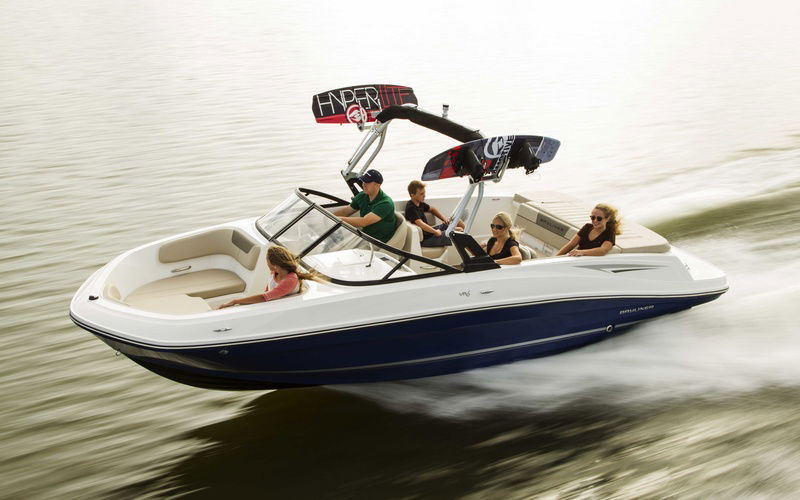
Images have been gathered from various sources and belong to their respective owners.
Review - Bayliner VR6 Bowrider

MarineBroker
09/16/2024, 5:53 AM
2015 Bayliner VR6 Bowrider: What Owners Should Know Before Buying, Using, or Upgrading
If you’re looking into the 2015 Bayliner VR6 Bowrider, chances are you’re trying to figure out whether it’s the right fit for your boating lifestyle. Maybe you’ve seen one for sale, maybe you already own one and want to get more out of it, or maybe you’re just trying to understand what makes this boat such a popular entry-level family runabout. Either way, the big challenge is usually the same: how do you tell whether a used bowrider like this is actually a smart buy, and what should you look out for before you commit?
That’s a good question, because a boat can look great in photos but still hide issues with maintenance, storage, trailer condition, or engine wear. The good news is that the 2015 Bayliner VR6 Bowrider is a fairly straightforward boat to evaluate once you know what matters. In this article, we’ll break down the key features, common ownership concerns, inspection tips, and practical ways to get the best experience from this model. If you’re trying to make a confident decision without overcomplicating the process, you’re in the right place.
- Why the 2015 Bayliner VR6 Bowrider Still Gets Attention
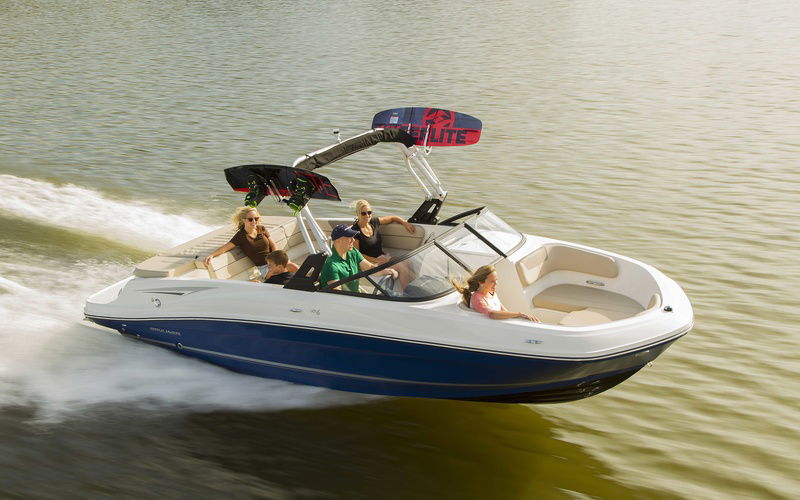
The 2015 Bayliner VR6 Bowrider sits in a very popular category: the family-friendly fiberglass runabout. It’s designed for casual cruising, watersports, day trips, and social boating.
What makes it appealing is the balance of space, simplicity, and affordability. For many buyers, that combination matters more than luxury extras.
Here’s why people still search for this model:
- It offers a roomy bow seating layout for its class.
- It’s often more affordable than many premium-brand bowriders.
- It has enough versatility for tubing, cruising, and anchoring out.
- It’s relatively easy to tow and store compared with larger boats.
For first-time buyers especially, the 2015 Bayliner VR6 Bowrider can feel like a practical middle ground. It gives you enough boat to enjoy weekends on the water without jumping into a more expensive or complicated package.
- The Main Problem Buyers Face: Knowing Whether a Used VR6 Is Worth It
The biggest issue with buying a used 2015 Bayliner VR6 Bowrider is not the model itself. It’s the uncertainty around condition.
Two boats of the same year can have very different lives. One may have been stored indoors, serviced regularly, and used gently. Another may have sat outside, been skipped on maintenance, and taken on more wear than the seller admits.
That’s why buyers often struggle with questions like:
- Is the engine healthy?
- Has the boat been stored properly?
- Are there hidden soft spots, leaks, or upholstery damage?
- Is the trailer in good shape?
- Are the electronics and steering systems functioning correctly?
These are the kinds of concerns that can turn a “good deal” into a costly repair project. The solution is not just looking at the asking price. It’s learning how to inspect the boat like an owner, not just a shopper.
- What the 2015 Bayliner VR6 Bowrider Is Designed to Do Well
The VR6 Bowrider is built for easygoing recreational use. It’s not meant to be a hardcore offshore machine or a high-performance sport boat.
Its strengths are in everyday boating:
- Family cruising on lakes and calm waterways
- Tubing and light watersports
- Sandbar or cove hanging out
- Short day trips with friends
- Casual fishing in fair conditions
The layout usually prioritizes seating and social space. That makes it a strong option for people who want to bring family and friends along instead of just chasing speed.
If your boating style is relaxed and versatile, this model can make a lot of sense.
- Key Features to Pay Attention To
When people evaluate the 2015 Bayliner VR6 Bowrider, they often focus on the brand name first. But the details matter more than the badge.
Here are the main areas worth checking:
- Hull and Deck Condition
Look for cracks, stress marks, repairs, or signs of impact. Small cosmetic scratches are normal, but structural damage is a different story.
- Upholstery and Interior Wear
Seat cushions, stitching, and vinyl condition can tell you how well the boat was cared for. Sun damage is common on boats that were stored uncovered.
- Engine and Drive System
Whether it’s an outboard or sterndrive configuration, the engine should start smoothly, idle cleanly, and shift without hesitation. Maintenance records matter here.
- Electrical System
Test lights, gauges, bilge pump, stereo, and any accessories. Electrical gremlins can be annoying and time-consuming to trace.
- Trailer
A used boat is only as practical as the trailer it sits on. Check tires, bearings, brakes, lights, and frame corrosion.
These areas often reveal more about the boat’s real condition than a polished exterior ever will.
- 2015 Bayliner VR6 Bowrider Buying Tips for a Smarter Inspection
If you’re shopping for a used 2015 Bayliner VR6 Bowrider, a quick walkaround is not enough. You want to inspect it with a simple but structured approach.
Here’s a practical checklist:
1. Ask for service records
Regular oil changes, winterization, impeller replacement, and lower-unit service are all good signs.
2. Inspect the floor and transom
Walk the deck slowly and feel for soft spots. Push gently around the transom area to check for flex.
3. Check for moisture and mildew
A musty smell, damp storage compartments, or visible mold can suggest water intrusion or poor storage.
4. Test everything on the water if possible
A lake test is ideal. Watch how it starts, idles, accelerates, trims, and handles turns.
5. Look at the trailer closely
A neglected trailer can cost real money after purchase. Rust, worn tires, and bad bearings are common issues.
6. Verify hours and use history
Low hours are nice, but maintenance matters more. A 2015 boat with regular care can be better than a low-hour boat that sat neglected.
These steps help you avoid buying a boat based on appearance alone.
- Common Issues Owners Should Watch For
Like any used bowrider, the 2015 Bayliner VR6 Bowrider can show age-related wear. Most of the problems are not unique to Bayliner, but they’re still worth knowing.
Common concerns include:
- Sun-faded or cracked upholstery
- Corrosion on hardware and trailer parts
- Engine maintenance gaps
- Water intrusion around fittings or hardware
- Dirty fuel systems from infrequent use
- Battery issues from poor storage habits
None of these automatically make the boat a bad choice. But they do affect your budget and maintenance plan.
A boat that needs cosmetic work may still be fine. A boat with neglected mechanical systems is a different situation.
- How to Judge Whether the Price Makes Sense
One of the hardest parts of buying a used boat is deciding if the price is fair. With a 2015 Bayliner VR6 Bowrider, condition, engine type, trailer quality, and local market demand all play a role.
A fair price usually reflects:
- Clean maintenance history
- Good upholstery and gelcoat condition
- A trailer in usable shape
- Working electronics and accessories
- No major mechanical issues
A boat may look similar to another listing, but the value can be very different if one has:
- fresh service
- a newer trailer
- upgraded electronics
- indoor storage history
A practical way to think about it is this: pay for condition, not just year and model. The cheapest boat is rarely the least expensive one over time.
- Best Ways to Get More Out of a 2015 Bayliner VR6 Bowrider
If you already own one, the goal shifts from buying smart to enjoying it smartly. The good news is that a few habits can make a big difference in performance, comfort, and resale value.
Here are the most useful ownership tips:
- Keep up with routine maintenance
Change fluids, inspect belts and hoses, and service the engine on schedule.
- Store it properly
A good cover, indoor storage, or at least shaded storage goes a long way in preserving upholstery and finishes.
- Clean it after every trip
Freshwater rinse, wipe-down, and debris removal help prevent long-term wear.
- Protect the vinyl
Use marine-safe cleaners and conditioners to avoid cracking and fading.
- Monitor the trailer
Grease bearings, check tire pressure, and inspect the lights before towing.
- Run the boat regularly
Boats that sit too long often develop fuel and battery problems faster than boats used consistently.
These habits are simple, but they extend the life of the boat and reduce surprise repair bills.
- Is the 2015 Bayliner VR6 Bowrider Good for First-Time Boat Owners?
For many first-time owners, yes, it can be a solid choice.
Why? Because it’s generally approachable. The layout is familiar, the purpose is easy to understand, and the boat is not overly complicated compared with larger or more specialized vessels.
It’s a good fit if you want:
- a family-friendly boat
- manageable towing and storage
- a simple day boat for lakes and calm water
- enough space for friends without moving into a much bigger class
That said, first-time owners should still budget for the full cost of ownership:
- insurance
- fuel
- maintenance
- winterization
- registration
- trailer upkeep
- safety gear
A boat purchase is never just the sticker price. Planning for those extra costs helps avoid stress later.
- When the 2015 Bayliner VR6 Bowrider Might Not Be the Right Fit
Even a popular bowrider isn’t ideal for everyone.
You may want to look elsewhere if you need:
- serious offshore capability
- high-speed performance
- fishing-specific features
- overnight accommodations
- very low-maintenance ownership
The VR6 is best viewed as a recreational day boat. It shines when used for what it was designed to do: easy, social boating on protected waters.
If your boating plans are more specialized, another model may suit you better.
- Practical Solution: Use a Condition-First Buying and Ownership Plan
If you want the simplest path to success with the 2015 Bayliner VR6 Bowrider, use a condition-first strategy.
That means:
- inspect carefully before buying
- prioritize service history over cosmetics
- test the boat in real conditions
- verify the trailer and safety gear
- budget for immediate maintenance after purchase
This approach solves the main problem buyers face: uncertainty.
Instead of guessing whether the boat is “good,” you’re checking the things that actually affect reliability and enjoyment. That makes the decision easier and usually saves money in the long run.
- Final Thoughts on the 2015 Bayliner VR6 Bowrider
The 2015 Bayliner VR6 Bowrider remains a practical, family-friendly option for people who want a versatile runabout without stepping into a more complex or expensive boat. The key is understanding what you’re looking at, since condition matters more than model year alone. A well-kept VR6 can be a fun, capable day boat that handles cruising, tubing, and relaxing on the water with ease.
If you’re shopping for one, inspect the hull, engine, trailer, and upholstery carefully. If you already own one, a little routine maintenance and smart storage will go a long way. Either way, the best results come from treating the boat as a long-term project, not just a weekend purchase. If you want to keep learning, it’s worth exploring maintenance checklists, pre-purchase inspection guides, and basic boating safety resources next.
Specifications
General
Boat Type: Power Boats
Class Type: Bowrider
Specifications
Length: 22.28
Beam: 8.04
Draft: 2.89
Hull Material: GRP
Build
First Built: 2015
Propulsion
Fuel Type: Gas
Engines: 1
Power: 200 HP
Brand: Mercruiser
Accomodation
PROS & CONS
What we appreciated
 Spacious bowrider design ideal for family outings and entertainingReliable Mercruiser engine providing decent power and performanceComfortable seating with quality upholstery and layoutGood storage options for gear and personal itemsAffordable price point for a versatile recreational boat
What we didn’t appreciate
 Limited hull design for rough water performance compared to larger boatsBasic electronics and features in the 2015 model may require upgradesFuel efficiency is average, could be improved with newer engine technologySmaller swim platform compared to newer modelsMaintenance and upkeep can be costly as the boat ages
Upkeep Costs
Fuel: Approximately $1,200 - $2,000 per season depending on usage
Maintenance: Around $500 - $1,000 annually (including engine servicing, hull cleaning, and winterization)
Insurance: Typically $300 - $700 per year
Storage: $500 - $1,500 annually depending on location and storage type (dry or wet slip)
Registration and Taxes: $50 - $200 annually depending on state

Rating
6.8
User
Score
Score
Driveability
Technology
Interior
Design
Similar Boats


MarineBroker
Download now for an immersive boat experience like never before! ⛵✨ Your journey begins with a simple click. 🌊📲
#SetSailSmart #DownloadNow
#SetSailSmart #DownloadNow

Subscribe
Copyright 2017 - 2026, Marinebroker.net, All Rights Reserved