Boat Database » Bayliner VR5 Bowrider Outboard
Bayliner VR5 Bowrider Outboard
Outboard four-stroke, Unleaded, 1x 115 HP
Power Boats 2017 Bayliner VR5 Bowrider Outboard: How to Solve Common Ownership Challenges and Keep It Running Smoothly
If you’re looking into the 2017 Bayliner VR5 Bowrider Outboard, chances are you already know why this boat stands out: it’...
Discover
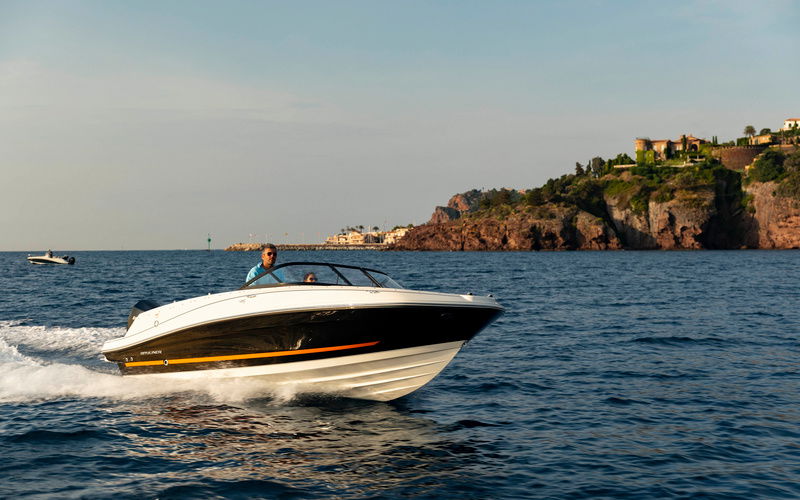


Images have been gathered from various sources and belong to their respective owners.
Review - Bayliner VR5 Bowrider Outboard

MarineBroker
09/16/2024, 3:59 AM
2017 Bayliner VR5 Bowrider Outboard: How to Solve Common Ownership Challenges and Keep It Running Smoothly
If you’re looking into the 2017 Bayliner VR5 Bowrider Outboard, chances are you already know why this boat stands out: it’s a versatile family bowrider with plenty of space, a sporty feel, and the convenience of outboard power. But like any used boat, the real question isn’t just what it offers on paper — it’s how well it fits your actual boating life.
That’s where a lot of owners and buyers run into the same problem: they want a fun, dependable boat, but they’re not always sure what to look for, what to maintain, or what issues to expect with a 2017 model. Used boats can be a great value, but only if you understand the common pain points before they turn into expensive surprises.
The good news? Most of the typical concerns around the 2017 Bayliner VR5 Bowrider Outboard are manageable with a smart inspection routine, a few maintenance habits, and a realistic understanding of how the boat is built and used. In this article, we’ll break down the most common issues, what to check, and practical ways to keep the boat performing well season after season.
- What Makes the 2017 Bayliner VR5 Bowrider Outboard Popular
The VR5 Bowrider is designed for boaters who want a balanced mix of comfort, family-friendly layout, and easy handling. The outboard version adds some practical advantages that appeal to many owners, especially those who want simpler maintenance and more usable cockpit space.
A few reasons this model gets attention:
- Open bow seating for social cruising
- Outboard engine setup for easier access and maintenance
- Good versatility for tubing, cruising, and day trips
- Easy-to-handle size for newer or casual boaters
- Comfortable layout for families and small groups
For many people, the appeal is not just the brand or the year — it’s the overall boating experience. The 2017 Bayliner VR5 Bowrider Outboard offers enough room and flexibility to cover a lot of common weekend uses without feeling intimidating to tow, launch, or dock.
That said, the biggest challenge with any used bowrider is making sure the boat’s condition matches its promise. Cosmetic wear is one thing. Mechanical neglect, water intrusion, or poor maintenance history are another.
- The Main Problem Buyers and Owners Face
The most common problem with a used 2017 Bayliner VR5 Bowrider Outboard is uncertainty.
You may be wondering:
- Has the engine been serviced properly?
- Is the hull in good shape?
- Are there hidden issues from storage or previous use?
- Will the boat need expensive repairs soon?
- Is the model still a good fit for your boating style?
That uncertainty can lead to overpaying, buying a boat that needs more work than expected, or missing warning signs during inspection.
For owners, the problem usually shifts to maintenance consistency. Boats that sit too long, aren’t flushed correctly, or are stored poorly can develop issues that are avoidable. The outboard setup helps, but it doesn’t eliminate the need for regular care.
The solution is to focus on three things:
1. Know the boat’s weak points.
2. Inspect the right systems before buying or each season.
3. Follow a simple maintenance routine that prevents small problems from growing.
- 2017 Bayliner VR5 Bowrider Outboard: What to Check Before Buying
If you’re shopping for a used 2017 Bayliner VR5 Bowrider Outboard, a thorough inspection is your best protection. This model can be a solid choice, but only if it has been cared for properly.
Here’s where to start.
- Hull and Exterior Condition
Look closely at the hull for cracks, stress marks, repairs, or signs of impact. Minor cosmetic scratches are normal, but deeper damage can point to grounding or trailer mishandling.
Pay attention to:
- Gelcoat condition
- Keel wear
- Bottom paint, if applicable
- Evidence of repairs or mismatched finish
- Transom integrity around the outboard mount
The transom is especially important on outboard boats. Any softness, cracking, or movement around the engine mounting area should be treated seriously.
- Engine and Mechanical Health
The outboard is one of the biggest advantages of this setup, but it also deserves careful attention. Ask for service records if available.
Check:
- Engine hours
- Oil condition
- Compression test results, if possible
- Cooling system operation
- Impeller replacement history
- Fuel line condition
- Starting behavior when cold
A clean startup and smooth idle are good signs, but they’re not enough on their own. A boat can run fine in a short test and still have maintenance issues waiting to show up later.
- Electrical System
Electrical problems are common on used boats, especially if the boat has seen moisture, storage exposure, or DIY modifications.
Test:
- Navigation lights
- Bilge pump
- Horn
- Gauges
- Stereo
- Livewell, if equipped
- Battery charging system
Look for corrosion at terminals, loose wiring, or evidence of amateur repairs. Small electrical issues can become frustrating fast, especially when they affect safety gear or starting reliability.
- Upholstery and Interior Wear
The VR5’s seating and layout are part of its appeal, so inspect the interior carefully. Sun exposure, mildew, and general use can take a toll.
Check for:
- Cracked vinyl
- Loose stitching
- Mold or mildew smell
- Soft spots in flooring
- Water stains under seats
- Latch and hinge function
Interior wear is often cosmetic, but it can also hint at how the boat was stored. A boat with faded vinyl and a clean engine room may still be fine, but a boat with interior damage and poor service records deserves extra caution.
- Trailering and Storage Clues
A lot of a boat’s history can be read from the trailer and storage condition.
Look for:
- Rust on trailer components
- Tire age and condition
- Winch and bunk wear
- Evidence of uneven loading
- Corrosion on hardware
- Signs the boat sat uncovered for long periods
If the trailer is part of the deal, it needs to be safe and roadworthy. A neglected trailer can turn a good boat into a headache before you even reach the ramp.
- Common 2017 Bayliner VR5 Bowrider Outboard Issues to Watch For
Every used boat has patterns. The goal isn’t to expect disaster — it’s to know where to look.
Some of the more common issues owners may encounter include:
- Corrosion on hardware or electrical connections
- Upholstery fading and cracking from sun exposure
- Battery drain from poor storage habits
- Cooling system wear from skipped maintenance
- Fuel system problems from old fuel or contaminated lines
- Transom stress if the boat has seen heavy use or improper trailering
None of these automatically mean the boat is a bad buy. But they do mean you should budget for maintenance and inspect carefully.
A boat that has been used regularly and serviced well is often a better bet than a boat that “looks new” but has no records and little real history.
- How to Solve the Biggest Ownership Problem: Preventive Maintenance
The best way to avoid trouble with the 2017 Bayliner VR5 Bowrider Outboard is to stay ahead of maintenance. That’s the practical solution most experienced boaters rely on.
Think of it this way: boats don’t usually fail all at once. They tend to send warning signs.
A simple maintenance routine can save you a lot of time and money.
- After Every Trip
Even short outings can create wear if you skip the basics.
Do this after each use:
- Flush the outboard with fresh water if used in salt or brackish water
- Rinse the exterior and hardware
- Remove trash and moisture from the cockpit
- Inspect the propeller for line, dings, or debris
- Check the bilge for water or fuel odor
This routine only takes a few minutes, but it makes a big difference in long-term reliability.
- Monthly or Every Few Outings
For active owners, a monthly check is smart.
Inspect:
- Battery voltage and terminals
- Fuel lines and clamps
- Steering response
- Trim and tilt operation
- Seat hardware and latches
- Navigation lights and switches
If something feels off, don’t wait until the next big weekend trip to deal with it. Small fixes are usually cheaper and easier.
- Seasonal Maintenance
Before the season starts, give the boat a more detailed review.
Include:
- Engine oil and filter changes, if due
- Gearcase oil check
- Impeller inspection
- Battery testing
- Fuel system inspection
- Trailer bearing and tire check
- Safety gear inventory
- Hull cleaning and wax
If you boat in colder climates, winterization matters even more. Proper storage is one of the biggest factors in whether a used boat stays reliable year after year.
- Why the Outboard Setup Helps
One reason the 2017 Bayliner VR5 Bowrider Outboard is attractive to many boaters is the outboard engine configuration itself. Compared with some inboard or sterndrive setups, outboards are often easier to access, maintain, and service.
Benefits include:
- Easier engine access for inspection
- Better use of cockpit space
- Simpler winterization in many cases
- Easier replacement or repowering down the road
- Less complexity in some maintenance areas
That doesn’t mean outboards are maintenance-free. They still need attention to fuel quality, cooling, lubrication, and corrosion prevention. But for many owners, the setup makes routine care more manageable.
- Best Practices for Buying a Used 2017 Bayliner VR5 Bowrider Outboard
If you’re shopping for one, the smartest move is to treat the process like a checklist, not a quick decision.
Here’s a good approach:
1. Review service records.
2. Inspect the boat in daylight.
3. Test every system.
4. Take a water test if possible.
5. Check the trailer.
6. Look for storage and maintenance clues.
7. Budget for immediate service after purchase.
A sea trial is especially useful. It tells you more than a dockside inspection ever will. Pay attention to how the boat planes, turns, idles, and accelerates. Listen for unusual vibration or hesitation.
Also, don’t overlook paperwork. Registration, title, maintenance receipts, and engine documentation can tell you a lot about the boat’s real history.
- How to Keep the 2017 Bayliner VR5 Bowrider Outboard Feeling Like a Great Buy
If you already own this boat, the goal is to protect your investment and keep the experience enjoyable. The good news is that the VR5 is the kind of boat that rewards simple, consistent care.
A few habits go a long way:
- Store it covered when possible
- Keep the battery charged
- Use fresh fuel and stabilizer if the boat sits
- Clean and dry the interior regularly
- Address corrosion early
- Service the engine on schedule
- Inspect the trailer before every tow
You don’t need to be a mechanic to stay ahead of most problems. You just need a routine and the discipline to follow it.
For families and casual boaters, that’s often the difference between a boat that becomes a burden and one that stays fun to own.
- Is the 2017 Bayliner VR5 Bowrider Outboard Still a Good Choice?
For the right buyer, yes. The 2017 Bayliner VR5 Bowrider Outboard can still be a very practical and enjoyable boat, especially if you want a roomy bowrider with outboard simplicity and broad recreational appeal.
It’s a good fit if you want:
- A family-friendly layout
- Easy day boating
- A boat that’s manageable to tow and launch
- A used model with solid value potential
- A setup that’s easier to inspect and service than some alternatives
It may not be the best choice if you want a high-performance ride, premium luxury finishes, or a boat with minimal upkeep. Like most boats in this class, it’s all about matching expectations to reality.
If you go in with a careful inspection mindset and a maintenance plan, it can be a very satisfying ownership experience.
- Conclusion
The 2017 Bayliner VR5 Bowrider Outboard is appealing because it offers a practical mix of space, versatility, and outboard convenience. The main challenge for buyers and owners is not the boat’s concept — it’s making sure the condition, service history, and upkeep match the value you expect.
By checking the hull, engine, electrical system, and trailer carefully, you can avoid most common surprises. Once you own it, simple habits like flushing the engine, inspecting the battery, and storing the boat properly will go a long way.
If you’re considering this model, take your time, use a checklist, and focus on condition over appearance. A well-maintained boat is always the better deal.
Specifications
General
Boat Type: Power Boats
Class Type: Bowrider
Specifications
Length: 20.31
Beam: 7.97
Draft: 2.76
Hull Material: GRP
Build
First Built: 2017
Propulsion
Fuel Type: Unleaded
Engines: 1
Power: 115 HP
Brand: Mercury
Accomodation
PROS & CONS
What we appreciated
 Spacious bowrider design providing ample seating for family and friendsReliable outboard engine offering good performance and ease of maintenanceVersatile boat suitable for both cruising and water sportsCompact size making it easy to trailer and storeAffordable price point compared to similar models in its class
What we didn’t appreciate
 Limited storage space for longer tripsBasic interior and features compared to newer modelsMay have less powerful engine options depending on configurationRide can be rough in choppy water due to smaller hull sizeMinimal shade or protection from the elements without adding accessories
Upkeep Costs
Fuel: Approximately $1,200 - $1,800 per year depending on usage
Maintenance and Repairs: $500 - $1,000 annually
Insurance: $300 - $600 per year
Storage: $500 - $1,200 annually (varies by location and type of storage)
Registration and Taxes: $100 - $300 per year

Rating
7.1
User
Score
Score
Driveability
Technology
Interior
Design
Similar Boats


MarineBroker
Download now for an immersive boat experience like never before! ⛵✨ Your journey begins with a simple click. 🌊📲
#SetSailSmart #DownloadNow
#SetSailSmart #DownloadNow

Subscribe
Copyright 2017 - 2026, Marinebroker.net, All Rights Reserved