Boat Database » Bayliner Element CC6
Bayliner Element CC6
Outboard four-stroke, Unleaded, 1x 80 HP
Power Boats 2016 Bayliner Element CC6: What to Know Before You Buy, Own, or Upgrade This Compact Center Console
If you’ve been searching for information on the 2016 Bayliner Element CC6, you’re probably trying to figure out whether it’s the ...
Discover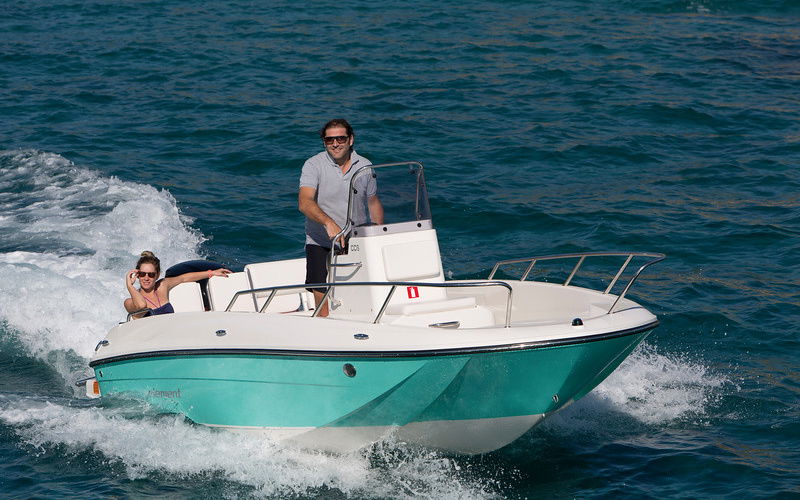

Images have been gathered from various sources and belong to their respective owners.
Review - Bayliner Element CC6

MarineBroker
09/16/2024, 9:44 AM
2016 Bayliner Element CC6: What to Know Before You Buy, Own, or Upgrade This Compact Center Console
If you’ve been searching for information on the 2016 Bayliner Element CC6, you’re probably trying to figure out whether it’s the right boat for your kind of boating. That’s a smart question to ask. A boat can look perfect on paper, but once you factor in family outings, fishing trips, storage space, towing limits, and maintenance costs, the real picture starts to change.
The 2016 Bayliner Element CC6 is one of those boats that gets a lot of attention because it sits in a very practical sweet spot: small enough to be manageable, but open enough to be versatile. For first-time owners, casual anglers, or families who want a simple day boat, that combination can be appealing. But like any compact center console, it also comes with trade-offs.
The main problem many buyers face is not finding a boat — it’s finding the right balance between comfort, performance, and usability. In this article, we’ll break down what makes the CC6 worth considering, where it may fall short, and how to get the most out of it if you already own one.
- What Makes the 2016 Bayliner Element CC6 Stand Out
The 2016 Bayliner Element CC6 belongs to Bayliner’s Element series, which was designed to make boating simpler and more approachable. Instead of trying to be everything at once, it focuses on easy handling, open deck space, and a layout that works well for short trips and casual use.
This model is a compact center console, which means it gives you better visibility and easier movement around the boat than many traditional runabouts. That’s especially helpful for fishing, docking, and family boating where people are moving around a lot.
A few of the main reasons people look at this boat include:
- Simple, open layout
- Easy trailering and launching
- Lower operating costs compared with larger boats
- Good fit for inland lakes, bays, and calm coastal waters
- Straightforward maintenance for new owners
For many boaters, that combination is exactly what they need. The challenge is understanding what the boat does well and where it is best left to more experienced or more specialized boats.
- Common Buyer Problem: “Will This Boat Actually Fit My Lifestyle?”
This is the big question behind almost every boat purchase. The 2016 Bayliner Element CC6 is not a luxury cruiser, and it’s not a hardcore offshore fishing machine. It’s built for practical use, which means it shines when your boating style is simple and relaxed.
If you’re trying to decide whether it fits your lifestyle, ask yourself:
- Do you usually boat with a small group?
- Are you mostly on lakes, rivers, or protected coastal water?
- Do you want a boat that’s easy to trailer and store?
- Are you looking for a low-stress ownership experience?
- Do you prefer day trips over overnight stays?
If you answered yes to most of those, the CC6 may be a solid match. If your boating goals involve long-range offshore trips, lots of gear, or large groups, you may want to look at a larger platform.
The solution here is not just choosing the boat — it’s matching the boat to how you actually use the water.
- 2016 Bayliner Element CC6 Layout and Usability
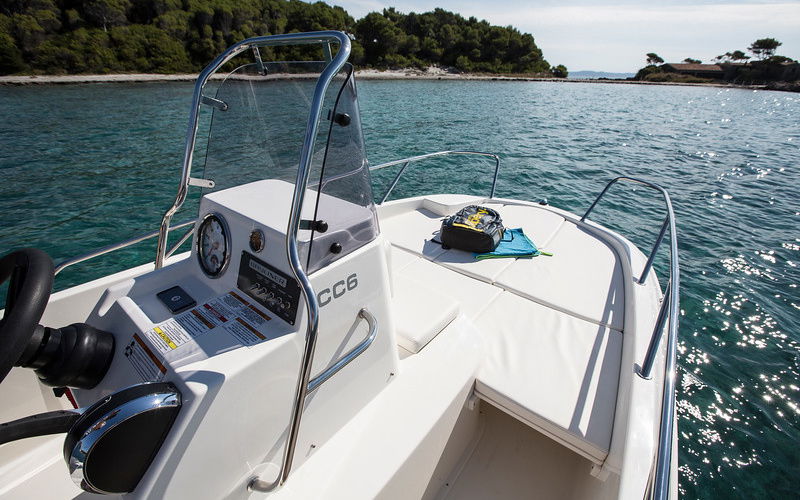
One of the strongest points of the 2016 Bayliner Element CC6 is its layout. The center console arrangement creates a 360-degree walkaround feel, which is useful whether you’re casting lines, anchoring, or helping kids move safely around the deck.
Because the boat is compact, space management matters. That’s not necessarily a downside. In fact, for a lot of owners, it makes the boat easier to keep organized and less cluttered.
What the layout does well:
- Gives the captain a clear view ahead and around the boat
- Makes it easier to move from bow to stern
- Supports casual fishing and family cruising
- Keeps the cockpit open and functional
Where owners may notice limits:
- Less room for large coolers and bulky gear
- Limited storage compared with bigger center consoles
- Smaller seating footprint
- Less protection from weather than a cabin boat
A good way to think about it is this: the CC6 is designed to be efficient, not oversized. If you pack and plan smartly, it can feel surprisingly versatile.
- Performance Expectations for the 2016 Bayliner Element CC6
Performance is another area where realistic expectations matter. The 2016 Bayliner Element CC6 is generally appreciated for being manageable and easy to operate rather than aggressively fast or powerful.
For many buyers, that’s a benefit. A smaller boat with sensible performance is often easier for newer boaters to handle, especially when docking, trailering, or learning to read water conditions.
What to expect from a boat in this class:
- Comfortable cruising at moderate speeds
- Responsive handling in calm to moderate water
- Easier towing than larger center consoles
- Lower fuel burn than heavier boats with bigger engines
What it’s not built for:
- Heavy offshore chop
- High-speed performance expectations
- Carrying maximum load while still feeling nimble
If you’re choosing between “more power” and “more ease,” the CC6 usually leans toward ease. That makes it a good match for people who want confidence more than raw speed.
- Best Use Cases for the 2016 Bayliner Element CC6
The best way to judge this boat is by thinking about how it will be used. In the right setting, the 2016 Bayliner Element CC6 can be a very practical and enjoyable boat.
It tends to work well for:
- Family outings on calm water
- Light fishing trips
- Sandbar runs
- Short coastal hops in protected areas
- First-time boat ownership
- Weekend cruising with a few friends
It may be less ideal for:
- Serious offshore fishing
- Frequent overnight trips
- Large-group entertaining
- Heavy-duty gear hauling
- Rough-water boating
This is where many buyers solve their own problem by narrowing the mission. Once you know whether you want a fishing-first boat, a family-first boat, or a simple all-around day boat, the decision becomes much easier.
- What New Owners Often Underestimate
A lot of people shopping for the 2016 Bayliner Element CC6 focus on the purchase price and forget the day-to-day realities of ownership. That’s where problems can show up later.
Common things new owners underestimate include:
- Trailer size and storage requirements
- Cleaning time after saltwater use
- Fuel, oil, and maintenance costs
- The need for proper safety gear
- Weather limitations on a smaller open boat
- How quickly space fills up once passengers and gear are onboard
The solution is planning ahead. Before buying or using the boat regularly, make a simple checklist of what you’ll need:
1. Life jackets for everyone onboard
2. Anchor and line
3. Fenders and dock lines
4. Basic tool kit
5. Bilge and battery checks
6. Navigation lights and horn
7. First aid kit
8. Cooler and dry storage plan
When owners prepare for the practical side of boating, the experience becomes a lot smoother and more enjoyable.
- How to Get the Most from a 2016 Bayliner Element CC6
If you already own the boat, the good news is that a few smart habits can make a big difference. The 2016 Bayliner Element CC6 is the kind of boat that rewards simple, consistent care.
Here are a few ways to get more value from it:
- Keep weight balanced. Don’t overload one side or crowd the bow.
- Use quality covers. Protection from sun and rain helps preserve upholstery and hardware.
- Rinse after use. Especially important after saltwater trips.
- Check the battery regularly. Small boats rely on reliable starting power.
- Inspect the trailer. Tires, bearings, lights, and bunks need attention.
- Store gear efficiently. Use soft bags and stackable containers to reduce clutter.
A well-kept compact boat often feels bigger and better than a neglected larger one. That’s because organization and maintenance directly affect how enjoyable the boat feels on the water.
- Buying Used: What to Inspect on a 2016 Bayliner Element CC6
Since this model is from 2016, many people reading about it are likely considering a used purchase. That makes inspection especially important. A used center console can be a great value, but only if you know what to check.
Pay close attention to:
- Hull condition: Look for cracks, repairs, and signs of impact
- Transom integrity: Important for safety and performance
- Engine hours and service history: Maintenance records matter
- Electrical system: Lights, switches, gauges, and battery performance
- Steering and throttle response: Should feel smooth and predictable
- Trailer condition: Often overlooked, but critical for safe transport
- Upholstery and deck wear: Sun damage can hint at overall care level
If possible, take the boat for a sea trial. That gives you a better sense of how the engine runs, how the boat handles, and whether anything feels off.
A marine survey can also be a smart move if you’re serious about buying. Spending a little up front can save a lot later.
- Maintenance Tips That Help This Boat Stay Reliable
The 2016 Bayliner Element CC6 is easier to maintain than many larger boats, but it still needs routine care. Small boats can develop small problems quickly if they’re ignored.
A simple maintenance routine can include:
- Flush the engine after saltwater use
- Check fuel lines and clamps regularly
- Keep the battery charged and terminals clean
- Inspect the propeller for dings or fishing line
- Clean and protect vinyl seats
- Lubricate moving parts as recommended
- Watch for water intrusion in storage compartments
If you’re a hands-on owner, this boat is fairly approachable. If you prefer to have a shop handle everything, the simpler design still helps keep service more manageable.
The key is consistency. Boats don’t usually fail all at once — they wear down through small issues that pile up.
- Is the 2016 Bayliner Element CC6 Good for Families?
For the right family, yes. The 2016 Bayliner Element CC6 can work well for casual family boating, especially if your outings are short, relaxed, and centered around fun rather than long-distance travel.
Families often appreciate:
- Open deck space
- Easy boarding and movement
- Good visibility from the helm
- Simple operation
- Manageable size for trailering and storage
The main limitation is space. If you have a big family or you like bringing lots of gear, you may wish for more room. Still, for smaller families or couples with kids, the CC6 can be a practical way to get on the water without overcomplicating things.
If safety is your top concern, make sure everyone has properly fitted life jackets and that passengers know basic boating etiquette before heading out.
- Is It a Good First Boat?
This is one of the strongest use cases for the 2016 Bayliner Element CC6. For many new owners, the boat’s size and simplicity make it less intimidating than larger center consoles or heavier cruisers.
Why it works well as a first boat:
- Easier to launch and retrieve
- Simpler controls and layout
- Lower operating costs
- Less stressful to dock and maneuver
- Easier to learn maintenance basics
Of course, first-time owners still need to learn the fundamentals of boating, including weather awareness, navigation rules, and safe loading. But the boat itself doesn’t add unnecessary complexity.
If your goal is to learn boating without feeling overwhelmed, this model can be a sensible starting point.
- Who Should Look Elsewhere?
Not every boat is right for every boater, and that’s okay. The 2016 Bayliner Element CC6 is practical, but it won’t satisfy everyone.
You may want a different boat if you need:
- More seating for larger groups
- A cabin or enclosed helm
- Better offshore capability
- More storage for fishing gear or watersports equipment
- A larger fuel tank for longer range
- A boat with more luxury features
The important thing is to be honest about your boating style. Buying a boat that’s “almost right” can lead to frustration. Buying one that matches your real needs makes boating more fun from day one.
- Final Thoughts on Choosing the 2016 Bayliner Element CC6
The 2016 Bayliner Element CC6 is a practical, approachable center console that makes sense for casual boaters, first-time owners, and small families who want simple days on the water. Its strengths are easy handling, open layout, and manageable ownership costs. Its limits are mostly about size, storage, and rough-water capability.
If your boating life is mostly about relaxed outings, light fishing, and uncomplicated fun, this boat can fit well. The best solution is to match the boat to your actual habits, inspect carefully if buying used, and keep up with routine maintenance. Do that, and the CC6 can be a solid, enjoyable part of your time on the water.
If you want to keep researching, compare it with similar compact center consoles and make a checklist of your must-have features before deciding.
Specifications
General
Boat Type: Power Boats
Class Type: Centre Console
Specifications
Length: 19.72
Beam: 7.28
Draft: 0.98
Hull Material: GRP
Build
First Built: 2016
Propulsion
Fuel Type: Unleaded
Engines: 1
Power: 80 HP
Brand: Mercury
Accomodation
PROS & CONS
What we appreciated
 Affordable price point for a center console boatCompact size makes it easy to trailer and maneuverVersatile for various activities like fishing, watersports, and cruisingSimple, user-friendly layout ideal for beginnersGood fuel efficiency with smaller outboard engines
What we didn’t appreciate
 Limited seating capacity compared to larger boatsBasic features with minimal luxury or advanced electronicsSmaller hull may offer a rougher ride in choppy waterLimited storage space for gear and equipmentNot ideal for long-distance cruising or overnight trips
Upkeep Costs
Fuel: Approximately $500 - $1,000 per season depending on usage
Maintenance: Around $300 - $600 annually for engine and hull upkeep
Insurance: Typically $200 - $400 per year
Storage: $500 - $1,200 annually depending on location and type (dry storage vs marina slip)
Registration and Taxes: $50 - $150 per year depending on state
Rating
6.1
User
Score
Score
Driveability
Technology
Interior
Design
Similar Boats


MarineBroker
Download now for an immersive boat experience like never before! ⛵✨ Your journey begins with a simple click. 🌊📲
#SetSailSmart #DownloadNow
#SetSailSmart #DownloadNow

Subscribe
Copyright 2017 - 2026, Marinebroker.net, All Rights Reserved