2005 Bayliner 325 Cruiser: What Buyers and Owners Should Know Before You Set Sail
If you’re looking into a 2005 Bayliner 325 Cruiser, chances are you’re trying to figure out whether it’s the right boat for your plans, budget, and...
Discover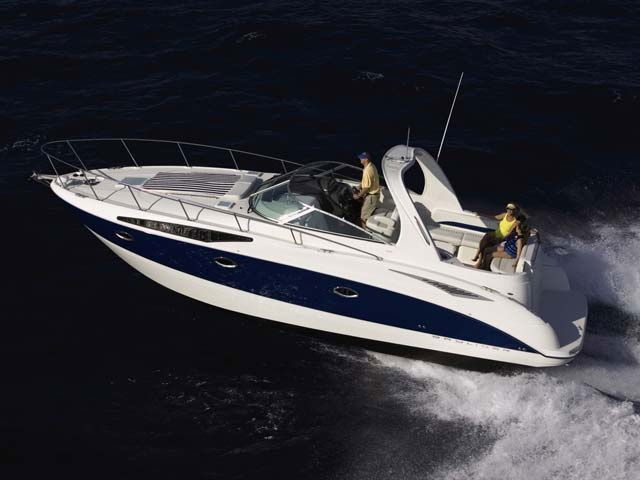
Images have been gathered from various sources and belong to their respective owners.
Review - Bayliner 325 Cruiser

MarineBroker
09/18/2024, 7:20 AM
2005 Bayliner 325 Cruiser: What Buyers and Owners Should Know Before You Set Sail
If you’re looking into a 2005 Bayliner 325 Cruiser, chances are you’re trying to figure out whether it’s the right boat for your plans, budget, and comfort level on the water. That’s a smart place to start. A cruiser this size can be a lot of fun, but it can also bring up the usual questions: Is it roomy enough for weekends away? What should you watch for in an older model? How much maintenance is normal? And, maybe most importantly, how do you avoid buying a boat that looks good on paper but turns into a headache later?
That’s the real challenge with boats like the 2005 Bayliner 325 Cruiser. On the surface, it offers a lot of value: a practical layout, family-friendly space, and the kind of versatility that appeals to both new and experienced boaters. But with any 20-year-old cruiser, the difference between a great purchase and an expensive mistake usually comes down to knowing what to inspect, what to expect, and how to plan ahead.
In this article, we’ll break down the common concerns, the most useful things to check, and the practical steps that can help you enjoy the boat with fewer surprises.
- Why the 2005 Bayliner 325 Cruiser still gets attention
- Common issues to look for in an older cruiser
- How to evaluate the boat before buying or using it
- Maintenance and ownership tips that actually matter
- When the 2005 Bayliner 325 Cruiser makes sense for your boating style
- Why the 2005 Bayliner 325 Cruiser Still Gets Attention
The 2005 Bayliner 325 Cruiser sits in a sweet spot for many boaters. It’s large enough to feel like a real overnight cruiser, but not so massive that it becomes intimidating or wildly expensive to manage compared with bigger yachts.
Bayliner has long been known for building boats that aim to be accessible and practical. That matters because many owners want a boat that’s easy to understand, comfortable for family use, and not overly complicated to operate.
For people shopping used, the appeal usually comes down to a few things:
- A usable cabin layout for weekend trips
- Enough cockpit space for relaxing and entertaining
- A size that works for coastal cruising, lakes, and protected waters
- A price point that may be lower than some premium-brand alternatives
In other words, the 2005 Bayliner 325 Cruiser often attracts buyers who want a capable family cruiser without jumping into the highest end of the market.
That said, the age of the boat is the big factor. A well-kept example can still be a solid choice. A neglected one can become a project fast.
- The Main Problem: Buying or Owning an Older Cruiser Without a Clear Inspection Plan
The biggest issue for most people interested in a 2005 Bayliner 325 Cruiser is not the model itself. It’s the uncertainty that comes with any older used boat.
A cruiser can look clean on the outside and still have hidden problems underneath. Water intrusion, worn mechanical systems, outdated electronics, and aging upholstery can all turn into expensive repairs if they’re missed early.
This is where many buyers get stuck:
- They focus too much on appearance
- They underestimate maintenance costs
- They don’t inspect the engines and systems carefully
- They assume “runs fine” means “problem-free”
That’s not how used boats usually work.
The practical solution is simple: treat the boat like a system, not just a hull. You want to evaluate the structure, propulsion, electrical setup, plumbing, interior condition, and service history together. That gives you a much better picture of what ownership will really look like.
- What to Inspect on a 2005 Bayliner 325 Cruiser
If you’re considering a 2005 Bayliner 325 Cruiser, a detailed inspection is one of the smartest things you can do. Even if you’re not a technical expert, knowing where the common trouble spots are helps a lot.
- Hull and Deck Condition
Start with the basics. Look closely at the hull, deck, and around any fittings or hardware.
Check for:
- Cracks around windows, rails, cleats, and hatches
- Soft spots in the deck
- Signs of water intrusion around fittings
- Gelcoat wear, blistering, or repairs
- Evidence of past grounding or impact
A boat can still be perfectly usable with cosmetic wear, but structural issues are a different story. Soft deck areas or leaks around hardware should always be taken seriously.
- Engines and Drive Systems
The mechanical condition matters more than almost anything else. On a cruiser like this, engine health can make or break the ownership experience.
Look for:
- Service records
- Starting behavior when cold and warm
- Smooth idle and acceleration
- Unusual smoke, vibration, or noise
- Signs of oil leaks or coolant issues
- Corrosion on components and wiring
- Condition of belts, hoses, and clamps
If the boat has been sitting for long periods, be extra cautious. Boats that don’t run regularly can develop issues that don’t show up in a quick dockside demo.
A sea trial is ideal because it lets you see how the engines behave under load, not just at idle.
- Electrical System
Electrical problems are common on older boats, especially when previous owners have added accessories over the years.
Inspect for:
- Clean battery terminals
- Properly labeled wiring
- Working gauges and switches
- Corrosion in panels or connectors
- Chargers, shore power, and breaker function
- Any signs of amateur repairs
Messy wiring is not always a dealbreaker, but it can be a sign that future troubleshooting will be frustrating. A clean, organized electrical system makes ownership much easier.
- Plumbing and Head Systems
Cruisers depend on plumbing more than smaller boats, so this area deserves attention.
Check:
- Freshwater pump operation
- Sink and shower drains
- Holding tank function
- Toilet operation
- Water leaks under sinks or in the bilge
- Odors that could suggest hidden plumbing issues
A small leak can become a bigger problem if it’s left alone. Moisture in the wrong places can also lead to mold, odors, and interior damage.
- Cabin and Upholstery
The interior of a 2005 model may show wear even if the boat has been cared for.
Look for:
- Stained or torn upholstery
- Mold or mildew
- Water damage on panels or cushions
- Musty smells
- Loose trim or damaged cabinetry
Interior condition matters more than just comfort. It often tells you how well the boat has been maintained overall.
- Common Issues Owners Should Expect
Every used boat has its quirks, and the 2005 Bayliner 325 Cruiser is no exception. The goal is not to expect perfection. The goal is to know what’s normal versus what’s a warning sign.
Some common age-related issues may include:
- Worn canvas or enclosure materials
- Aging seals and gaskets
- Corrosion on metal fittings
- Old batteries or charging problems
- Outdated electronics
- Upholstery wear
- Pump failures in bilge or head systems
None of these automatically make the boat a bad choice. In fact, many of them are simply part of owning an older cruiser. The key is budgeting for replacement and knowing which items need attention right away.
One of the most practical ownership strategies is to create a “first season” checklist. That way, you’re not trying to fix everything at once.
A smart first-season list might include:
1. Replace old batteries if needed
2. Service engines and drives
3. Inspect all hoses and clamps
4. Test pumps and electrical systems
5. Clean and seal any problem areas
6. Replace worn canvas or safety gear
7. Update navigation equipment if necessary
This keeps the boat reliable without overwhelming you.
- How to Judge Whether the 2005 Bayliner 325 Cruiser Is a Good Fit
The 2005 Bayliner 325 Cruiser is a good match for some boaters and less ideal for others. A lot depends on how you plan to use it.
It may be a strong fit if you want:
- Weekend cruising with family or friends
- A boat with a cabin for overnight stays
- A manageable size for learning and ownership
- A used cruiser with practical comfort features
- A boat that balances value and space
It may be less ideal if you want:
- A very high-end luxury finish
- Minimal maintenance obligations
- Newest-generation electronics and systems
- A boat for frequent rough-water use without upgrades
- Maximum speed or performance
This is where expectations matter. If you’re buying a used cruiser because you want a comfortable, versatile boat and you’re okay with normal maintenance, it can make a lot of sense. If you want a turn-key, no-drama experience with zero projects, a newer boat may be a better fit.
- Maintenance Tips That Make Ownership Easier
The easiest way to protect your investment is to stay ahead of problems. That’s especially true for an older boat like the 2005 Bayliner 325 Cruiser.
- Stick to a Service Schedule
Regular maintenance is the difference between a reliable cruiser and a constant repair list.
Focus on:
- Oil and filter changes
- Fuel system inspection
- Drive service
- Cooling system checks
- Battery testing
- Pump and hose inspection
- Bottom cleaning and antifouling as needed
Even if the boat only sees seasonal use, annual servicing is still important.
- Keep Water Out
Water is one of the biggest enemies of older boats. Once it gets where it shouldn’t, it can damage wood, wiring, upholstery, and structural materials.
To reduce risk:
- Re-seal fittings when needed
- Keep hatches and canvas in good condition
- Inspect windows and portlights
- Clear drains regularly
- Fix leaks quickly
A little prevention goes a long way here.
- Protect the Interior
Interior wear is common, but it can be slowed down.
Helpful habits include:
- Ventilate the cabin after use
- Use moisture absorbers when stored
- Clean upholstery regularly
- Avoid leaving damp gear inside
- Cover the boat properly during storage
This helps keep odors, mildew, and sun damage under control.
- Don’t Ignore Small Mechanical Changes
Boats often give warning signs before something fails. A new vibration, harder starting, unusual smell, or change in temperature should always be checked.
Catching small problems early usually costs less than waiting until the system fails completely.
- Why a Survey and Sea Trial Matter So Much
If you’re serious about a 2005 Bayliner 325 Cruiser, a professional survey is one of the best investments you can make.
A survey can help you identify:
- Structural concerns
- Moisture intrusion
- Engine and drive condition
- Safety issues
- Electrical or plumbing problems
- Signs of poor maintenance
A sea trial adds another layer of confidence. It shows how the boat behaves underway, how it shifts, accelerates, and handles real conditions.
Even if you’re experienced around boats, a trained marine surveyor can spot issues that are easy to miss.
Think of it this way: paying for a proper inspection is usually far cheaper than discovering major problems after the purchase.
- Budgeting for Real-World Ownership
One of the most common mistakes buyers make is underestimating the true cost of owning a cruiser.
With a 2005 Bayliner 325 Cruiser, your budget should include more than just the purchase price.
Plan for:
- Routine engine and drive service
- Bottom cleaning and paint
- Insurance
- Docking or storage fees
- Fuel
- Winterization or seasonal prep
- Repairs for age-related wear
- Safety gear replacement
A good rule of thumb is to leave a cushion in your budget for unexpected items. Older boats are often more affordable to buy, but they may need more attention after the sale.
That doesn’t mean they’re a bad value. It just means the real cost of ownership includes upkeep.
- Practical Buying Tips for First-Time Cruiser Shoppers
If this is your first time looking at a boat like the 2005 Bayliner 325 Cruiser, keep your process simple and methodical.
Here are a few tips that help:
- Compare multiple listings before deciding
- Ask for maintenance records
- Look beyond cosmetic upgrades
- Test every system onboard
- Verify engine hours and service history
- Bring someone knowledgeable if possible
- Don’t rush the decision
A clean-looking boat with no records should always raise questions. A boat with honest wear but documented care can often be the better buy.
Also, don’t let a fresh wax job or new cushions distract you from the important stuff. Cosmetics are easy to improve. Mechanical or structural issues are not.
- When the 2005 Bayliner 325 Cruiser Makes the Most Sense
This model makes the most sense for buyers who want a comfortable used cruiser and are willing to stay on top of maintenance.
It’s especially appealing if you value:
- Practical space
- Family-friendly cruising
- Overnight capability
- A relatively approachable used-boat price
- A boat that can be improved over time
For the right owner, the 2005 Bayliner 325 Cruiser can offer a lot of boating enjoyment without pushing into the complexity of larger yachts. The key is going in with realistic expectations and a clear inspection plan.
- Conclusion
The 2005 Bayliner 325 Cruiser can be a smart choice for boaters who want a capable, comfortable cruiser with good space and practical value. The main challenge is not whether the boat has potential, but whether it has been maintained well enough to deliver a smooth ownership experience. By checking the hull, engines, electrical system, plumbing, and interior carefully, you can avoid most of the common surprises that come with older boats.
If you’re considering one, focus on inspection, service history, and real-world condition rather than looks alone. A well-cared-for example can still be a great weekend cruiser and a solid value. If you want to keep learning, a professional survey, a sea trial, and a detailed maintenance plan are the best next steps.
Specifications
General
Boat Type: Power Boats
Class Type: Cruiser
Specifications
Length: 34.78
Beam: 11.52
Draft: 2.17
Hull Material: GRP
Build
First Built: 2005
Propulsion
Fuel Type: Gas
Engines: 1
Power: 0 HP
Brand: Unknown
Accomodation
PROS & CONS
What we appreciated
 Spacious cabin with comfortable sleeping arrangements for extended tripsGood-sized cockpit suitable for socializing and entertainingTwin engines provide reliable performance and better maneuverabilityWell-equipped helm with user-friendly controls and instrumentationAmple storage throughout the boat for gear and supplies
What we didn’t appreciate
 Older model may require more maintenance and upkeepFuel efficiency is moderate due to twin engines and boat sizeLimited headroom in the cabin for taller individualsSome interior materials may show wear or require updatingNot ideal for rough sea conditions due to hull design
Upkeep Costs
Insurance: $1,000 - $1,500 per year
Maintenance: $1,500 - $3,000 per year
Fuel: $3,000 - $5,000 per year (depending on usage)
Storage: $1,200 - $3,600 per year (marina slip or winter storage)
Registration and Taxes: $100 - $300 per year

Rating
6.5
User
Score
Score
Driveability
Technology
Interior
Design
Similar Boats


MarineBroker
Download now for an immersive boat experience like never before! ⛵✨ Your journey begins with a simple click. 🌊📲
#SetSailSmart #DownloadNow
#SetSailSmart #DownloadNow

Subscribe
Copyright 2017 - 2026, Marinebroker.net, All Rights Reserved