2007 Aqualum 35: What to Know Before You Buy, Inspect, or Cruise One
The 2007 Aqualum 35 is one of those boats that tends to catch attention for all the right reasons. It has the kind of layout many cruising boat buyers want: eno...
Discover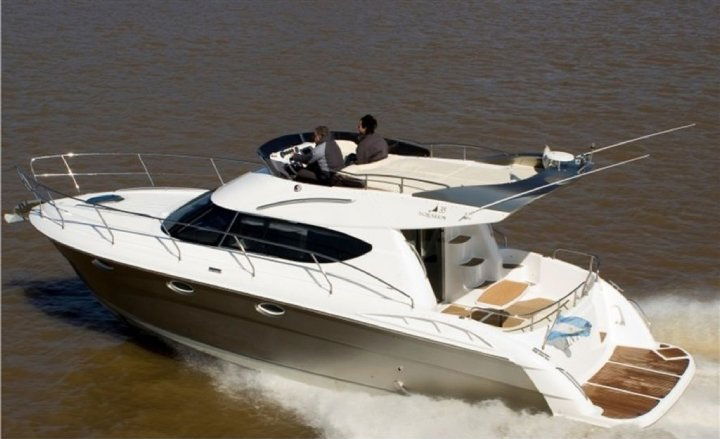

Images have been gathered from various sources and belong to their respective owners.
Review - Aqualum 35

MarineBroker
03/21/2024, 4:51 PM
2007 Aqualum 35: What to Know Before You Buy, Inspect, or Cruise One
The 2007 Aqualum 35 is one of those boats that tends to catch attention for all the right reasons. It has the kind of layout many cruising boat buyers want: enough space to relax, practical cabin accommodation, and a design that can work well for coastal trips, weekends away, or longer stays aboard. But like any used boat, especially one of this age, the real question is not just whether it looks good on paper. It’s whether it still performs well, what to check before committing, and how to avoid expensive surprises after the purchase.
That’s where most buyers run into trouble. A boat may appear clean and well-kept, but hidden maintenance issues, outdated systems, or wear in key areas can quickly turn a great-looking listing into a costly project. The good news is that these problems are usually manageable if you know what to look for. In this article, we’ll walk through the main things buyers should understand about the 2007 Aqualum 35, the most common issues to inspect, and the practical steps that can help you make a smarter decision with confidence.
- What Makes the 2007 Aqualum 35 Worth Considering
The 2007 Aqualum 35 appeals to buyers who want a comfortable cruising boat without jumping into a much larger and more expensive vessel. In this size range, you usually get a balance of manageable handling, usable living space, and enough performance for relaxed passagemaking.
For many owners, that balance is the real attraction.
A boat like the Aqualum 35 can suit:
- Couples who want extended weekends on the water
- Small families looking for a practical cruiser
- Buyers moving up from a smaller boat
- People who want a vessel that feels substantial but still manageable
The key advantage of this size and style is versatility. It’s large enough to feel like a proper cruising boat, but not so large that docking, maintenance, and running costs become overwhelming for an experienced owner.
Still, the age of the boat matters. A 2007 model is old enough that condition now depends heavily on maintenance history, storage, and how the boat has been used.
- The Main Problem Buyers Face with a 2007 Aqualum 35
The biggest issue with buying a used cruiser like the 2007 Aqualum 35 is uncertainty.
A boat can look tidy in photos and even appear well cared for during a walkthrough, but the real condition often hides below the surface. That’s especially true with systems that age quietly, such as:
- Engines and drives
- Electrical wiring
- Plumbing and tanks
- Seals, hatches, and windows
- Upholstery and interior moisture damage
This creates a classic buyer problem: how do you tell the difference between normal wear and a boat that’s going to demand constant repairs?
The answer is to inspect the boat like a systems checklist, not just a cosmetic purchase. When buyers focus only on appearance, they often miss the expensive stuff. When they focus on maintenance, evidence, and operation, they usually make much better decisions.
- 2007 Aqualum 35: What to Inspect First
Before getting excited about layout or finish, start with the fundamentals. These are the areas that most affect safety, reliability, and long-term ownership costs.
- Hull and structure
Look closely for signs of impact, blistering, repairs, or uneven surfaces. A clean hull doesn’t always mean a sound hull, so pay attention to:
- Stress cracks around fittings
- Soft spots
- Signs of prior repairs
- Condition of through-hull fittings and seacocks
If the boat has been stored in the water for long periods, inspect the underwater gear carefully. Corrosion and wear can be hidden until haul-out.
- Engine and propulsion
On a used boat, the engine condition can make or break the purchase. Ask for service records and look for:
- Regular oil and filter changes
- Cooling system maintenance
- Belt and hose replacement
- Evidence of overheating
- Smooth starting and idle behavior
If the boat has twin engines, make sure both have similar service histories. A mismatch often means one side has been neglected more than the other.
- Electrical system
Electrical issues are common on older boats because they develop slowly. You may not notice them until something stops working at the worst time.
Check:
- Battery age and condition
- Charger/inverter operation
- Panel labeling and fuse protection
- Corrosion at terminals
- Signs of amateur rewiring
A neat panel is a good sign, but it’s not enough. Behind the panel matters just as much.
- Plumbing and tanks
Freshwater, wastewater, and bilge systems are easy to ignore until something smells bad or stops working. Test:
- Water pump pressure
- Faucets and shower drains
- Toilet operation
- Tank level indicators
- Any signs of leaks under sinks or around fittings
Persistent moisture can also create hidden mold issues, especially in closed spaces.
- Interior condition
The interior tells you a lot about how the boat has been used. Look for:
- Soft flooring
- Water staining
- Musty odors
- Loose trim
- Sun damage on cushions and fabrics
A tired interior isn’t necessarily a dealbreaker, but it can point to deeper maintenance gaps.
- Common Age-Related Issues on a 2007 Cruiser
Even a well-built boat from 2007 will have age-related issues by now. That doesn’t mean the model is a bad choice. It just means buyers should budget realistically and inspect carefully.
Here are the most common categories of wear:
- Seal and window leaks
As boats age, seals around windows, hatches, and deck fittings can fail. This often leads to:
- Water intrusion
- Staining
- Damp cabinetry
- Mold growth
The tricky part is that leaks may only show up after rain or heavy washdowns.
- Upholstery and soft furnishings
Sun and moisture are tough on marine fabrics. Expect some level of wear unless the boat has been covered and maintained well. Replacing cushions or covers can improve comfort quickly, but it should be included in your budget.
- Corrosion on hardware
Rails, fasteners, hinges, and electrical terminals may show corrosion even on boats that look clean. Salt exposure and time do their work quietly.
- Aging hoses and belts
These parts are often overlooked during casual inspections. Yet a failed hose or belt can lead to major inconvenience or even damage. If the boat has not had a recent preventative service, assume some replacements may be due.
- Battery and charging issues
Older boats often have batteries that are near the end of their life or charging systems that are no longer working efficiently. This is one of the first things to test before sea trial.
- How to Judge Whether the Boat Has Been Well Cared For
One of the most useful skills in buying a used boat is reading the signs of ownership. A boat that has been genuinely cared for usually gives itself away.
Look for these positive indicators:
- Maintenance logs or invoices
- Consistent brand and service history
- Clean bilges
- Organized wiring
- Fresh hose clamps and fittings
- Matching wear across systems, not random fixes
A boat with a few cosmetic flaws but strong maintenance records is often a better buy than a shiny boat with no paperwork.
You can also ask simple questions:
- When was the last haul-out?
- When were the engines last serviced?
- Have the batteries been replaced recently?
- Are there any known leaks?
- Has the boat been stored covered or uncovered?
A good seller usually answers clearly and can back up claims with records.
- Sea Trial Tips for the 2007 Aqualum 35
A sea trial is where many hidden issues become obvious. Don’t treat it like a joyride. Treat it like a test.
During the trial, pay attention to:
- Engine startup time
- Smoothness at idle and cruise
- Temperature stability
- Steering response
- Noise and vibration levels
- Smoke on acceleration
- Ability to hold trim and plane properly
Also test systems while underway:
- Navigation electronics
- Bilge pumps
- Wipers
- Horn
- Cabin ventilation
- Any autopilot or trim controls
If something seems off, don’t dismiss it. Small symptoms can point to bigger maintenance needs.
A good sea trial should answer one question: does the boat behave like a well-maintained cruiser, or like one that needs immediate attention?
- Budgeting Beyond the Purchase Price
A lot of buyers focus on the asking price and forget the first-year ownership cost. That’s where surprises happen.
For a 2007 boat, it’s smart to budget for:
- Survey and haul-out
- Engine servicing
- Battery replacement
- Safety gear updates
- Antifouling and bottom work
- Minor electrical repairs
- Upholstery or cosmetic refreshes
Even if the boat is in good shape, you may still want to update a few things for reliability and peace of mind.
A practical rule is to reserve a maintenance fund after purchase. That way, small issues don’t become stressful decisions.
- Why a Survey Matters More Than Ever
If you’re seriously considering a 2007 Aqualum 35, a professional marine survey is one of the best investments you can make.
A survey can help identify:
- Structural concerns
- Moisture intrusion
- System faults
- Engine or mechanical issues
- Safety deficiencies
It also gives you leverage if repairs are needed before closing.
Some buyers skip the survey because the boat “looks good” or because they want to move quickly. That’s usually a mistake. In used boating, appearance is not a reliable substitute for inspection.
If possible, pair the survey with a haul-out and engine analysis. That gives you a much clearer picture of what you’re buying.
- Practical Buying Strategy for the 2007 Aqualum 35
If you’re trying to decide whether this boat is right for you, use a simple process.
- Step 1: Match the boat to your use
Ask whether the layout, size, and performance fit your actual boating plans. A great boat on paper is not always a great boat for your lifestyle.
- Step 2: Review records
Service history is often more valuable than a polished interior. Prioritize documented care over vague claims.
- Step 3: Inspect the high-cost systems
Focus on engines, structure, electrical, and leaks before anything cosmetic.
- Step 4: Sea trial the boat properly
Test it under realistic conditions, not just at idle in calm water.
- Step 5: Get a survey
Use the survey to confirm condition and identify upcoming costs.
- Step 6: Budget honestly
Assume some maintenance will be needed, even on a well-kept example.
This approach reduces the risk of overpaying for a boat that will need more work than expected.
- Is the 2007 Aqualum 35 a Good Fit for You?
The 2007 Aqualum 35 can be a strong choice if you want a comfortable cruiser and are willing to evaluate condition carefully. The boat’s value depends less on the model year itself and more on how well the specific example has been maintained.
It may be a good fit if you:
- Want a practical cruising layout
- Prefer a boat that is easier to manage than a larger yacht
- Are comfortable with used-boat inspections
- Have a budget for maintenance and updates
It may not be ideal if you want a turnkey boat with no follow-up work at all. At this age, even well-kept boats usually need some refreshing.
The smartest buyers are not the ones who find the cheapest boat. They’re the ones who understand the condition, the likely costs, and the real ownership experience before they buy.
- Conclusion
The 2007 Aqualum 35 can offer a lot to the right buyer, but the key is knowing what you’re looking at. Focus on the boat’s maintenance history, inspect the high-cost systems carefully, and don’t let a clean appearance distract you from the important details. Problems like leaks, aging hoses, electrical wear, and engine neglect are common on older cruisers, but they’re also manageable when caught early.
If you approach the purchase with a clear checklist, a proper sea trial, and a professional survey, you’ll be in a much stronger position. That’s the best way to turn a promising listing into a confident decision. If you’re comparing used cruisers, keep learning, compare records, and always buy the condition—not just the name on the hull.
Specifications
General
Boat Type: Power Boats
Class Type: Cruiser
Specifications
Length: 35.1
Beam: 11.48
Draft: 2.95
Hull Material: GRP
Build
First Built: 2007
Propulsion
Fuel Type: Unleaded
Engines: 1
Power: 520 HP
Brand: Unknown
Accomodation
PROS & CONS
What we appreciated
 Spacious interior suitable for family tripsSturdy build quality ensuring durabilityGood fuel efficiency for its sizeComfortable seating and cabin amenitiesReliable performance in various water conditions
What we didn’t appreciate
 Older model with potentially outdated electronicsMaintenance parts may be harder to findLimited resale value compared to newer modelsPossible wear and tear due to ageMay lack modern safety features
Upkeep Costs
Fuel: Approximately $5,000 - $8,000 per year depending on usage
Maintenance: $3,000 - $6,000 per year including engine servicing and hull upkeep
Insurance: $1,200 - $2,500 annually
Storage/Mooring: $1,500 - $4,000 per year depending on location
Registration and Licensing: $200 - $500 per year

Rating
6.8
User
Score
Score
Driveability
Technology
Interior
Design
Similar Boats


MarineBroker
Download now for an immersive boat experience like never before! ⛵✨ Your journey begins with a simple click. 🌊📲
#SetSailSmart #DownloadNow
#SetSailSmart #DownloadNow

Subscribe
Copyright 2017 - 2026, Marinebroker.net, All Rights Reserved