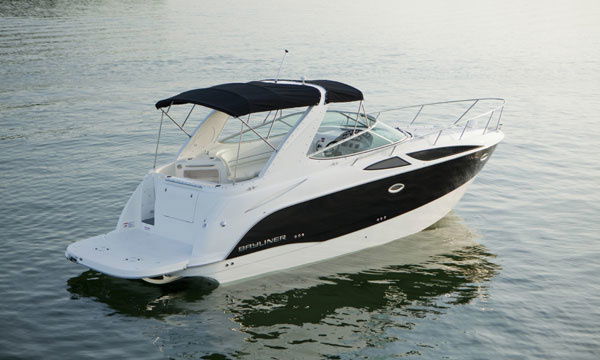
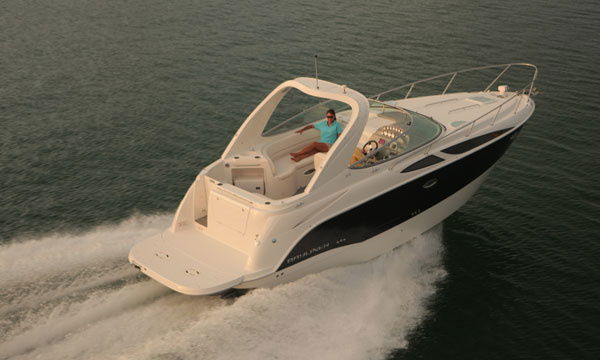
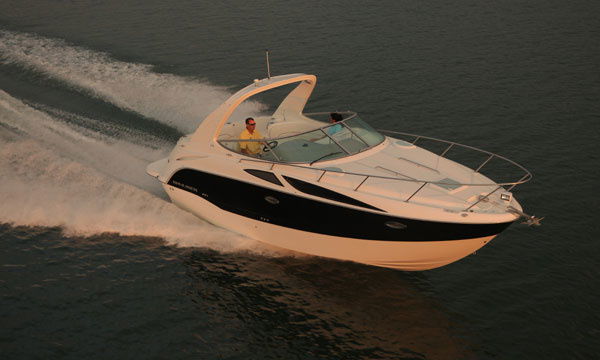
2010 Bayliner 315 Cruiser: What Buyers Need to Know Before Choosing One
If you’ve been looking at the 2010 Bayliner 315 Cruiser, chances are you’re trying to figure out whether it’s actually a smart boat to own, not just a nice o...
Discover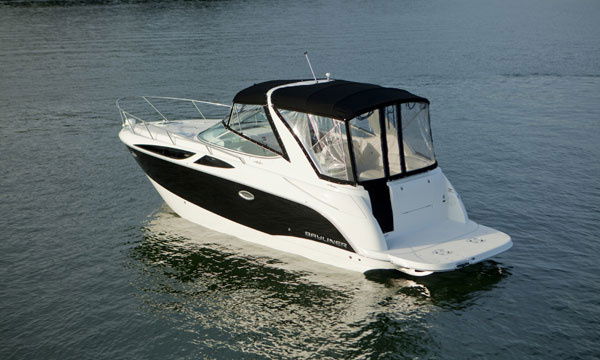
Images have been gathered from various sources and belong to their respective owners.
Latest Market Trends (Latest Available Year Model)
Price: $54,000
Review - Bayliner 315 Cruiser

MarineBroker
09/17/2024, 10:33 AM
2010 Bayliner 315 Cruiser: What Buyers Need to Know Before Choosing One
If you’ve been looking at the 2010 Bayliner 315 Cruiser, chances are you’re trying to figure out whether it’s actually a smart boat to own, not just a nice one to look at. That’s a fair question. On paper, the 315 Cruiser checks a lot of boxes for families and weekend boaters: plenty of space, a practical layout, and the kind of cruising comfort that makes longer days on the water feel easy.
But like any used cruiser, the real question isn’t just “What does it offer?” It’s “What should I watch out for, and how do I make sure I’m buying or maintaining one the right way?” That’s where many buyers get stuck. A boat can look clean in photos and still hide issues that turn into expensive surprises later.
The good news is that with the right approach, the 2010 Bayliner 315 Cruiser can be a very solid choice. In this article, we’ll break down the biggest things to know, the common problem areas to check, and the practical steps that can help you avoid headaches and enjoy the boat more confidently.
- What Makes the 2010 Bayliner 315 Cruiser Worth Considering?
The 2010 Bayliner 315 Cruiser sits in a sweet spot for a lot of boaters who want a mid-size express cruiser without jumping into the higher operating costs of larger yachts. It’s designed for comfortable day trips, overnight stays, and relaxed coastal cruising.
One of the biggest draws is the layout. Boats in this class are usually about making the most of limited space, and the 315 Cruiser does that well. You typically get a usable cabin, sleeping space, a galley, a head, and an exterior cockpit that works for entertaining or lounging.
For many owners, this boat makes sense because it offers:
- Family-friendly space without being overly large
- A practical cruising layout
- Enough comfort for weekend trips
- A more approachable price point on the used market
That said, the value of a used cruiser depends heavily on condition, maintenance history, and how the boat was stored. A well-kept 2010 Bayliner 315 Cruiser can be a great buy. A neglected one can quickly become a project.
- The Real Problem Buyers Face With a Used 2010 Bayliner 315 Cruiser
The main problem most shoppers run into is uncertainty. Used boats often look good from a distance, but hidden wear can be expensive to repair. With a cruiser like this, the risk usually comes down to moisture, mechanical upkeep, and age-related wear in systems that are hard to inspect casually.
Common concerns include:
- Engine and drive maintenance
- Soft spots or water intrusion
- Aging upholstery and canvas
- Electrical issues
- Plumbing problems in the head or galley
- General wear from poor storage or seasonal use
In other words, the challenge isn’t whether the 2010 Bayliner 315 Cruiser is a decent boat. The challenge is knowing whether the specific boat you’re looking at has been cared for properly.
That’s the part many buyers underestimate. Two boats of the same year and model can feel completely different depending on how they were used. One may have had regular service, indoor storage, and careful ownership. Another may have sat uncovered, missed maintenance intervals, and slowly developed issues that aren’t obvious until after purchase.
- 2010 Bayliner 315 Cruiser: Key Areas to Inspect First
If you’re evaluating this boat, start with the systems that matter most. These are the areas where small issues can become big bills.
- Engines and propulsion
The engine package is one of the most important parts of any cruiser purchase. Ask for full service records if available. You want to know:
- When the oil was last changed
- Whether impellers, belts, and hoses were replaced
- If the engines start easily and idle smoothly
- Whether there are signs of overheating or leaks
If the boat has sterndrives, inspect the bellows, gimble area, and corrosion points carefully. Sterndrive systems can be reliable, but they need regular attention.
A sea trial is essential. A boat may sound fine at the dock but reveal vibration, poor acceleration, or temperature issues once underway.
- Hull and deck condition
Look closely for cracks, repairs, blisters, and any signs of water intrusion. Walk the deck and cabin sole slowly. Soft spots can indicate hidden rot or delamination.
Pay extra attention around:
- Rail bases
- Cleats
- Windshield mounts
- Hatches
- Deck fittings
These are common leak points on many cruisers. If water has been getting in for years, the damage may be deeper than it appears.
- Cabin moisture and odor
A musty smell is often a warning sign. It can mean there’s been leakage, poor ventilation, or hidden dampness in the cabin structure or upholstery.
Check:
- Under cushions
- Inside lockers
- Around windows
- Beneath the mattress or berth areas
- Near the head compartment
Moisture problems are easier to prevent than fix. If the cabin smells stale or feels damp, don’t ignore it.
- Electrical system
Older boats often develop electrical gremlins from corrosion, loose connections, or previous owner modifications. Test:
- Lights
- Pumps
- Gauges
- Shore power
- Battery charging system
- Navigation electronics
If the wiring looks messy or heavily patched, budget time and money for cleanup. Electrical issues can be frustrating because they often show up intermittently.
- Plumbing and sanitation
Check freshwater pressure, drains, toilet function, and holding tank components. These systems may not seem exciting, but they’re part of what makes cruising comfortable.
A weak pump, leaking fitting, or cracked hose can create odor and maintenance problems fast.
- Why the 2010 Bayliner 315 Cruiser Appeals to Weekend Boaters
This model tends to attract people who want a manageable cruiser rather than a massive commitment. That’s a big reason it stays popular on the used market.
For weekend boaters, the appeal usually comes down to a few things:
- Easy enough to handle with a small crew
- Comfortable for overnight stays
- Good social space in the cockpit
- Enough cabin amenities for practical use
- More affordable than many larger express cruisers
If your boating style is mostly day trips, marina weekends, and short coastal runs, a boat like this can fit well. It gives you the cruiser experience without requiring the same level of crew, storage, or operating expense as a much larger vessel.
That practical balance is what makes the 2010 Bayliner 315 Cruiser interesting. It’s not trying to be a luxury yacht. It’s trying to be a usable, family-friendly cruiser that does a lot of things reasonably well.
- How to Tell if a Specific Boat Has Been Cared For
A used boat’s condition often tells a story if you know what to look for. The goal is not perfection. The goal is evidence of regular care.
Signs of a well-maintained boat:
- Clean engine room
- Organized wiring
- Receipts for service and repairs
- Fresh hoses and belts
- No strong mildew smell
- Upholstery in decent condition
- Clear signs of seasonal maintenance
Warning signs:
- Overly shiny cosmetics hiding deeper issues
- Missing service records
- Corrosion on terminals and hardware
- Water stains in the cabin
- Unexplained mechanical noise
- Sloppy repairs or mismatched parts
A boat that has been loved usually shows it in the details. A boat that has been neglected often tries to hide it.
- Practical Solution: Use a Step-by-Step Buying Strategy
If you’re trying to avoid a bad purchase, the best solution is a structured inspection process. Don’t rely on a quick walk-through or a nice conversation with the seller.
Here’s a simple approach:
1. Start with the history
Ask for:
- Maintenance records
- Winterization details
- Storage history
- Engine hours
- Recent repairs
This gives you context before you even step aboard.
2. Inspect the boat in daylight
Never judge a cruiser only by dock lighting or photos. Daylight helps you spot:
- Gelcoat issues
- Stains
- Cracks
- Fading
- Corrosion
3. Test every system
Run:
- Engines
- Pumps
- Lights
- Electronics
- Air conditioning or heating, if equipped
- Head and freshwater systems
4. Do a sea trial
This is where hidden issues often appear. Watch for:
- Smooth acceleration
- Steering response
- Vibration
- Temperature stability
- Unusual smoke or odor
5. Hire a marine surveyor
A proper survey is one of the smartest investments you can make. A surveyor may catch structural or mechanical issues that a casual buyer would miss.
6. Budget for immediate maintenance
Even a good used boat usually needs some work. Plan for:
- Fresh fluids
- New filters
- Bottom cleaning
- Safety gear updates
- Minor cosmetic fixes
That way, you’re not caught off guard after closing.
- Common Maintenance Priorities for a 2010 Bayliner 315 Cruiser
Once you own the boat, staying ahead of maintenance is the easiest way to protect your investment and reduce stress.
Focus on these priorities:
- Change engine oil and filters on schedule
- Inspect and replace worn hoses
- Check battery condition regularly
- Keep bilges clean and dry
- Service the sterndrives or running gear as needed
- Wash and protect canvas and upholstery
- Inspect seals and caulking around openings
- Flush and winterize plumbing systems properly
A lot of boat problems start small. A tiny leak, a loose clamp, or a weak battery may not seem urgent at first, but those little issues often snowball.
A simple maintenance routine goes a long way:
- Before each outing: check fluids, batteries, and pumps
- Monthly: inspect for leaks, corrosion, and loose fittings
- Seasonal: service engines, drives, and safety gear
- Off-season: winterize, cover properly, and store dry
- Is the 2010 Bayliner 315 Cruiser a Good Fit for You?
This boat tends to make the most sense for people who want comfort, space, and practical cruising without going too big. If you’re a first-time cruiser buyer or someone moving up from a smaller bowrider or cabin boat, it can feel like a nice step up.
It may be a good fit if you:
- Want a family-friendly cruiser
- Prefer weekend trips over long-distance liveaboard use
- Value usable space over luxury extras
- Are comfortable with regular maintenance
- Want a used boat with broad appeal
It may not be the best fit if you:
- Want very high-end finishes
- Need offshore performance for rough conditions
- Prefer minimal maintenance
- Want a boat that’s already fully modernized with newer systems
The key is matching the boat to your actual boating habits. That’s where the best ownership experiences happen.
- Smart Buying Tips That Save Money Later
A lot of people focus on the purchase price, but the real cost of ownership includes maintenance, repairs, storage, insurance, and fuel. A lower-priced boat with hidden issues can end up costing more than a slightly pricier one in better shape.
To keep costs under control:
- Buy the best-maintained boat you can find
- Don’t skip the survey
- Verify engine hours and service records
- Inspect for water intrusion carefully
- Negotiate based on real findings, not assumptions
- Set aside a repair budget after purchase
If a seller can’t provide records, that doesn’t automatically mean the boat is bad. But it does mean you should inspect more carefully and price in the uncertainty.
- What Makes the 2010 Bayliner 315 Cruiser Stand Out in the Used Market
The used cruiser market is full of choices, but the 2010 Bayliner 315 Cruiser stands out because it offers a familiar layout and a practical ownership experience. It’s the kind of boat that many families can actually use regularly, not just admire from the dock.
Its strengths are usually:
- Comfortable cabin layout
- Manageable size
- Good value compared with newer cruisers
- Broad appeal for coastal and inland use
That combination is why people keep searching for this model. It hits a balance that works for a lot of boaters.
The trick is buying the right example. Condition matters more than year alone. A clean, well-documented 2010 Bayliner 315 Cruiser can be a rewarding boat. A neglected one can quickly become expensive and frustrating.
- Conclusion
The 2010 Bayliner 315 Cruiser remains an appealing option for buyers who want a practical, comfortable cruiser with enough space for weekends on the water. The biggest challenge is not the model itself, but identifying a well-maintained boat and avoiding hidden problems like moisture, mechanical neglect, or aging systems.
If you take a careful approach, inspect the key areas, and insist on a proper survey and sea trial, you’ll put yourself in a much better position to make a smart decision. In the end, the best used cruiser is the one that fits your boating style and has been cared for properly. If you’re still narrowing down your options, keep comparing service history, condition, and real-world usability before you buy.
Specifications
General
Boat Type: Power Boats
Class Type: Cruiser
Specifications
Length: 30.51
Beam: 10.01
Draft: 3.35
Hull Material: GRP
Build
First Built: 2010
Propulsion
Fuel Type: Gas
Engines: 2
Power: 220 HP
Brand: Mercruiser
Accomodation
PROS & CONS
What we appreciated
 Spacious interior with comfortable sleeping accommodations for up to 6 peopleWell-equipped galley and bathroom for extended cruisingGood handling and stability for a boat of its sizeLarge cockpit area suitable for entertaining and relaxingAffordable price point compared to similar cruisers in its class
What we didn’t appreciate
 Older model with potential for outdated electronics and systemsLimited storage space compared to newer designsMay require significant maintenance due to ageFuel efficiency is moderate, not ideal for long-range cruisingSmaller engine options may limit top speed and performance
Upkeep Costs
Insurance: $800 - $1,500 per year
Maintenance and Repairs: $1,000 - $3,000 per year
Fuel: $2,000 - $4,000 per year (depending on usage)
Docking/Storage Fees: $1,200 - $3,600 per year
Registration and Taxes: $100 - $300 per year

Rating
6.6
User
Score
Score
Driveability
Technology
Interior
Design
Similar Boats


MarineBroker
Download now for an immersive boat experience like never before! ⛵✨ Your journey begins with a simple click. 🌊📲
#SetSailSmart #DownloadNow
#SetSailSmart #DownloadNow

Subscribe
Copyright 2017 - 2026, Marinebroker.net, All Rights Reserved