2011 Bayliner 305: What Buyers and Owners Should Know Before They Decide
If you’ve been looking at the 2011 Bayliner 305, chances are you’re trying to answer a pretty common question: is this boat actually a smart buy for cruisin...
Discover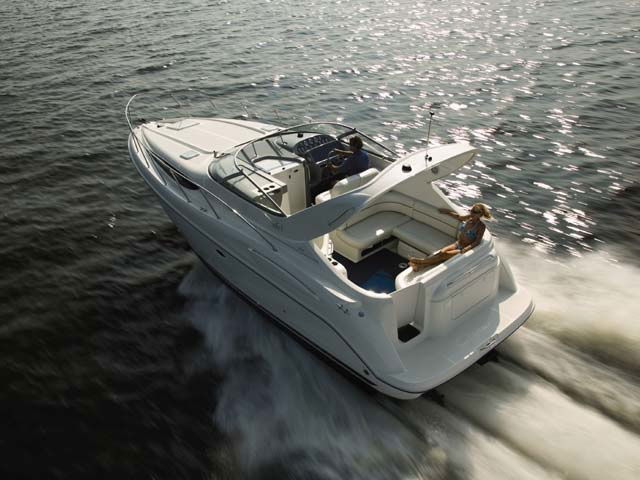
Images have been gathered from various sources and belong to their respective owners.
Latest Market Trends (Latest Available Year Model)
Price: $55,039
Review - Bayliner 305

MarineBroker
09/17/2024, 10:39 AM
2011 Bayliner 305: What Buyers and Owners Should Know Before They Decide
If you’ve been looking at the 2011 Bayliner 305, chances are you’re trying to answer a pretty common question: is this boat actually a smart buy for cruising, weekends on the water, or family trips? That’s a fair thing to wonder. Used express cruisers can look great in photos and still hide a few surprises when it comes to maintenance, layout, and long-term ownership costs.
The 2011 Bayliner 305 sits in an interesting spot. It offers a roomy cabin, a practical layout, and the kind of comfort many boaters want without jumping into a much higher price bracket. But like any used boat, the real challenge is figuring out whether it fits your needs and budget once you look past the brochure features.
That’s where a little know-how goes a long way. If you understand the boat’s strengths, its common weak points, and what to inspect before buying, you can avoid expensive mistakes and make a much better decision. Let’s break it down in a simple, useful way.
- What the 2011 Bayliner 305 is really built for
The 2011 Bayliner 305 is best understood as a family-friendly cruiser with a focus on space, comfort, and ease of use. It’s not trying to be a hardcore offshore machine or a luxury yacht. Instead, it aims to give owners a manageable, practical express cruiser experience.
For many people, that’s exactly the appeal. You get a boat that can handle weekend trips, day cruising, and overnight stays without requiring the size, complexity, or operating cost of a much larger vessel.
Typical buyers are usually looking for:
- A boat with enough cabin space for couples or small families
- A cockpit that works well for lounging and entertaining
- A straightforward ownership experience
- A used cruiser that feels more approachable than premium brands
That said, the 2011 Bayliner 305 is not for everyone. If your main goal is high-speed performance, serious offshore capability, or top-tier fit and finish, you may want something different. But if you want a comfortable cruiser with a practical layout, it’s worth a close look.
- Why people search for the 2011 Bayliner 305 in the first place
Most people don’t start with a brand-new boat. They start with a budget, a dream, and a long list of questions. The 2011 Bayliner 305 comes up often because it tends to offer a lot of boat for the money.
Here’s what usually draws attention:
- Good cabin volume for the size
- Easy-to-understand layout
- Family-friendly design
- Used-market availability
- Lower entry cost compared with many premium cruisers
That combination makes it attractive, especially for first-time cruiser owners or experienced boaters downsizing from something larger. The key problem, though, is that many buyers focus too much on the layout and price and not enough on condition, maintenance history, and engine setup.
That’s where the real solution starts: knowing what matters before you buy.
- The main problem buyers face with a 2011 Bayliner 305
The biggest issue with any used cruiser, including the 2011 Bayliner 305, is hidden ownership cost. A boat can look clean on the surface and still need thousands of dollars in mechanical, electrical, or cosmetic work.
Common buyer concerns include:
- Engine and drive condition
- Evidence of water intrusion
- Wear in upholstery, canvas, and flooring
- Aging pumps, batteries, and electronics
- Deferred maintenance from previous owners
The problem is not that the boat is “bad.” The problem is that used boats often reflect how well they were cared for, not just how they were built. Two identical 2011 Bayliner 305 boats can feel completely different depending on service records and storage history.
So the real question is not just “Do I like this boat?” It’s “What will it cost me to make this boat reliable and enjoyable?”
- 2011 Bayliner 305 layout and comfort: where it shines
One of the best things about the 2011 Bayliner 305 is how much usable space it offers for its size. The layout is designed to make weekend boating feel easy rather than cramped.
You can usually expect:
- A practical cockpit for socializing
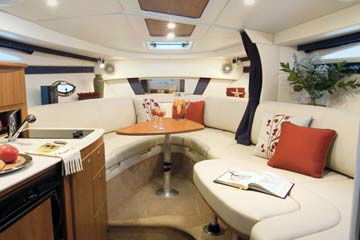
- A cabin that supports overnight use
- A galley area for basic meal prep
- A head compartment that makes extended time aboard more realistic
- Good visibility from the helm for cruising
For couples or small families, this kind of setup works well. You can spend a full day on the water without feeling like everyone is on top of each other.
The cabin comfort is especially important for buyers who want to use the boat beyond simple day trips. If you plan to sleep aboard, the interior layout becomes a major part of the value.
Still, comfort is only useful if the systems are working properly. A roomy cabin doesn’t help much if the AC, plumbing, or battery charging system is unreliable.
- What to inspect before buying a 2011 Bayliner 305
This is where you can save yourself a lot of frustration. If you’re seriously considering a 2011 Bayliner 305, inspect the boat like a detective, not a dreamer.
Here’s a practical checklist:
- Engine hours and service records
- Outdrive condition and service history
- Blower, bilge pump, and other safety systems
- Signs of soft decking or moisture intrusion
- Upholstery condition and mildew damage
- Canvas, enclosures, and window clarity
- Battery age and charging performance
- Shore power system and AC/DC operation
- Freshwater system and holding tank function
- Signs of corrosion around fittings and hardware
If possible, get a marine survey and a mechanical inspection. That’s not overkill on a used cruiser. It’s smart ownership.
A survey can help uncover issues like:
- Hidden hull damage
- Structural concerns
- Moisture in the deck or transom
- Safety deficiencies
- Evidence of poor maintenance
Even if the boat looks great, inspection is the difference between a fun purchase and an expensive regret.
- Common maintenance issues on a used Bayliner cruiser
The 2011 Bayliner 305, like many boats in this class, can develop predictable age-related issues. These are not necessarily deal-breakers, but they are important to budget for.
Common maintenance areas include:
- Aging seals and gaskets
- Worn impellers and cooling components
- Battery replacement
- Pump failures
- Canvas wear and zipper problems
- Upholstery cracking or fading
- Corroded electrical connections
- Bottom paint touch-ups and hull cleaning
If the boat has been stored outdoors or neglected for even a couple of seasons, these issues can stack up quickly.
A good rule of thumb is to assume a used cruiser may need immediate attention in a few areas, even if it “runs fine.” That’s normal. The goal is not to find a perfect used boat. The goal is to find one that has been cared for enough that the repairs are manageable.
- 2011 Bayliner 305 engine and performance considerations
Performance depends heavily on the specific engine package and overall condition. That’s why two boats with the same model name can feel different on the water.
What matters most:
- Whether the engines start easily cold and warm
- Smooth shifting in and out of gear
- No unusual vibration or hesitation
- Stable operating temperature
- Clean exhaust with no warning signs
- Proper throttle response
During a sea trial, pay attention to how the boat behaves at different speeds. A cruiser should feel predictable and comfortable, not strained.
You should also check:
- Fuel burn expectations
- Cruise speed comfort
- Steering response
- Trim behavior
- Noise and vibration levels
If the engines or drives have been poorly maintained, the boat may still run, but ownership will become more expensive and less enjoyable. That’s why service records matter so much.
- How to decide if the 2011 Bayliner 305 is the right fit
The best way to judge this boat is to match it against your actual boating habits. A lot of people buy based on what sounds nice, then realize later the boat doesn’t fit how they really spend time on the water.
This boat may be a good fit if you want:
- A cruiser for weekend use
- Enough cabin space for overnighting
- A manageable size for marina use
- A used boat with broad appeal
- A practical layout over luxury branding
It may not be the best fit if you want:
- High-end finishes and premium materials
- Heavy offshore use
- Maximum performance
- Very low-maintenance ownership
- A boat that feels nearly new without upgrades
The 2011 Bayliner 305 is most appealing to buyers who value function, comfort, and affordability. If that sounds like you, it deserves a serious look.
- Smart buying strategy for a used 2011 Bayliner 305
If you want to reduce risk, use a simple process. Don’t rush just because the boat looks available and the price seems fair.
Follow these steps:
1. Review maintenance records
Look for evidence of regular engine service, winterization, pump replacement, and general upkeep.
2. Inspect the boat in person
Photos hide a lot. Check the bilge, cabin corners, upholstery, and hardware closely.
3. Ask about storage history
Boats stored indoors or under cover usually age better than boats left exposed.
4. Schedule a survey and sea trial
This is one of the best ways to uncover mechanical or structural issues.
5. Budget for immediate fixes
Even a good used boat may need batteries, impellers, cleaning, or cosmetic work.
6. Compare several examples
Seeing multiple 2011 Bayliner 305 boats helps you understand what’s normal and what’s suspicious.
This process gives you leverage. Instead of hoping the boat is good, you’ll know what you’re buying.
- What ownership is like after the purchase
Owning a 2011 Bayliner 305 can be enjoyable if you go in with realistic expectations. The boat is most rewarding when it’s maintained consistently and used for what it does best: relaxed cruising and comfortable time on the water.
To keep ownership smooth:
- Flush and inspect systems regularly
- Keep batteries on a proper charger
- Address leaks quickly
- Clean and protect upholstery
- Service engines and drives on schedule
- Check bilge pumps and safety gear often
- Store the boat properly when not in use
A little routine care goes a long way. Boats often become “expensive” when small problems are ignored until they turn into bigger ones.
If you’re the type who likes staying ahead of maintenance, this boat can be a solid, enjoyable platform. If you prefer to buy and forget, any used cruiser will likely frustrate you.
- The practical solution: buy with condition, not just price, in mind
Here’s the simplest answer to the question behind most 2011 Bayliner 305 searches: don’t buy the boat just because it’s available and affordable. Buy the one with the best history, cleanest inspection results, and lowest near-term repair risk.
That’s the practical solution.
Focus on:
- Condition over cosmetics
- Service records over seller promises
- Survey results over assumptions
- Real ownership costs over asking price alone
A well-kept 2011 Bayliner 305 can offer a lot of value for the right buyer. A neglected one can quickly become a money pit. The difference is almost always in the details.
If you approach the search carefully, this model can be a smart and enjoyable entry into cruiser ownership.
- Conclusion
The 2011 Bayliner 305 appeals to boaters who want space, comfort, and a practical cruising layout without stepping into a much larger or more expensive vessel. The main challenge is not finding one for sale, but finding one that has been properly maintained and inspected. That means paying close attention to engines, drives, electrical systems, water intrusion, and overall upkeep.
If you take the time to inspect carefully, review service history, and budget for a few likely maintenance items, you’ll be in a much stronger position. In the end, the best purchase is the one that fits both your boating goals and your real-world budget. If you’re still comparing options, keep researching similar express cruisers and use a surveyor’s input to guide your decision.
Specifications
General
Boat Type: Power Boats
Class Type: Cuddy Cabin
Specifications
Length: 31.5
Beam: 10.99
Draft: 2.76
Hull Material: GRP
Build
First Built: 2011
Propulsion
Fuel Type: Gas
Engines: 1
Power: 0 HP
Brand: Unknown
Accomodation
PROS & CONS
What we appreciated
 Spacious cabin with comfortable sleeping accommodationsWell-designed helm with good visibility and controlsLarge cockpit area suitable for entertaining and fishingGood fuel efficiency for a boat of its sizeReliable Mercruiser engines with decent power
What we didn’t appreciate
 Older model, may require more maintenance and updatesLimited storage space compared to newer modelsInterior materials may show wear and tear over timeLower resale value compared to similar newer boatsSome users report limited headroom in the cabin
Upkeep Costs
Annual insurance: $800 - $1,200
Fuel: $3,000 - $5,000 per year (depending on usage and fuel prices)
Maintenance and repairs: $1,000 - $3,000 per year
Storage and docking fees: $1,500 - $4,000 per year
Registration and taxes: $100 - $300 per year
Rating
6.4
User
Score
Score
Driveability
Technology
Interior
Design
Similar Boats


MarineBroker
Download now for an immersive boat experience like never before! ⛵✨ Your journey begins with a simple click. 🌊📲
#SetSailSmart #DownloadNow
#SetSailSmart #DownloadNow

Subscribe
Copyright 2017 - 2026, Marinebroker.net, All Rights Reserved