1999 Bayliner 2452: What Owners Should Know Before Buying, Maintaining, or Upgrading
If you’re looking into a 1999 Bayliner 2452, chances are you’re trying to figure out whether it’s still a smart boat to own, buy, or restore. Th...
Discover

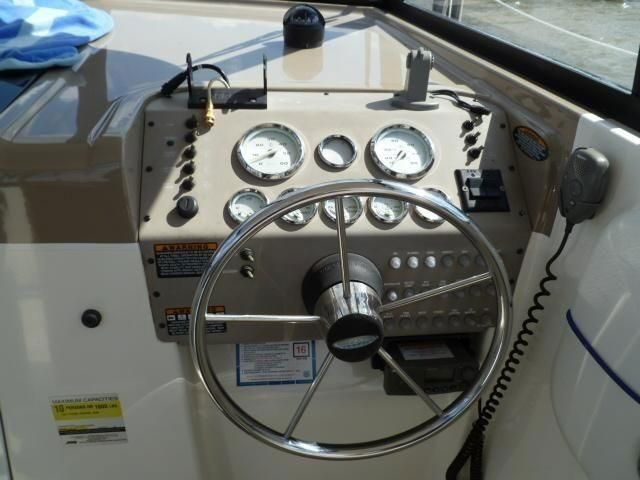

Images have been gathered from various sources and belong to their respective owners.
Review - Bayliner 2452

MarineBroker
09/18/2024, 7:41 AM
1999 Bayliner 2452: What Owners Should Know Before Buying, Maintaining, or Upgrading
If you’re looking into a 1999 Bayliner 2452, chances are you’re trying to figure out whether it’s still a smart boat to own, buy, or restore. That’s a fair question. Boats from this era can be a great value, but only if you know what to look for.
The 2452 is a popular pocket cruiser because it offers a practical layout, decent cabin space, and enough versatility for weekend trips, fishing, and casual cruising. But like many older boats, the real challenge isn’t just finding one for sale. It’s knowing how to judge its condition, spot common issues, and decide whether the boat is worth the time and money.
That’s where a little knowledge goes a long way. In this article, we’ll break down what makes the 1999 Bayliner 2452 appealing, the most common problems owners run into, and the best ways to handle maintenance, upgrades, and buying decisions without getting burned.
- What Makes the 1999 Bayliner 2452 Worth Considering?
The 1999 Bayliner 2452 sits in that sweet spot between compact trailerable boat and small cruiser. For many boaters, that’s exactly the appeal. It gives you enough room to overnight comfortably without jumping into the size, cost, and complexity of a larger cabin cruiser.
A few reasons people still look for this model:
- Trailer-friendly size compared with larger cruisers
- Practical cabin layout for weekend use
- Good balance of cockpit space and interior comfort
- Commonly available on the used market
- Easier to maintain than many larger boats
This boat was built for people who wanted flexibility. You could fish in the morning, cruise in the afternoon, and stay aboard overnight if needed. That versatility is a big part of why the 2452 still gets attention today.
That said, age changes everything. A well-kept example can still be a solid boat, but a neglected one may need expensive repairs. So the real question is not just “Is the 1999 Bayliner 2452 a good boat?” It’s “Is this specific boat in good enough shape to justify owning?”
- The Main Problem: Age-Related Wear and Hidden Neglect
The biggest issue with any 1999 Bayliner 2452 is simple: it’s over two decades old. Even if the hull looks fine from the dock, older boats often hide problems in places buyers don’t inspect closely enough.
The most common concern is water intrusion. Once water gets into the deck, transom, or stringers, repairs can become costly fast. Another major issue is aging mechanical systems. Engines, fuel lines, wiring, pumps, and canvas all degrade over time, even if the boat hasn’t been used heavily.
Here’s what that often looks like in the real world:
- Soft spots in the deck
- Weak or damaged transom areas
- Old hoses and corroded fittings
- Electrical gremlins from outdated wiring
- Worn upholstery and cabin components
- Aging seals around windows and hatches
- Engine or drive issues from poor maintenance
Many buyers get excited by the price tag and overlook these signs. That’s where regret starts. A cheap purchase can become an expensive project if you don’t inspect carefully.
- How to Evaluate a 1999 Bayliner 2452 Before Buying
If you’re shopping for a 1999 Bayliner 2452, your goal should be to assess condition, not just appearance. A boat that shines on the outside may still have serious structural or mechanical issues.
Start with the hull and deck. Walk the entire boat and pay attention to any flexing, soft spots, or unusual sounds underfoot. Check around the transom, engine mounts, scuppers, and any fittings that penetrate the fiberglass.
Look for these warning signs:
- Spider cracks around stress points
- Water stains inside the cabin
- Bubbling or discoloration in the gelcoat
- Loose hardware or corroded fasteners
- Musty smells that suggest water intrusion
- Evidence of patchwork repairs
Next, inspect the engine and drive system. Ask when the last service was completed and whether the boat has service records. If the seller can’t tell you when the impeller, bellows, plugs, belts, or fluids were last changed, assume they’re overdue.
A proper sea trial matters too. Watch for:
- Easy cold starting
- Smooth idle
- Stable temperature under load
- Clean shifting
- No excessive vibration
- Proper planing behavior
If the boat struggles to start, overheats, or feels underpowered, that’s a red flag. Even if the boat is priced attractively, mechanical repairs can quickly erase the savings.
- Common 1999 Bayliner 2452 Problems Owners Run Into
The 1999 Bayliner 2452 can be a good boat, but it’s important to know the trouble spots that come up again and again. Being aware of these issues helps you avoid surprises later.
- Water Intrusion
Older boats often develop leaks around windows, hatches, rail bases, and hardware. Once water gets in, it can damage core materials and create hidden rot.
- Transom and Stringer Concerns
Depending on maintenance history, these structural areas can weaken over time. A soft transom or compromised stringer system is a major repair issue.
- Aging Fuel System Components
Fuel hoses, clamps, filters, and tanks can deteriorate. Old fuel systems may also cause hard starting, vapor issues, or poor engine performance.
- Electrical Problems
Corrosion, outdated wiring, and amateur repairs often lead to unreliable lights, pumps, and accessories. Electrical issues are common in boats of this age.
- Canvas and Upholstery Wear
Bimini tops, cockpit covers, seat vinyl, and cabin cushions may be worn out. This doesn’t always affect safety, but it can add up in replacement cost.
- Engine Maintenance Gaps
Many older boats have engines that run, but only because they’ve been “good enough” for years. Lack of regular service can hide deeper problems.
Knowing these issues ahead of time helps you judge whether the boat is a bargain or a money pit.
- The Best Solution: Inspect, Prioritize, and Budget Realistically
The smartest way to handle a 1999 Bayliner 2452 is to treat it like a project with priorities. Not every flaw is a dealbreaker, but some repairs are worth doing immediately while others can wait.
A practical approach looks like this:
1. Inspect the structure first
Check for softness, leaks, and signs of hidden water damage. Structural problems should be dealt with before cosmetic ones.
2. Verify the engine and drive condition
Mechanical reliability matters more than fresh upholstery. A clean engine compartment and solid service history are huge pluses.
3. Review electrical systems
Make sure the bilge pump, navigation lights, gauges, and cabin systems work as intended.
4. Estimate repair costs before buying
Get quotes for anything that looks questionable. Even small items can add up fast.
5. Leave room in your budget
With an older boat, it’s smart to reserve money for unexpected maintenance.
This is the real solution: don’t buy based on emotion alone. Buy based on condition, serviceability, and realistic ownership cost.
- Maintenance Tips That Keep the 1999 Bayliner 2452 Running Well
If you already own a 1999 Bayliner 2452, good maintenance can make a huge difference. Older boats often stay reliable when owners stay ahead of wear instead of reacting to failures.
Here are the basics that matter most:
- Flush and service the engine regularly
- Replace impellers and belts on schedule
- Inspect all hoses and clamps for cracking or corrosion
- Keep the bilge clean and dry
- Re-seal fittings and hardware as needed
- Check battery condition and charging performance
- Test safety equipment before each season
- Wash and protect vinyl, canvas, and gelcoat
It also helps to do a seasonal walkthrough. Look for new stains, soft spots, rust, or mildew. Catching a small issue early is much cheaper than fixing major water damage later.
For storage, keep the boat covered and ventilated. Moisture is one of the biggest enemies of older fiberglass boats. A dry boat is usually a healthier boat.
- Smart Upgrades for Better Comfort and Reliability
One of the nice things about the 1999 Bayliner 2452 is that it can often be improved without going overboard on spending. The best upgrades are the ones that improve safety, reliability, and daily use.
Useful upgrades include:
- New bilge pump and float switch
- Modern battery switch or dual-battery setup
- LED cabin and navigation lighting
- Updated marine radio or GPS
- Fresh canvas or cockpit cover
- New marine-grade upholstery
- Improved ventilation fans
- Better cabin storage solutions
If the original electronics are outdated, replacing them can make the boat easier to use and more enjoyable. That said, focus on function first. A flashy upgrade won’t matter much if the boat still has water intrusion or engine problems.
A good rule of thumb: improve the systems that keep you safe and comfortable before spending on cosmetic changes.
- Is the 1999 Bayliner 2452 a Good First Cruiser?
For the right buyer, yes. The 1999 Bayliner 2452 can be a good first cruiser because it’s manageable in size and relatively straightforward to understand. It gives new owners a chance to learn about boat systems without the intimidation of a much larger vessel.
It’s especially appealing if you:
- Want a trailerable or easier-to-handle cruiser
- Plan to spend weekends rather than long-term liveaboard time
- Like the idea of a cabin without moving to a big yacht
- Are comfortable doing routine maintenance yourself
But it may not be ideal if you want a zero-hassle ownership experience. Older boats almost always need attention. If you expect everything to be perfect, you may be disappointed.
Think of it this way: the 2452 can be a very practical boat, but only for someone willing to stay on top of maintenance and inspection.
- Buying Checklist for the 1999 Bayliner 2452
Before you commit, use a simple checklist. It can save you from missing something important.
- Inspect the hull for cracks or repairs
- Check deck firmness underfoot
- Look for signs of leaks in the cabin
- Test all electrical systems
- Review engine service history
- Check steering and throttle response
- Inspect fuel system components
- Ask about winterization and storage history
- Verify trailer condition if included
- Take the boat on a sea trial
If possible, bring along a marine surveyor or experienced mechanic. Even a few hundred dollars spent on an inspection can prevent a major mistake.
- Final Thoughts on Ownership Value
The 1999 Bayliner 2452 can still be a solid, enjoyable boat if you choose carefully and maintain it well. Its appeal comes from its practical layout, manageable size, and versatility for cruising and overnight use. But because it’s an older model, the real value depends on condition more than brand name or asking price.
The best solution is simple: inspect thoroughly, budget realistically, and prioritize structural and mechanical health over cosmetic appeal. If the boat checks out, it can offer a lot of fun for the money. If it doesn’t, walking away is often the smartest move. Either way, a careful approach will help you make a better decision and enjoy boating with fewer surprises.
Specifications
General
Boat Type: Power Boats
Class Type: Cruiser
Specifications
Length: 24.11
Beam: 8.37
Draft: 1.64
Hull Material: GRP
Build
First Built: 1999
Propulsion
Fuel Type: Gas
Engines: 1
Power: 0 HP
Brand: Unknown
Accomodation
PROS & CONS
What we appreciated
 Spacious interior with comfortable seating for family and friendsLarge cockpit area suitable for fishing and socializingGood storage compartments for gear and equipmentAffordable price point compared to newer modelsReliable and well-known Bayliner build quality
What we didn’t appreciate
 Older model may require more maintenance and repairsOutdated electronics and navigation systemsFuel efficiency is lower compared to modern boatsLimited advanced safety featuresCabin headroom can be restrictive for taller individuals
Upkeep Costs
Fuel: Approximately $1,500 to $3,000 per season depending on usage
Maintenance and Repairs: Around $1,000 to $2,000 annually
Insurance: Typically $300 to $600 per year
Storage and Docking: $1,000 to $3,000 annually depending on location
Registration and Taxes: $100 to $300 per year

Rating
5.5
User
Score
Score
Driveability
Technology
Interior
Design
Similar Boats


MarineBroker
Download now for an immersive boat experience like never before! ⛵✨ Your journey begins with a simple click. 🌊📲
#SetSailSmart #DownloadNow
#SetSailSmart #DownloadNow

Subscribe
Copyright 2017 - 2026, Marinebroker.net, All Rights Reserved