2004 Bayliner 225 Bowrider: What to Check, Fix, and Know Before You Buy or Upgrade
If you’re looking into a 2004 Bayliner 225 Bowrider, chances are you’re trying to figure out whether it’s still a smart boat to own, buy, or bring...
Discover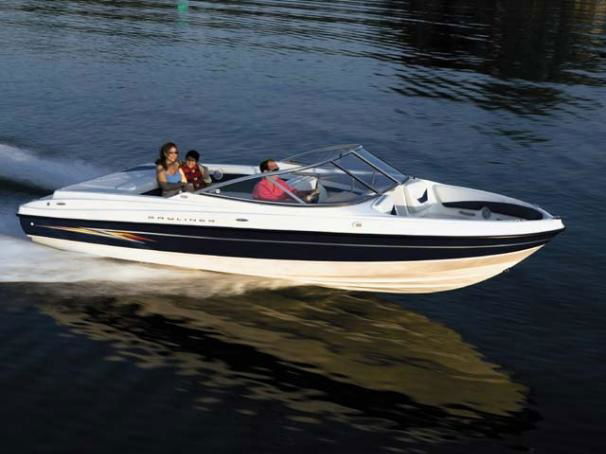
Images have been gathered from various sources and belong to their respective owners.
Review - Bayliner 225 Bowrider

MarineBroker
09/18/2024, 7:07 AM
2004 Bayliner 225 Bowrider: What to Check, Fix, and Know Before You Buy or Upgrade
If you’re looking into a 2004 Bayliner 225 Bowrider, chances are you’re trying to figure out whether it’s still a smart boat to own, buy, or bring back into great shape. That’s a fair question. Older bowriders can be a lot of fun, but they also come with the usual age-related headaches: worn upholstery, tired engines, soft spots in the deck, electrical quirks, and maintenance that may have been delayed over the years.
The good news is that most of those issues are manageable if you know what to look for. The 2004 Bayliner 225 Bowrider is a popular family-friendly runabout, and with the right inspection and a realistic plan, it can still be a solid day boat for cruising, watersports, and casual outings. The trick is separating normal wear from expensive problems before they catch you off guard.
In this guide, we’ll walk through the most common issues, what to inspect, and the practical steps that can help you make a better decision. Whether you already own one or you’re shopping for one, this should help you feel a lot more confident.
- Why the 2004 Bayliner 225 Bowrider Still Gets Attention
The Bayliner 225 Bowrider sits in a sweet spot for a lot of boaters. It’s large enough to handle family outings and small-group cruising, but still compact enough to trailer and store without too much hassle.
For many buyers, the appeal comes down to a few things:
- Comfortable seating for day trips
- Easy handling for newer boaters
- Good layout for swimming and watersports
- Usually more affordable than many comparable brands
That said, affordability can be a double-edged sword. A lower purchase price often means the boat may need more attention in maintenance, cosmetics, or mechanical repairs. That’s why the real question isn’t just “Is it a good boat?” It’s “Is this specific boat in good enough condition to justify the cost?”
- The Main Problem with Older 225 Bowriders
The biggest issue with a boat like the 2004 Bayliner 225 Bowrider is not the model itself — it’s age, wear, and how well it was maintained.
After two decades, even a well-kept boat can show signs of:
- Engine wear
- Corrosion on electrical components
- Upholstery cracking or fading
- Gelcoat oxidation
- Trailer rust or brake issues
- Water intrusion into the deck or transom
A lot of buyers focus on the engine hours, but that’s only part of the story. A boat with moderate hours and poor maintenance can be a worse buy than a higher-hour boat with good service records.
The practical solution is to inspect the boat as a system, not just as a hull with a motor. That means checking structure, mechanical condition, electrical function, and evidence of past repairs.
- What to Inspect on a 2004 Bayliner 225 Bowrider
If you’re evaluating one in person, don’t rush. A 30-minute walkaround is usually not enough.
Here’s what matters most.
- Hull and gelcoat
Start with the outside. Look for:
- Deep scratches or cracks
- Repairs that don’t match the surrounding finish
- Stress cracks near fittings
- Faded or chalky gelcoat
- Signs of impact damage
Small cosmetic issues are common and not a dealbreaker. But cracks around the transom, engine mount area, or swim platform mounts deserve closer attention.
- Transom and deck
This is one of the most important checks on any older bowrider.
Press firmly around the transom and walk the deck, especially in high-traffic areas. You’re looking for:
- Soft spots
- Flexing underfoot
- Water stains
- Seepage around bolts or hardware
- Loose fittings
A soft deck can mean water intrusion into the plywood core. That can become a bigger repair than many first-time buyers expect.
- Upholstery and interior
Interior wear is common, but it still matters because it affects both comfort and resale value.
Check for:
- Cracked vinyl
- Torn seams
- Mildew smell
- Broken hinges
- Weak seat bases
- Wet foam under cushions
A boat that looks clean on the surface may still have hidden moisture under the seats. Lift cushions and inspect storage compartments carefully.
- Engine and drivetrain
The engine is where many buyers either save money or get burned.
You want to know:
- Does it start easily when cold?
- Does it idle smoothly?
- Is there smoke beyond normal startup?
- Are there leaks under the engine?
- Does it shift cleanly into forward and reverse?
- Is the cooling system functioning properly?
If the boat has a sterndrive setup, inspect the outdrive for corrosion, damaged bellows, and oil leaks. These are common wear points and can become costly if ignored.
- Electrical system
Electrical gremlins are very common on older boats.
Test:
- Navigation lights
- Bilge pump
- Horn
- Gauges
- Blower
- Stereo
- Trim controls
- Battery switches and wiring
Corroded terminals and messy wiring are signs the boat may have been patched together over time. That doesn’t automatically mean it’s unsafe, but it does mean you should budget for cleanup.
- Trailer condition
If the boat comes with a trailer, don’t treat it as an afterthought.
Check:
- Tires for dry rot
- Wheel bearings
- Lights
- Winch strap
- Frame rust
- Brake function
- Bunks and rollers
A bad trailer can create more stress than the boat itself. If you plan to tow often, trailer condition should be part of your decision.
- Common Issues Owners Run Into
The 2004 Bayliner 225 Bowrider can be a dependable boat when maintained, but these are the issues that come up most often in older examples.
- Water intrusion
This is one of the biggest concerns with any aging runabout. Water can get in through hardware, seat mounts, windshield bases, or deck fittings.
Once inside, it can damage:
- Core materials
- Foam flotation
- Wiring
- Fasteners
- Structural bonding
The solution is prevention and early detection. Seal suspect fittings, inspect caulking, and address leaks quickly.
- Carburetor or fuel system problems
If the boat has a carbureted engine, expect possible fuel-related issues after long storage periods. Ethanol fuel can contribute to varnish, clogged jets, and hard starting.
Helpful steps include:
- Using fresh fuel
- Replacing old fuel filters
- Cleaning or rebuilding the carb if needed
- Inspecting fuel lines for cracking
If the boat has been sitting, fuel system cleanup may be one of the first jobs on the list.
- Cooling system wear
Overheating problems often start with neglected maintenance. Impellers, hoses, thermostats, and raw-water pumps wear out over time.
A practical rule: if you don’t know when the impeller was last replaced, assume it’s due.
- Corrosion and rust
Saltwater use speeds up wear, but even freshwater boats can corrode if they’ve been stored poorly.
Look closely at:
- Battery terminals
- Engine brackets
- Outdrive surfaces
- Fasteners
- Trailer hardware
Surface corrosion can often be cleaned up. Deep pitting or structural rust is a bigger concern.
- Cosmetic aging
This is the least serious issue, but it affects enjoyment.
Expect possible:
- Faded upholstery
- Oxidized gelcoat
- Cloudy gauges
- Worn carpets
- Scratched windshield panels
These problems don’t usually stop a boat from being useful, but they do influence how much time and money you’ll need to invest.
- How to Decide If It’s Worth Buying
A lot of people get stuck here. The boat looks good enough, the price seems fair, but something still feels uncertain.
A simple approach helps.
- Step 1: Separate cosmetic from structural issues
Cosmetic problems are easier to live with or repair.
Structural or mechanical problems are the ones that can turn a “good deal” into an expensive project.
Ask yourself:
- Is the hull sound?
- Is the transom solid?
- Does the engine run well?
- Is the wiring safe?
- Has the boat been stored properly?
If the answer is yes to most of those, you may have a workable boat.
- Step 2: Estimate repair costs honestly
It’s easy to underestimate boat repairs. A few small issues can add up fast.
For example:
- Upholstery replacement can get expensive
- Replacing a water pump or impeller is usually manageable
- Rebuilding a drive or dealing with transom damage is not cheap
- Trailer tires, bearings, and brakes can add up quickly
Make a rough repair list before you buy. If the total pushes you too close to the price of a better-maintained boat, keep shopping.
- Step 3: Ask for maintenance records
Service records tell you a lot about the life of the boat.
Look for evidence of:
- Oil changes
- Lower unit service
- Impeller replacement
- Fuel system maintenance
- Battery replacement
- Winterization
A seller who can show regular maintenance usually gives you a better starting point.
- Practical Fixes That Make a Big Difference
If you already own a 2004 Bayliner 225 Bowrider, or you just bought one, the best strategy is to tackle the basics first.
- Refresh the engine maintenance
Start with the essentials:
- Change engine oil and filter
- Replace fuel filters
- Inspect spark plugs
- Check belts and hoses
- Service the outdrive
- Replace the impeller if needed
This gives you a clean baseline and reduces the chance of surprise breakdowns.
- Clean and protect the electrical system
Electrical reliability improves a lot with basic cleanup.
Do this:
- Remove corrosion from terminals
- Replace brittle connectors
- Use marine-grade heat shrink connectors
- Secure loose wiring
- Test charging voltage
A little electrical maintenance goes a long way on an older boat.
- Address water leaks early
If you spot leaks, fix them right away.
Common leak points include:
- Deck hardware
- Cleats
- Windshield mounts
- Seat bases
- Hatch seals
Use marine sealant where appropriate, but don’t just cover up a problem without finding the source.
- Restore the exterior
A tired-looking boat can often be improved more than people expect.
Try:
- Washing and decontaminating the hull
- Polishing oxidized gelcoat
- Waxing for protection
- Replacing faded decals if desired
- Cleaning and conditioning vinyl
A clean, protected boat is easier to maintain and usually more enjoyable to use.
- Upgrade safety gear
Older boats sometimes come with outdated or missing safety equipment.
Check for:
- Life jackets
- Fire extinguisher
- Flares or signaling devices
- First-aid kit
- Working bilge pump
- Functional navigation lights
This is one area where “good enough” isn’t really good enough.
- 2004 Bayliner 225 Bowrider as a Family Day Boat
One reason people still like this model is that it can work well as a casual family boat.
It’s a reasonable size for:
- Cruising lakes and calm coastal waters
- Pulling a tube or wakeboard at moderate speeds
- Anchoring for swimming
- Short day trips with friends
The layout is typically what people want from a bowrider: open seating, easy access to the bow, and enough space to relax without feeling cramped.
If your goal is weekend fun rather than long-distance cruising, this boat can still make a lot of sense.
- What First-Time Buyers Should Keep in Mind
If this is your first boat, the biggest mistake is buying based on appearance alone.
A shiny hull can hide a lot.
Before buying, remember:
- Always sea trial if possible
- Inspect the boat out of the water and in the water
- Check service history
- Budget for repairs after purchase
- Don’t ignore your instincts if something feels off
It’s also smart to bring along someone who knows boats or hire a marine surveyor if the purchase price justifies it.
- When to Walk Away
Sometimes the best solution is not to buy.
Walk away if you find:
- A soft or spongy deck
- Major transom rot
- Severe engine knocking or overheating
- Heavy corrosion in critical areas
- Evidence of repeated water intrusion
- A seller who can’t answer basic maintenance questions
There are always more boats. A bad one can turn a fun hobby into a frustrating repair cycle.
- Getting the Most from a 2004 Bayliner 225 Bowrider
If you already own one, the key is staying ahead of small problems.
A simple maintenance routine helps:
1. Flush and inspect after each use
2. Keep the boat clean and dry
3. Store it properly covered
4. Run the engine regularly
5. Service the drive and cooling system on schedule
6. Inspect for leaks and corrosion every season
That kind of basic care can dramatically extend the life of an older bowrider.
- Final Thoughts on the 2004 Bayliner 225 Bowrider
The 2004 Bayliner 225 Bowrider can still be a fun, practical boat, but it’s only a good choice if the specific boat is in solid condition. The main challenge with older bowriders is not the model name — it’s hidden wear, neglected maintenance, and water-related damage that can be expensive to fix later.
The best solution is a careful inspection, honest budgeting, and a focus on structure and mechanical health before cosmetics. If the hull is sound, the transom is solid, and the engine and trailer are in decent shape, you may have a very usable family boat on your hands. Take your time, check the details, and don’t be afraid to walk away from a questionable deal. A little patience now can save a lot of money and frustration later.
Specifications
General
Boat Type: Power Boats
Class Type: Bowrider
Specifications
Length: 21.98
Beam: 7.87
Draft: 2.46
Hull Material: GRP
Build
First Built: 2004
Propulsion
Fuel Type: Gas
Engines: 1
Power: 0 HP
Brand: Unknown
Accomodation
PROS & CONS
What we appreciated
 Spacious bowrider seating ideal for family and friendsReliable Mercruiser engine options providing good performanceAffordable price point for a used boatVersatile for various water activities like cruising, watersports, and fishingEasy to maintain with widely available parts
What we didn’t appreciate
 Older model, may require more frequent maintenanceLimited storage space compared to newer modelsBasic electronics and features by modern standardsLess fuel efficient compared to newer enginesSmaller swim platform than some competitors
Upkeep Costs
Fuel: Approximately $1,500 - $2,000 per year (depending on usage and fuel prices)
Maintenance and Repairs: Around $1,000 - $1,500 per year
Storage: $500 - $2,000 per year (varies by location and storage type)
Insurance: $300 - $600 per year
Registration and Taxes: $100 - $300 per year

Rating
5.7
User
Score
Score
Driveability
Technology
Interior
Design
Similar Boats


MarineBroker
Download now for an immersive boat experience like never before! ⛵✨ Your journey begins with a simple click. 🌊📲
#SetSailSmart #DownloadNow
#SetSailSmart #DownloadNow

Subscribe
Copyright 2017 - 2026, Marinebroker.net, All Rights Reserved