2010 Bavaria 50 Vision: What Buyers and Owners Should Know Before Sailing Away
If you’re looking into the 2010 Bavaria 50 Vision, chances are you’re trying to figure out one thing: is it actually the right boat for your kind of s...
Discover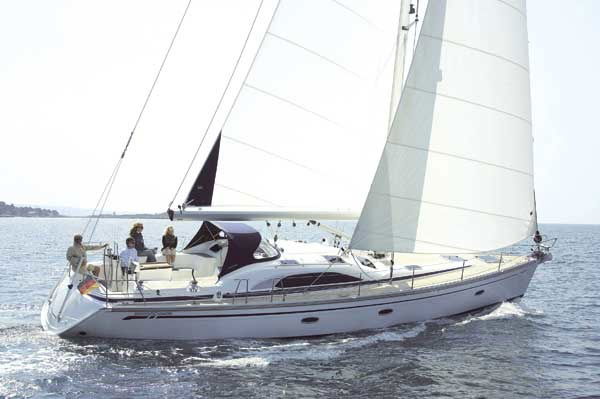
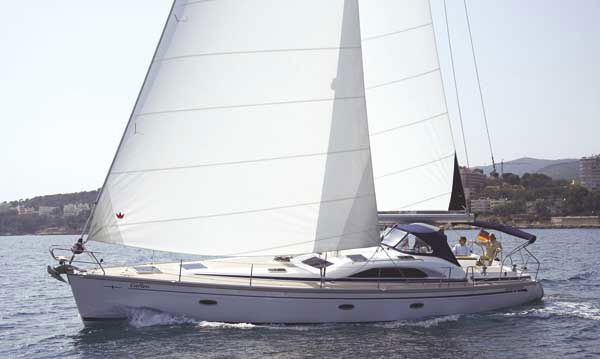

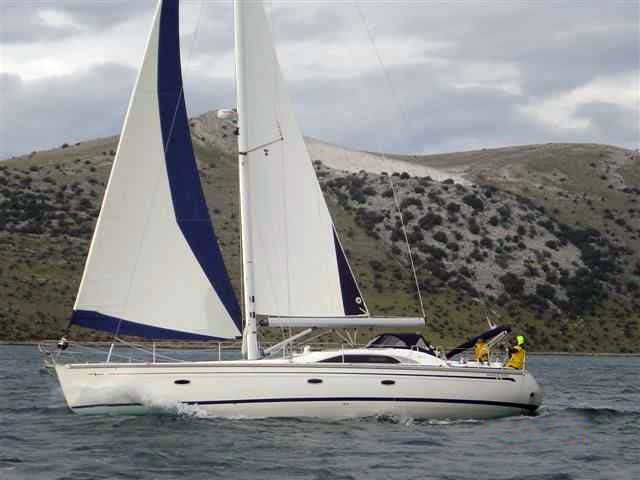
Images have been gathered from various sources and belong to their respective owners.
Latest Market Trends (Latest Available Year Model)
Price: $155,049
Review - Bavaria 50 Vision

MarineBroker
09/14/2024, 7:57 AM
2010 Bavaria 50 Vision: What Buyers and Owners Should Know Before Sailing Away
If you’re looking into the 2010 Bavaria 50 Vision, chances are you’re trying to figure out one thing: is it actually the right boat for your kind of sailing? That’s a fair question. A yacht like this can look like the perfect mix of comfort, performance, and value on paper, but the real challenge is understanding what it’s like in everyday use.
For many sailors, the problem isn’t finding a good-looking boat. It’s sorting through the noise and identifying whether a specific model fits their cruising style, budget, crew size, and maintenance expectations. The 2010 Bavaria 50 Vision sits in a sweet spot for a lot of people, but like any used yacht, it comes with details that matter more than brochure specs.
In this article, we’ll break down what makes this model appealing, what to watch out for, and how to judge whether it’s a smart buy or a boat that could become more work than fun. If you’re researching this yacht seriously, the goal here is simple: help you make a clearer, more confident decision.
- Why the 2010 Bavaria 50 Vision Still Gets Attention
The Bavaria 50 Vision was designed for sailors who want a spacious cruiser without stepping into the complexity or cost of a much larger yacht. By 2010, Bavaria had already built a reputation for producing boats that offered solid value, practical layouts, and easy handling for family cruising or charter use.
What keeps this model interesting today is the balance it strikes. It’s large enough to feel like a proper liveaboard or extended-cruising platform, but it’s still within reach for owners who don’t want to move into the very high running costs of premium bluewater yachts.
For many buyers, the appeal comes down to three things:
- generous interior volume
- straightforward sailing behavior
- good value in the used market
That said, the very things that make it attractive can also create confusion. A spacious boat can feel ideal until you realize how much maintenance is tied to systems, sails, rigging, and deck gear. So the real question isn’t just “Is it a good boat?” It’s “Is it a good boat for your use case?”
- Who the 2010 Bavaria 50 Vision Is Best Suited For
This yacht is usually a strong fit for sailors who want comfort first, but still care about handling and performance. It’s not trying to be a stripped-down racer, and it’s not a small coastal cruiser either.
It tends to suit:
- cruising couples who want extra space
- families sailing with kids or guests
- owners planning extended summer cruising
- charter-minded buyers looking for an established layout
- sailors moving up from a 40–45 foot yacht
If your sailing is mostly day trips, the boat may feel like more yacht than you need. But if you’re planning weekends away, multi-week cruises, or even liveaboard time, the size starts to make a lot more sense.
A common mistake is buying based on “future dreams” rather than actual usage. If you mostly sail with two people, ask whether you really want a 50-footer, or whether the added space is worth the extra berthing, maintenance, and insurance costs.
- The Main Strengths of the Bavaria 50 Vision
The 2010 Bavaria 50 Vision earned attention because it delivers a lot of boat for the money. In the used market, that combination can be hard to beat.
Here are the biggest strengths most owners and surveyors tend to appreciate:
- Spacious layout: The interior feels open and bright, with a layout that works well for longer stays aboard.
- Easy access and movement: Bavaria generally designed these boats with practical deck layouts and straightforward circulation.
- Comfortable cruising platform: The boat is built more for relaxed passage-making than aggressive performance sailing.
- Good value compared with some competitors: Buyers often find more space and features at a lower price point than similarly sized premium brands.
- Family-friendly design: Multiple cabins, a workable galley, and a roomy saloon make it appealing for groups.
For many owners, these strengths translate into real-world convenience. For example, a family cruising the Med or Caribbean will usually care more about storage, ventilation, and berth comfort than whether the boat wins a race around the cans.
- Common Problem: Buying the Wrong 50-Foot Cruiser for Your Needs
This is where many buyers run into trouble. The problem usually isn’t the boat itself. It’s buying a boat that looks perfect online but doesn’t match how you actually sail.
With a yacht like the 2010 Bavaria 50 Vision, the most common mismatch happens in one of these ways:
- the buyer wants offshore performance, but the boat is more comfort-oriented
- the buyer underestimates maintenance on a larger yacht
- the buyer assumes all used boats are equally “ready to go”
- the buyer focuses on cabin count instead of condition and systems
- the buyer ignores the cost of slips, sails, rigging, and insurance
A 50-foot cruiser can feel like a great upgrade, but it also brings a new level of responsibility. Even if the purchase price seems reasonable, the total ownership cost can rise quickly once you factor in annual haul-outs, antifouling, sail replacement, engine servicing, electronics, and unexpected repairs.
The practical solution is to evaluate the boat as a system, not just a listing.
- How to Judge Whether a 2010 Bavaria 50 Vision Is a Smart Buy
If you’re seriously considering this model, the best approach is to inspect it with a clear checklist. A good-looking yacht can hide expensive issues, while a less flashy one may be mechanically sound and better value.
Start with these key areas:
- Hull and deck condition
- Rigging age and service history
- Engine hours and maintenance records
- Sail condition
- Electronics and navigation gear
- Plumbing and electrical systems
- Signs of water intrusion or structural repairs
You’ll also want to ask how the boat was used. A privately owned cruiser with careful maintenance can be a very different proposition from a heavily used charter boat, even if both look similar in photos.
A few useful questions to ask:
1. Has the standing rigging been replaced on schedule?
2. When were the sails last renewed or repaired?
3. Are there known leaks around hatches, chainplates, or windows?
4. Has the engine been regularly serviced with records?
5. Are the batteries, chargers, and shore power systems current?
6. Has the boat had any grounding or collision history?
These questions matter because the cost of fixing neglected systems on a 50-footer can climb fast. A survey is always worth it, and on a boat of this size, a rig inspection and engine check are especially important.
- 2010 Bavaria 50 Vision: What to Look for in the Interior and Layout
One of the biggest reasons people like this model is the interior space. It’s designed to feel practical and livable, not cramped.
Depending on the exact configuration, you’ll often find a layout that works well for family cruising or hosting guests. The saloon is typically open and comfortable, and the cabins are arranged to support longer stays aboard.
When evaluating the interior, focus on more than just aesthetics.
Look at:
- ventilation in sleeping areas
- storage access and volume
- galley usability underway
- head and shower practicality
- berth size and mattress condition
- signs of wear in upholstery, joinery, and flooring
A boat can look very clean in listing photos, but still feel awkward in daily use if storage is poorly organized or if key spaces are hard to access. Spend time imagining real life aboard: wet gear, groceries, sleeping arrangements, and how people move around when the boat is underway or at anchor.
If you’re planning family cruising, the right layout can make the difference between a relaxed season and constant friction onboard.
- Sailing Characteristics: Comfort Over Aggression
The 2010 Bavaria 50 Vision is generally appreciated more for comfortable cruising than for sharp, sporty handling. That’s not a criticism. In fact, for many buyers, that’s exactly the point.
A boat in this class is usually expected to:
- track well
- be manageable with a small crew
- offer predictable behavior in moderate conditions
- provide steady passage-making comfort
If you’re used to lighter, more performance-focused yachts, the handling may feel more relaxed than lively. But for cruising, that can be a plus. Predictability and ease of use often matter more than raw speed.
For couples or short-handed crews, sail handling systems are especially important. Check whether the boat has the right setup for easy reefing, furling, and line management. A well-equipped cruiser can be much easier to enjoy than a faster boat that demands constant attention.
- Hidden Costs Buyers Often Miss
This is one of the biggest pain points for people researching larger used yachts. The purchase price is only the beginning.
With a boat like the 2010 Bavaria 50 Vision, the ongoing costs can include:
- marina or mooring fees
- winter storage or haul-out charges
- insurance
- annual engine servicing
- rigging inspection and replacement
- sail repairs or replacement
- electronics upgrades
- cleaning, antifouling, and polishing
- safety equipment renewal
A lot of buyers budget for the purchase and maybe the survey, but not the first year of ownership. That’s where surprises happen.
A practical rule is to set aside a reserve fund after purchase. Even a well-maintained boat often needs a few upgrades or repairs once you start using it regularly. If the boat is older and the systems are original, that reserve becomes even more important.
- Practical Solution: Build Your Buying Decision Around Use, Not Emotion
The best way to avoid disappointment is to make your decision based on how you’ll actually use the boat.
Here’s a simple framework that helps:
- If you want spacious coastal and Mediterranean-style cruising, this model can be a strong fit.
- If you want family-friendly living space and easy onboard comfort, it makes sense to consider.
- If you want a serious offshore passagemaker, you’ll need to compare it carefully with more purpose-built bluewater designs.
- If your budget is tight, make sure you can handle the ongoing costs of a 50-footer before committing.
This approach keeps you from buying the wrong boat for the right reasons. In other words, the boat may be attractive, but it still has to fit your real sailing life.
A useful mindset is to think in terms of “total ownership happiness.” That includes how easy the boat is to sail, how comfortable it is to live aboard, how much it costs to maintain, and how much time you’ll actually spend enjoying it versus fixing it.
- Tips for Inspecting a Used Bavaria 50 Vision
If you’re heading to a viewing, go in with a plan. Don’t let the size and finish distract you from the details.
Here’s a simple inspection checklist:
- Check the bilges for standing water, oil, or unusual smells.
- Inspect chainplates, rigging terminals, and mast base areas for corrosion or stress.
- Open lockers and look for dampness, mold, or hidden staining.
- Test lights, pumps, instruments, and shore power systems.
- Examine sails for UV damage, stitching wear, and bag storage quality.
- Ask for service logs, invoices, and ownership history.
- Review the engine start-up, exhaust smoke, and cooling performance.
If possible, sea trial the boat. A dockside visit can tell you a lot, but sailing under load reveals much more about steering feel, sail trim, engine response, and noise levels.
Also, don’t be shy about bringing in a professional surveyor. For a yacht of this size, that step is not optional in practical terms. It’s one of the best ways to avoid expensive mistakes.
- Why the 2010 Bavaria 50 Vision Remains a Popular Used Yacht
The reason this model still gets attention is simple: it offers a lot of usable boat. In a market where many buyers want more space without moving into extreme complexity, it hits a useful middle ground.
It’s not perfect for every sailor, and it’s not trying to be. But for the right owner, it can offer:
- comfortable cruising
- flexible interior space
- manageable sailing characteristics
- decent value in the used market
That combination is why people keep searching for it. The key is making sure the specific boat you’re looking at has been cared for properly and aligns with your sailing plans.
- Conclusion
The 2010 Bavaria 50 Vision is a yacht that makes a lot of sense for sailors who want space, comfort, and practical cruising ability. The biggest challenge for buyers is not finding one, but figuring out whether it truly fits their needs and budget. Once you look past the listing photos and focus on condition, maintenance history, layout, and ownership costs, the decision becomes much clearer.
If you’re considering this model, take your time, inspect carefully, and think beyond the purchase price. A well-chosen example can be a very rewarding boat for family cruising or extended time afloat. A rushed decision, though, can turn a dream upgrade into an expensive project. If you want to keep researching, compare survey notes, ownership reports, and similar 50-foot cruisers before making your final call.
Specifications
General
Boat Type: Sail Boats
Class Type: Cruiser
Specifications
Length: 51.48
Beam: 14.73
Draft: 7.48
Hull Material: GRP
Build
First Built: 2010
Propulsion
Fuel Type: Diesel
Engines: 1
Power: 75 HP
Brand: Volvo Penta
Accomodation
PROS & CONS
What we appreciated
 Spacious and well-designed interior with ample natural lightGood sailing performance for a cruiser of its sizeThree or four cabin layouts available, offering flexibilitySolid build quality with reliable German engineeringLarge cockpit area suitable for socializing and relaxing
What we didn’t appreciate
 Older model, so some equipment may be outdatedHeavier hull can affect light wind performanceLimited resale market compared to more popular brandsMaintenance can be costly due to size and complexityInterior woodwork may show wear and require updating
Upkeep Costs
Annual mooring fees: $4,000 - $8,000
Insurance: $1,200 - $2,000 per year
Maintenance and repairs: $2,000 - $4,000 per year
Winter storage and commissioning: $1,000 - $2,000 per year
Fuel costs: $500 - $1,500 per year depending on usage
Rating
7.5
User
Score
Score
Driveability
Technology
Interior
Design
Similar Boats


MarineBroker
Download now for an immersive boat experience like never before! ⛵✨ Your journey begins with a simple click. 🌊📲
#SetSailSmart #DownloadNow
#SetSailSmart #DownloadNow

Subscribe
Copyright 2017 - 2026, Marinebroker.net, All Rights Reserved