Boat Type: Power Boats
Boat Class: Cruiser
Length: 45.37 ft
Berths: 6
Cabins: 3
Max Persons: 12
2013 Bavaria 44 HT: What to Know Before Buying, Inspecting, or Upgrading
If you’re looking at a 2013 Bavaria 44 HT, chances are you’re already drawn to the mix of sporty styling, practical cruising space, and that hardtop feel th...
Discover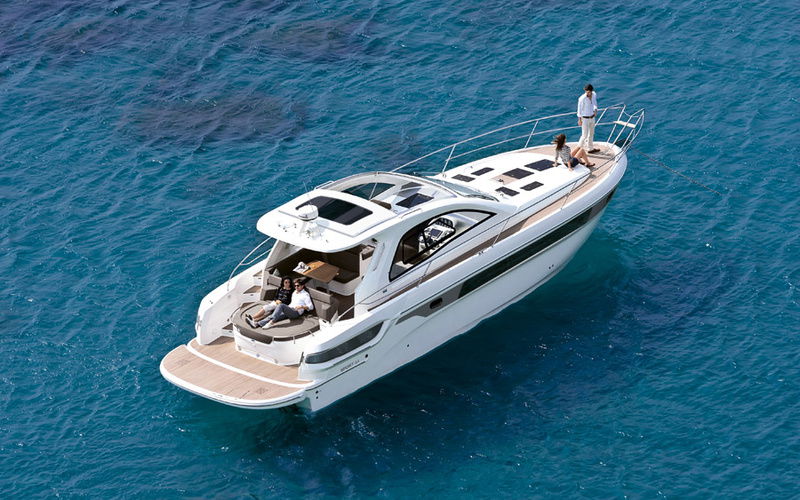

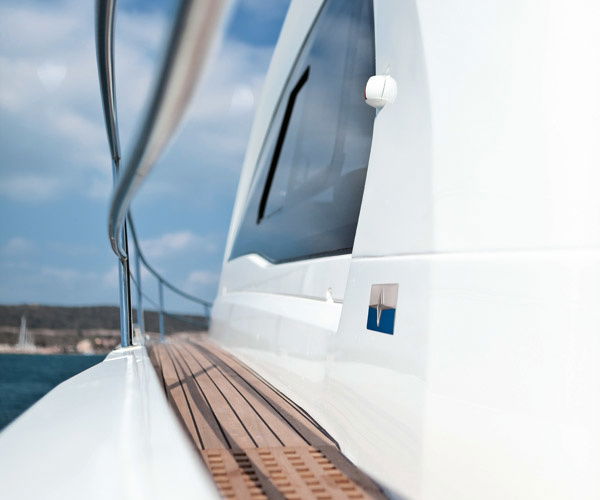

Images have been gathered from various sources and belong to their respective owners.
Review - Bavaria 44 HT

MarineBroker
09/13/2024, 12:47 PM
2013 Bavaria 44 HT: What to Know Before Buying, Inspecting, or Upgrading
If you’re looking at a 2013 Bavaria 44 HT, chances are you’re already drawn to the mix of sporty styling, practical cruising space, and that hardtop feel that makes the boat work well in different weather conditions. But like any used yacht, the real question isn’t just whether it looks good on paper — it’s whether it will actually suit your boating plans without turning into a maintenance headache.
That’s where many buyers and owners run into the same problem: the boat may be a great fit, but only if you know what to inspect, what to expect, and how to handle the common issues that can come with a 2013 model. A well-kept Bavaria 44 HT can be a very enjoyable cruiser, but the difference between a smart purchase and an expensive mistake often comes down to a careful evaluation.
In this article, we’ll walk through the key things to check, the most common concerns to watch for, and practical ways to make sure a 2013 Bavaria 44 HT stays reliable, comfortable, and ready for the water.
- What Makes the 2013 Bavaria 44 HT Appealing
The 2013 Bavaria 44 HT sits in a sweet spot for many boaters. It offers a balance of comfort, performance, and usability that works for weekend cruising, longer coastal trips, and relaxed family outings.
One of the biggest draws is the hardtop design. It gives better protection from sun and spray than an open cockpit boat, while still feeling bright and social. That makes it especially attractive for people who want a more versatile cruiser without stepping up into a much larger yacht.
The layout typically appeals to owners who value:
- A practical cockpit and helm arrangement
- Comfortable interior space for cruising
- A boat that feels manageable for its size
- Enough performance for enjoyable passage making
For many buyers, the attraction is not just the brand or model name. It’s the combination of usable space and modern styling. But as with any 10-plus-year-old yacht, the condition matters far more than the brochure.
- The Main Problem: Buying or Owning Without a Proper Plan
The biggest issue people face with a 2013 Bavaria 44 HT is assuming that age alone tells the full story. It doesn’t.
Two boats of the same model year can feel completely different depending on how they were used, stored, and maintained. One may have been lightly cruised and carefully serviced. Another may have seen heavy charter use, neglected systems, or cosmetic wear that hides deeper problems.
That’s why the real challenge is not “Is the Bavaria 44 HT a good boat?” but rather:
- Is this specific boat in good condition?
- Are there hidden maintenance costs ahead?
- Does the current setup match your boating style?
- Can you keep it reliable without overpaying?
If you’re shopping for one, the solution is a structured inspection and a realistic ownership plan. If you already own one, the solution is a prevention-first maintenance routine that catches small issues before they become expensive repairs.
- 2013 Bavaria 44 HT: Key Areas to Inspect First
When evaluating a 2013 Bavaria 44 HT, start with the systems that matter most for safety, reliability, and cost. A boat can look clean on the surface and still hide problems in the mechanical or structural areas.
- Hull and Deck Condition
Inspect the hull carefully for:
- Osmosis blisters
- Repairs around impact areas
- Stress cracks near fittings
- Signs of poorly repaired damage
On the deck, check for soft spots, especially around:
- Winches
- Cleats
- Stanchion bases
- Hatch surrounds
A hardtop boat can also develop leaks around windows, hatches, and the cockpit enclosure if seals have aged or fittings have loosened.
- Engine and Drive System
The engine is one of the biggest cost factors on any used cruiser. Make sure you review:
- Service records
- Oil and coolant condition
- Belt wear
- Raw water flow
- Exhaust condition
- Any unusual vibration or smoke
If the boat has a saildrive or sterndrive setup, inspect the seals, anodes, and corrosion protection carefully. These are common areas where maintenance gets missed.
A sea trial is extremely useful here. Listen for:
- Hesitation on acceleration
- Excessive vibration
- Steering issues
- Overheating under load
- Electrical Systems
Electrical faults are common on boats of this age, especially if upgrades have been added over time. Check:
- Battery age and charging setup
- Shore power system
- Circuit breakers and fuse panels
- Lighting
- Nav electronics
- Bilge pump operation
If the wiring looks messy or heavily modified, that’s a warning sign. Clean, labeled wiring usually suggests better long-term ownership.
- Plumbing and Tankage
Water systems are easy to overlook until they fail. Test:
- Freshwater pumps
- Faucets and showers
- Heads and holding tanks
- Water heater
- Any visible hoses for leaks or cracking
Smell matters too. A persistent odor can point to neglected sanitation hoses or tank issues.
- Interior Wear and Moisture
Interior condition tells you a lot about how the boat was used. Look for:
- Water staining around hatches and windows
- Soft furniture or floor panels
- Mold or mildew
- Loose trim
- Signs of poor ventilation
Moisture intrusion is one of the most annoying problems on any cruising boat because it often starts small and spreads quietly.
- Common Issues on a Used Bavaria 44 HT
The 2013 Bavaria 44 HT is generally appreciated for its practical design, but like many production cruisers, it has a few common areas that deserve attention.
- Aging Seals and Fittings
After years of use, window seals, hatch gaskets, and deck hardware bedding can degrade. This leads to leaks, which may not be dramatic at first but can damage cabinetry, liners, and electronics over time.
The fix is usually straightforward:
- Rebed leaking fittings
- Replace worn seals
- Inspect all deck penetrations annually
- Wear in High-Traffic Areas
Cockpit seating, helm areas, and cabin entry points often show the most wear. UV exposure and repeated use can fade cushions, weaken stitching, and make surfaces look older than the boat really is.
This is more cosmetic than structural, but it affects resale value and overall enjoyment.
- Mechanical Maintenance Gaps
A used boat may have had irregular servicing, especially if previous owners were not meticulous. Even if the engine runs well, skipped maintenance can create hidden problems later.
Watch for:
- Missing service logs
- Old impellers
- Unknown fuel filter history
- Corrosion on terminals or clamps
- Unclear propeller or shaft maintenance
- Electronics That Have Reached Their Age Limit
Older chartplotters, radar units, and instrument displays may still work but no longer offer the reliability or features many owners want. This is not necessarily a dealbreaker, but it should be part of your budget.
If you’re buying, it’s smart to treat electronics as a likely upgrade rather than a permanent asset.
- How to Solve the Problem Before It Becomes Expensive
The easiest way to avoid regret with a 2013 Bavaria 44 HT is to approach it like a project, not just a purchase. That means thinking beyond the asking price.
- Use a Pre-Purchase Survey
A qualified marine surveyor can identify issues that are easy to miss during a casual walkthrough. This is especially important for:
- Structural concerns
- Moisture intrusion
- Hidden corrosion
- Poor repairs
- Safety equipment deficiencies
If possible, combine the survey with an engine inspection and sea trial. That gives you a much more complete picture.
- Review Maintenance Records Carefully
Service history is one of the best indicators of future reliability. Look for:
- Annual engine servicing
- Antifouling records
- Replacement of wear items
- Electrical upgrades done properly
- Evidence of winterization or seasonal storage
A boat with records is usually a safer buy than one that just “looks well kept.”
- Budget for Immediate Improvements
Even a good boat usually needs a few updates. A practical buyer should expect to spend on:
- Safety gear replacement
- Battery upgrades
- Hose and clamp replacement
- Sealant work
- Electronics refresh
- Upholstery cleaning or repair
This is normal. The key is to budget realistically so the boat can be brought up to your standard without stress.
- Prioritize Reliability Over Appearance
It’s easy to get distracted by shiny teak, polished gelcoat, and fresh cushions. But reliability matters more than cosmetics.
If you have to choose, put money into:
- Engine servicing
- Steering and control systems
- Electrical reliability
- Leak prevention
- Safety equipment
A boat that looks average but runs perfectly is usually a far better ownership experience than a polished boat with neglected systems.
- Making the 2013 Bavaria 44 HT Fit Your Boating Style
Not every cruiser suits every owner. The 2013 Bavaria 44 HT works best for people who want a comfortable, versatile boat and are willing to maintain it properly.
It may be a strong fit if you:
- Cruise with family or friends
- Want a protected cockpit with a modern feel
- Prefer a manageable yacht over a very large one
- Value a practical layout for day trips and weekends
- Want a boat that can handle mixed weather more comfortably than an open design
It may be less ideal if you want:
- Minimal maintenance
- Very new electronics and systems without upgrades
- A boat that has been fully modernized already
- A vessel with zero ongoing upkeep
The best ownership experience comes when expectations match reality. A used yacht is never maintenance-free, but it can still be a very rewarding boat if you go in with open eyes.
- Practical Ownership Tips for Long-Term Reliability
Once you own a 2013 Bavaria 44 HT, the goal is to keep it dependable without letting small issues pile up.
- Stick to a Seasonal Checklist
At minimum, inspect:
- Engine oil and filters
- Impellers
- Anodes
- Battery condition
- Bilge pumps
- Seacocks
- Navigation lights
- Running rigging or control lines if applicable
A short checklist done regularly saves time and money later.
- Keep Water Out
Water is one of the biggest enemies of any boat. Recheck:
- Hatches
- Windows
- Deck fittings
- Cockpit drains
- Sealant around fasteners
If you catch leaks early, repairs are much easier.
- Stay Ahead of Corrosion
Saltwater environments are tough on metal components. Watch:
- Battery terminals
- Electrical connectors
- Engine mounts
- Cleats and rail bases
- Anodes and bonding systems
A little corrosion control goes a long way.
- Refresh High-Wear Items Early
Don’t wait until cushions, hoses, or batteries fail completely. Replacing worn items before they break improves reliability and reduces the chance of a trip being interrupted.
- Keep Records
Simple maintenance notes help a lot. Track:
- Service dates
- Parts replaced
- Fuel consumption
- Any warning signs
- Repairs and upgrades
This helps with both troubleshooting and resale value.
- Why This Model Still Makes Sense for the Right Buyer
The 2013 Bavaria 44 HT remains appealing because it offers a sensible combination of comfort and usability. For someone who wants a cruiser with a protected helm area, good living space, and a layout suited to real-world boating, it can still be a very practical choice.
The main advantage is not that it is the newest or flashiest boat. It’s that, when properly inspected and maintained, it can deliver a lot of value in a size that remains relatively manageable.
The key is to buy the boat based on condition, not just model reputation. That approach gives you the best chance of enjoying the boat rather than constantly fixing it.
- Final Thoughts on the 2013 Bavaria 44 HT
The 2013 Bavaria 44 HT can be a smart and enjoyable cruiser, but only if you focus on condition, maintenance, and fit. The most common problems usually come from age, neglect, or hidden wear rather than from the model itself.
If you’re buying, take your time with the survey, service history, and sea trial. If you already own one, stay ahead of leaks, corrosion, and system wear with regular checks and realistic upkeep. That simple approach makes a big difference.
At the end of the day, the boat works best for owners who want a practical cruiser and are willing to care for it properly. If that sounds like you, it’s worth digging deeper and learning as much as possible before making your next move.
Specifications
General
Boat Type: Power Boats
Class Type: Cruiser
Specifications
Length: 45.37
Beam: 14.47
Draft: 3.61
Hull Material: GRP
Build
First Built: 2013
Propulsion
Fuel Type: Diesel
Engines: 2
Power: 370 HP
Brand: Volvo Penta
Accomodation
Berths: 6
Cabins: 3
PROS & CONS
What we appreciated
 Spacious interior layout suitable for comfortable cruisingHardtop (HT) design offers protection from the elements and better visibilityWell-built German engineering known for durability and reliabilityGood balance between performance and comfort for coastal and offshore sailingAmple storage and modern amenities for extended trips
What we didn’t appreciate
 Relatively heavy, which can affect light wind performanceMaintenance costs can be higher due to quality fittings and systemsSome owners report limited cockpit space compared to competitorsOlder model, so electronics and equipment may require updatingNot as agile or fast as some newer performance cruisers
Upkeep Costs
Annual insurance: $1,000 - $2,000
Docking/Marina fees: $3,000 - $6,000 per year
Maintenance and repairs: $2,000 - $5,000 per year
Fuel costs: $1,000 - $3,000 per year (depending on usage)
Winter storage and haul-out: $1,000 - $3,000 per year
Rating
7.5
User
Score
Score
Driveability
Technology
Interior
Design
Similar Boats


MarineBroker
Download now for an immersive boat experience like never before! ⛵✨ Your journey begins with a simple click. 🌊📲
#SetSailSmart #DownloadNow
#SetSailSmart #DownloadNow

Subscribe
Copyright 2017 - 2026, Marinebroker.net, All Rights Reserved