Boat Type: Power Boats
Boat Class: Cuddy Cabin
Length: 37.07 ft
Berths: 2
Cabins: 1
Bathrooms: 1
2000 Baja 36 Outlaw: What to Know Before Buying, Maintaining, or Upgrading This Classic Offshore Boat
If you’ve been searching for a 2000 Baja 36 Outlaw, chances are you already know it has a serious reputation. This is the kind ...
Discover
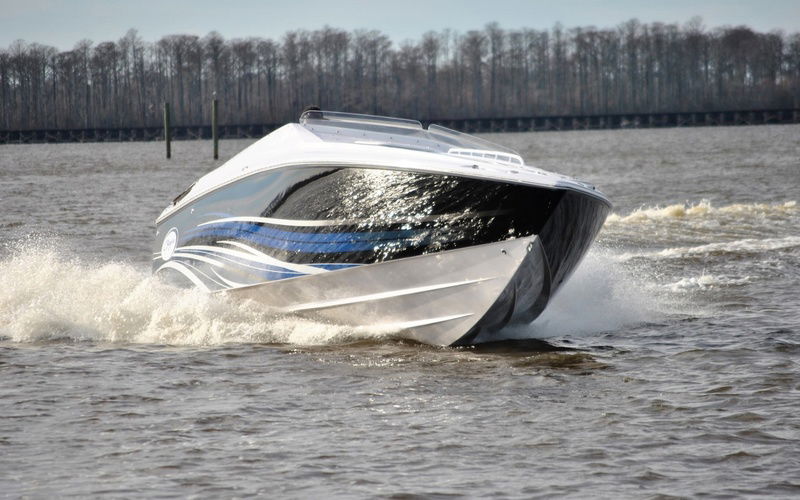
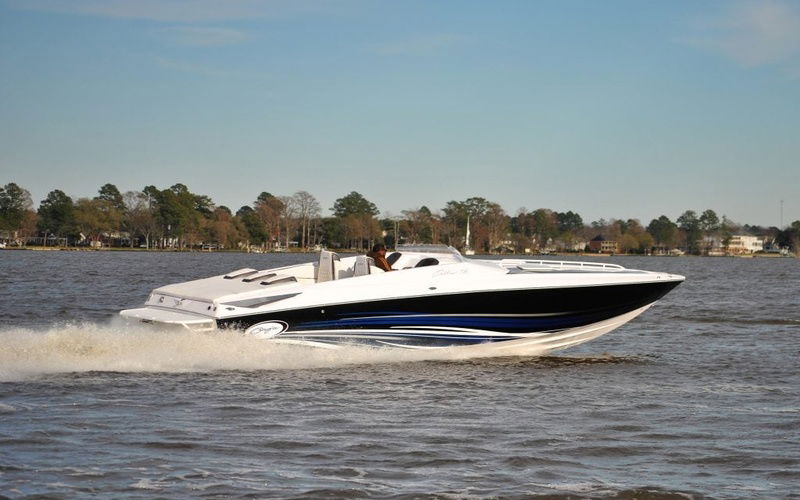
Images have been gathered from various sources and belong to their respective owners.
Latest Market Trends (Latest Available Year Model)
Price: $74,500
Review - Baja 36 Outlaw

MarineBroker
07/09/2024, 3:23 PM
2000 Baja 36 Outlaw: What to Know Before Buying, Maintaining, or Upgrading This Classic Offshore Boat
If you’ve been searching for a 2000 Baja 36 Outlaw, chances are you already know it has a serious reputation. This is the kind of boat that turns heads at the dock, delivers big offshore attitude, and still gets talked about years after leaving the factory. But like any older high-performance boat, owning one comes with a few real-world questions: Is it still a smart buy? What should you inspect first? How do you keep it running strong without getting buried in surprise repairs?
That’s the part many buyers and owners run into. The 2000 Baja 36 Outlaw is exciting, but it’s also a 20-plus-year-old performance boat, which means condition matters more than the badge on the side. The good news is that with the right approach, you can avoid the common mistakes and enjoy what makes this boat special.
In this article, we’ll break down what makes the 36 Outlaw appealing, the most important things to check before buying, and the practical maintenance steps that help keep it reliable. Whether you’re shopping, restoring, or just learning more, this guide will help you make a smarter move.
- What Makes the 2000 Baja 36 Outlaw Stand Out
The 2000 Baja 36 Outlaw sits in a sweet spot for boaters who want performance without stepping into the extreme complexity of a full custom offshore build. Baja built a reputation around fast, aggressive-looking boats that were still fairly approachable for recreational owners.
At around 36 feet, this model offers a strong balance of size and handling. It’s large enough to feel stable in rougher water than smaller go-fast boats, but still manageable for experienced owners who want speed, style, and weekend versatility.
A few reasons people still look for this model:
- Classic offshore styling
- Strong performance potential
- Spacious cockpit for a performance boat
- Good reputation among Baja enthusiasts
- Twin-engine setup on many boats for serious power
For many buyers, the appeal is not just speed. It’s the whole package: the sound, the stance, the cockpit layout, and the nostalgia of owning a true late-90s/early-2000s performance cruiser.
- The Main Problem: Age-Related Wear Can Hide in Plain Sight
The biggest challenge with a 2000 Baja 36 Outlaw is not the design itself. It’s age.
Even a well-cared-for performance boat from 2000 may have issues that aren’t obvious during a quick walkaround. High-performance boats tend to lead harder lives than casual family runabouts. They often see more throttle time, more vibration, and more stress on components.
Common age-related concerns include:
- Engine wear or poor maintenance history
- Outdrive or drivetrain issues
- Soft spots in the deck or transom
- Electrical problems from corrosion
- Fuel system deterioration
- Upholstery and gelcoat wear
- Trailer fatigue if the boat has been moved often
The problem is that many of these issues can look minor at first. A clean exterior doesn’t always mean a healthy boat underneath. That’s why buyers who focus only on appearance often end up spending far more after the purchase.
- How to Evaluate a 2000 Baja 36 Outlaw Before Buying
If you’re shopping for this boat, the smartest move is to inspect it like a technician, not just a fan. A clean hull is nice, but the real value is in the mechanical and structural condition.
Start with these key areas:
- Engines and service records
Ask for maintenance logs, oil change history, and any recent repairs. If the boat has twin engines, compare how each one runs. Uneven wear between engines can signal neglect or hidden problems.
- Compression and performance checks
A compression test can reveal internal engine health. If the numbers vary widely between cylinders, that’s a red flag. You also want to know how the boat starts cold, idles, and accelerates.
- Outdrives and lower units
Check for leaks, corrosion, unusual noise, or signs of water intrusion. These parts take a lot of abuse on performance boats.
- Transom and stringers
Look for soft spots, cracks, or stress around engine mounts and hardware. Structural repairs here can be expensive.
- Fuel system
Older fuel lines, tanks, and filters may need attention. Ethanol-related deterioration is common on boats of this age.
- Electrical system
Test navigation lights, gauges, pumps, switches, and battery charging. Corrosion in connectors is very common on older offshore boats.
- Sea trial
A sea trial is one of the most valuable parts of the buying process. The boat should plane properly, track well, and respond cleanly at different speeds.
If the seller won’t allow a proper inspection or trial, that’s usually a sign to walk away.
- Why the 2000 Baja 36 Outlaw Appeals to Performance Boat Buyers
A lot of people looking at this model are not just after transportation on water. They want the experience. The 36 Outlaw is part of a boating culture that values sound, speed, and presence.
This boat appeals to buyers who want:
- Offshore-style confidence
- A boat that feels exciting at idle and at speed
- Enough cockpit space for friends and family
- A platform that still has a strong enthusiast following
- A model with recognizable heritage
There’s also a practical side to the appeal. Compared with many newer high-performance boats, a used 2000 model can offer a lower entry price. That said, purchase price is only part of the equation. The real cost comes from condition, upgrades, and ongoing maintenance.
That’s why smart buyers focus less on “Can I afford the boat?” and more on “Can I afford to own this specific one?”
- Common Issues Owners Should Watch For
If you already own a 2000 Baja 36 Outlaw, the best way to protect your investment is to stay ahead of the common trouble spots. Older performance boats usually fail in predictable places.
Here are the areas that deserve regular attention:
- Exhaust system wear
Heat, vibration, and age can wear out hoses, manifolds, and related parts.
- Blower and bilge systems
These are safety-critical. Make sure they work every time before running the boat.
- Corrosion around hardware
Stainless fittings, hinges, and brackets can still corrode, especially in saltwater use.
- Upholstery and vinyl cracking
Sun exposure breaks down seating faster than many owners expect.
- Gauges and switches
Electrical gremlins often start small, like a flaky gauge or intermittent switch.
- Steering and controls
Loose or sticky steering can become a serious issue if ignored.
- Trailer condition
If the boat comes with a trailer, inspect tires, bearings, brakes, lights, and frame rust. A neglected trailer can be just as expensive as a neglected boat.
A good rule of thumb: if something seems “a little off,” don’t assume it’s minor. On older offshore boats, small symptoms often point to larger maintenance needs.
- Practical Maintenance Tips for Long-Term Reliability
Owning a performance boat like the 2000 Baja 36 Outlaw is much easier when you stay disciplined about maintenance. The goal is not to fix everything at once. It’s to prevent small issues from becoming big ones.
Here’s a straightforward maintenance plan:
1. Change fluids on schedule
Engine oil, gear lube, and coolant-related fluids should be changed regularly. Don’t stretch intervals just because the boat hasn’t been used much.
2. Inspect fuel lines and filters
Replace aging hoses before they fail. If the boat has sat for long periods, assume the fuel system needs extra attention.
3. Flush after use
If the boat is run in saltwater, flushing is non-negotiable. Salt buildup shortens the life of almost every major system.
4. Check the bilge and pumps
A dry bilge is a good sign, but the pumps still need to be tested. Water intrusion can escalate quickly.
5. Protect the upholstery and gelcoat
Use covers, UV protectant, and proper cleaning products. Sun damage adds up fast.
6. Keep batteries healthy
Older boats are notorious for electrical issues caused by weak batteries or corroded terminals. Test and clean them often.
7. Stay ahead of corrosion
Use dielectric grease where appropriate and inspect metal fittings regularly.
8. Record every service item
A simple maintenance log makes troubleshooting easier and helps preserve value.
If you keep up with these basics, the boat becomes far more enjoyable and far less stressful.
- Upgrades That Make Sense on a 2000 Baja 36 Outlaw
Not every upgrade is worth the money. For an older performance boat, the best improvements are usually the ones that improve reliability, safety, or usability first.
Smart upgrades often include:
- Modern battery charger or charging system
- Updated marine stereo and wiring
- New gauges or digital monitoring
- Fresh upholstery or seat foam
- Improved bilge lighting
- GPS and navigation electronics
- Rebuilt or refreshed fuel system parts
- Better trailer components if needed
Performance upgrades can be tempting, but they should come after the boat is mechanically sound. More horsepower won’t help if the fuel delivery, cooling, or drivetrain is already tired.
For many owners, the best “upgrade” is simply making the boat more dependable and easier to use.
- What a Sea Trial Should Tell You
If you’re buying a 2000 Baja 36 Outlaw, the sea trial is where the truth comes out. A boat can look great on land and still reveal major issues once it’s on plane.
During the trial, pay attention to:
- How quickly it starts
- Whether both engines idle smoothly
- Steering response at low speed
- How it accelerates onto plane
- Any vibration or unusual noise
- Temperature stability
- Trim response
- Handling in turns
- Exhaust smoke or fuel smell
You want the boat to feel predictable. A high-performance hull should feel tight, responsive, and balanced. If it wanders, shakes, overheats, or struggles to plane, those are not small issues.
It’s also smart to test the boat at different speeds rather than only opening it up. Many problems show up in the midrange, not just at full throttle.
- Is the 2000 Baja 36 Outlaw Still a Good Buy?
For the right buyer, yes. The 2000 Baja 36 Outlaw can still be a very appealing boat if it has been maintained properly and priced realistically.
It makes the most sense for someone who:
- Understands older performance boats
- Wants a classic offshore look and feel
- Has a budget for ongoing maintenance
- Is willing to inspect carefully before buying
- Values character and style as much as pure new-boat convenience
It may not be the best choice for someone who wants a low-maintenance boat with minimal upkeep. Older high-performance boats simply don’t work that way. But if you go in with realistic expectations, you can end up with a boat that delivers a lot of personality and fun.
The key is to buy condition, not just the name.
- Tips for Negotiating a Fair Price
Because condition varies so much, pricing on a 2000 Baja 36 Outlaw can be all over the place. One boat may be a bargain, while another looks similar but needs major work.
Before negotiating, factor in:
- Recent engine service
- Outdrive condition
- Upholstery replacement
- Electronics upgrades
- Trailer condition
- Evidence of saltwater use
- Structural repairs
- Storage history
If you find issues during inspection, use them as leverage. It’s better to pay a fair price for a boat that needs a few known fixes than to overpay for one with hidden problems.
A clean survey and sea trial can also help justify a stronger offer if the boat is genuinely well cared for.
- Final Thoughts on Buying and Owning a 2000 Baja 36 Outlaw
The 2000 Baja 36 Outlaw remains a standout choice for boaters who love classic performance style and offshore attitude. But like any older high-performance boat, the real key is condition. A careful inspection, a solid sea trial, and a realistic maintenance plan will tell you far more than the paint or upholstery ever will.
If you’re shopping for one, focus on the mechanicals, structure, and service history first. If you already own one, stay ahead of maintenance and protect the boat from the usual age-related issues. With the right care, this model can still deliver a lot of excitement and a strong ownership experience.
If you want to keep learning, it’s worth reading more about offshore boat inspections, marine engine maintenance, and used performance boat buying tips before making your next move.
Specifications
General
Boat Type: Power Boats
Class Type: Cuddy Cabin
Specifications
Length: 37.07
Beam: 8.5
Draft: 3.35
Hull Material: GRP
Build
First Built: 2000
Propulsion
Fuel Type: Diesel
Engines: 2
Power: 0 HP
Brand: sterndrive
Accomodation
Berths: 2
Cabins: 1
Bathrooms: 1
PROS & CONS
What we appreciated
 Powerful performance with high horsepower engines suitable for high speedsSleek and aggressive design appealing to sport boat enthusiastsSpacious cockpit with comfortable seating for socializingGood handling and maneuverability at various speedsWell-built with quality materials ensuring durability
What we didn’t appreciate
 Older model may require more maintenance and upkeepFuel consumption can be high due to powerful enginesLimited cabin space compared to larger cruisersOutdated electronics and navigation systems unless upgradedMay be less suitable for rough water conditions compared to deeper V-hull boats
Upkeep Costs
Fuel: Approximately $10,000 - $15,000 per year (depending on usage and fuel prices)
Maintenance and Repairs: $3,000 - $6,000 per year
Insurance: $1,500 - $3,000 per year
Storage and Docking: $2,000 - $5,000 per year
Registration and Taxes: $200 - $500 per year

Rating
6.6
User
Score
Score
Driveability
Technology
Interior
Design
Similar Boats


MarineBroker
Download now for an immersive boat experience like never before! ⛵✨ Your journey begins with a simple click. 🌊📲
#SetSailSmart #DownloadNow
#SetSailSmart #DownloadNow

Subscribe
Copyright 2017 - 2026, Marinebroker.net, All Rights Reserved