Boat Database » Admiral Jet Lag
Admiral Jet Lag
Inboard Direct-Drive, Diesel, 2x 2000 HP
Power Boats 2003 Admiral Jet Lag: How to Diagnose Common Problems and Keep Your Boat Running Smoothly
If you’re looking into the 2003 Admiral Jet Lag, chances are you’re trying to figure out what makes this boat tick, what usually goes wrong...
Discover

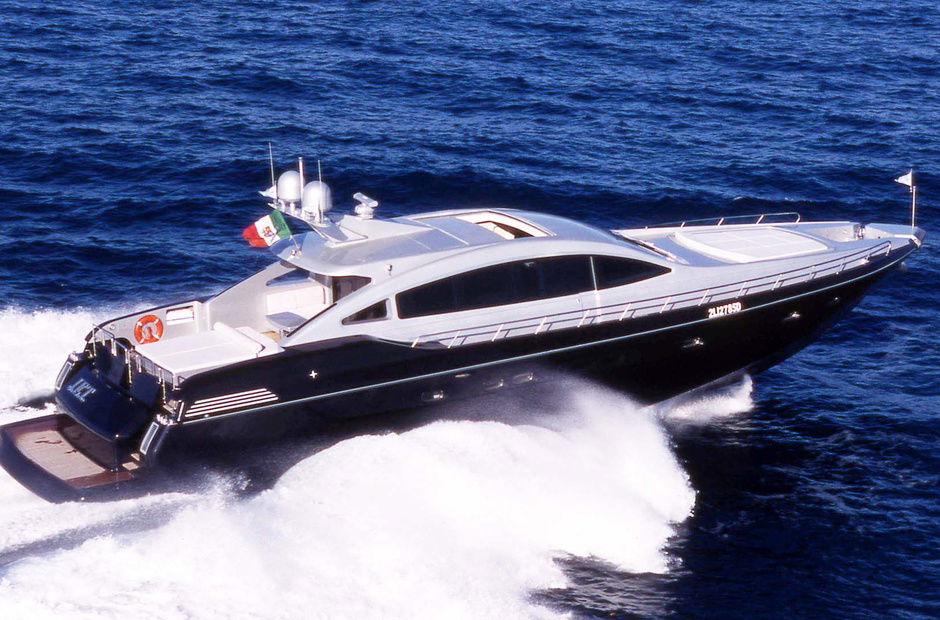
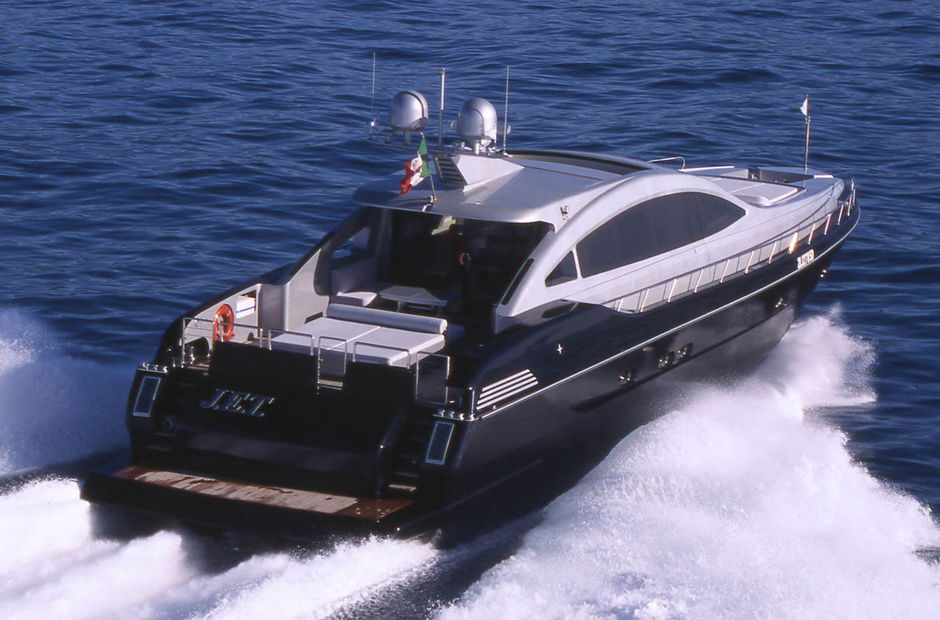
Images have been gathered from various sources and belong to their respective owners.
Review - Admiral Jet Lag

MarineBroker
01/21/2024, 5:45 AM
2003 Admiral Jet Lag: How to Diagnose Common Problems and Keep Your Boat Running Smoothly
If you’re looking into the 2003 Admiral Jet Lag, chances are you’re trying to figure out what makes this boat tick, what usually goes wrong, and how to keep it in good shape without turning every weekend into a repair project. That’s a pretty common situation with older boats. Even a well-built model can start showing signs of age after two decades, especially if it hasn’t been maintained consistently.
The good news is that most issues people run into with a 2003 Admiral Jet Lag are not mysterious. They usually come down to a handful of predictable areas: the engine, jet propulsion system, fuel delivery, electrical components, and general wear from use or storage. Once you know where to look, the boat becomes a lot easier to understand and manage.
In this article, we’ll walk through the most common problem areas, how to spot them early, and what practical steps can help you solve them. Whether you already own one or you’re thinking about buying, this guide should help you make smarter decisions and avoid costly surprises.
- Why the 2003 Admiral Jet Lag Can Develop Issues Over Time
Any boat from 2003 is now old enough that age-related problems are a real factor. That doesn’t mean it’s a bad boat. It just means you need to think like a mechanic and a buyer, not just a rider.
The most common challenge with older jet boats is that systems age at different speeds. A hull can still be solid while hoses, pumps, seals, wiring, and carburetor parts are already worn out. That mismatch is where many headaches begin.
A boat like the 2003 Admiral Jet Lag may also have had multiple owners. If maintenance was inconsistent, small issues can pile up quietly until they become obvious performance problems.
Typical age-related concerns include:
- Hardened fuel lines
- Corroded electrical connections
- Weak batteries
- Impeller wear
- Pump seal leaks
- Dirty carburetors or injectors
- Cracked hoses
- Faded or weakened upholstery and trim
The main takeaway is simple: the boat may still be very usable, but it needs a careful inspection rather than a quick glance.
- The Most Common 2003 Admiral Jet Lag Problems
If you’re trying to solve a problem with a 2003 Admiral Jet Lag, start with the most likely failure points first. That saves time and money.
- Engine Starting Problems
One of the most frustrating issues is when the boat cranks but won’t start, or starts only after several attempts. This often points to a fuel, spark, or battery issue rather than a major engine failure.
Common causes include:
- Weak or old battery
- Bad spark plugs
- Dirty fuel filter
- Stale fuel
- Faulty ignition components
- Corroded wiring connections
A simple starting checklist can help narrow it down. If the battery is strong but the engine still struggles, inspect fuel delivery and ignition before assuming the worst.
- Poor Acceleration or Loss of Power
If the boat starts fine but feels sluggish on the water, the issue may be in the jet system or fuel system. Older jet boats often lose performance because the impeller or wear ring has worn down.
Possible causes:
- Worn impeller
- Debris in the intake
- Clogged fuel filter
- Restricted fuel flow
- Engine tuning problems
- Water in the fuel
This is one of the most common complaints with aging jet boats. The boat may still run, but it won’t feel as responsive as it should.
- Jet Pump Problems
Since the 2003 Admiral Jet Lag uses jet propulsion, the pump system is a big deal. Even minor wear in this area can affect speed, steering response, and efficiency.
Watch for:
- Cavitation
- Unusual vibration
- Reduced thrust
- Grinding or rattling noises
- Water leaking around seals
A worn impeller or damaged wear ring can make the boat feel weak, especially when accelerating. If steering feels loose or inconsistent, the pump and nozzle area should be checked too.
- Electrical Gremlins
Older boats are notorious for electrical issues. Sometimes the boat works fine one day and acts strange the next.
Common symptoms:
- Lights not working
- Gauge failures
- Starter clicking
- Intermittent power loss
- Blown fuses
Usually, the root cause is not complicated. Corrosion, loose terminals, damaged grounds, or aging switches are often to blame. The trick is to inspect methodically instead of replacing parts randomly.
- Fuel System Trouble
Fuel problems are extremely common in older boats. Gasoline breaks down over time, and rubber components can deteriorate.
Signs of fuel system trouble:
- Hard starting
- Rough idle
- Hesitation under throttle
- Fuel smell
- Engine stalling
- Poor top-end performance
If the boat has been sitting, old fuel may be the first thing to address. In many cases, draining stale fuel and cleaning the system solves more than people expect.
- How to Inspect a 2003 Admiral Jet Lag Before You Buy or Use It
If you’re considering a 2003 Admiral Jet Lag, a careful inspection is the best way to avoid expensive surprises. You don’t need to be a certified mechanic to catch many of the obvious warning signs.
- Start with the Hull
Look closely for:
- Cracks
- Soft spots
- Major scratches
- Repairs or patches
- Signs of impact damage
A clean hull with no structural issues is a very good sign. Cosmetic wear is normal, but deeper damage should be checked carefully.
- Check the Jet Intake and Impeller Area
This is one of the most important areas on any jet boat. Inspect for:
- Debris lodged in the intake
- Bent or chipped impeller blades
- Excessive wear
- Corrosion
- Loose or damaged hardware
If possible, ask for a water test. A boat may look fine on land but show cavitation or performance loss once underway.
- Review the Engine Bay
Open the engine compartment and look for:
- Oil leaks
- Fuel leaks
- Rust
- Loose hoses
- Brittle wires
- Corrosion around terminals
A clean engine bay usually suggests better maintenance. Heavy grime or corrosion doesn’t automatically mean the boat is bad, but it does mean you should dig deeper.
- Test the Electrical System
Turn everything on and see what works. Check:
- Starter
- Navigation lights
- Dash gauges
- Bilge pump
- Horn
- Accessories
Intermittent failures often point to aging wiring or poor grounds. Those issues are fixable, but they can take time to trace.
- Practical Ways to Solve Common 2003 Admiral Jet Lag Issues
Now let’s talk fixes. The best solution is usually a mix of preventative maintenance and targeted repairs.
- Refresh the Fuel System
If you’re dealing with hard starts, rough running, or fuel smell, begin here.
Helpful steps:
- Drain old fuel
- Replace fuel filters
- Inspect fuel lines for cracks
- Clean carburetor or injectors if needed
- Add fresh fuel with the correct stabilizer
This simple refresh often makes a huge difference in older boats.
- Service the Jet Pump
If the boat lacks power or feels sluggish, inspect the pump carefully.
What to do:
- Check impeller condition
- Measure wear ring clearance if possible
- Remove debris from the intake
- Inspect seals and bearings
- Replace worn components
A healthy pump makes the boat feel much more responsive. On a jet boat, this is not optional maintenance.
- Replace Aging Electrical Parts
Electrical problems are often solved by cleaning and replacing a few key parts.
Focus on:
- Battery terminals
- Ground connections
- Fuses
- Switches
- Corroded connectors
Dielectric grease can help protect cleaned connections from future corrosion. If wiring insulation is cracking, replacement is usually the safest move.
- Keep Up With Cooling and Hoses
Older boats can develop cooling problems when hoses and clamps age out. Overheating can lead to bigger engine damage fast.
Inspect:
- Cooling hoses
- Clamps
- Water pump components
- Thermostat
- Intake screens
If any hose feels brittle or swollen, replace it before it fails on the water.
- Clean and Protect the Interior
While not a mechanical issue, interior condition matters because it reflects how the boat was treated overall.
Look at:
- Seats
- Carpet or flooring
- Dash panels
- Storage compartments
- Upholstery stitching
Sun damage, moisture, and mold are common in older boats. A clean, dry interior usually means the boat has been stored better.
- Maintenance Habits That Prevent Bigger Problems
The best way to keep a 2003 Admiral Jet Lag reliable is to stay ahead of wear. Boats don’t usually fail all at once. They give warning signs first.
Good habits include:
- Flushing the engine after use
- Rinsing saltwater exposure immediately
- Using fresh fuel
- Running a fuel stabilizer during storage
- Checking battery health regularly
- Inspecting the pump and intake often
- Winterizing properly if stored in cold weather
Even a simple monthly inspection can catch small issues before they become expensive repairs.
- When the 2003 Admiral Jet Lag Is Worth Repairing
Not every old boat is worth saving, but many are. The decision usually depends on three things:
- Hull condition
- Engine health
- Cost of repairs compared with value
If the hull is solid and the engine has good compression, the boat may be a strong candidate for repair and continued use. On the other hand, if you’re facing major structural damage plus engine and pump problems, costs can add up quickly.
A good rule of thumb: if the core systems are sound, repairs are usually worth it. If the boat has multiple major failures at once, compare the total repair estimate to the cost of a better-maintained alternative.
- What Buyers Should Ask Before Making a Decision
If you’re shopping for a 2003 Admiral Jet Lag, ask direct questions. Clear answers tell you a lot about how the boat was cared for.
Ask about:
- Last engine service
- Fuel system maintenance
- Pump repairs or upgrades
- Storage history
- Saltwater or freshwater use
- Any known leaks
- Battery age
- Winterization history
Also ask for maintenance records if available. Even partial records can reveal whether the boat was regularly cared for or mostly ignored.
- Signs You Should Walk Away
Sometimes the smartest solution is not a repair. It’s avoiding a bad purchase or a money pit.
Be cautious if you see:
- Severe hull damage
- Heavy corrosion throughout the engine bay
- Evidence of major water intrusion
- Repeated electrical failures
- Obvious neglect
- No service history at all
- Engine smoke, knocking, or overheating during a test
A boat with one or two manageable issues can be a good project. A boat with multiple major red flags may turn into an expensive headache.
- Conclusion
The 2003 Admiral Jet Lag can still be a practical and enjoyable boat if you understand its common problem areas and stay ahead of maintenance. Most issues come down to predictable wear in the fuel system, electrical connections, jet pump, and hoses rather than anything mysterious. With a careful inspection and a few smart repairs, many of these boats can keep performing well.
If you own one, focus on prevention: clean fuel, a healthy battery, a well-maintained pump, and regular inspections. If you’re buying one, look closely at the hull, engine bay, and service history before making a decision. A little attention now can save you a lot of frustration later, and it helps you enjoy the boat the way it was meant to be used.
Specifications
General
Boat Type: Power Boats
Class Type: Mega Yacht
Specifications
Length: 87.27
Beam: 21.33
Hull Material: Aluminium
Build
First Built: 2003
Propulsion
Fuel Type: Diesel
Engines: 2
Power: 2000 HP
Brand: MTU
Accomodation
Cabins: 3
PROS & CONS
What we appreciated
 Classic and unique design with a nostalgic appealSpacious interior for a boat of its sizeSolid build quality typical of early 2000s constructionGood handling and maneuverability with jet propulsionLower draft allows access to shallow waters
What we didn’t appreciate
 Older model may require more maintenance and repairsJet propulsion can be less fuel-efficient than traditional propellersLimited availability of replacement parts due to ageOutdated onboard electronics and amenitiesSmaller engine power compared to modern equivalents
Upkeep Costs
Fuel: Approximately $1,500 - $3,000 per year depending on usage
Maintenance and Repairs: Around $1,000 - $2,500 annually
Insurance: Typically $300 - $700 per year
Storage and Mooring: $500 - $2,000 annually depending on location
Registration and Taxes: $100 - $300 per year

Rating
8.0
User
Score
Score
Driveability
Technology
Interior
Design
Similar Boats


MarineBroker
Download now for an immersive boat experience like never before! ⛵✨ Your journey begins with a simple click. 🌊📲
#SetSailSmart #DownloadNow
#SetSailSmart #DownloadNow

Subscribe
Copyright 2017 - 2026, Marinebroker.net, All Rights Reserved