Boat Database » Azimut Persistence
Azimut Persistence
Inboard Direct-Drive, Diesel, 2x 0 HP
Power Boats 2010 Azimut Persistence: What Buyers Should Know Before Making a Move
If you’re researching the 2010 Azimut Persistence, you’re probably trying to answer a pretty common question: is this yacht still a smart buy, and what should ...
Discover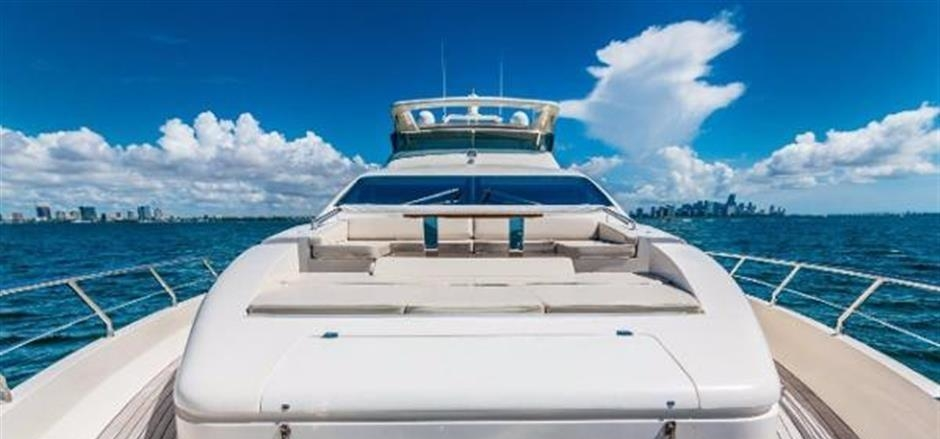
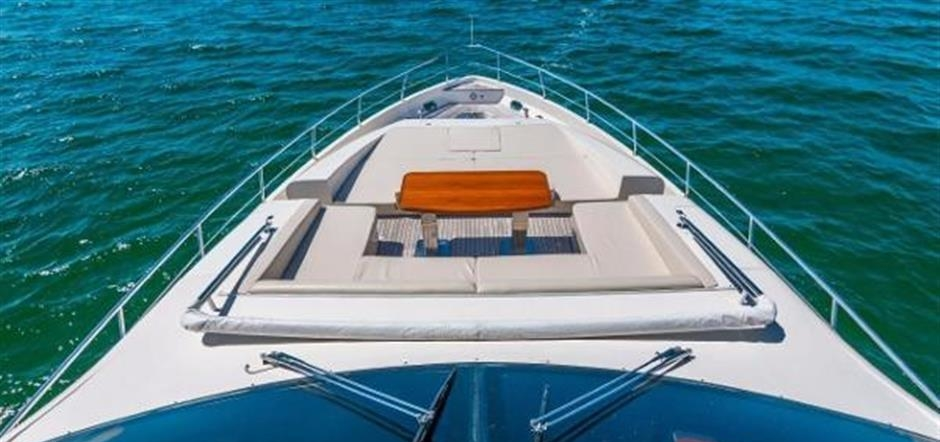
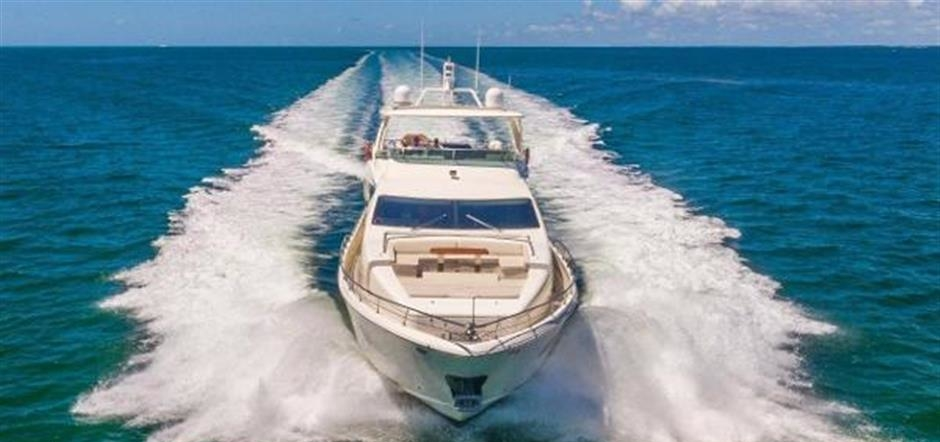
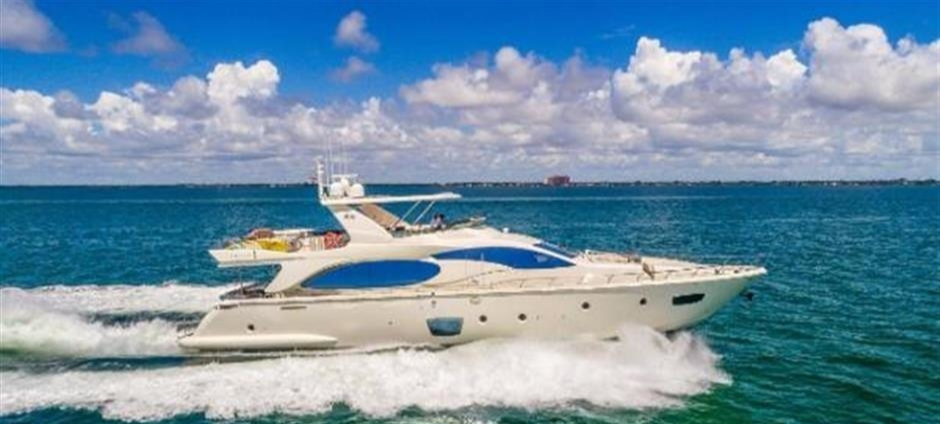
Images have been gathered from various sources and belong to their respective owners.
Review - Azimut Persistence

MarineBroker
08/07/2024, 4:06 AM
2010 Azimut Persistence: What Buyers Should Know Before Making a Move
If you’re researching the 2010 Azimut Persistence, you’re probably trying to answer a pretty common question: is this yacht still a smart buy, and what should you watch out for before committing? That’s a fair concern. A boat from 2010 can still offer a lot of value, but only if you understand its condition, upkeep history, and what ownership really looks like beyond the glossy photos.
The challenge with any used yacht is that age alone doesn’t tell the whole story. A well-maintained vessel can outperform a newer one that’s been neglected, while a neglected boat can turn into a money pit fast. With a model like the 2010 Azimut Persistence, the real issue is not just whether it looks good on paper, but whether it has been cared for properly, surveyed thoroughly, and matched to your cruising habits and budget.
The good news? You can avoid most costly mistakes with a smart inspection process, a realistic ownership plan, and a clear understanding of what this yacht is best suited for. Let’s break it down in a practical way.
- What Makes the 2010 Azimut Persistence Worth a Closer Look
Azimut has built a strong reputation in the yacht world for styling, performance, and Italian craftsmanship. The 2010 Azimut Persistence sits in that sweet spot where modern design meets used-market value, which is exactly why it attracts so much attention from buyers.
For many people, the appeal comes down to a few things:
- Strong brand recognition
- Stylish exterior and interior design
- Comfortable layout for cruising
- Good resale interest compared with lesser-known alternatives
That said, a yacht like this also comes with the usual used-boat questions. Engine hours, service records, electronics age, upholstery condition, and maintenance history all matter a lot. In other words, the boat’s current condition matters more than the model year alone.
If you’re shopping in this segment, the real goal is to separate “well-kept and ready” from “looks great until the first yard bill arrives.”
- The Main Problem Buyers Face With a 2010 Yacht
The biggest issue people run into with a 2010 Azimut Persistence is hidden ownership cost. A boat can appear reasonably priced, but the real expenses often show up later in the form of mechanical repairs, cosmetic updates, and systems replacement.
Common surprises include:
- Aging electronics that no longer meet current expectations
- Worn soft goods like cushions, carpet, and upholstery
- Teak deck repairs or refinishing needs
- Generator or air-conditioning maintenance
- Engine service backlogs from inconsistent upkeep
- Corrosion or moisture-related issues in older systems
This is why many used-yacht buyers feel torn. The boat may offer excellent value, but they worry about inheriting someone else’s shortcuts. That concern is valid.
The solution is not to avoid the boat entirely. It’s to evaluate it like a serious purchase, not just a lifestyle dream. A careful inspection and a realistic budget can turn uncertainty into confidence.
- How to Evaluate the 2010 Azimut Persistence Properly
Before anything else, focus on the boat’s history. A clean-looking yacht without records is still a risk. The best way to judge a used Azimut is to ask the right questions and verify the answers.
Here’s what to review:
1. Maintenance records
Look for consistent engine servicing, generator care, oil changes, and seasonal upkeep. Gaps in records are often a warning sign.
2. Engine hours and usage pattern
Low hours are not automatically better. A boat that sits too long can develop its own issues. Steady, well-documented use is often healthier than long periods of inactivity.
3. Survey results
A professional marine survey is essential. Pay special attention to moisture readings, structural integrity, electrical systems, and propulsion condition.
4. Sea trial performance
The boat should start cleanly, idle smoothly, and accelerate without unusual vibration, smoke, or overheating.
5. Cosmetic condition
Cosmetics matter less than systems, but they still reveal how the yacht has been treated. Neglected finishes often hint at neglected maintenance.
If you’re seriously considering the 2010 Azimut Persistence, think of the survey as your best protection. It’s not just a formality; it’s your leverage and your safety net.
- 2010 Azimut Persistence: Common Areas to Inspect
Every used yacht has areas that deserve extra attention, and this one is no exception. The goal is not to scare you off. It’s to help you inspect intelligently.
- Engines and propulsion
Check for oil leaks, coolant issues, belt wear, and service history. Also ask when major maintenance items were last handled.
- Generator and electrical systems
A weak generator or aging battery system can make cruising frustrating fast. Test everything under load.
- Air conditioning and plumbing
These systems are easy to overlook until they fail. Make sure pumps, drains, and freshwater systems are working properly.
- Hull and deck condition
Look for stress cracks, evidence of previous repairs, or moisture intrusion. If the boat has teak, inspect for uneven wear or loose sections.
- Interior systems
Lighting, appliances, entertainment systems, and cabinetry should all be checked. Older yachts often need updates here.
- Navigation electronics
Some older systems may still function but feel dated. Decide whether you’re okay with that or want to budget for an upgrade.
A smart buyer doesn’t just ask, “Does it work today?” They ask, “How much will I spend to keep it working next season?”
- What Ownership Really Looks Like
One of the most overlooked parts of buying a yacht is understanding the lifestyle and maintenance rhythm. The 2010 Azimut Persistence may be a great fit if you want a stylish cruiser and are comfortable with hands-on ownership or professional management.
Typical ownership responsibilities include:
- Routine engine and generator servicing
- Bottom cleaning and anti-fouling maintenance
- Battery monitoring and replacement
- Upholstery and exterior care
- Winterization or seasonal commissioning
- Annual survey and insurance review
If you plan to use the boat often, this kind of maintenance becomes part of the routine. If you plan to keep it as a weekend cruiser, you’ll still need a reliable service team.
The practical solution is to build a yearly ownership budget before buying. That budget should include:
- Maintenance
- Dockage
- Fuel
- Insurance
- Haul-out and storage
- Cosmetic refreshes
- Unexpected repairs
A lot of buyers focus only on purchase price, but the real question is whether the ongoing cost fits your comfort zone.
- How the 2010 Azimut Persistence Fits Different Types of Buyers
Not every yacht is right for every owner. The 2010 Azimut Persistence tends to appeal to buyers who want a balance of style, performance, and comfort without paying brand-new yacht prices.
It may be a good fit if you are:
- Upgrading from a smaller cruiser
- Looking for a family-friendly weekend yacht
- Interested in entertaining onboard
- Comfortable with scheduled maintenance and periodic upgrades
- Shopping for value in the used luxury market
It may not be the best fit if you want:
- Minimal maintenance responsibility
- The newest technology only
- A fully turnkey yacht with no upcoming work
- Very low operating costs
That doesn’t mean the boat is problematic. It just means expectations matter. A used luxury yacht is best approached with a clear plan and a realistic mindset.
- Smart Buying Strategy for a Used Azimut
If you’re serious about this boat, the smartest move is to treat the purchase like a project with steps, not a quick decision. That keeps emotions from taking over.
Here’s a simple process:
- Step 1: Research comparable listings
Compare condition, engine hours, refit history, and asking prices.
- Step 2: Review service records
Ask for everything: invoices, winterization logs, and repair notes.
- Step 3: Hire a qualified surveyor
Choose someone experienced with European motor yachts and systems.
- Step 4: Sea trial the boat
Run it at idle, cruising speed, and higher RPMs if appropriate.
- Step 5: Estimate post-purchase costs
Include upgrades, repairs, and immediate maintenance.
- Step 6: Negotiate based on findings
Use survey results and service gaps to support your offer.
This approach works because it turns guesswork into facts. And with a yacht like the 2010 Azimut Persistence, facts matter more than first impressions.
- Practical Upgrades That Add Real Value
If you buy the boat, you may want to improve it gradually instead of doing everything at once. That’s usually the most sensible way to handle an older yacht.
High-value upgrades often include:
- Modern chartplotter and navigation electronics
- LED lighting conversion
- Updated upholstery and soft goods
- New AV or audio systems
- Battery bank improvements
- Fresh canvas or exterior covers
- Professional detailing and teak restoration
These upgrades can make the yacht feel significantly newer without requiring a full refit. The key is to prioritize function first, then appearance.
For example, replacing outdated electronics may improve confidence and usability more than a purely cosmetic refresh. On the other hand, if the boat is already mechanically strong, a new interior package can make ownership more enjoyable right away.
- Why Inspections Matter More Than Brand Reputation
Azimut is a respected name, but brand reputation should never replace due diligence. Even a well-known model can have issues if it was poorly maintained or heavily used.
A thorough inspection helps you answer questions like:
- Has the boat been professionally maintained?
- Are there signs of deferred maintenance?
- Will the next 12 months require major spending?
- Is the asking price realistic for the condition?
This is especially important for boats from 2010, because systems age at different rates. Some items may still be solid, while others are near the end of their service life. That’s normal. The trick is knowing what you’re buying into.
If the survey is clean and the records are strong, the 2010 Azimut Persistence can be a compelling option. If not, walk away or negotiate hard.
- How to Avoid Buyer Regret
Buyer regret usually happens when expectations and reality don’t match. The easiest way to avoid that is to be honest about your budget, your usage, and your tolerance for maintenance.
A few simple rules help a lot:
- Never buy based on appearance alone
- Always assume some work will be needed
- Keep a reserve fund for surprises
- Get a second opinion if anything feels off
- Don’t rush because the listing looks “too good to miss”
A good yacht purchase should feel exciting, but it should also feel controlled. If the numbers, survey, and history all make sense, you’re in a much better position.
- Final Thoughts Before You Decide
The 2010 Azimut Persistence can be a smart choice for buyers who want a stylish, capable used yacht with strong appeal in the luxury cruising market. But like any older vessel, its value depends heavily on condition, maintenance history, and how well it fits your ownership style.
The best way to approach it is with a practical mindset: inspect carefully, budget realistically, and focus on systems as much as looks. If the boat checks out, it can offer a rewarding ownership experience. If not, keep looking until the numbers and condition line up.
If you’re in the research phase, take your time, compare options, and lean on a qualified surveyor before making a move. That one step can save you a lot of stress later.
Specifications
General
Boat Type: Power Boats
Class Type: Mega Yacht
Specifications
Length: 87.93
Beam: 21
Draft: 5.91
Hull Material: GRP
Build
First Built: 2010
Propulsion
Fuel Type: Diesel
Engines: 2
Power: 0 HP
Brand: Unknown
Accomodation
Cabins: 4
PROS & CONS
What we appreciated
 Sleek and stylish Italian designSpacious interior with comfortable accommodationsPowerful twin engines offering good performanceHigh-quality craftsmanship and luxury finishesGood handling and stability for a boat of its size
What we didn’t appreciate
 Older model, may require more maintenanceFuel consumption can be high due to powerful enginesLimited storage space compared to newer modelsElectronics and navigation systems may be outdatedParts and service can be expensive due to brand premium
Upkeep Costs
Fuel: Approximately $15,000–$25,000 per year depending on usage
Maintenance and repairs: Around $8,000–$12,000 annually
Docking and storage fees: $5,000–$15,000 per year depending on location
Insurance: $2,000–$4,000 per year
Annual registration and taxes: $500–$1,500

Rating
8.1
User
Score
Score
Driveability
Technology
Interior
Design
Similar Boats


MarineBroker
Download now for an immersive boat experience like never before! ⛵✨ Your journey begins with a simple click. 🌊📲
#SetSailSmart #DownloadNow
#SetSailSmart #DownloadNow

Subscribe
Copyright 2017 - 2026, Marinebroker.net, All Rights Reserved