Boat Database » Abeking & Rasmussen Kaiser
Abeking & Rasmussen Kaiser
Inboard Direct-Drive, Diesel, 2x 1887 HP
Power Boats 2011 Abeking & Rasmussen Kaiser: What Buyers and Enthusiasts Should Know Before Choosing a Superyacht
If you’ve been searching for information on the 2011 Abeking & Rasmussen Kaiser, you’re probably already aware that this is not...
Discover
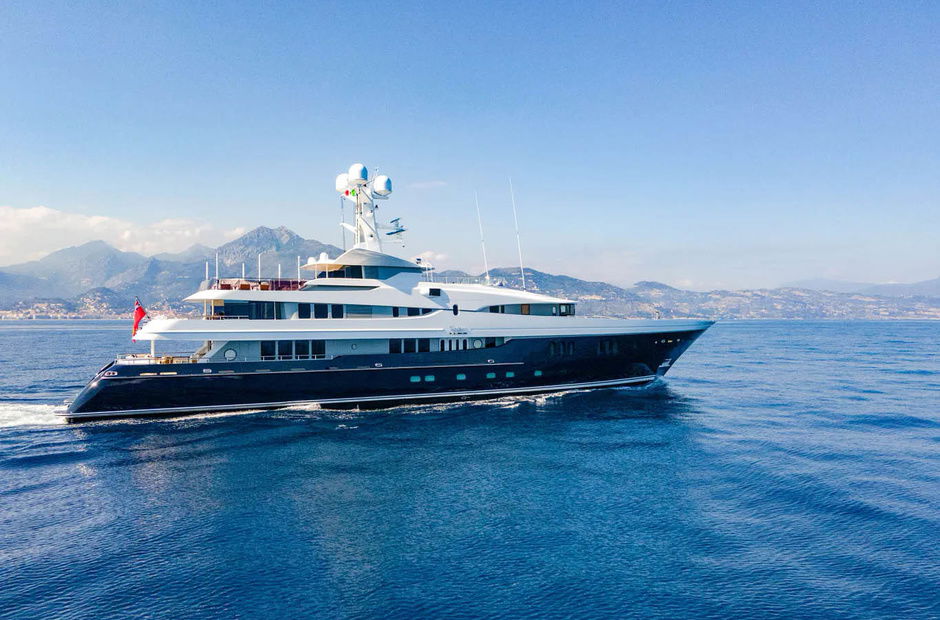
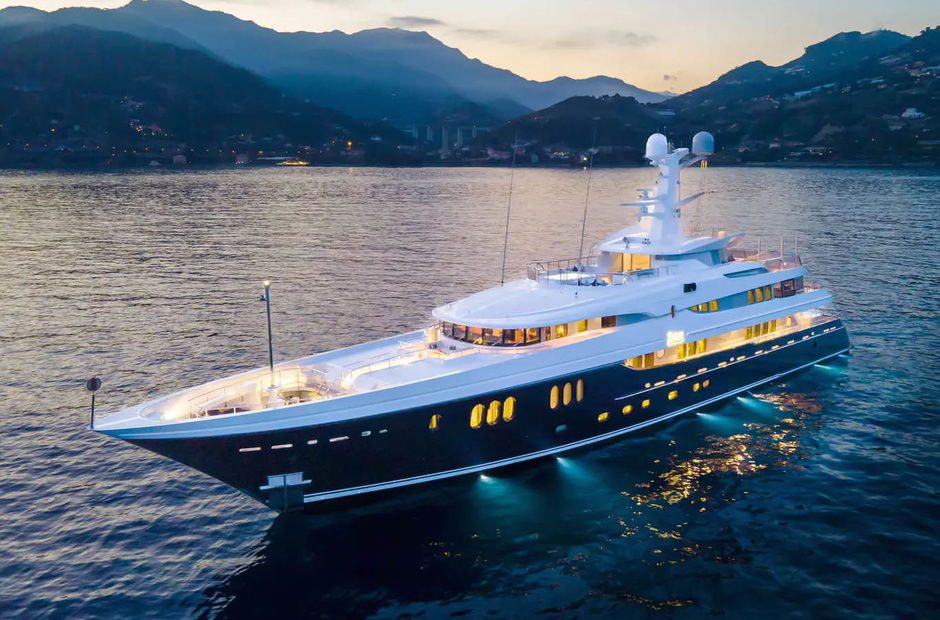

Images have been gathered from various sources and belong to their respective owners.
Review - Abeking & Rasmussen Kaiser

MarineBroker
01/18/2024, 3:36 PM
2011 Abeking & Rasmussen Kaiser: What Buyers and Enthusiasts Should Know Before Choosing a Superyacht
If you’ve been searching for information on the 2011 Abeking & Rasmussen Kaiser, you’re probably already aware that this is not just another yacht listing. It’s the kind of vessel that turns heads for its craftsmanship, pedigree, and presence on the water. But for many people interested in a yacht like this, the real challenge isn’t admiration — it’s figuring out whether it truly fits their needs, what to look for before making a move, and how to avoid costly mistakes when evaluating a high-end yacht.
That’s where the problem usually starts. A yacht of this caliber can look flawless in photos and still have important details hidden beneath the surface. Maintenance history, refit records, technical condition, layout suitability, and operating costs all matter just as much as the name on the hull. If you’re considering the 2011 Abeking & Rasmussen Kaiser, the smart approach is to look beyond the elegance and focus on practical ownership questions.
The good news? With the right checklist and a clear understanding of what makes this yacht special, you can make a much more confident decision.
- What Makes the 2011 Abeking & Rasmussen Kaiser Stand Out
Abeking & Rasmussen has long been associated with exceptional German shipbuilding, and that reputation matters. A yacht like the 2011 Abeking & Rasmussen Kaiser reflects a level of engineering and finish that appeals to experienced owners who value build quality as much as luxury.
What typically draws people to a yacht from this builder is the combination of:
- Solid construction
- Refined interior craftsmanship
- Strong seakeeping capability
- Attention to detail in mechanical systems
- A design philosophy that prioritizes long-term usability
For buyers and enthusiasts, this creates an important advantage. Instead of chasing flashy features that may age quickly, a well-built yacht often offers better reliability, better resale potential, and a more satisfying ownership experience over time.
That said, the name alone should never replace a proper evaluation. Even a premium yacht needs a careful review of condition, systems, and operating requirements.
- The Real Problem: How to Judge a Superyacht Beyond Its Reputation
When people get interested in a yacht like the 2011 Abeking & Rasmussen Kaiser, the biggest mistake is assuming that a prestigious builder automatically means the yacht is ready to go. In reality, any 2011 vessel has lived through years of use, possible refits, and varying maintenance standards.
The real problem is separating image from substance.
Here are the most common concerns buyers run into:
- Hidden maintenance backlog
- Outdated navigation or entertainment systems
- Wear in high-use areas such as decks, guest cabins, and crew spaces
- Mechanical systems nearing service intervals
- Fuel efficiency and operating cost surprises
- Layout not matching the buyer’s cruising style
This matters because superyacht ownership is not just about purchase price. The ongoing cost of upkeep can quickly become the bigger issue if the yacht hasn’t been maintained consistently.
A beautiful yacht can still become a headache if:
- The service records are incomplete
- The refit history is unclear
- The engine room has deferred maintenance
- The interior shows cosmetic upgrades but technical neglect
- The vessel’s layout doesn’t support your actual use case
So the key question isn’t, “Is it impressive?” It’s, “Is it the right yacht for the way I plan to use it?”
- Understanding the 2011 Abeking & Rasmussen Kaiser in Context
The 2011 Abeking & Rasmussen Kaiser belongs to a category of yachts that often attract serious buyers who care about quality, engineering, and long-term value. For that reason, it’s worth evaluating this yacht the same way an experienced captain or surveyor would.
Instead of focusing only on aesthetics, look at the yacht through these lenses:
- Structural condition
- Machinery condition
- Electrical and electronic systems
- Interior wear and refit quality
- Crew workflow and storage
- Range and efficiency
- Compliance and classification status
A yacht from 2011 may still be highly desirable if it has been maintained well and updated intelligently. In fact, many yachts from this era offer an excellent balance between modern design and proven reliability.
The challenge is that not all updates are equal. A fresh upholstery job looks nice, but it doesn’t tell you much about the condition of the generators, stabilizers, plumbing, or air conditioning. That’s why the smartest buyers dig into the technical details first.
- What to Check Before You Commit to a Yacht Like This
If you’re seriously considering the 2011 Abeking & Rasmussen Kaiser, the best solution is a structured pre-purchase evaluation. This protects you from surprises and gives you a realistic picture of ownership.
Here’s a practical checklist:
- Review full maintenance logs
- Confirm major engine and generator service history
- Inspect stabilizers, thrusters, and hydraulic systems
- Check for evidence of corrosion or water intrusion
- Evaluate repainting and exterior finish quality
- Review recent upgrades to navigation and communication systems
- Inspect safety equipment and compliance records
- Assess crew accommodations and operational layout
- Verify class and flag documentation
- Compare onboard systems against current cruising plans
A professional survey is essential, but your own priorities matter too. For example, if you plan to cruise frequently with family, guest comfort and noise control may be more important than maximum speed. If you plan to charter or entertain often, layout and deck flow may matter more than private owner features.
This is where many buyers save themselves trouble: they define their use case first, then evaluate the yacht against it.
- Why Maintenance History Matters More Than Cosmetics
One of the most common traps in yacht buying is being impressed by presentation alone. A polished interior and spotless decks are nice, but they don’t guarantee the yacht is mechanically sound.
With a yacht like the 2011 Abeking & Rasmussen Kaiser, maintenance history is often the single most important factor in determining value.
Look for signs of:
- Regular engine servicing
- Scheduled preventive maintenance
- Proper winterization or lay-up procedures
- Refit documentation with dates and invoices
- Replacement of wear items before failure
- Records of professional yard work, not just owner notes
A well-documented yacht usually tells a story of consistent care. That kind of record can also make future ownership easier because you’ll know what has already been addressed and what may need attention next.
On the other hand, vague records can mean uncertainty. And uncertainty is expensive on a superyacht.
- How to Match the Yacht to Your Cruising Style
The right yacht for one owner may be wrong for another. That’s especially true for a vessel like the 2011 Abeking & Rasmussen Kaiser, where the design and engineering may suit certain use patterns better than others.
Ask yourself these questions:
- Will I cruise privately or entertain guests often?
- Do I need long-range capability?
- Is crew efficiency important to me?
- Will I spend more time in port or offshore?
- Do I want a quiet, stable ride?
- How many guests do I realistically host?
If you mostly want relaxed family cruising, you’ll likely prioritize comfort, stability, and ease of operation. If you plan longer passages, you’ll want to focus on fuel consumption, machinery reliability, and service access. If entertaining is the goal, then deck spaces, dining areas, and guest flow become more important.
A yacht should support your lifestyle, not force you to adapt to a layout that doesn’t fit.
- Practical Tips for Evaluating a 2011 Superyacht
A yacht from 2011 can still feel current if it has been maintained and updated properly. But because technology and standards evolve quickly, it’s important to check more than just the basics.
Here are some practical tips:
1. Bring in the right experts
Use a qualified marine surveyor, technical consultant, and if needed, a captain familiar with similar yachts.
2. Focus on systems, not just surfaces
Paint, carpets, and décor can be refreshed. Engines, wiring, and plumbing are more expensive to correct.
3. Test real-world functionality
Run systems under load. Check air conditioning, stabilizers, water makers, and navigation electronics in actual operating conditions.
4. Review refit quality carefully
A good refit adds value only if it was done professionally and documented well.
5. Compare operating costs
Ask for fuel burn estimates, crew requirements, dockage expectations, and annual maintenance budgets.
6. Think about resale from day one
Even if you plan to keep the yacht for years, a well-chosen vessel will be easier to exit later.
These steps help transform a decision based on emotion into one based on confidence.
- The Role of Refits and Upgrades in Preserving Value
For a yacht like the 2011 Abeking & Rasmussen Kaiser, refits can make a huge difference. A well-executed refit can refresh the yacht’s appearance, improve functionality, and extend service life.
The best refits usually address:
- Mechanical overhauls
- Electronics and navigation updates
- Interior modernization
- Exterior paint and teak restoration
- Noise and vibration reduction
- Safety and compliance improvements
But not every refit adds equal value. Cosmetic updates are useful, yet the strongest value comes from upgrades that improve reliability and usability.
For example:
- New navigation systems can improve safety and simplify operation
- Reconditioned engines can reduce downtime
- Updated stabilization can make cruising more comfortable
- Improved insulation can reduce noise and enhance guest experience
If you’re evaluating this yacht, ask what has been done recently and why. A thoughtful refit is usually a sign of proactive ownership. A patchwork of incomplete upgrades may suggest the opposite.
- Common Buyer Mistakes to Avoid
Even experienced yacht enthusiasts can make simple mistakes when evaluating a prestige vessel.
Here are a few to avoid:
- Falling in love with the brand before checking condition
- Ignoring annual operating costs
- Skipping a detailed survey
- Overlooking crew and maintenance requirements
- Assuming all upgrades were done to the same standard
- Not testing the yacht in realistic conditions
One of the biggest errors is buying for prestige instead of practicality. A yacht can be famous, beautifully built, and still not be the right match for your intended use. That’s why the smartest buyers slow down and ask better questions.
If the numbers, systems, and layout all make sense, then the yacht becomes much more than an impressive name.
- Why the 2011 Abeking & Rasmussen Kaiser Appeals to Serious Enthusiasts
The reason people keep searching for the 2011 Abeking & Rasmussen Kaiser is simple: yachts like this offer a rare mix of craftsmanship, presence, and technical credibility. For enthusiasts, that combination is hard to ignore.
It appeals to buyers who value:
- Proven shipbuilding heritage
- Elegant design with substance
- Comfortable cruising capability
- Long-term ownership potential
- A yacht that feels refined rather than overdone
In many ways, that’s the real attraction. It’s not just about owning a luxury vessel. It’s about owning something built with care and designed to perform well over time.
That said, the best ownership experience comes from disciplined evaluation. The more you understand the yacht’s history, condition, and operating profile, the more likely you are to enjoy it without unpleasant surprises.
- A Smart Way to Move Forward
If you’re interested in the 2011 Abeking & Rasmussen Kaiser, the best solution is to approach it like a serious maritime investment, not just a dream purchase. Start by defining how you plan to use the yacht, then compare that against the vessel’s actual condition and capabilities.
A good process usually includes:
- Technical survey
- Sea trial
- Maintenance record review
- Budget planning for ongoing ownership
- Refit and upgrade assessment
- Expert advice from a captain or yacht consultant
When you do that, you’re not just buying a yacht. You’re making a well-informed decision that supports your lifestyle and protects your investment.
- Conclusion
The 2011 Abeking & Rasmussen Kaiser stands out because it combines pedigree, craftsmanship, and serious superyacht appeal. But the smartest way to approach a yacht like this is to look beyond the name and focus on condition, maintenance history, layout fit, and operating costs. Those factors will tell you far more about real ownership value than photos or reputation alone.
If you take the time to evaluate the yacht properly, you’ll be in a much better position to decide whether it matches your cruising goals. For anyone exploring high-end yachts, the best next step is always the same: verify the details, trust the data, and choose the vessel that truly fits your plans.
Specifications
General
Boat Type: Power Boats
Class Type: Mega Yacht
Specifications
Length: 196.85
Beam: 35.1
Draft: 11.48
Hull Material: Steel
Build
First Built: 2011
Propulsion
Fuel Type: Diesel
Engines: 2
Power: 1887 HP
Brand: Caterpillar
Accomodation
Cabins: 6
PROS & CONS
What we appreciated
 High-quality craftsmanship typical of Abeking & RasmussenClassic and elegant design with timeless appealSolid build with durable materials ensuring longevitySpacious and comfortable interior layoutStrong reputation for reliability and performance
What we didn’t appreciate
 Older model may require more maintenance and upkeepPotentially higher operating costs due to ageLimited modern technological upgrades compared to newer modelsMay have lower fuel efficiency relative to contemporary boatsAvailability of replacement parts could be challenging
Upkeep Costs
Annual maintenance and servicing: $15,000 - $30,000
Fuel costs: $20,000 - $50,000 per year (depending on usage)
Docking and marina fees: $10,000 - $25,000 per year
Insurance: $10,000 - $20,000 per year
Crew salaries (if applicable): $100,000 - $300,000 per year
Rating
8.6
User
Score
Score
Driveability
Technology
Interior
Design
Similar Boats


MarineBroker
Download now for an immersive boat experience like never before! ⛵✨ Your journey begins with a simple click. 🌊📲
#SetSailSmart #DownloadNow
#SetSailSmart #DownloadNow

Subscribe
Copyright 2017 - 2026, Marinebroker.net, All Rights Reserved