1999 Azimut Noni: What Owners Should Know Before Buying, Inspecting, or Restoring
If you’re searching for a 1999 Azimut Noni, you’re probably already interested in what makes this yacht stand out and whether it’s the right fit fo...
Discover
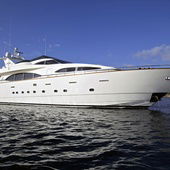


Images have been gathered from various sources and belong to their respective owners.
Review - Azimut Noni

MarineBroker
08/06/2024, 6:24 AM
1999 Azimut Noni: What Owners Should Know Before Buying, Inspecting, or Restoring
If you’re searching for a 1999 Azimut Noni, you’re probably already interested in what makes this yacht stand out and whether it’s the right fit for your plans. Maybe you’ve found a listing, maybe you’re comparing older Azimut models, or maybe you’re trying to figure out if a boat from this era is still a smart buy. That’s a very normal question, especially with a yacht that’s over two decades old.
The challenge with a boat like the 1999 Azimut Noni is that age can be both a strength and a headache. On one hand, older Azimut yachts often offer solid Italian styling, comfortable layouts, and good value compared with newer vessels. On the other hand, systems may need updating, maintenance records may be incomplete, and hidden wear can turn a seemingly good deal into a costly project.
The good news is that most of the risk can be managed. With the right inspection approach, a realistic budget, and a clear understanding of what to look for, you can separate a worthwhile yacht from one that needs too much work. Let’s break it down in a simple, practical way.
- Why the 1999 Azimut Noni Still Gets Attention
Older Azimut yachts continue to attract buyers for a reason. The brand has long been associated with stylish design, usable layouts, and a strong presence in the luxury yacht market.
For many people, the appeal comes down to value. A yacht from 1999 can offer a lot of boat for the money, especially if it has already received important upgrades.
Here’s what usually draws interest:
- Classic Italian styling
- Spacious interior layout for its size
- Strong brand recognition
- Lower purchase price compared with newer yachts
- Potential for customization and refit
But value only works if the condition is right. A well-kept older yacht can be a great buy. A neglected one can become a money pit fast.
- The Main Problem: Age-Related Wear and Hidden Costs
The biggest issue with any 1999 yacht is not just its age, but what that age means for systems, structure, and maintenance.
Common problem areas on older boats include:
- Engine wear or outdated propulsion components
- Aging electrical systems
- Old hoses, seals, and plumbing
- Water intrusion in decks, windows, or fittings
- Upholstery and interior deterioration
- Outdated navigation and onboard electronics
- Generator or air-conditioning issues
- Osmosis or blistering on fiberglass hulls, depending on use and care
A boat may look clean on the surface and still have major issues underneath. That’s why buyers of a 1999 Azimut Noni need to think beyond cosmetics.
A polished exterior is nice, but it does not tell you:
- How often the engines were serviced
- Whether the boat sat unused for long periods
- If the generator has been maintained
- Whether the electrical panel has been updated
- If moisture is trapped in structural areas
This is where many buyers run into trouble. They focus on the listing photos and overlook the systems that actually determine ownership costs.
- How to Evaluate a 1999 Azimut Noni Before You Buy
If you’re seriously considering a 1999 Azimut Noni, the best move is to inspect the boat like a professional buyer, not just a casual shopper.
Start with the basics:
- Ask for full maintenance records
- Review engine hours, but don’t rely on them alone
- Check for evidence of regular yard work
- Confirm when major systems were last serviced or replaced
- Look for signs of long-term storage or neglect
A low-hour engine is not automatically a good engine. In fact, boats that sit too long can develop fuel issues, corrosion, dried seals, and electrical problems.
A practical inspection checklist should include:
- Hull condition
- Deck softness or delamination
- Window and hatch leaks
- Engine room cleanliness
- Corrosion around fittings and clamps
- Battery age and charging system performance
- Air conditioning output
- Freshwater and waste system condition
- Generator start-up and load handling
- Steering and control responsiveness
If possible, hire a marine surveyor who has experience with older luxury yachts. That extra cost is usually worth it.
- Common Mechanical Concerns on Older Azimut Yachts
Older Azimut yachts often have good bones, but mechanical systems are where ownership costs can climb quickly.
For a yacht from 1999, pay close attention to:
- Engines: Look for smoke, rough idle, overheating, oil leaks, and poor service history.
- Transmissions: Check for smooth shifting and signs of fluid contamination.
- Cooling systems: Heat exchangers, impellers, and raw-water pumps may need attention.
- Fuel systems: Old fuel tanks, contaminated fuel, or degraded lines can cause major headaches.
- Generator: A weak generator can affect comfort and reliability aboard.
- Air conditioning: If the system is original or partially failing, replacement costs can add up.
A boat can still be a good candidate even if some of these systems need work. The key is knowing what you’re walking into.
If the asking price leaves room for upgrades, you may be able to turn an older yacht into a dependable cruiser. If the price is already high and the boat needs several major repairs, it’s usually better to walk away.
- Interior Condition Matters More Than You Think
People often underestimate the cost of interior refresh work.
On a 1999 Azimut Noni, interior wear may include:
- Faded or cracked upholstery
- Water-stained headliners
- Worn carpets
- Loose cabinetry
- Aging appliances
- Musty smells from poor ventilation or past leaks
These issues may not stop the boat from running, but they affect comfort, resale value, and how you feel using the yacht.
A strong interior can tell you a lot about the boat’s overall care. If the owner took time to maintain the salon, cabins, and galley, there’s a better chance the mechanical systems got attention too.
Still, don’t assume. Always verify.
- What a Good Survey Should Reveal
A proper survey is one of the best tools for solving the uncertainty around an older yacht purchase.
For a 1999 Azimut Noni, a survey should ideally cover:
- Hull and structural integrity
- Moisture readings in key areas
- Engine performance and diagnostics
- Generator operation
- Electrical safety and load testing
- Plumbing and tank systems
- Sea trial performance
- Navigation equipment condition
A sea trial is especially important. It shows how the boat behaves under real conditions, not just tied to the dock.
During the trial, look for:
- Smooth acceleration
- Stable cruising temperature
- Proper trim and handling
- No unusual vibration
- No smoke or overheating
- Responsive steering
- Reliable electronics and controls
If the surveyor finds problems, that’s not necessarily bad news. It gives you leverage to negotiate or decide whether the boat is worth the investment.
- Budgeting for Ownership the Smart Way
One of the smartest things you can do when considering a 1999 Azimut Noni is budget realistically.
A common mistake is to focus only on the purchase price. In reality, older yachts often require a second budget for repairs, upgrades, and deferred maintenance.
A practical ownership budget may include:
- Survey and haul-out costs
- Engine servicing
- Bottom paint and zincs
- Battery replacement
- Hose and clamp replacement
- Electronics upgrades
- Upholstery repair
- Safety gear replacement
- Unexpected mechanical work
A useful rule of thumb: if you’re buying an older yacht, keep a reserve fund for immediate repairs. Even a well-maintained boat can surprise you after closing.
This doesn’t mean the boat is a bad purchase. It just means you should plan like an owner, not a dreamer.
- When the 1999 Azimut Noni Makes Sense
This yacht can make sense for buyers who:
- Want a stylish older luxury boat at a lower entry price
- Are comfortable with maintenance and periodic upgrades
- Value layout and appearance over brand-new technology
- Have access to a trusted marine mechanic or yard
- Can budget for ongoing ownership costs
It may also be a good fit if the boat has already had major updates, such as:
- Rebuilt or well-documented engines
- New electronics
- Updated upholstery
- Refreshed electrical systems
- Recent generator service
- New canvas, seals, or windows
In that case, you’re not buying a project as much as a usable yacht with a known history.
- When to Walk Away
Sometimes the best solution is not to buy.
You should be cautious if the 1999 Azimut Noni shows several of these red flags:
- Missing or incomplete maintenance records
- Strong signs of water intrusion
- Soft decks or structural concerns
- Engine issues with no clear diagnosis
- Heavy corrosion in the engine room
- Significant mold or persistent odor
- Outdated systems with no budget for upgrades
- Seller unwilling to allow a proper survey
If you find multiple major issues, the repair bill can quickly exceed the value of the boat.
A bargain yacht is only a bargain if the total cost stays reasonable.
- Practical Tips for a Better Buying Experience
Here are a few simple ways to protect yourself:
1. Bring in experts early
Don’t wait until the last minute to involve a surveyor or mechanic.
2. Ask for service history first
Documentation can tell you more than the listing description.
3. Inspect the engine room carefully
Cleanliness and organization often reflect overall ownership.
4. Test every system
Lights, pumps, air conditioning, electronics, and bilge alarms should all be checked.
5. Compare against similar boats
One yacht may seem expensive until you compare its condition and upgrades.
6. Negotiate based on facts
Use survey findings, not guesswork, to discuss price.
7. Think about long-term use
A boat that fits your actual lifestyle is worth more than one that just looks impressive.
- The Real Solution: Buy the Boat You Can Confidently Maintain
The best way to approach a 1999 Azimut Noni is not to chase the cheapest listing. It’s to find the version that gives you the best balance of condition, documentation, and future maintenance costs.
That’s the real solution to the problem older yacht buyers face.
Instead of asking, “Is this boat cheap?” ask:
- Has it been cared for?
- Can I verify the important systems?
- What will I need to spend in the first year?
- Does the layout and condition match my goals?
- Will I still be happy with it after the initial excitement wears off?
If the answer is yes, then the boat may be a smart and enjoyable purchase.
Older Azimut yachts can still deliver a lot of cruising enjoyment when chosen carefully. The key is to buy with your eyes open and your budget prepared.
- Conclusion
The 1999 Azimut Noni can be an appealing option for buyers who want classic yacht style, practical space, and a more accessible price point. But like any older vessel, it comes with questions about maintenance, mechanical condition, and long-term ownership costs.
The best approach is simple: inspect thoroughly, review records carefully, and budget for repairs before you buy. A good survey and a realistic plan can save you from expensive surprises and help you find a yacht that’s actually worth owning. If you’re still exploring, take time to compare similar models, study service histories, and learn what upgrades matter most. That way, you can make a confident decision instead of a rushed one.
Specifications
General
Boat Type: Power Boats
Class Type: Mega Yacht
Specifications
Length: 97.77
Beam: 21.65
Draft: 5.58
Hull Material: GRP
Build
First Built: 1999
Propulsion
Fuel Type: Diesel
Engines: 2
Power: 0 HP
Brand: Unknown
Accomodation
Cabins: 4
PROS & CONS
What we appreciated
 Classic Italian design with elegant stylingSpacious interior for a 1999 modelGood build quality typical of Azimut yachtsComfortable accommodations for extended cruisingWell-regarded for smooth handling and stability
What we didn’t appreciate
 Older model may require frequent maintenancePotentially outdated electronics and navigation systemsFuel efficiency may be lower compared to modern boatsLimited availability of replacement parts due to agePossible wear and tear on engines and onboard systems
Upkeep Costs
Fuel: Approximately $5,000 - $12,000 per year depending on usage
Maintenance and Repairs: $8,000 - $15,000 per year
Insurance: $1,500 - $3,000 per year
Docking/Marina Fees: $3,000 - $7,000 per year
Registration and Taxes: $200 - $800 per year
Rating
7.1
User
Score
Score
Driveability
Technology
Interior
Design
Similar Boats


MarineBroker
Download now for an immersive boat experience like never before! ⛵✨ Your journey begins with a simple click. 🌊📲
#SetSailSmart #DownloadNow
#SetSailSmart #DownloadNow

Subscribe
Copyright 2017 - 2026, Marinebroker.net, All Rights Reserved