Boat Database » Astilleros MCIES (Oassive) Silentworld
Astilleros MCIES (Oassive) Silentworld
Inboard Direct-Drive, Diesel, 2x 720 HP
Power Boats 2006 Astilleros MCIES (Oassive) Silentworld: What Buyers and Owners Should Know Before You Make a Move
If you’ve been searching for information on the 2006 Astilleros MCIES (Oassive) Silentworld, chances are you’re trying to answ...
Discover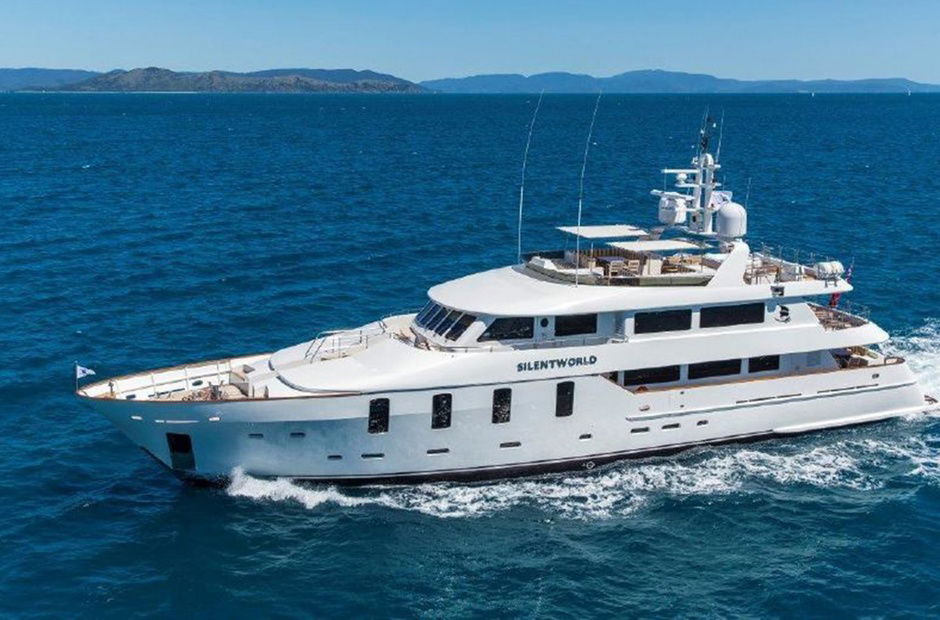


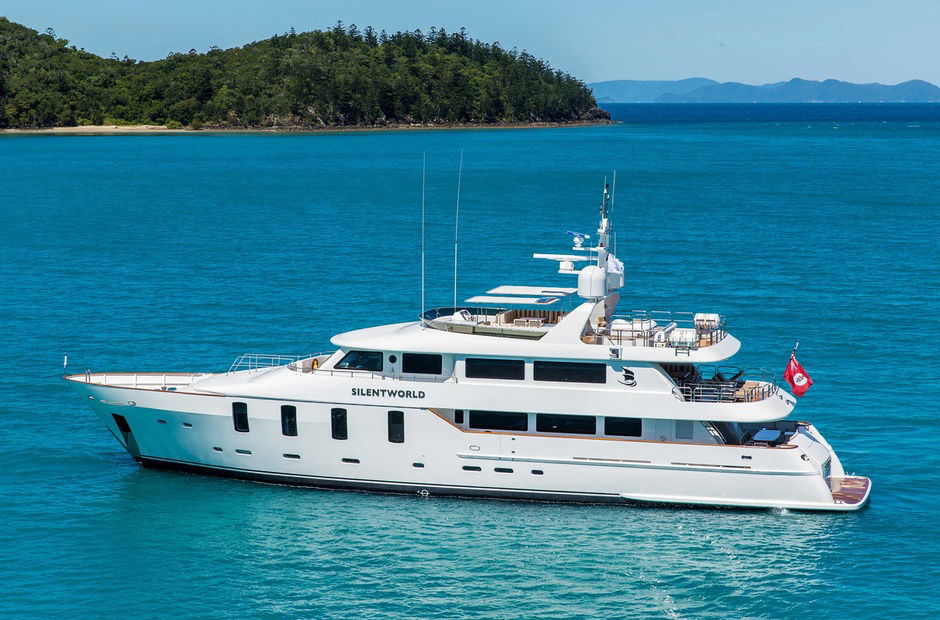
Images have been gathered from various sources and belong to their respective owners.
Review - Astilleros MCIES (Oassive) Silentworld

MarineBroker
05/28/2024, 12:08 PM
2006 Astilleros MCIES (Oassive) Silentworld: What Buyers and Owners Should Know Before You Make a Move
If you’ve been searching for information on the 2006 Astilleros MCIES (Oassive) Silentworld, chances are you’re trying to answer a very practical question: is this yacht a smart choice, and how do you evaluate it properly? That’s a fair concern. Boats and yachts can look impressive in photos or listings, but the real story is always in the details—condition, maintenance history, systems layout, cruising suitability, and long-term ownership costs.
For anyone interested in the 2006 Astilleros MCIES (Oassive) Silentworld, the challenge is usually not just finding the vessel, but understanding what makes it worth considering. A boat from this era can offer excellent value, but only if you know how to assess it with clear eyes. The good news is that with the right approach, you can separate marketing language from real-world performance and ownership practicality.
In this article, we’ll break down what to look for, common issues to check, and how to make a confident decision whether you’re researching, buying, or simply comparing options.
- Understanding the 2006 Astilleros MCIES (Oassive) Silentworld
When people research a specific yacht like the 2006 Astilleros MCIES (Oassive) Silentworld, they are often looking for more than specs. They want to know whether the boat is still a good candidate for cruising, charter, liveaboard use, or private ownership.
Astilleros MCIES is associated with custom or semi-custom yacht construction, and that usually means two things:
- The vessel may have unique design and build features
- The quality of ownership experience depends heavily on how the boat was specified and maintained
That matters because boats from the mid-2000s can be excellent value, but they are no longer “new enough” to ignore wear-and-tear. Systems age. Upgrades happen unevenly. Some boats are meticulously maintained, while others may have been underused or deferred on service.
For the Silentworld, the most useful mindset is not “Is this boat good or bad?” but rather:
- What condition is it in today?
- What was the maintenance history?
- Does it fit my intended use?
- What refit or upgrade budget should I expect?
That’s the real problem most buyers face: not a lack of interest, but a lack of clarity. The solution is a structured evaluation process.
- Why Buyers Struggle With Older Luxury Yachts
A 2006 yacht sits in an interesting zone. It’s old enough to require scrutiny, but modern enough to still offer a lot of value if it has been cared for well.
The main issue is that buyers often focus too much on appearance. Fresh upholstery, polished gelcoat, and a tidy cabin can hide a range of underlying concerns.
Common reasons buyers get stuck include:
- Missing or incomplete maintenance records
- Unclear refit history
- Confusion around engine hours and service intervals
- Outdated electronics or navigation systems
- Aging plumbing, electrical, and climate systems
- Structural concerns that are not visible at first glance
Another challenge is that many yachts are sold with vague descriptions like “well maintained” or “turn-key.” Those phrases can mean very different things depending on the seller.
A practical solution is to evaluate the boat in categories rather than as one big impression. Think of it like this:
1. Hull and structure
2. Propulsion and mechanical systems
3. Electrical and navigation systems
4. Interior condition and comfort
5. Ownership records and refit history
This approach makes the decision much easier and helps you avoid emotional buying.
- What Makes the 2006 Astilleros MCIES (Oassive) Silentworld Worth a Closer Look
A yacht like the 2006 Astilleros MCIES (Oassive) Silentworld can be attractive for several reasons, especially if you’re looking for a boat with more character than a mass-produced model.
Here’s what often appeals to buyers:
- Potentially strong build quality
- Custom or semi-custom layout possibilities
- Larger-yacht comfort at a lower entry price than new builds
- Opportunity to own a vessel that may already be proven in real-world use
That said, the value of any older yacht depends on how it has aged. A well-built boat that has been regularly serviced can often outperform a newer boat that has been neglected.
The best way to think about this yacht is as a platform. Its appeal comes from the combination of design, comfort, and how well it has been preserved. If you’re evaluating it seriously, the key question is whether it offers a balanced ownership package:
- Can you maintain it without constant surprises?
- Does it meet your cruising goals?
- Are replacement parts and service support manageable?
- Is the asking price aligned with its condition?
These questions are far more useful than simply asking whether the boat is “nice.”
- The Most Important Inspection Areas
If you’re considering the 2006 Astilleros MCIES (Oassive) Silentworld, a proper inspection should go beyond a quick walk-through. You want to understand the boat as a system.
- Hull, Deck, and Structure
Start with the basics. Look for signs of stress, repairs, or water intrusion.
Check for:
- Cracks around windows, hatches, and deck fittings
- Soft spots on the deck
- Evidence of blistering, delamination, or previous repairs
- Corrosion around metal fittings and through-hulls
- Condition of the antifouling and underwater gear
If the boat has been stored properly and hauled regularly, that’s a positive sign. If not, hidden structural or moisture issues can become expensive quickly.
- Engines and Propulsion
Engines are often the biggest ownership concern on an older yacht.
Ask for:
- Full service records
- Engine hours
- Oil analysis if available
- Cooling system maintenance history
- Transmission and shaft alignment records
Pay attention to how the engines start, sound, and run at different RPMs. Smooth operation at idle is good, but you also want to know how they behave under load.
Signs to watch for:
- Excess smoke
- Vibrations
- Temperature fluctuations
- Oil leaks
- Delayed shifting
Even if the engines seem fine, budget for preventive maintenance. That’s part of owning a 2006 vessel.
- Electrical Systems
Electrical issues are among the most common frustrations on older yachts.
Inspect:
- Batteries and charging systems
- Shore power connections
- Inverters and generators
- Wiring condition
- Circuit labeling and panel organization
A tidy electrical system is often a sign of careful ownership. Messy wiring, added accessories, and undocumented modifications can create headaches later.
- Navigation and Electronics
By 2026 standards, a 2006 navigation suite may be outdated. That doesn’t mean it’s useless, but it may not meet modern expectations.
Consider whether you’ll need upgrades such as:
- Chartplotter replacement
- Radar updates
- AIS integration
- Modern autopilot systems
- Better connectivity and monitoring tools
This is one area where buyers often underestimate costs. Electronics upgrades can improve usability a lot, but they should be factored into the purchase decision early.
- Interior, Comfort, and Habitability
A yacht may look luxurious, but comfort depends on practical details.
Check:
- Air conditioning and ventilation
- Plumbing and freshwater systems
- Galley appliances
- Head and sanitation systems
- Cabin layout and storage
On a vessel like the Silentworld, interior condition matters not just for aesthetics, but for long-term livability. If you plan to cruise for extended periods, small things like ventilation, noise control, and storage become a big deal.
- Common Problems Older Yacht Buyers Face
When people look at a yacht like the 2006 Astilleros MCIES (Oassive) Silentworld, the biggest mistake is assuming that a good first impression means low risk. In reality, the most common problems are often hidden.
Here are the issues that tend to catch buyers off guard:
- Deferred maintenance
- Aging hoses, seals, and pumps
- Outdated safety equipment
- Corrosion in fittings and systems
- Cosmetic upgrades masking mechanical neglect
- Lack of documentation
- Costly refit surprises after purchase
These issues are not unique to this yacht, of course. They are common across older luxury boats. But because a yacht can be expensive to run, even minor issues can add up fast.
The best solution is to treat the purchase like a project, not just a transaction. That means building a realistic budget for:
- Survey and haul-out
- Immediate repairs
- Insurance requirements
- Safety equipment updates
- Electronics or comfort upgrades
- Annual maintenance
If you do that, you’ll avoid the classic “cheap boat, expensive ownership” trap.
- How to Evaluate Value the Smart Way
Price alone tells you very little. A lower-priced yacht may actually cost more over time if it needs major work. A higher-priced one may be a better deal if it has been recently refitted and maintained.
To evaluate value properly, compare these factors:
- Condition versus asking price
- Service history and documentation
- Recent refit investments
- Equipment age and replacement needs
- Survey findings
- Market availability of similar yachts
A smart buyer doesn’t just ask, “What does it cost?” They ask, “What will it cost me to own and use it the way I want?”
That’s especially important for a yacht like the 2006 Astilleros MCIES (Oassive) Silentworld, where the hidden value may be in the quality of upkeep and the completeness of the package.
- Practical Buying Tips for Interested Buyers
If you’re seriously considering this yacht, here’s a straightforward approach that can save time and money.
- Request the full paper trail
Ask for:
- Maintenance logs
- Engine service records
- Refit invoices
- Ownership history
- Insurance claims, if any
- Manuals and equipment lists
Documentation often reveals more than a polished listing ever will.
- Hire the right surveyors
Use a marine surveyor with experience in larger yachts and the specific systems onboard. If possible, separate structural and mechanical inspections.
- Sea trial the boat properly
A dockside inspection is not enough. Test the yacht underway and observe:
- Engine performance
- Steering response
- Noise and vibration
- Stabilization or handling characteristics
- System reliability under load
- Estimate refit costs early
Even if the boat is in good shape, plan for upgrades. A realistic reserve fund helps avoid stress after closing.
- Compare with similar vessels
Look at other yachts of similar age, build type, and size. This helps you understand whether the Silentworld is priced fairly.
- Who This Yacht May Suit Best
The 2006 Astilleros MCIES (Oassive) Silentworld may be a strong fit for buyers who value:
- A more distinctive yacht than a production model
- Comfort and space over brand-new shine
- The ability to personalize or upgrade systems
- A vessel with real cruising potential
- Better value than new-build pricing
It may be less ideal for someone who wants:
- Minimal maintenance
- The latest technology already installed
- A fully turn-key boat with no update budget
- Very low operational involvement
That distinction is important. The right boat is not always the newest boat. It’s the one that matches your lifestyle, budget, and tolerance for upkeep.
- The Best Solution: Buy With a Plan, Not Just a Dream
The real solution to evaluating the 2006 Astilleros MCIES (Oassive) Silentworld is simple: use a disciplined buying process.
That means:
- Inspecting the boat thoroughly
- Verifying maintenance and refit history
- Budgeting for upgrades and repairs
- Testing the systems under real conditions
- Matching the yacht to your intended use
This approach protects you from surprises and helps you see the boat for what it truly is. A well-kept older yacht can be a rewarding ownership experience. A neglected one can become a money pit.
So if you’re drawn to this vessel, don’t rush. Let the details guide you. The right decision comes from facts, not just first impressions.
- Conclusion
The 2006 Astilleros MCIES (Oassive) Silentworld is the kind of yacht that rewards careful evaluation. For the right buyer, it can offer character, comfort, and strong value. But like any older yacht, its real worth depends on condition, documentation, and how well it has been maintained over time.
If you’re researching this vessel, focus on the basics: structure, engines, systems, and service history. Then compare those findings against your cruising goals and ownership budget. That’s the smartest way to avoid surprises and make a confident choice.
If you’re still in the early research stage, keep comparing notes, studying similar yachts, and gathering inspection advice. A little patience now can save a lot later—and help you choose a boat that truly fits the way you want to be on the water.
Specifications
General
Boat Type: Power Boats
Class Type: Mega Yacht
Specifications
Length: 129.92
Beam: 26.25
Draft: 6.89
Hull Material: Steel
Build
First Built: 2006
Propulsion
Fuel Type: Diesel
Engines: 2
Power: 720 HP
Brand: Caterpillar
Accomodation
Cabins: 6
PROS & CONS
What we appreciated
 Unique silent and eco-friendly design reducing noise pollutionSolid construction from Astilleros MCIES ensuring durabilityComfortable interior layout suitable for extended cruisingFuel-efficient operation due to advanced engineeringGood stability and seaworthiness for coastal and nearshore waters
What we didn’t appreciate
 Limited availability of spare parts due to niche manufacturerOlder model, may lack modern electronics and amenitiesPotentially higher maintenance costs for specialized systemsSmaller resale market compared to more popular brandsMay require expert knowledge for repairs and upkeep
Upkeep Costs
Fuel: Approximately $3,000 - $5,000 per year depending on usage
Maintenance and Repairs: $2,000 - $4,000 per year
Insurance: $1,000 - $2,000 per year
Docking/Marina Fees: $1,500 - $3,000 per year
Registration and Taxes: $200 - $500 per year
Rating
7.1
User
Score
Score
Driveability
Technology
Interior
Design
Similar Boats


MarineBroker
Download now for an immersive boat experience like never before! ⛵✨ Your journey begins with a simple click. 🌊📲
#SetSailSmart #DownloadNow
#SetSailSmart #DownloadNow

Subscribe
Copyright 2017 - 2026, Marinebroker.net, All Rights Reserved