Boat Database » Azimut Happy Spirit
Azimut Happy Spirit
Inboard Direct-Drive, Diesel, 2x 2000 HP
Power Boats 2003 Azimut Happy Spirit: What Buyers and Owners Should Know Before Making a Move
If you’ve been searching for a 2003 Azimut Happy Spirit, you’re probably already drawn to the idea of a stylish Italian yacht with a strong presenc...
Discover


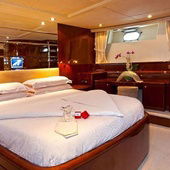
Images have been gathered from various sources and belong to their respective owners.
Review - Azimut Happy Spirit

MarineBroker
08/06/2024, 6:34 AM
2003 Azimut Happy Spirit: What Buyers and Owners Should Know Before Making a Move
If you’ve been searching for a 2003 Azimut Happy Spirit, you’re probably already drawn to the idea of a stylish Italian yacht with a strong presence, comfortable cruising spaces, and that classic Azimut feel. But like many boats of this age, the real question isn’t just whether it looks good on paper — it’s whether it still makes sense in the real world.
That’s where a lot of buyers and current owners run into the same problem: older luxury yachts can be fantastic value, but only if you understand what to check, what to expect, and how to avoid expensive surprises. A yacht like the 2003 Azimut Happy Spirit can deliver a great ownership experience, but only when maintenance history, mechanical condition, and refit planning are handled carefully.
The good news? Most of the common issues are manageable if you know what to look for. In this article, we’ll break down the key things to know, the typical pain points with older Azimut yachts, and the practical steps that can help you make a smarter decision.
- Why the 2003 Azimut Happy Spirit still attracts attention
- The most common issues to watch for
- How to evaluate condition like a pro
- Maintenance and refit tips that actually matter
- When it’s a good buy — and when to walk away
- Why the 2003 Azimut Happy Spirit Still Gets Interest
The 2003 Azimut Happy Spirit appeals to a specific kind of buyer: someone who wants a yacht with character, usable space, and the prestige of a respected European builder. Azimut has long been known for elegant lines, smart layouts, and a cruising style that feels more refined than purely utilitarian.
For many people, the attraction is simple. You get a yacht that can still feel modern enough for comfortable weekend cruising or extended time aboard, without paying brand-new-yacht prices.
Another reason it remains popular is that older Azimuts often offer strong interior volume for their size. That matters if you want:
- More living space for family and guests
- A better owner’s cabin layout
- Comfortable outdoor entertaining areas
- A yacht that feels larger than its actual length
Still, age changes everything. A 2003 model may look great in photos, but the real value depends on how well it has been maintained over the years.
- The Main Problem: Age-Related Wear and Hidden Maintenance Costs
The biggest challenge with any older yacht, including the 2003 Azimut Happy Spirit, is not the brand — it’s the accumulated wear and tear that may not be obvious at first glance.
A boat from 2003 can be in excellent shape, but it can also hide expensive issues in places buyers don’t always inspect closely. Common trouble spots often include:
- Engine and generator condition
- Electrical systems and wiring
- Hydraulic equipment
- Interior moisture damage
- Teak deck wear
- Hull blisters or gelcoat issues
- Air conditioning and plumbing systems
The real problem is that cosmetic condition can be misleading. A yacht may shine on the outside while needing significant work below the surface.
That’s why buyers sometimes feel frustrated. They think they’re getting a well-priced yacht, only to discover that the first season of ownership becomes a repair season. The solution is not to avoid older yachts altogether — it’s to evaluate them with a clear inspection strategy and a realistic budget.
- What to Check First on a 2003 Azimut Happy Spirit
If you’re considering a 2003 Azimut Happy Spirit, the first step is to focus on systems that are expensive to repair and essential for safe operation. These are the areas that can turn a good deal into a money pit if ignored.
- Engines and running gear
Start with the engines. Ask for full service records, oil analysis if available, and details on major work already completed. Engine hours matter, but maintenance history matters more.
Look for:
- Smooth cold starts
- No excessive smoke
- Stable operating temperatures
- Clean oil and coolant condition
- Evidence of regular servicing
Also inspect shafts, propellers, seals, and cutlass bearings. Wear in the running gear can create vibration, inefficiency, and costly repairs.
- Generator and onboard power
A generator is one of those systems many owners rely on constantly, especially if the boat is used for long weekends or cruising. Check hours, service logs, and how well it handles load.
If the generator struggles to support air conditioning, galley equipment, or battery charging, that’s a sign it may need attention.
- Electrical systems
Older yachts often develop electrical issues over time, especially if there have been multiple owners or DIY modifications. Look for:
- Corrosion in panels and connectors
- Loose wiring or non-original additions
- Faulty gauges or switches
- Battery age and charging performance
Electrical problems can be annoying at best and dangerous at worst. A proper survey should include a close look at the entire system.
- Signs of Moisture and Structural Concerns
Moisture is one of the most important things to inspect on any older yacht. In a boat like the 2003 Azimut Happy Spirit, water intrusion can affect decks, windows, hatches, bulkheads, and interior joinery.
You don’t need to be a surveyor to spot warning signs. Watch for:
- Soft spots underfoot
- Staining around windows or ceilings
- Musty smells
- Bubbling or peeling surfaces
- Delamination in panels
- Rust near fasteners or fittings
If you see multiple signs of water intrusion, it may point to long-term leaks rather than a simple one-off issue. That can mean more labor-intensive repairs.
A moisture meter and professional survey are worth it here. They help separate cosmetic aging from real structural concerns.
- Interior Condition: What Matters Beyond Appearance
One of the reasons people fall for the 2003 Azimut Happy Spirit is the interior. Azimut interiors often have a refined, yacht-club feel that still appeals years later.
But when evaluating an older yacht, the interior should be judged on more than style. Focus on usability and condition.
Check for:
- Cabinet hinge wear
- Drawer alignment
- Upholstery condition
- Flooring wear
- Air conditioning performance
- Head and shower functionality
- Galley equipment reliability
A tired interior can often be refreshed. That’s not usually the biggest issue. The real question is whether the interior is simply dated or actually neglected.
If the boat has been cared for, a cosmetic update may be enough. If the interior shows signs of chronic moisture, poor ventilation, or repeated repairs, expect a larger project.
- How to Judge the Value of a 2003 Azimut Happy Spirit
Pricing an older yacht is tricky because condition matters so much. Two boats of the same model year can have very different real-world values depending on maintenance and upgrades.
A smart buying approach is to think in three layers:
1. Base market value
This is the general asking price for similar boats.
2. Immediate repair costs
These include anything you’ll need to fix right away to make the boat reliable.
3. Near-term upgrade costs
These are items you may want to improve within the first year or two, such as electronics, soft goods, or cosmetic refits.
That’s where buyers often make mistakes. They focus only on the asking price and forget the next 12 months of ownership.
A lower-priced yacht with poor maintenance can easily cost more overall than a slightly higher-priced one with a strong service history. For the 2003 Azimut Happy Spirit, documentation is a big part of value.
Ask for:
- Invoices for major repairs
- Annual service records
- Survey reports
- Engine maintenance logs
- List of upgrades and refits
If the seller has good records, that’s usually a positive sign.
- Common Refits That Make Sense
Not every older yacht needs a full rebuild. In many cases, a targeted refit can transform the ownership experience without going overboard.
For a yacht like the 2003 Azimut Happy Spirit, the most practical upgrades often include:
- New electronics and navigation displays
- Updated upholstery or soft furnishings
- LED lighting conversion
- Modern battery monitoring
- Fresh anti-fouling and hull detailing
- Updated marine audio systems
- Air conditioning servicing or replacement parts
- Teak restoration or partial deck repair
These upgrades can improve comfort, reliability, and resale appeal. The key is to prioritize function first, then appearance.
If the boat already has strong mechanicals, a moderate refit can make it feel much newer than its age suggests.
- What a Good Survey Should Include
A professional marine survey is not optional on a boat like this. It’s one of the best ways to avoid regret later.
A proper survey for the 2003 Azimut Happy Spirit should cover:
- Hull and deck inspection
- Moisture readings
- Engine and generator testing
- Sea trial performance
- Electrical and plumbing systems
- Safety equipment review
- Steering and control systems
- Interior structural checks
If possible, have both a hull surveyor and a mechanical expert involved. Older yachts often have different issues in different systems, and one person may not catch everything.
During the sea trial, pay attention to:
- Acceleration and throttle response
- Steering feel
- Unusual vibration
- Exhaust smoke
- Temperature stability
- Noise levels at cruise
A calm, detailed sea trial tells you a lot more than a dockside look ever will.
- Ownership Reality: Budgeting Beyond the Purchase Price
This is where many first-time buyers of older yachts get surprised. The purchase price is only the beginning.
With a yacht like the 2003 Azimut Happy Spirit, you should budget for:
- Annual maintenance
- Bottom painting
- Engine servicing
- Generator servicing
- Insurance
- Dockage or mooring
- Winterization or seasonal storage
- Unexpected repairs
A useful rule of thumb is to reserve a healthy maintenance fund every year, even if the boat seems solid. Older yachts reward proactive care and punish delay.
If you’re buying for the first time, ask yourself a simple question: can I comfortably own this boat if I need to spend more than expected in year one? If the answer is no, keep looking or lower your budget.
- When the 2003 Azimut Happy Spirit Makes Sense
This yacht can make a lot of sense if:
- You want a stylish, proven Italian cruiser
- The boat has complete service records
- Major mechanical systems are in good shape
- You’re comfortable with ongoing maintenance
- You value layout and comfort over brand-new features
It’s especially attractive for buyers who understand that older yachts often need selective upgrades, not perfection.
The 2003 Azimut Happy Spirit can be a very enjoyable boat when it has been properly cared for. In that case, you’re not just buying a vessel — you’re buying a platform that can still deliver memorable cruising with the right attention.
- When You Should Walk Away
Sometimes the smartest decision is to pass.
Consider walking away if you find:
- Missing maintenance records
- Repeated water intrusion
- Major engine concerns
- Evidence of poor repairs
- Extensive electrical modifications
- Signs of neglect across multiple systems
One or two issues are normal on an older yacht. A pattern of neglect is different. Once multiple systems are compromised, repair costs can stack up quickly.
If the numbers no longer make sense after the survey, don’t force it. There will always be another boat.
- Conclusion
The 2003 Azimut Happy Spirit can be a rewarding yacht for the right buyer, but only if you approach it with clear eyes. The biggest challenge with older luxury boats is not finding beauty — it’s separating genuine value from hidden maintenance problems.
Focus on mechanical condition, moisture checks, service history, and realistic budgeting. If the boat has been well maintained, it may offer a lot of cruising enjoyment and strong value for the money. If it hasn’t, the safest move is to keep looking.
For anyone seriously considering this model, a detailed survey and honest cost review are the best next steps. That way, you can enjoy the fun part of yacht ownership without getting blindsided by the expensive part.
Specifications
General
Boat Type: Power Boats
Class Type: Mega Yacht
Specifications
Length: 98.43
Beam: 21.65
Draft: 5.58
Hull Material: GRP
Build
First Built: 2003
Propulsion
Fuel Type: Diesel
Engines: 2
Power: 2000 HP
Brand: MTU
Accomodation
Cabins: 5
PROS & CONS
What we appreciated
 Elegant Italian design with stylish aestheticsSpacious interior suitable for comfortable cruisingGood build quality typical of Azimut yachtsWell-equipped with modern amenities for its timeStrong performance with reliable engines
What we didn’t appreciate
 Older model may require more maintenance and updatesFuel consumption can be relatively highLimited availability of spare parts due to ageElectronics and systems may be outdated compared to newer modelsInterior design may feel dated to some buyers
Upkeep Costs
Fuel: Approximately $5,000 - $12,000 per year depending on usage
Maintenance and Repairs: Around $3,000 - $7,000 per year
Insurance: Typically $1,500 - $3,000 annually
Docking/Mooring Fees: $2,000 - $6,000 per year depending on location
Winter Storage and Cleaning: $1,000 - $3,000 annually
Rating
7.8
User
Score
Score
Driveability
Technology
Interior
Design
Similar Boats


MarineBroker
Download now for an immersive boat experience like never before! ⛵✨ Your journey begins with a simple click. 🌊📲
#SetSailSmart #DownloadNow
#SetSailSmart #DownloadNow

Subscribe
Copyright 2017 - 2026, Marinebroker.net, All Rights Reserved