Boat Type: Power Boats
Boat Class: Flybridge
Length: 59.88 ft
Berths: 6
Cabins: 4
Bathrooms: 4
Max Persons: 14
2017 Azimut 60: What Buyers Should Know Before Choosing This Luxury Flybridge Yacht
If you’re looking at the 2017 Azimut 60, chances are you’re already drawn to the sleek Italian styling, spacious layout, and the kind of onboard ...
Discover
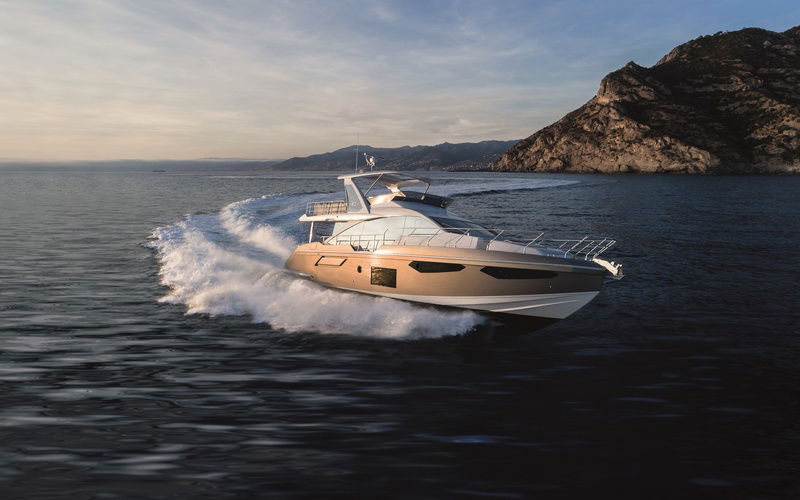
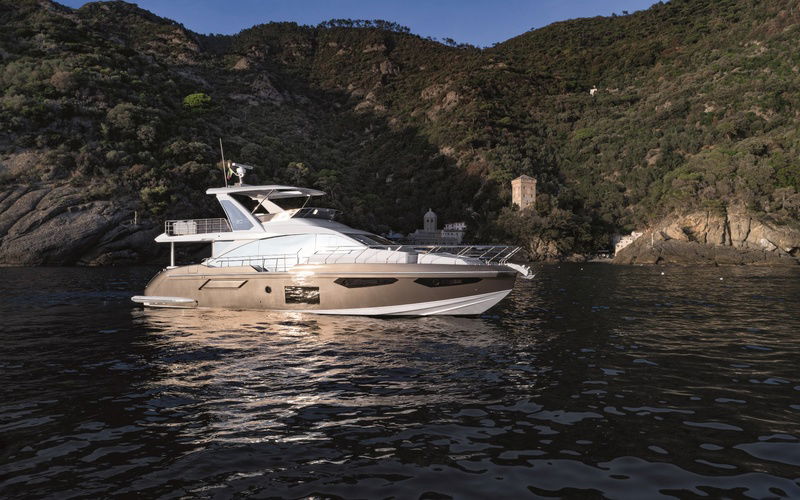
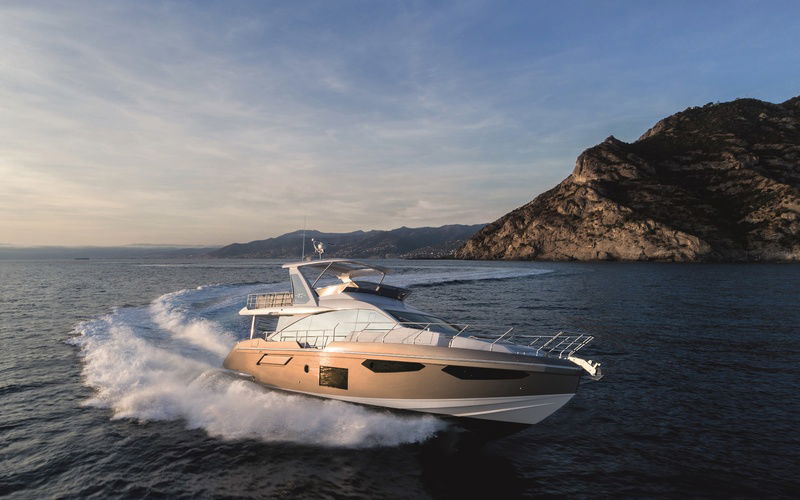
Images have been gathered from various sources and belong to their respective owners.
Latest Market Trends (Latest Available Year Model)
Price: $2,329,403
Review - Azimut 60

MarineBroker
07/02/2024, 4:32 AM
2017 Azimut 60: What Buyers Should Know Before Choosing This Luxury Flybridge Yacht
If you’re looking at the 2017 Azimut 60, chances are you’re already drawn to the sleek Italian styling, spacious layout, and the kind of onboard comfort that makes weekend cruising feel a lot more like a floating getaway. But once the excitement settles, most buyers run into the same challenge: how do you know whether this yacht is truly the right fit for your cruising plans, budget, and lifestyle?
That’s the real issue with any pre-owned luxury yacht. A boat like the 2017 Azimut 60 can look fantastic on paper and in photos, but the details matter a lot more than the brochure suggests. Engine condition, maintenance history, onboard systems, layout practicality, and long-term ownership costs can all change the experience from “dream boat” to “expensive headache” pretty quickly.
The good news is that with the right approach, you can separate the hype from the reality. In this article, we’ll break down what makes the 2017 Azimut 60 appealing, where buyers should be cautious, and how to evaluate whether it’s the right yacht for your needs. If you’re shopping smart, this is where you start.
- What Makes the 2017 Azimut 60 Stand Out
The 2017 Azimut 60 sits in a sweet spot for buyers who want a luxury flybridge yacht without moving into the much larger, more demanding superyacht category. It offers a strong mix of style, performance, and livability, which is why it continues to attract attention in the used yacht market.
Azimut is known for blending Italian design with practical cruising features. On the 60-foot platform, that usually means a spacious salon, a well-appointed galley, multiple staterooms, and a flybridge that adds a second social area above deck.
For many owners, the appeal comes down to three things:
- Elegant styling that still looks current
- A layout that works for family cruising or entertaining
- Enough size to feel substantial, but not overwhelming to manage
That balance is important. A yacht in this range can be more versatile than larger vessels, especially for owners who want to run the boat with a smaller crew or even handle portions of the operation themselves.
- The Main Problem Buyers Face: Style Is Easy, Ownership Is Not
The biggest mistake people make when considering a yacht like the 2017 Azimut 60 is focusing too much on appearance and not enough on ownership reality.
Yes, the boat may look beautiful. Yes, the cabin layout may feel luxurious. But a pre-owned yacht has a history, and that history affects everything from reliability to operating costs.
Common concerns include:
- Hidden maintenance issues
- Wear in high-use systems like air conditioning, generators, and electronics
- Engine hours that may be low, but not necessarily “easy”
- Cosmetic updates that hide deeper mechanical neglect
- Insurance and docking costs that are higher than expected
This is where many buyers get surprised. The purchase price is only part of the story. A yacht can be priced attractively and still require a serious investment after closing.
So the real problem isn’t finding a beautiful yacht. It’s finding one that’s been cared for properly and fits your intended use without creating stress down the line.
- Why the 2017 Azimut 60 Appeals to So Many Buyers
There’s a reason this model gets so much attention. The 2017 Azimut 60 offers a combination of features that work well for cruising, entertaining, and extended weekends on the water.
Some of the most attractive qualities include:
- A stylish flybridge with seating and helm space
- A salon designed for natural light and open socializing
- Multiple cabins that support family use or guests
- Strong brand recognition in the luxury yacht market
- A size range that feels substantial without being too large for many private owners
For buyers moving up from a smaller boat, this model often feels like a major lifestyle upgrade. You get more comfort, more privacy, and more flexibility for longer trips.
For experienced owners, it can be a practical step into a yacht that still feels manageable. That’s especially true if the boat has been maintained well and has the right equipment for the kind of cruising you actually do.
- 2017 Azimut 60 Layout and Livability: What to Look For
One of the most important parts of evaluating any yacht is how the layout supports your real-world use. On the 2017 Azimut 60, the interior and exterior spaces are part of the main selling point.
A few layout questions are worth asking:
- Does the salon feel open enough for your group size?
- Is the galley placed in a way that makes entertaining easy?
- Are the cabins comfortable for overnight guests or family cruising?
- Does the flybridge get used enough to justify the space?
- Is there enough storage for gear, provisions, and personal items?
Many buyers love the feel of a large salon and a generous master cabin, but forget to think about practical movement onboard. Narrow stairways, awkward traffic flow, or limited storage can become annoying after a few weekends of use.
For couples, the best layout may be one that maximizes the master suite and main social areas. For families, cabin separation and guest privacy may matter more. If you plan to cruise with kids or friends, the way the boat handles sleeping arrangements can make a huge difference.
- Performance and Handling: Comfort Matters More Than Top Speed
A yacht like the 2017 Azimut 60 is not just about looking good at the dock. Buyers also want to know how it behaves underway.
In this size range, comfort at cruising speed is usually more important than chasing top-end performance. Most owners want a boat that rides smoothly, tracks well, and doesn’t feel exhausting to run.
When evaluating performance, pay attention to:
- Engine condition and service records
- Fuel burn at typical cruising speeds
- Noise and vibration levels
- Stability in chop or moderate seas
- Ease of docking and maneuvering
A well-maintained yacht should feel predictable and composed. If a sea trial reveals excessive vibration, unusual smoke, slow planing, or steering issues, that’s a sign to dig deeper.
Also, don’t assume that a lightly used boat is automatically better. Engines that sit too long without proper care can develop their own problems. The best case is usually a yacht with regular use and documented maintenance.
- The Inspection Checklist Buyers Should Never Skip
If you’re seriously considering a 2017 Azimut 60, the survey and mechanical inspection are non-negotiable. This is where you protect yourself from expensive surprises.
A proper inspection should cover:
- Engines and transmissions
- Generator condition
- Electrical systems
- Air conditioning and refrigeration
- Plumbing and water systems
- Navigation electronics
- Hull condition and moisture readings
- Propulsion components
- Steering and trim systems
- Safety equipment
It’s also smart to ask for service logs, winterization records, and any documentation of upgrades or repairs. A boat with clean records is usually easier to trust than one with vague answers and missing paperwork.
Look closely at the following red flags:
- Incomplete maintenance history
- Signs of water intrusion
- Corrosion in electrical panels or engine rooms
- Cosmetic repairs that don’t match the rest of the boat
- Unexplained gaps in ownership or usage
Even if the boat passes a basic visual check, a qualified marine surveyor can uncover issues that are easy to miss. That fee is small compared with the cost of replacing major systems later.
- Ownership Costs: The Part Buyers Often Underestimate
A luxury yacht is not just a purchase. It’s an ongoing commitment. One of the biggest reasons buyers struggle with boats like the 2017 Azimut 60 is that they underestimate recurring costs.
Typical ownership expenses may include:
- Slip or marina fees
- Insurance
- Routine maintenance
- Bottom paint and detailing
- Engine and generator service
- Winter storage or hauling
- Fuel
- Unexpected repairs
The exact numbers vary by region and usage, but the pattern is the same: the larger and more complex the yacht, the more important budgeting becomes.
A smart buyer doesn’t just ask, “Can I afford the boat?” They ask, “Can I comfortably own it the way I want to use it?”
That means thinking about:
- How often you’ll cruise
- Whether you’ll hire a captain or crew
- How far you plan to travel
- Whether the boat will stay in one marina or move between destinations
If your budget is tight after the purchase, even a beautiful yacht can become stressful. Leaving room for maintenance and upgrades makes ownership much more enjoyable.
- How the 2017 Azimut 60 Solves the Right Kind of Buyer Problem
For the right owner, the 2017 Azimut 60 solves a very specific problem: it delivers a luxury cruising experience without requiring the scale and complexity of a much larger yacht.
That means:
- More space than a small express cruiser
- More comfort than a basic family boat
- More style and presence than many older models
- A practical size for private use or occasional hosting
If your goal is to enjoy weekends away, entertain in style, and cruise with family or close friends, this model can be a strong fit. It gives you enough yacht to feel elevated, but not so much that ownership becomes unmanageable for many buyers.
The key is matching the boat to your actual habits. If you want a floating condo for extended living, you may need to assess storage, systems, and crew support more carefully. If you want elegant weekend cruising, the 60-foot class is often a very comfortable middle ground.
- Tips for Evaluating a Pre-Owned 2017 Azimut 60
If you’re shopping seriously, here are some practical steps to make a better decision.
1. Review the maintenance history first
A well-documented service record tells you more than a glossy listing ever will.
2. Inspect the engine room carefully
Cleanliness, organization, and access matter. A tidy engine room often reflects better ownership habits.
3. Sea trial the boat under realistic conditions
Don’t just test it at idle. Run it at the speeds you’ll actually use.
4. Compare multiple examples
Even within the same year and model, condition can vary a lot.
5. Budget for immediate upgrades
You may want new electronics, soft goods, or cosmetic refreshes after purchase.
6. Ask how the boat was stored
Covered storage, indoor storage, and regular use patterns can all affect long-term condition.
7. Work with a broker and surveyor who know the brand
Experience with Azimut yachts can help identify common issues faster.
A careful process doesn’t just reduce risk. It helps you buy with confidence.
- Common Buyer Questions About the 2017 Azimut 60
Before closing on a yacht like this, buyers usually ask a few recurring questions.
Is the 2017 Azimut 60 good for family cruising?
Yes, it can be a strong family boat if the layout works for your group and the systems are in good shape.
Is it easy to operate?
For a yacht of this size, it’s manageable for experienced owners, but maneuvering, docking, and systems management still require skill.
Does it hold value well?
Brand reputation helps, but condition, maintenance, and market timing matter a lot more than the badge alone.
Is it better to buy with a captain?
If you plan to cruise often or in busy marinas, professional help can reduce stress and protect your investment.
Should I prioritize low hours over maintenance history?
Not necessarily. A boat with higher hours and excellent maintenance may be a safer bet than a low-hour boat that sat neglected.
These questions all point to the same truth: the best yacht is the one that fits your use case and has been cared for properly.
- When the 2017 Azimut 60 Makes the Most Sense
This model makes the most sense for buyers who want a stylish, comfortable yacht for coastal cruising, weekend trips, and entertaining. It’s especially appealing if you value a modern look and a layout that feels upscale without being excessive.
It may be a great fit if you:
- Want a luxury yacht in the 60-foot range
- Prefer a flybridge layout
- Expect to cruise with family or guests
- Want a brand with strong visual appeal
- Are willing to invest in proper maintenance and inspections
It may be less ideal if you want ultra-simple ownership, minimal operating costs, or a boat that you can run with almost no support.
The boat itself is only part of the equation. The real question is whether the experience matches your expectations.
- Final Thoughts Before You Buy
The 2017 Azimut 60 is attractive for good reason. It combines elegant design, comfortable living spaces, and the kind of presence that turns heads at the marina. But like any pre-owned luxury yacht, the smartest move is to focus on condition, maintenance, and ownership fit rather than looks alone.
If you approach the purchase with a clear budget, a thorough inspection, and realistic expectations, this model can offer a very rewarding ownership experience. The best outcome is not just finding a beautiful yacht, but finding one that supports the way you actually want to spend time on the water.
If you’re exploring this model, keep learning, compare examples carefully, and lean on trusted marine professionals before making a final decision.
Specifications
General
Boat Type: Power Boats
Class Type: Flybridge
Specifications
Length: 59.88
Beam: 16.57
Draft: 4.79
Hull Material: GRP
Build
First Built: 2017
Propulsion
Fuel Type: Diesel
Engines: 2
Power: 900 HP
Brand: VOLVO
Accomodation
Berths: 6
Cabins: 4
Bathrooms: 4
PROS & CONS
What we appreciated
 Sleek and modern Italian design with high-quality finishesSpacious interior with multiple cabins and luxurious amenitiesPowerful twin engines providing excellent performance and speedAmple deck space for relaxation and entertaining guestsAdvanced navigation and onboard technology for safety and convenience
What we didn’t appreciate
 Relatively high maintenance and operational costsFuel consumption can be significant at higher speedsLimited storage space compared to larger yachtsRequires experienced crew for optimal handling and operationDocking and maneuvering may be challenging in tight marinas
Upkeep Costs
Fuel: Approximately $200-$400 per hour depending on usage and fuel prices
Maintenance and Repairs: Around $15,000-$25,000 annually
Docking and Marina Fees: $10,000-$20,000 per year depending on location
Insurance: $8,000-$12,000 per year
Winter Storage and Preparation: $5,000-$10,000 annually

Rating
8.3
User
Score
Score
Driveability
Technology
Interior
Design
Similar Boats


MarineBroker
Download now for an immersive boat experience like never before! ⛵✨ Your journey begins with a simple click. 🌊📲
#SetSailSmart #DownloadNow
#SetSailSmart #DownloadNow

Subscribe
Copyright 2017 - 2026, Marinebroker.net, All Rights Reserved