2003 Bayliner 288 CB: What Buyers and Owners Should Know Before You Cruise
If you’re researching the 2003 Bayliner 288 CB, chances are you’re trying to answer a pretty practical question: is this boat the right fit for your kind ...
Discover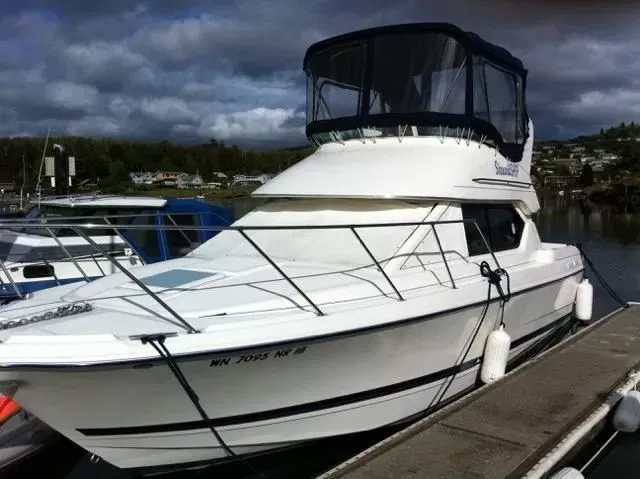

Images have been gathered from various sources and belong to their respective owners.
Review - Bayliner 288 CB

MarineBroker
09/18/2024, 7:44 AM
2003 Bayliner 288 CB: What Buyers and Owners Should Know Before You Cruise
If you’re researching the 2003 Bayliner 288 CB, chances are you’re trying to answer a pretty practical question: is this boat the right fit for your kind of boating? Maybe you’re comparing used express cruisers, trying to understand what the 288 CB offers, or wondering what to look for before buying one. That’s a smart approach, because a boat like this can be a great match for the right owner, but only if you know its strengths, common wear points, and the real-world costs of ownership.
The 2003 Bayliner 288 CB sits in that sweet spot for boaters who want a comfortable cabin cruiser without jumping into a much larger, more expensive yacht. It has enough space for weekend trips, family cruising, and dockside entertaining, but like any used boat, condition matters more than the brochure. The biggest problem most people face isn’t finding the boat itself — it’s figuring out whether a specific one has been maintained well enough to be a good buy.
The good news? With a little know-how, you can separate a solid 288 CB from a money pit and make a much more confident decision.
- What Makes the 2003 Bayliner 288 CB Popular?
The 2003 Bayliner 288 CB is a compact cruiser that appeals to boaters who want a manageable size with real cabin comfort. It’s large enough to feel substantial on the water, but not so big that docking, trailering, and maintenance become overwhelming.
For many buyers, that balance is the main attraction.
Typical reasons people look at the 288 CB include:
- Weekend cruising with family or friends
- Overnight stays at the marina or on the hook
- A practical step up from a smaller runabout or bowrider
- A lower-cost entry into cabin boating
- Easy-enough handling for owners who don’t want a huge boat
The boat’s layout usually offers a forward berth, mid-cabin sleeping area, galley, head, and a social cockpit. That makes it useful for both day boating and short trips.
From an SEO and buyer perspective, the 2003 Bayliner 288 CB often comes up in searches because it represents value. It’s a used cruiser that can still deliver a lot of fun if it has been cared for properly.
- The Real Problem Buyers Face with a Used 2003 Bayliner 288 CB
The challenge with any older cruiser is not just age — it’s hidden wear. A 2003 Bayliner 288 CB may look clean in photos, but boats are systems, and every system can tell a different story.
The most common buyer concerns are:
- Engine and drive condition
- Water intrusion
- Soft decking or structural issues
- Aging canvas, upholstery, and cabin finishes
- Electrical problems
- Deferred maintenance from previous owners
This is where many buyers get stuck. They like the layout and the price, but they’re unsure how to judge whether the boat is truly ready to use.
That uncertainty is the real problem.
The solution is to shift from “Does it look good?” to “Has it been maintained correctly, and can I verify that?” Once you know what to inspect, the 288 CB becomes much easier to evaluate.
- 2003 Bayliner 288 CB: What to Check Before You Buy
A used cruiser should always be inspected with a checklist, not just a quick glance. The 2003 Bayliner 288 CB is no exception.
Here’s where to focus first.
- Engines and propulsion
Depending on the setup, the 288 CB may have twin engines or a specific sterndrive arrangement. Either way, propulsion is the heart of the boat.
Look for:
- Cold start behavior
- Smooth idle
- No unusual smoke
- Clean oil and transmission fluid
- No knocking, overheating, or vibration
- Service records for impellers, belts, and fluids
A boat can appear well kept, but if the engines haven’t been serviced regularly, repair costs can rise fast.
If you’re sea trialing the boat, pay attention to how it accelerates and whether it holds proper temperature at cruising speed.
- Hull and bottom condition
The hull should be inspected for:
- Gelcoat cracks
- Previous repairs
- Blisters
- Evidence of grounding
- Stress around the transom and swim platform
Also check the bottom paint if the boat has lived in the water. Poor bottom maintenance can hint at broader neglect.
- Deck and soft spots
Walk every part of the deck carefully. If you feel sponginess, especially near hatches, around the cockpit, or by high-traffic areas, that can point to moisture intrusion.
Soft spots are a warning sign because they can indicate:
- Rotten core material
- Water intrusion through fittings
- Long-term structural damage
This is one of the most important things to catch early.
- Cabin moisture and leaks
The cabin should smell clean, not musty. A little age is normal, but strong mildew odors or stained headliners can point to leaks.
Check:
- Around windows
- Hatch seals
- Portlights
- Deck fittings
- The head compartment
- Under cushions and in storage areas
Moisture problems are common in older cruisers, but they can often be managed if caught early.
- Electrical system
Older boats often develop electrical gremlins.
Test:
- Cabin lights
- Navigation lights
- Bilge pumps
- Blower
- Gauges
- Stereo and electronics
- Shore power if equipped
Look for amateur wiring, corrosion, or taped connections. Clean wiring matters more than fancy electronics.
- Plumbing and head system
If the boat has a freshwater system, head, and possibly a water heater, test everything.
Check:
- Water pump operation
- Sink and shower drains
- Toilet function
- Holding tank hoses
- Any sign of leaks or odors
Plumbing issues are not glamorous, but they can become one of the most annoying parts of ownership if ignored.
- Why the 2003 Bayliner 288 CB Can Be a Smart Buy
When maintained well, the 2003 Bayliner 288 CB can offer a lot of boat for the money. That’s the key phrase: when maintained well.
Here’s why some buyers find it attractive.
- Good space-to-size ratio
The boat gives you a cruiser feel without requiring the commitment of a much larger yacht. For couples or small families, that can be ideal.
- Practical for weekend use
You can spend a night or two aboard without feeling cramped. That makes it a strong option for casual cruising, marina hopping, and short trips.
- Often more affordable than premium brands
Bayliner has long been known for value. That means you may get more cabin space and features for the price compared with some higher-end competitors.
- Easier to manage than larger cruisers
Docking, cleaning, and general handling are more approachable than on a 35-foot-plus boat. For newer owners, that matters a lot.
The tradeoff is that buyers need to be realistic about the condition of older examples. A well-kept 288 CB can be a solid family cruiser. A neglected one can become expensive quickly.
- Common Issues to Watch for on the 2003 Bayliner 288 CB
No used boat is perfect. The trick is knowing which issues are normal aging and which ones should make you pause.
Here are the common trouble areas to watch.
- Moisture intrusion
This is one of the biggest concerns on older cabin cruisers. Water can get in through hardware, windows, hatches, or deck fittings and slowly damage the structure.
Signs include:
- Soft spots
- Staining
- Musty odor
- Delamination
- Loose fittings
- Aging canvas and vinyl
The cockpit enclosure, seat vinyl, and cabin upholstery may be worn simply due to age. That’s not necessarily a dealbreaker, but replacement costs should be included in your budget.
- Corrosion
Corrosion can affect engine components, electrical terminals, rails, and hardware. Saltwater use increases the risk.
Look for:
- White powdery residue
- Green corrosion on wiring
- Rust on fasteners
- Pitting on metal parts
- Neglected service items
Older boats often need routine maintenance that owners postpone.
Examples include:
- Impellers
- Bellows
- Fluids
- Filters
- Batteries
- Seals
- Anodes
Missing these items can lead to bigger failures later.
- Outdated electronics
Chart plotters, radios, and gauges may still work, but older electronics often need replacement for reliability and ease of use.
- How to Inspect a 2003 Bayliner 288 CB the Right Way
If you’re serious about buying, use a systematic approach. A good inspection can save you thousands.
- Step 1: Review maintenance records
Ask for:
- Engine service history
- Winterization records
- Bottom paint records
- Recent repairs
- Survey reports
- Receipts for major work
Records tell you how the boat has been treated.
- Step 2: Do a visual walkthrough
Start outside, then move inside.
Look for:
- Matching condition across surfaces
- Signs of patchwork repairs
- Fresh paint covering damage
- Uneven wear
- Water stains
- Odors
- Step 3: Test systems one by one
Don’t assume anything works just because it powers on once.
Operate:
- Pumps
- Lights
- Gauges
- Head
- Stove or galley appliances
- Windshield wipers if equipped
- Horn
- Trim tabs
- Step 4: Sea trial the boat
A sea trial is essential. This is where you see how the boat behaves under load.
During the trial, check:
- Acceleration
- Steering response
- Engine temperature
- Noise and vibration
- Planing performance
- Handling in turns
- Re-entry onto plane
If anything feels off, investigate before buying.
- Step 5: Hire a marine surveyor
This is one of the best investments you can make.
A surveyor can help identify:
- Hidden structural problems
- Water damage
- Mechanical concerns
- Safety issues
- Insurance-related problems
For a used cruiser like the 2003 Bayliner 288 CB, a survey is not optional if you want peace of mind.
- Ownership Costs: What to Budget For
A lot of first-time cruiser buyers focus on purchase price and forget the ongoing costs. That’s where surprises happen.
Budget for:
- Annual engine maintenance
- Bottom paint and haul-outs
- Winterization or storage
- Batteries
- Canvas repairs or replacement
- Upholstery updates
- Insurance
- Fuel
- Pump-outs and marina fees
If the boat has been neglected, expect a catch-up period. Even a decent used cruiser may need several thousand dollars in updates after purchase.
A smart rule: always keep a reserve fund for unexpected repairs.
- Is the 2003 Bayliner 288 CB Good for Families?
Yes, it can be, especially for families who want a comfortable weekend cruiser without moving into a much larger boat.
It works well for:
- Day trips
- Overnight stays
- Anchor-and-swim outings
- Marina weekends
- Casual entertaining
The cabin layout gives you a place to sleep, store gear, and escape bad weather. That’s a big advantage over open boats.
That said, families should think about how they’ll actually use the boat.
Ask yourself:
- How many people will sleep aboard?
- Will you cruise mostly locally or travel farther?
- Do you need a lot of cockpit seating?
- Is easy boarding important for kids or older guests?
If your boating style is relaxed and practical, the 288 CB can fit nicely.
- Tips for Finding a Better Example on the Market
If you’re shopping for a 2003 Bayliner 288 CB, patience pays off. The best examples usually go to buyers who know what to look for.
Here are a few tips:
- Prioritize condition over cosmetics
- Favor boats with records and long-term ownership
- Avoid boats with vague or missing maintenance history
- Be cautious with unusually low prices
- Check for winterization if the boat was used in cold climates
- Inspect the bilge for cleanliness and leaks
- Ask whether the boat was stored indoors, on a lift, or in the water
A clean, documented boat often costs more upfront but saves money later.
- When the 2003 Bayliner 288 CB Makes Sense
This boat makes sense if you want:
- A usable cruiser at a reasonable price
- A manageable size for weekend boating
- Enough cabin space for overnight trips
- A boat that’s easier to handle than larger express cruisers
- A value-oriented entry into cabin boating
It may not be the best choice if you want:
- A luxury finish level
- Very high-end materials
- Minimal maintenance
- A turn-key boat with zero updates needed
That’s the honest tradeoff. The 2003 Bayliner 288 CB is best viewed as a practical cruiser, not a showpiece.
- Practical Buying Strategy for the 2003 Bayliner 288 CB
If you want the smartest path forward, follow this approach:
1. Narrow your budget, including repairs.
2. Search for boats with records and recent service.
3. Inspect the hull, deck, and cabin carefully.
4. Sea trial the boat under real conditions.
5. Hire a surveyor and, if possible, a mechanic.
6. Use findings to negotiate fairly.
7. Walk away if the numbers no longer make sense.
That process helps you avoid emotional buying, which is where many used boat mistakes happen.
- Conclusion
The 2003 Bayliner 288 CB can be a very appealing cruiser for boaters who want comfort, usable space, and manageable ownership costs. The key is understanding that the boat’s value depends heavily on condition, maintenance history, and how well the major systems have been cared for. If you inspect carefully, test everything, and budget realistically, you can avoid the usual surprises that come with older boats.
In other words, the boat itself is only part of the equation. The real win comes from choosing a well-kept example and knowing what to expect before you buy. If you’re considering one, take your time, ask good questions, and use a survey to guide your decision. A little homework up front can make your boating experience a whole lot smoother later.
Specifications
General
Boat Type: Power Boats
Class Type: Flybridge
Specifications
Length: 27.89
Beam: 9.84
Draft: 2.95
Hull Material: GRP
Build
First Built: 2003
Propulsion
Fuel Type: Gas
Engines: 1
Power: 300 HP
Brand: Unknown
Accomodation
PROS & CONS
What we appreciated
 Spacious cuddy cabin suitable for overnight tripsGood balance of performance and comfortVersatile layout with ample seating and storageReliable MerCruiser engine optionsAffordable price point for a used boat of this size
What we didn’t appreciate
 Older model, may require more maintenanceLimited advanced electronics compared to newer boatsFuel efficiency is moderate, not optimized for long-range cruisingCabin space is compact compared to larger cruisersHull design may not handle rough waters as smoothly as modern designs
Upkeep Costs
Fuel: Approximately $2,000 - $3,500 per year depending on usage
Maintenance and Repairs: $1,000 - $2,500 per year
Insurance: $300 - $600 per year
Storage (Marina Slip or Dry Storage): $1,000 - $3,000 per year
Registration and Taxes: $100 - $300 per year

Rating
6.0
User
Score
Score
Driveability
Technology
Interior
Design
Similar Boats


MarineBroker
Download now for an immersive boat experience like never before! ⛵✨ Your journey begins with a simple click. 🌊📲
#SetSailSmart #DownloadNow
#SetSailSmart #DownloadNow

Subscribe
Copyright 2017 - 2026, Marinebroker.net, All Rights Reserved