2008 Baia Low Blow: What Owners and Buyers Should Know Before You Buy, Inspect, or Upgrade
The 2008 Baia Low Blow is one of those boats that turns heads for all the right reasons. It has the kind of Italian styling, performance a...
Discover
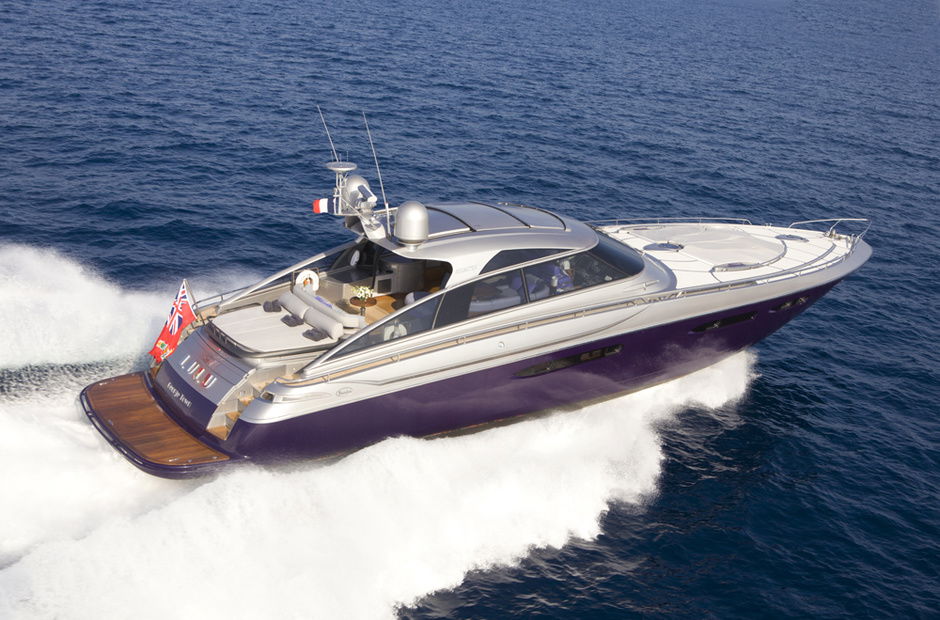

Images have been gathered from various sources and belong to their respective owners.
Review - Baia Low Blow

MarineBroker
07/09/2024, 10:54 AM
2008 Baia Low Blow: What Owners and Buyers Should Know Before You Buy, Inspect, or Upgrade
The 2008 Baia Low Blow is one of those boats that turns heads for all the right reasons. It has the kind of Italian styling, performance attitude, and sporty profile that makes people stop and look twice at the dock. But if you’re researching this model, you’re probably not just admiring the lines. You’re likely trying to answer a more practical question: is it a smart boat to own today, and what should you watch out for?
That’s the real challenge with a performance yacht from this era. A boat like the 2008 Baia Low Blow can deliver a lot of fun, but only if you understand what to check, how to maintain it, and where the hidden costs can show up. Buyers often focus on speed, layout, and brand reputation, while overlooking the bigger picture: mechanical condition, service history, fuel burn, and whether the boat has been cared for properly over time.
The good news is that most of the common problems are manageable if you know what to look for. With the right inspection approach and a few smart ownership habits, you can avoid expensive surprises and enjoy the boat the way it was meant to be used.
- Why the 2008 Baia Low Blow Still Gets Attention
The Baia name has long been associated with high-performance Italian yachts, and the Low Blow fits right into that tradition. It’s a sleek, aggressive-looking cruiser that appeals to owners who want more than a floating condo. This is a boat built with personality.
For many enthusiasts, the appeal comes down to three things:
- Distinctive styling that still looks modern
- Strong performance potential
- A layout that suits day cruising and weekend use
But boats in this category are not “set it and forget it” machines. They reward careful ownership and punish neglect. That’s why anyone considering a 2008 Baia Low Blow should think beyond the listing photos and into the realities of maintenance, parts availability, and operating costs.
- The Main Problem: Performance Boats Can Hide Expensive Issues
The biggest issue for buyers and owners of a 2008 Baia Low Blow is simple: these boats can look fantastic even when they need serious work.
A clean exterior does not always mean the engines are healthy. Fresh upholstery does not guarantee the wiring is sound. And a nice sea trial does not always reveal long-term wear in systems that only show problems after repeated use.
Common pain points often include:
- Engine and drivetrain wear
- Aging electronics
- Water intrusion around hatches, windows, or fittings
- Service gaps from previous owners
- Higher-than-expected running costs
If you’re shopping for one, the challenge is separating cosmetic appeal from actual condition. If you already own one, the challenge is keeping the boat reliable without letting small issues become major repairs.
- What Makes the 2008 Baia Low Blow Different from a Typical Cruiser
The 2008 Baia Low Blow is not designed for casual, low-maintenance ownership in the same way a slower family cruiser might be. It’s a performance-focused yacht, which means the systems are usually pushed harder and inspected more carefully.
That affects everything from fuel consumption to component wear. A high-performance hull and powerful propulsion setup can deliver excellent ride quality and speed, but they also require more attention.
Here’s what that means in practical terms:
- Engines may run at higher loads than on a displacement cruiser
- Drive systems often need more frequent inspection
- Trim, steering, and cooling systems matter more than many first-time buyers realize
- Maintenance records become especially important
In other words, the boat’s strengths are real, but so are its responsibilities.
- The Smart Way to Inspect a 2008 Baia Low Blow
If you’re evaluating a 2008 Baia Low Blow, don’t rely on a quick walk-through. Use a structured inspection process. The goal is to understand the boat’s condition, not just its presentation.
Start with these areas:
- Engine hours and service history
- Major repairs or replacements
- Signs of corrosion or water intrusion
- Electrical system condition
- Upholstery, decking, and interior wear
- Hull condition and evidence of prior damage
A professional marine survey is strongly recommended. For a boat of this type, a survey is not just a formality. It’s the best way to uncover hidden issues before they become your problem.
Also make sure to request:
- Maintenance logs
- Engine documentation
- Receipts for upgrades or repairs
- Records of winterization or storage
- Information about any refits
If the seller cannot provide much history, treat that as a warning sign. Performance boats without documentation can become expensive guesses.
- Common Problem Areas to Watch on the 2008 Baia Low Blow
Every boat has its weak points, and the 2008 Baia Low Blow is no exception. While exact issues vary depending on how the boat was used and maintained, a few areas deserve extra attention.
- Engines and Cooling Systems
Performance boats depend heavily on healthy engines. Overheating, neglected cooling components, or poor service can create major headaches.
Look for:
- Uneven idle
- Excessive smoke
- Overheating at speed
- Corrosion around hoses and clamps
- Old belts, impellers, and filters
Even if the engines start cleanly, that does not mean they’re fully healthy. Ask when the last major service was completed.
- Electrical and Electronics
Older boats often develop electrical gremlins over time. On a yacht like the Baia Low Blow, electronics may have been updated piecemeal, which can lead to compatibility issues.
Check for:
- Flickering displays
- Non-functioning gauges
- Corroded connectors
- Battery condition
- Charging system performance
If the navigation package is dated, factor in replacement costs. Electronics can be one of the easiest areas to underestimate.
- Water Intrusion
Water intrusion is one of the most expensive problems because it can affect structure, wiring, upholstery, and hardware.
Inspect carefully for:
- Soft spots in decks
- Staining around windows or hatches
- Musty smells in cabins
- Loose fittings
- Delamination or bubbling surfaces
A little seepage can become a much bigger issue if ignored.
- Interior Wear
The interior of a 2008 boat may show its age even if the hull looks good. Sun exposure, humidity, and regular use all take a toll.
Watch for:
- Cracked vinyl
- Worn cushions
- Cabinet swelling
- Loose hinges and latches
- Faded finishes
These issues are not always structural, but they affect comfort and resale value.
- Why Maintenance History Matters More Than Age
When people ask whether the 2008 Baia Low Blow is a good buy, age alone does not answer the question. A well-kept boat can be far better than a newer one that has been neglected.
Maintenance history tells you how the boat was treated. That’s especially important for a performance model, where skipped service can quickly lead to expensive repairs.
A strong maintenance record should show:
- Regular engine servicing
- Routine oil and filter changes
- Cooling system maintenance
- Seasonal checks
- Prompt repairs after faults were found
If the boat has been used lightly but serviced properly, that’s often better than a heavily used boat with patchy records. The paper trail is part of the value.
- Practical Ownership Tips for the 2008 Baia Low Blow
Once you own a boat like this, the best approach is to stay ahead of problems instead of reacting to them. That saves money and keeps your time on the water more enjoyable.
Here are some smart habits:
- Run the boat regularly to keep systems active
- Flush and inspect cooling systems on schedule
- Keep batteries charged and tested
- Check bilges for leaks or unusual buildup
- Clean and protect stainless hardware
- Inspect seals and fittings after heavy use
It also helps to create a simple seasonal checklist. Even basic routine checks can prevent a lot of frustration later.
A good rule of thumb: if a small issue appears, deal with it quickly. On a performance yacht, little problems rarely stay little for long.
- How to Budget for a Boat Like This
One of the biggest surprises for new buyers is that the purchase price is only part of the story. A 2008 Baia Low Blow can be affordable relative to newer performance yachts, but ownership costs still matter.
Budget for:
- Survey and haul-out costs
- Annual engine service
- Bottom cleaning and antifouling
- Insurance
- Dockage or storage
- Electronics updates
- Unexpected repairs
If you’re buying the boat, it’s wise to hold back a reserve fund for the first year. That way, if the survey reveals needed work, you’re not caught off guard.
A practical approach is to think in terms of “purchase plus readiness.” If the boat needs mechanical, cosmetic, or electronic updates before you can confidently use it, those costs are part of the real price.
- When a 2008 Baia Low Blow Makes Sense
This boat makes the most sense for someone who values style, performance, and character, and who understands the responsibilities that come with that kind of yacht.
It can be a strong fit if you:
- Want a distinctive performance cruiser
- Appreciate Italian design and fast lines
- Are comfortable with proactive maintenance
- Can budget for upkeep and upgrades
- Plan to use the boat regularly
It may be less ideal if you want very low maintenance, simple systems, or minimal operating costs. That doesn’t make it a bad boat. It just means expectations should match reality.
- Signs You’re Looking at a Good Example
A well-cared-for 2008 Baia Low Blow usually gives you clues early in the process.
Positive signs include:
- Clean and organized engine room
- Detailed service records
- Even wear throughout the interior
- Dry bilges
- Working electronics and gauges
- Smooth sea trial performance
Also pay attention to the owner’s attitude. A seller who can explain maintenance history clearly is often a good sign. Vagueness, rushed answers, or resistance to inspection usually are not.
- A Simple Decision Framework for Buyers
If you’re trying to decide whether to move forward, use this quick checklist:
- Does the boat have solid service records?
- Did the survey uncover any major red flags?
- Are the engines and systems in good condition?
- Can you afford the first-year maintenance and upgrades?
- Does the boat fit your actual boating style?
If the answer to most of those is yes, the 2008 Baia Low Blow may be worth serious consideration. If several answers are uncertain, it’s better to keep looking than to buy with hope alone.
- Final Thoughts on the 2008 Baia Low Blow
The 2008 Baia Low Blow is a boat that offers real appeal, but it rewards informed buyers and attentive owners. Its style, performance, and presence make it stand out, yet the key to enjoying it is understanding what lies beneath the surface. A careful inspection, a strong maintenance history, and realistic budgeting go a long way toward avoiding expensive surprises.
If you’re researching this model, the best next step is to focus on condition, not just image. Look closely, ask questions, and never skip the survey. With the right approach, you can turn a head-turning performance yacht into a reliable and enjoyable part of your boating life.
Specifications
General
Boat Type: Power Boats
Class Type: Mega Yacht
Specifications
Length: 78.74
Beam: 19.36
Draft: 3.94
Hull Material: Carbon Fibre
Build
First Built: 2008
Propulsion
Fuel Type: Diesel
Engines: 2
Power: 2030 HP
Brand: unknown
Accomodation
Cabins: 3
PROS & CONS
What we appreciated
 Classic and stylish design with Italian craftsmanshipSpacious cockpit area suitable for entertaining guestsPowerful engines providing strong performance and speedHigh-quality materials and finishes used throughoutGood handling and stability for a boat of its size
What we didn’t appreciate
 Older model may require more maintenance and upkeepFuel consumption can be relatively high due to powerful enginesLimited modern electronics and navigation systems compared to newer boatsInterior space is somewhat limited for extended cruisingParts and service may be harder to find due to the brand's niche market
Upkeep Costs
Annual insurance: $1,200 - $2,000
Fuel: $3,000 - $6,000 per season (depends on usage and engine type)
Maintenance and repairs: $2,000 - $5,000 per year
Storage and docking fees: $1,500 - $4,000 per year
Registration and licensing: $100 - $300 per year

Rating
7.9
User
Score
Score
Driveability
Technology
Interior
Design
Similar Boats


MarineBroker
Download now for an immersive boat experience like never before! ⛵✨ Your journey begins with a simple click. 🌊📲
#SetSailSmart #DownloadNow
#SetSailSmart #DownloadNow

Subscribe
Copyright 2017 - 2026, Marinebroker.net, All Rights Reserved