Boat Database » Avalon Venture Cruise Rear Bench 22
Avalon Venture Cruise Rear Bench 22
Outboard four-stroke, Unleaded, 1x 100 HP
Power Boats 2020 Avalon Venture Cruise Rear Bench 22: How to Make the Most of Your Pontoon’s Rear Seating
If you own or are shopping for a 2020 Avalon Venture Cruise Rear Bench 22, you probably already know that the rear bench is more than j...
Discover

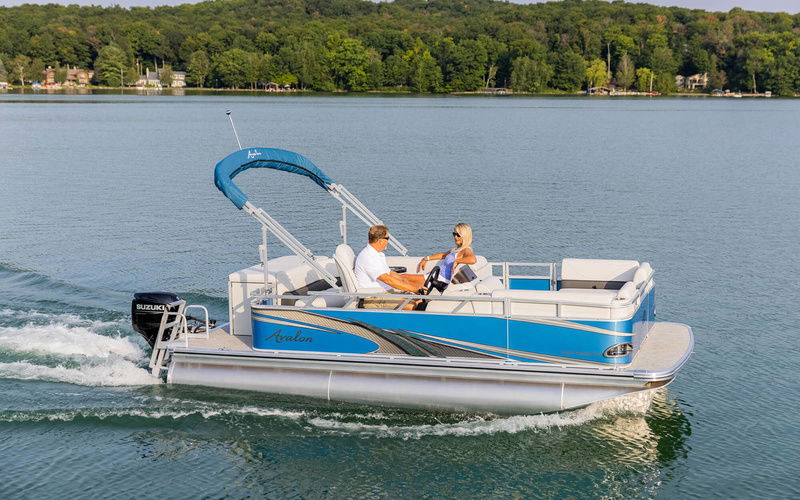
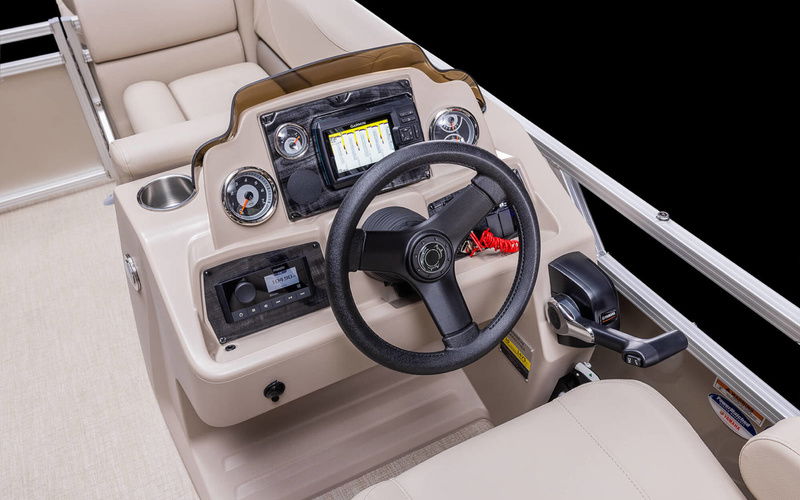
Images have been gathered from various sources and belong to their respective owners.
Review - Avalon Venture Cruise Rear Bench 22

MarineBroker
06/29/2024, 10:33 AM
2020 Avalon Venture Cruise Rear Bench 22: How to Make the Most of Your Pontoon’s Rear Seating
If you own or are shopping for a 2020 Avalon Venture Cruise Rear Bench 22, you probably already know that the rear bench is more than just “extra seating.” On a pontoon, the rear bench can affect how people move around the boat, how comfortable long rides feel, and even how well the boat handles when everyone gathers in one spot. It’s one of those features that seems simple at first, but once you start using the boat regularly, you realize how important it is.
A common challenge for owners is figuring out how to keep the rear bench comfortable, practical, and safe for different types of outings. Maybe the seating feels crowded when family and friends are aboard. Maybe storage and layout don’t seem as efficient as they could be. Or perhaps you just want to understand how to care for the bench so it stays in good shape for years. The good news is that with a few smart adjustments and maintenance habits, the rear bench can become one of the most useful parts of your pontoon setup.
- Why the Rear Bench Matters on a Pontoon Boat
On a pontoon, every seating zone plays a role in balance, comfort, and flow. The rear bench is especially important because it often serves as a social spot, a lounging area, or a place where passengers naturally gather when the boat is underway or anchored.
Unlike a couch in a living room, boat seating has to work in changing conditions. Sun exposure, spray, foot traffic, wet swimsuits, and shifting weight all affect how the bench performs over time. That means the rear bench is doing double duty: it has to be comfortable and durable.
For the 2020 Avalon Venture Cruise Rear Bench 22, the layout is designed to support casual cruising and relaxed time on the water. But even a well-designed bench benefits from thoughtful use. If the seating area gets overloaded, cluttered, or poorly maintained, it can quickly become less enjoyable.
Here’s why that matters:
- Better seating balance helps the boat feel more stable.
- Cleaner, organized seating improves safety and movement.
- Proper care extends the life of marine upholstery and cushions.
- Smart use of the rear bench makes the whole pontoon feel more spacious.
- Common Problems Owners Run Into
A lot of pontoon owners don’t think about seating issues until they start affecting the ride. The rear bench is often where those little frustrations show up first.
Some common problems include:
- Limited comfort on longer trips
- Wet or sun-faded upholstery
- Not enough storage organization nearby
- People crowding the same section of the boat
- Cushions losing shape over time
- Dirt, mildew, or stains from regular use
These issues are normal, especially if the boat is used often in warm weather. The rear bench takes a lot of wear because passengers use it as a main seating area and sometimes as a transition point for boarding, swimming, or fishing activities.
The key is not to treat these as major failures. Instead, think of them as signs that the seating area needs a little attention.
- Understanding the 2020 Avalon Venture Cruise Rear Bench 22 Layout
The rear bench on a pontoon like the 2020 Avalon Venture Cruise Rear Bench 22 is typically part of a larger social layout. That means it’s not just about one seat. It’s about how that seat fits into the whole boat.
In practical terms, the rear bench usually works best when:
- It supports easy movement from stern to mid-boat
- Passengers can sit without blocking access to other areas
- The seating arrangement helps distribute weight evenly
- The bench remains accessible without creating a bottleneck
If the rear bench becomes a catch-all for bags, coolers, towels, and gear, the space can feel cramped fast. That’s why the layout matters as much as the seat itself.
A good rule of thumb is to keep the rear bench open and functional. It should feel like a place to relax, not a storage overflow zone.
- How to Improve Comfort Without Replacing Everything
You don’t always need a major upgrade to make the rear bench more enjoyable. In many cases, a few simple changes can make a big difference.
Try these comfort-focused tips:
- Add marine-grade seat cushions or back support pillows if the seating feels too firm.
- Use removable seat covers to protect the upholstery and make cleanup easier.
- Keep a few lightweight towels or quick-dry mats nearby for wet passengers.
- Make sure the bench isn’t overloaded with gear that reduces available seating space.
- Position the boat’s seating so passengers can face each other comfortably when anchored.
Comfort on a pontoon is often about reducing friction. If people can sit, stretch, and move around easily, the whole ride feels better.
If you cruise frequently with family or friends, it also helps to think about how the rear bench is used during different parts of the day. For example:
- Morning rides may call for more back support and shade.
- Afternoon outings may require better sun protection.
- Evening cruises might benefit from softer seating and open space for socializing.
- Keeping the Rear Bench in Good Condition
Marine seating faces harsh conditions, so maintenance matters. Even a high-quality bench can wear out faster than expected if it’s not cleaned and protected regularly.
Here’s a simple care routine that works well for most pontoon seating:
- Wipe down cushions after each trip with fresh water and a soft cloth.
- Use a mild soap designed for marine vinyl when deeper cleaning is needed.
- Avoid harsh cleaners that can dry out or damage the material.
- Let cushions dry fully before covering or storing them.
- Check seams, stitching, and fasteners regularly for early signs of wear.
Sun exposure is one of the biggest threats to boat upholstery. If your pontoon sits uncovered for long periods, consider a fitted cover or shade solution. Even a little protection can help reduce fading and cracking over time.
Mildew is another common issue, especially in humid climates. The best defense is simple: keep things dry, ventilated, and clean.
- Storage and Organization Tips That Actually Help
One of the easiest ways to improve the rear bench area is to control clutter. On a boat, clutter doesn’t just look messy. It can get in the way, create tripping hazards, and make the seating area feel smaller than it really is.
Useful organization ideas include:
- Using soft-sided storage bags instead of hard, bulky containers
- Keeping life jackets in a dedicated storage compartment
- Storing towels and swim gear in waterproof bins
- Using hooks or organizers for small items like keys, sunscreen, and sunglasses
- Avoiding heavy items on or near the rear bench that could shift while underway
A clean boat feels bigger. That’s especially true with pontoon seating, where open space helps the whole layout work better.
If your group tends to bring a lot of gear, set some ground rules before boarding:
1. Keep only essentials in the seating area.
2. Store loose items before the boat gets underway.
3. Designate one spot for wet gear.
4. Make sure everyone knows where to place bags and coolers.
These small habits make the rear bench easier to use and help the entire boat stay more organized.
- Safety Considerations Around Rear Seating
Comfort is important, but safety should always come first. Rear seating on a pontoon can become risky if passengers gather in the wrong places or block movement around the boat.
A few safety basics to keep in mind:
- Don’t overload the rear bench with more people than it’s designed to hold.
- Keep walkways clear so passengers can move safely.
- Make sure gear is secured and won’t slide during turns or acceleration.
- Remind passengers to sit properly when the boat is moving.
- Keep children and pets supervised near the stern area.
Weight distribution matters on pontoons. When too many passengers cluster in one area, the boat may sit lower in the water or feel less balanced. That doesn’t mean the rear bench is a problem. It just means the seating should be used with the boat’s overall layout in mind.
If you’re unsure about how weight is distributed on your setup, it’s always smart to consult the owner’s manual or a marine technician for guidance.
- When the Rear Bench Needs an Upgrade
Sometimes maintenance and organization aren’t enough. If the rear bench is badly worn, uncomfortable, or damaged, an upgrade may be the better long-term solution.
Signs that it may be time to consider replacement or repair include:
- Cracked or split vinyl
- Flattened cushions that no longer support passengers well
- Loose stitching or failing seams
- Persistent mildew stains
- Hardware that no longer holds securely
- Water damage that keeps returning
At that point, the issue isn’t just appearance. It’s about usability and safety. A worn rear bench can make the boat less enjoyable and may lead to more expensive problems later.
If you’re exploring replacement options, look for marine-grade materials that are built for UV exposure, moisture, and regular use. The goal is not just to match the original look, but to improve long-term performance.
- How the 2020 Avalon Venture Cruise Rear Bench 22 Fits Different Lifestyles
One of the best things about pontoon boats is how flexible they are. The rear bench can support a lot of different boating styles, depending on how you use the boat.
For family cruising:
- Use the bench as a relaxed seating area for sightseeing and conversation.
- Keep snacks and drinks stored nearby but not on the cushions.
- Add shade and comfort accessories for longer outings.
For social gatherings:
- Make sure the rear bench doesn’t become a crowded “drop zone.”
- Encourage guests to rotate seating positions so everyone gets comfortable.
- Use the bench as part of a larger conversation area rather than the only place people sit.
For quiet solo or couple outings:
- The rear bench can become a laid-back lounge spot.
- Keep the area uncluttered for a more open, peaceful feel.
- Use soft accessories to make the space more inviting.
The same bench can feel very different depending on how you set it up. That’s why it helps to think of it as a flexible part of the boat rather than a fixed feature.
- Practical Solution: Use, Protect, and Maintain the Space Intentionally
If there’s one simple solution to most rear bench issues, it’s this: treat the area like a high-use marine living space.
That means:
- Using it with a purpose
- Protecting it from the elements
- Cleaning it regularly
- Avoiding clutter
- Checking for wear before it becomes a bigger issue
This approach works because it addresses the most common causes of discomfort and damage. In other words, you don’t need to wait for a major problem before taking action.
For many owners, the best results come from combining a few habits:
- Daily wipe-downs after use
- Seasonal deep cleaning
- Shade or cover protection
- Smart storage choices
- Occasional upholstery inspection
That’s often enough to keep the rear bench comfortable and attractive for years.
- What to Look For When Comparing Similar Rear Bench Setups
If you’re researching the 2020 Avalon Venture Cruise Rear Bench 22 or comparing it to similar pontoon layouts, focus on the practical details that affect everyday use.
Important things to compare:
- Cushion quality and thickness
- Resistance to UV and water exposure
- Ease of cleaning
- Storage access around the seating area
- How the bench affects movement and traffic flow
- Whether the layout feels open or crowded
It’s easy to get distracted by appearance alone, but the best rear bench is the one that fits how you actually use the boat.
Ask yourself:
- Do we cruise with a lot of passengers?
- Do we spend more time anchored than underway?
- Do we need more comfort, more storage, or more open space?
- Will the seating still work well after a full day on the water?
Those answers will tell you a lot more than a photo alone.
- Final Thoughts on Getting More from Your Rear Bench
The 2020 Avalon Venture Cruise Rear Bench 22 can be a comfortable, functional part of your pontoon when it’s used and cared for the right way. Most issues owners run into are not major defects. They’re usually everyday problems like clutter, wear, poor organization, or lack of maintenance.
The good news is that these are all manageable. With a little attention to comfort, cleaning, storage, and safety, the rear bench can stay useful and inviting season after season. Whether you’re cruising with family, hosting friends, or enjoying a quiet afternoon on the water, the goal is the same: make the space work for your boating style.
If you’re looking to improve your setup, start with the basics. Small changes often create the biggest difference.
In the end, a well-kept rear bench doesn’t just improve seating. It improves the whole boating experience.
Specifications
General
Boat Type: Power Boats
Class Type: Pontoon Boat
Specifications
Length: 23.43
Beam: 8.01
Draft: 1.97
Hull Material: Aluminium
Build
First Built: 2020
Propulsion
Fuel Type: Unleaded
Engines: 1
Power: 100 HP
Brand: Unknown
Accomodation
PROS & CONS
What we appreciated
 Spacious rear bench seating suitable for multiple passengersSmooth and stable ride due to pontoon designDurable construction with high-quality materialsAmple deck space for lounging and fishingModern features and comfortable cruising experience
What we didn’t appreciate
 Relatively heavy, which may require a more powerful tow vehicleLimited top speed compared to traditional V-hull boatsLess maneuverable in tight or rough water conditionsLower fuel efficiency due to pontoon structureMay have limited storage compared to larger models
Upkeep Costs
Fuel: Approximately $500 - $1,000 per season depending on usage
Maintenance and Repairs: $1,000 - $2,000 annually
Storage: $500 - $1,200 per year depending on location and type
Insurance: $300 - $800 per year
Registration and Taxes: $100 - $300 annually

Rating
7.0
User
Score
Score
Driveability
Technology
Interior
Design
Similar Boats


2021 Avalon Catalina Platinum Quad Lounger Windshield 27
Power Boats • Pontoon Boat
LOA 8.36 • Beam 2.59


MarineBroker
Download now for an immersive boat experience like never before! ⛵✨ Your journey begins with a simple click. 🌊📲
#SetSailSmart #DownloadNow
#SetSailSmart #DownloadNow

Subscribe
Copyright 2017 - 2026, Marinebroker.net, All Rights Reserved