Boat Database » Avalon Venture Cruise Rear Bench 20
Avalon Venture Cruise Rear Bench 20
Outboard four-stroke, Unleaded, 1x 90 HP
Power Boats 2020 Avalon Venture Cruise Rear Bench 20: How to Make the Most of Your Pontoon Seating Setup
If you own or are shopping for a 2020 Avalon Venture Cruise Rear Bench 20, you probably already know that pontoon comfort is about more ...
Discover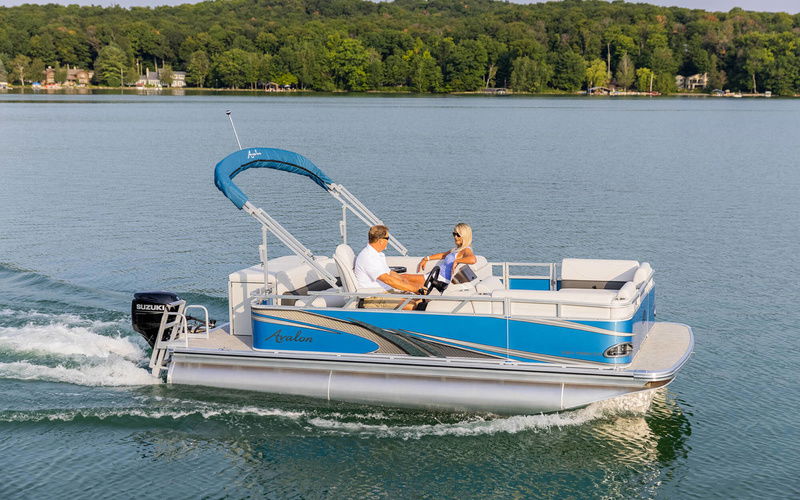

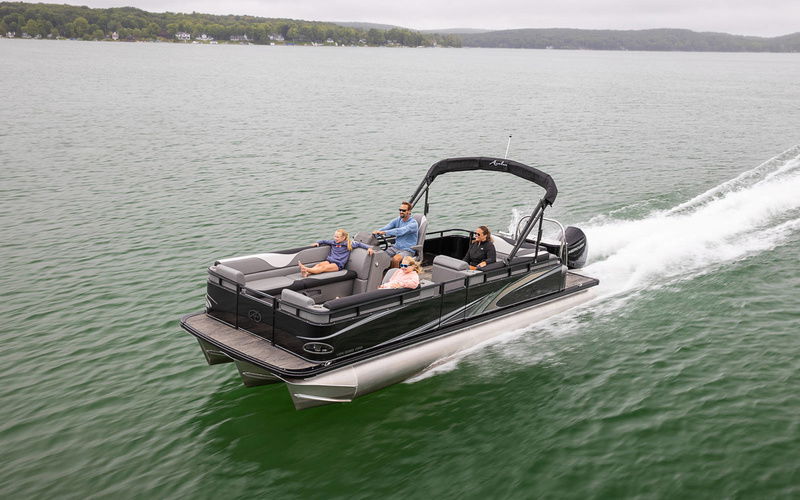

Images have been gathered from various sources and belong to their respective owners.
Review - Avalon Venture Cruise Rear Bench 20

MarineBroker
06/29/2024, 10:06 AM
2020 Avalon Venture Cruise Rear Bench 20: How to Make the Most of Your Pontoon Seating Setup
If you own or are shopping for a 2020 Avalon Venture Cruise Rear Bench 20, you probably already know that pontoon comfort is about more than just having enough seats. The rear bench is one of those details that can make a big difference in how your boat feels on the water. It affects how people move around, where they relax, how the deck is used, and even how enjoyable longer rides can be.
A lot of boat owners run into the same issue: the seating looks fine on paper, but once family and friends are onboard, the layout may feel cramped, awkward, or not quite as practical as expected. Maybe the rear bench becomes a catch-all spot for gear. Maybe passengers want better back support. Or maybe you’re simply trying to figure out how to keep the seating area comfortable, clean, and useful for everyday cruising.
The good news is that with a few smart adjustments and a better understanding of how rear bench seating works on a pontoon, you can turn that space into one of the most useful parts of the boat. Let’s break it down in a simple, practical way.
- Why the Rear Bench Matters on a Pontoon Boat
On a pontoon, every seating zone serves a purpose. The rear bench is especially important because it often helps balance the layout of the boat while giving passengers a place to sit without crowding the main lounge areas.
For many boaters, the rear bench becomes the spot where people settle in during relaxed cruises. It can also be useful when you want to keep the center of the deck open for movement, fishing, or socializing.
A well-designed rear bench helps with:
- Passenger comfort during longer rides
- Better weight distribution
- Cleaner traffic flow on deck
- More usable seating without adding clutter
- A more relaxed, open feel overall
If the rear bench is underused or poorly arranged, the whole boat can feel less functional. That’s why the 2020 Avalon Venture Cruise Rear Bench 20 is worth paying attention to when planning how you use your pontoon.
- Common Problems Boat Owners Face with Rear Bench Seating
Even a good seating layout can create frustration if it isn’t set up with real-world use in mind. The most common issue isn’t the bench itself, but how it fits into the way people actually use the boat.
Here are a few common problems:
- Limited comfort on longer outings
- Storage items piling up around the bench
- Passengers avoiding the area because it feels exposed
- Wet cushions or upholstery wearing out too quickly
- Not enough room for both seating and gear
- Uneven use of the deck, making the boat feel crowded
A lot of these issues happen because owners focus on appearance first and function second. On the water, though, comfort and convenience usually matter more than looks alone.
The solution is to treat the rear bench as part of a full seating strategy, not just an extra place to sit.
- Understanding the 2020 Avalon Venture Cruise Rear Bench 20 Layout
The 2020 Avalon Venture Cruise Rear Bench 20 is designed to support the cruising lifestyle that pontoon owners love: easy movement, casual relaxation, and practical use of deck space. In this kind of setup, the rear bench typically works best when it complements the rest of the seating arrangement instead of competing with it.
That means thinking about:
- How passengers enter and exit the boat
- Where people naturally sit during cruising
- How much space is needed for coolers, bags, and water toys
- Whether the rear area gets direct sun or spray
- How often the boat is used for entertaining versus quiet cruising
If your boat is used by families, the rear bench may become a favorite “quiet zone” for riders who want a smoother, less busy spot. If you often cruise with a group, it may serve as overflow seating that helps keep the rest of the deck from feeling packed.
The key is to make the bench feel intentional, not leftover.
- The Biggest Comfort Issue: Seat Use vs. Seat Design
One of the most overlooked problems with pontoon seating is that a bench can be technically functional but still not feel great to use. That’s especially true if the space is too hot, too hard, too shallow, or too exposed.
Comfort depends on more than cushion thickness. It also depends on how the seat supports the body during actual boat motion.
A comfortable rear bench should ideally offer:
- Supportive cushioning
- Enough depth for relaxed sitting
- Easy access without awkward climbing or squeezing
- Materials that handle sun and moisture well
- A layout that doesn’t force passengers into stiff postures
If the rear bench is uncomfortable, passengers will naturally drift elsewhere. That leads to uneven seating use and a less enjoyable ride for everyone.
A simple way to improve comfort is to think about how people sit on the boat for 20 minutes versus 2 hours. The longer the trip, the more small design details matter.
- Practical Ways to Improve the Rear Bench Experience
You don’t always need major changes to make the rear bench more useful. In many cases, a few practical adjustments can improve the experience a lot.
Try these ideas:
1. Keep the area uncluttered
Loose gear makes any seating area feel smaller. Store life jackets, ropes, and bags in designated compartments instead of leaving them on or near the bench.
2. Add weather protection where possible
If the rear bench gets a lot of sun, shade and cover can make a big difference. A bimini top or strategic mooring cover use can help reduce heat and fading.
3. Use marine-friendly cushions and accessories
If your boat allows for it, upgraded cushions or removable seat pads can improve comfort without changing the layout.
4. Create a routine for drying and cleaning
Moisture is one of the fastest ways to shorten upholstery life. Wiping down the rear bench after use helps prevent mildew, stains, and material breakdown.
5. Make the bench part of the flow
Passengers should be able to reach the seat without stepping over bags, rods, or other obstacles. A clear path makes the whole boat feel better organized.
These small habits go a long way in making the 2020 Avalon Venture Cruise Rear Bench 20 more enjoyable in everyday use.
- How to Protect Rear Bench Upholstery from Wear and Tear
Pontoon seating takes a beating. Sun, water, sunscreen, salt, dirt, and regular foot traffic all affect how long the upholstery lasts. Rear benches can wear out faster if they’re used as a storage area or if passengers are constantly stepping on them.
To protect the seating area:
- Rinse off dirt and residue regularly
- Use a mild marine-safe cleaner
- Avoid harsh chemicals that damage vinyl
- Let cushions dry fully before covering the boat
- Keep sharp objects away from the seat surface
- Use protective covers when the boat is stored
UV exposure is another major factor. Over time, sunlight can fade colors and weaken materials. Even short-term shade can help extend the life of the bench.
If you’re trying to preserve the look and feel of your pontoon, upholstery care should be part of your normal maintenance routine, not an afterthought.
- Rear Bench Storage: Helpful or a Hidden Problem?
A rear bench can be a great place to keep things handy, but it can also become a clutter magnet. That’s where many owners run into trouble.
It’s tempting to use the bench area for quick storage because it’s convenient. But if you put too much there, you lose the benefits of the seating space.
Good items to keep nearby, but not on the bench itself:
- Towels
- Spare life jackets
- Dock lines
- Small first-aid kit
- Sunscreen
- Dry bag with essentials
Things that should usually stay out of the seating area:
- Heavy coolers
- Wet gear
- Fishing tackle boxes
- Loose toys
- Sharp or abrasive items
A good rule is simple: if it affects comfort, safety, or cleanliness, it probably shouldn’t live on the bench.
- Safety Considerations Around Rear Seating
Comfort is important, but safety matters just as much. Rear seating can be perfectly fine for cruising, but it should always be used with smart boating habits.
Here are a few safety points to keep in mind:
- Make sure passengers can hold on securely when the boat is moving
- Don’t block walkways with bags or gear
- Keep the rear area clear of loose items that could slide
- Be cautious when boarding or unloading near the stern
- Follow seating limits and weight guidelines for your boat
A rear bench should never feel like a risky afterthought. The more organized the area is, the safer it becomes for everyone onboard.
For families with kids, it’s especially helpful to establish a simple rule: seated passengers stay seated while underway. That one habit can prevent a lot of unnecessary movement and instability.
- When the Rear Bench Works Best on the Water
The 2020 Avalon Venture Cruise Rear Bench 20 tends to shine in certain boating situations. It’s especially useful when the goal is relaxed cruising rather than high-energy activity.
It works well for:
- Sunset rides
- Family outings
- Leisurely lake cruising
- Quiet conversations
- Extra seating for guests
- Passengers who prefer a calmer spot away from the center traffic
A rear bench can be less ideal when the boat is packed with gear or when everyone wants to gather in one area. In those cases, the seat may feel more like overflow than a destination.
That’s why the best setup depends on how you actually use the boat. If your cruising style is casual and social, the rear bench can be one of the most valuable spots on board.
- Matching the Rear Bench to Your Boating Lifestyle
Not every pontoon owner uses their boat the same way. Some people mostly cruise with family. Others use the boat for entertaining, fishing, or all-day lake trips. The rear bench should fit that lifestyle.
If you boat with kids, you may want the bench area to be easy to supervise and simple to clean.
If you entertain adults, comfort and seating flow may matter more than extra storage.
If you use the boat for long days on the water, you’ll probably care more about shade, cushion support, and easy access to drinks and gear.
Think about your most common boating day:
- Who is usually onboard?
- How long are you out?
- What gets used most often?
- Where do people naturally sit?
- What causes the most frustration?
Once you answer those questions, it becomes much easier to decide whether your current rear bench setup is working or needs improvement.
- Simple Upgrade Ideas Without Overcomplicating Things
You don’t need to rebuild your pontoon to get better results from the rear bench. Sometimes the smallest upgrades create the biggest improvement.
Useful upgrades may include:
- Better seat covers
- Clip-on cup holders nearby
- Additional shade
- Non-slip flooring around the bench
- Storage solutions that keep clutter away
- Cushion replacements if the original padding has worn down
The goal is not to make the boat fancy. It’s to make it work better for the way you use it.
If a change improves comfort, reduces mess, or makes boarding easier, it’s probably a smart move.
- Why the 2020 Avalon Venture Cruise Rear Bench 20 Can Be Part of a Better Boat Experience
At the end of the day, a rear bench is more than just a piece of furniture. On a pontoon, it helps shape the whole social and practical experience of being on the water.
The 2020 Avalon Venture Cruise Rear Bench 20 can be especially useful when it’s treated as part of a thoughtful layout. With the right habits, it becomes a comfortable place to sit, a cleaner part of the deck, and a better fit for everyday cruising.
The real solution isn’t just buying better seating. It’s using the seating you already have in a smarter way.
That means:
- Keeping it clean
- Protecting it from weather
- Avoiding clutter
- Thinking about passenger flow
- Matching the setup to your boating style
Once you do that, the rear bench becomes less of a problem area and more of an asset.
- Conclusion
The 2020 Avalon Venture Cruise Rear Bench 20 can be a valuable part of your pontoon setup when it’s used with comfort, organization, and safety in mind. Many of the common frustrations boat owners face—clutter, wear, discomfort, and awkward seating flow—can be reduced with simple, practical changes. A cleaner layout, better protection from the elements, and a more intentional approach to seating can make a big difference.
If you’re looking to get more out of your pontoon, start with the rear bench area. Small improvements there often lead to a better overall boating experience. For more ideas on pontoon comfort, layout, and maintenance, it’s worth exploring additional boating resources and setup tips tailored to your style on the water.
Specifications
General
Boat Type: Power Boats
Class Type: Pontoon Boat
Specifications
Length: 21.42
Beam: 8.01
Draft: 1.97
Hull Material: Aluminium
Build
First Built: 2020
Propulsion
Fuel Type: Unleaded
Engines: 1
Power: 90 HP
Brand: Unknown
Accomodation
PROS & CONS
What we appreciated
 Spacious rear bench seating ideal for socializing and relaxingStable and smooth ride due to pontoon designGood fuel efficiency for a boat of its sizeDurable construction with high-quality materialsAmple storage compartments for gear and supplies
What we didn’t appreciate
 Limited top speed compared to performance boatsMay require a larger trailer due to size and weightBasic electronics and features may require upgradesLess maneuverable in tight spaces due to lengthOpen deck layout offers minimal protection from weather elements
Upkeep Costs
Fuel: Approximately $300-$500 per season depending on usage
Maintenance and Repairs: Around $500-$1,000 annually
Storage: $500-$1,200 per year depending on location and type
Insurance: $300-$600 annually
Registration and Taxes: $50-$150 annually

Rating
7.0
User
Score
Score
Driveability
Technology
Interior
Design
Similar Boats


MarineBroker
Download now for an immersive boat experience like never before! ⛵✨ Your journey begins with a simple click. 🌊📲
#SetSailSmart #DownloadNow
#SetSailSmart #DownloadNow

Subscribe
Copyright 2017 - 2026, Marinebroker.net, All Rights Reserved