Boat Database » Avalon GS Rear Fish 23
Avalon GS Rear Fish 23
Outboard four-stroke, Unleaded, 1x 125 HP
Power Boats 2020 Avalon GS Rear Fish 23: What Owners Should Know Before Hitting the Water
If you’ve been looking at the 2020 Avalon GS Rear Fish 23, chances are you already know it’s built for a very specific kind of day on the water: part r...
Discover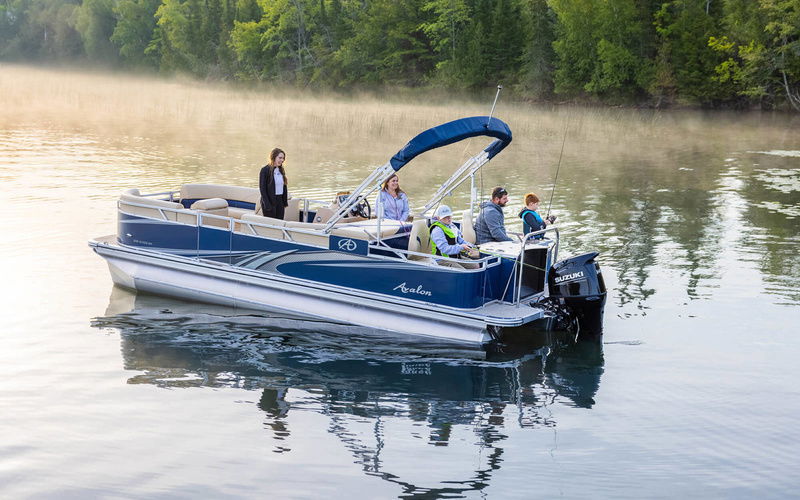


Images have been gathered from various sources and belong to their respective owners.
Review - Avalon GS Rear Fish 23

MarineBroker
06/28/2024, 5:02 AM
2020 Avalon GS Rear Fish 23: What Owners Should Know Before Hitting the Water
If you’ve been looking at the 2020 Avalon GS Rear Fish 23, chances are you already know it’s built for a very specific kind of day on the water: part relaxing cruise, part serious fishing session. That’s a great combo, but it also creates a common challenge for owners and buyers alike—how do you set up and use a pontoon that needs to do two jobs well without feeling cramped, underpowered, or awkward?
That’s usually where the frustration starts. A rear fish layout gives you better access to the water and more fishing-friendly space, but it can also raise questions about storage, seating flow, weight distribution, motor sizing, and how to make the most of the deck without sacrificing comfort. If you’re trying to figure out whether the 2020 Avalon GS Rear Fish 23 is the right fit for your style, the good news is that most of these issues have practical fixes.
In this article, we’ll break down the real-world strengths of the 2020 Avalon GS Rear Fish 23, the most common setup mistakes people make, and the simple ways to turn it into a more enjoyable, more functional boat for fishing and family time.
- What Makes the 2020 Avalon GS Rear Fish 23 Different
The 2020 Avalon GS Rear Fish 23 is a 23-foot pontoon designed with a rear fishing layout, which means the fishing station is positioned toward the back of the boat instead of the front. That sounds like a small detail, but on the water it changes the whole feel of the deck.
This setup is popular with owners who want a boat that can do both casual cruising and light-to-serious fishing. The rear fish configuration typically gives anglers easier access to the water, better use of open deck space, and a more social layout for groups that include both fishers and passengers.
For many people, the appeal is simple:
- You get a roomy pontoon platform.
- You have dedicated fishing features.
- You still keep the comfort and versatility that pontoons are known for.
The challenge is making sure the boat is arranged and used in a way that supports both purposes. If you don’t think through the layout, a rear fish pontoon can feel either too “fishing-focused” for family outings or too “leisure-focused” for productive angling.
- The Main Problem: Balancing Fishing Function and Everyday Comfort
The biggest issue people run into with the 2020 Avalon GS Rear Fish 23 is balance. Not just weight balance, but lifestyle balance.
A fishing pontoon needs practical space for rods, tackle, coolers, and movement around the deck. A family pontoon needs room to sit, stretch out, and relax. When those needs overlap, owners often realize they don’t have a “bad boat” problem—they have a “setup” problem.
Common pain points include:
- Too much gear cluttering the deck
- Not enough storage for rods and tackle
- Uneven weight from passengers or equipment
- Confusion about the best motor and performance setup
- Limited fishing efficiency if the boat is arranged like a cruiser
The good news? These are all fixable with a few smart adjustments.
- Why Rear Fish Layouts Can Be So Useful
A rear fish pontoon layout is often underrated. People sometimes assume fishing should always happen from the front, but a rear setup has some real advantages.
For one, it usually gives anglers a cleaner workflow. You can keep fishing gear toward the stern, store livewells or bait-related items nearby, and avoid crowding the bow area where passengers may be relaxing.
It also helps when you’re fishing with a group. On a 23-foot platform, space matters. A rear fish layout can make the boat feel less like a dedicated fishing machine and more like a flexible social platform with fishing capabilities built in.
Some of the biggest advantages include:
- Easier access to the water from the rear
- Better separation between fishing and lounging zones
- More open front deck space for passengers
- A layout that works well for mixed-use boating
If you’re trying to fish without giving up comfort, that separation is a big deal.
- Common Setup Mistakes on the 2020 Avalon GS Rear Fish 23
A lot of frustration with pontoon boats comes from setup mistakes, not the boat itself. The 2020 Avalon GS Rear Fish 23 is no exception.
Here are the most common ones:
- Overloading the rear section
Putting too many heavy items in the back can affect trim and handling. Even if the boat still runs fine, it may not plane as efficiently or feel as stable at speed.
- Ignoring rod storage
Rod holders and secure storage are easy to overlook until you’re dealing with tangled lines or damaged gear.
- Treating it like a pure cruiser
If you use the boat like a lounge boat but expect fishing performance, you may end up disappointed. Rear fish boats work best when the layout is intentionally organized.
- Forgetting about traffic flow
A cluttered deck makes it harder for people to move around safely, especially when lines are out or someone is landing a fish.
- Undersizing the motor
A 23-foot pontoon can handle a lot, but performance still depends on engine choice, load, and how you use the boat.
The fix is usually not complicated: reduce clutter, distribute weight properly, and set the boat up around your actual habits.
- How to Get Better Performance from the 2020 Avalon GS Rear Fish 23
If your goal is to make the boat feel smoother, more responsive, and easier to use, start with performance basics.
Weight distribution matters a lot on pontoons. Keep heavy gear balanced between port and starboard where possible, and avoid stacking too much weight at the stern. If you’re loading several passengers, spread them out instead of clustering everyone in one area.
A few practical performance tips:
- Store heavy tackle low and centered
- Keep coolers secured and balanced
- Avoid unnecessary gear on board
- Match engine size to your typical load and usage
- Trim the motor properly when accelerating or cruising
Another thing to consider is how often you’ll fish versus cruise. If you’re mostly fishing with one or two people, your setup can lean more toward angling efficiency. If you often carry family and friends, you may want a more versatile arrangement that keeps the deck open and comfortable.
Performance also improves when the boat is clean and maintained. A pontoon with dirty tubes, drag from buildup, or poor prop condition won’t feel as efficient as it should.
- Best Ways to Set Up the Deck for Fishing
The 2020 Avalon GS Rear Fish 23 works best when the deck is organized with intention. A smart layout can make a huge difference in how enjoyable the boat feels.
Here’s a simple way to think about it:
- Fishing zone
Keep rods, tackle, and landing tools near the rear fishing station. This reduces the time spent moving around the boat when a fish is on the line.
- Social zone
Use the middle and forward seating areas for passengers. That keeps the fishing area from becoming crowded.
- Storage zone
Store extra gear in designated compartments so the deck stays open and safe.
- Movement zone
Leave enough open walkway space so people can pass without stepping over lines or equipment.
Helpful gear ideas:
- Rod holders
- Tackle trays
- Under-seat storage bins
- A compact cooler
- Non-slip deck mats
- A landing net with a secure storage spot
The goal is not to turn the boat into a cluttered fishing rig. It’s to make it feel organized enough that fishing is easy, but relaxing is still possible.
- Choosing the Right Use Case: Fishing, Cruising, or Both
One of the smartest things you can do with the 2020 Avalon GS Rear Fish 23 is decide what it will mainly be used for.
If you’re mostly fishing:
- Prioritize rod storage
- Keep the deck open
- Focus on gear access and stability
- Make sure the motor supports your preferred fishing spots and travel distances
If you’re mostly cruising:
- Keep seating and comfort features front and center
- Use fishing gear in a more compact way
- Avoid overloading the rear station with equipment
If you want both:
- Create flexible zones
- Use removable or compact gear
- Keep the layout simple and balanced
- Don’t overcommit to one activity at the expense of the other
This is where the 2020 Avalon GS Rear Fish 23 does well. It’s a good compromise boat, but it works best when you accept that compromise and set it up accordingly.
- What Buyers Often Want to Know Before Choosing This Boat
People looking at this model usually have a few practical questions in mind.
Will it be comfortable for family outings?
Yes, if you keep the fishing setup organized and don’t overload the deck with gear.
Is it good for casual anglers?
Absolutely. The rear fish layout is especially helpful for people who want easy access and a simple fishing workflow.
Can it handle group outings?
A 23-foot pontoon is generally a strong size for groups, but comfort depends on how many people are aboard and how much gear you bring.
Is it beginner-friendly?
Very much so. Pontoons are known for being stable and easy to use, and the rear fish layout adds functionality without making the boat overly complicated.
The key question is not just whether the boat is good. It’s whether the boat matches your habits. For many people, the answer is yes once the setup is dialed in.
- Maintenance Tips That Keep the Boat Working Better Longer
A well-maintained pontoon is easier to enjoy and less expensive to own over time. That applies to the 2020 Avalon GS Rear Fish 23 just like any other boat.
Focus on the basics:
- Rinse the boat after use, especially if you’ve been in saltwater
- Check the deck and upholstery for wear
- Inspect fishing equipment mounts and holders
- Keep the motor serviced regularly
- Watch for loose hardware or signs of corrosion
- Clean storage compartments so gear doesn’t trap moisture
Fishing boats often take more abuse than casual cruisers because they deal with wet gear, hooks, bait, and heavier use around the stern. A little routine care goes a long way.
If you’re storing the boat for a while, remove anything that can collect moisture or attract pests. That includes bait containers, damp towels, and forgotten tackle.
- How to Make the 2020 Avalon GS Rear Fish 23 Feel More Versatile
Versatility is one of the biggest reasons people choose a pontoon like this. The trick is to make the boat adaptable without making it messy.
A few easy ways to improve versatility:
- Use removable fishing accessories
- Choose storage solutions that can be reconfigured
- Keep seating areas uncluttered
- Bring only the gear you’ll actually use that day
- Use the rear fish station as a functional zone, not a dumping ground
This approach works especially well for owners who alternate between fishing trips and family cruises. Instead of redoing the whole boat every time, you can make small changes based on the day’s plan.
For example, a morning fishing trip might call for extra tackle and a cooler, while an afternoon cruise might only need a couple of rods and more open seating. That flexibility is one of the real strengths of the 2020 Avalon GS Rear Fish 23.
- Practical Buying and Ownership Advice
If you’re considering this model, think beyond the initial excitement and ask a few real-world questions:
- How many people will usually be on board?
- Will fishing be the main activity or just one part of the experience?
- Do you need more storage or more seating?
- What kind of water will you use it on most often?
- How important is speed versus comfort?
Those answers will help you determine whether the 2020 Avalon GS Rear Fish 23 is a strong fit.
A lot of buyers focus only on size and appearance, but the best boating experience comes from matching the layout to your habits. If you fish often, like open deck space, and still want a comfortable pontoon for relaxing, this model makes a lot of sense.
- Final Thoughts on Getting the Most from the 2020 Avalon GS Rear Fish 23
The 2020 Avalon GS Rear Fish 23 is at its best when it’s set up with purpose. It offers a nice mix of fishing function and pontoon comfort, but like any multi-use boat, it needs a thoughtful layout to really shine. The most common problems—clutter, poor weight balance, and awkward deck flow—are all manageable with a little planning.
If you focus on smart storage, balanced loading, and clear activity zones, this boat can be a very practical choice for anglers who also enjoy relaxing on the water. In other words, the solution is not to force it into one role. It’s to let the boat do both jobs well by keeping things simple and organized. If you’re still comparing options, spend some time thinking about how you actually boat, not just how you imagine boating. That’s usually where the best decision becomes clear.
Specifications
General
Boat Type: Power Boats
Class Type: Pontoon Boat
Specifications
Length: 23.43
Beam: 8.5
Draft: 1.97
Hull Material: Aluminium
Build
First Built: 2020
Propulsion
Fuel Type: Unleaded
Engines: 1
Power: 125 HP
Brand: Unknown
Accomodation
PROS & CONS
What we appreciated
 Spacious deck layout ideal for fishing and entertainingDurable construction with high-quality materialsPowerful and fuel-efficient engine optionsComfortable seating with ample storage compartmentsSmooth handling and stable ride in various water conditions
What we didn’t appreciate
 Higher price point compared to some competitorsLimited top speed due to pontoon designMay require additional accessories for specialized fishing setupsRelatively heavy, impacting trailering and launching easeBasic electronics package may need upgrading for advanced navigation
Upkeep Costs
Fuel: Approximately $1,500 - $2,500 per year depending on usage
Maintenance: Around $1,000 - $1,500 annually including engine service and hull upkeep
Insurance: Typically $300 - $600 per year
Storage: $500 - $1,200 per year depending on location and type (indoor/outdoor)
Registration and Taxes: $100 - $300 per year depending on state regulations

Rating
6.8
User
Score
Score
Driveability
Technology
Interior
Design
Similar Boats

2020 Avalon Catalina Platinum Versatile Rear Bench 27
Power Boats • Pontoon Boat
LOA 8.31 • Beam 2.59


2021 Avalon Catalina Platinum Versatile Rear Bench Windshield 25
Power Boats • Pontoon Boat
LOA 7.7 • Beam 2.59


2021 Avalon Catalina Platinum Quad Lounger Windshield 25
Power Boats • Pontoon Boat
LOA 7.75 • Beam 2.59
MarineBroker
Download now for an immersive boat experience like never before! ⛵✨ Your journey begins with a simple click. 🌊📲
#SetSailSmart #DownloadNow
#SetSailSmart #DownloadNow

Subscribe
Copyright 2017 - 2026, Marinebroker.net, All Rights Reserved