Boat Database » Avalon LSZ Cruise Rear Bench 24
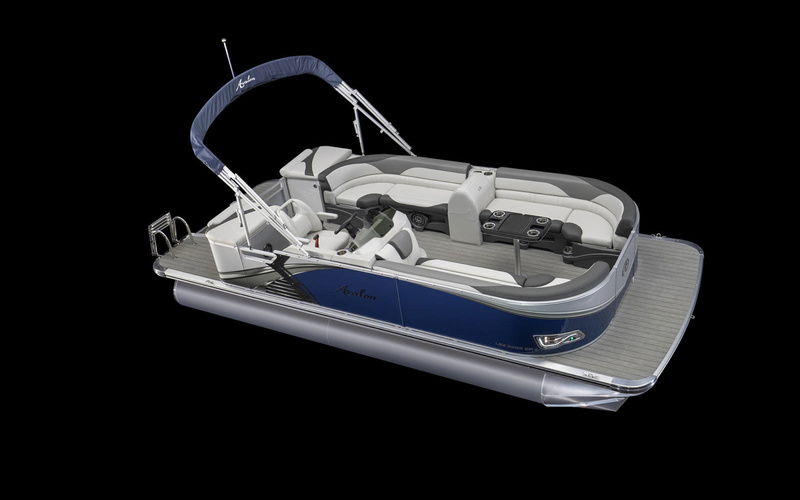
Avalon LSZ Cruise Rear Bench 24
Outboard four-stroke, Unleaded, 1x 125 HP
Power Boats 2020 Avalon LSZ Cruise Rear Bench 24: How to Keep Your Pontoon Seating Comfortable, Safe, and Looking Great
If you own or are shopping for a 2020 Avalon LSZ Cruise Rear Bench 24, you already know the rear bench plays a bigger rol...
Discover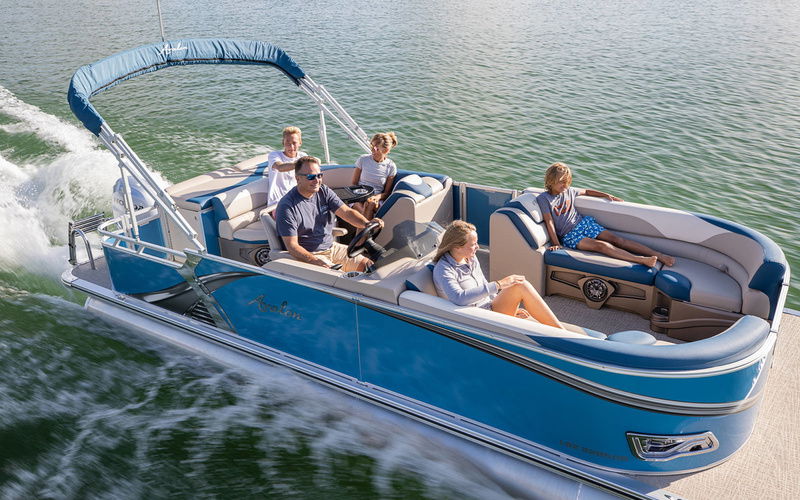

Images have been gathered from various sources and belong to their respective owners.
Review - Avalon LSZ Cruise Rear Bench 24

MarineBroker
06/27/2024, 6:10 AM
2020 Avalon LSZ Cruise Rear Bench 24: How to Keep Your Pontoon Seating Comfortable, Safe, and Looking Great
If you own or are shopping for a 2020 Avalon LSZ Cruise Rear Bench 24, you already know the rear bench plays a bigger role than many people realize. It’s not just “extra seating” at the back of the boat. It’s where passengers relax after a swim, where gear often gets set down, and where wear and tear tends to show up first.
That’s also where the problem usually starts. Rear pontoon seating takes a beating from sun exposure, moisture, foot traffic, spilled drinks, and constant use. Over time, cushions can fade, stitching can loosen, vinyl can crack, and comfort can drop fast. If the bench starts looking tired or feeling unstable, it affects the whole boating experience.
The good news is that most rear bench issues are manageable with the right care, a few smart habits, and a clear understanding of what to inspect. Whether you’re trying to preserve your current setup, troubleshoot a comfort issue, or figure out how to keep the seating area boat-ready for the long haul, there are practical ways to solve it without making things overly complicated.
- Why the Rear Bench Matters More Than You Think
On a pontoon boat, the rear bench is often one of the most-used seating areas. It handles a mix of passengers, movement, storage, and exposure that can be tougher than the lounge seats up front.
For the 2020 Avalon LSZ Cruise Rear Bench 24, that matters because rear seating isn’t just about comfort. It also affects:
- Passenger safety and balance
- Overall boat appearance
- Storage organization
- The resale value of the boat
- Long-term durability of the interior
A rear bench in good condition helps the whole boat feel cleaner, more comfortable, and more inviting. When it starts to wear down, the rest of the boat often feels older too.
- Common Problems Owners Notice with Rear Pontoon Benches
If you’ve spent any time around pontoon boats, you’ve probably seen the same rear bench issues come up over and over again. These are usually the first signs that maintenance or repair is needed.
Some of the most common problems include:
- Faded or discolored vinyl from UV exposure
- Soft spots in cushions from foam breakdown
- Loose seams or stitching
- Mold or mildew caused by trapped moisture
- Wobbly or weakened mounting hardware
- Cracked surface material from age or heat
- Poor drainage around the seating area
- Dirt buildup in seams and corners
These issues often start small. A little fading or one loose seam may not seem urgent, but once water gets in or foam starts breaking down, the problem can spread quickly.
- What Usually Causes Rear Bench Wear
Most rear bench problems don’t happen overnight. They build up from normal use and environmental exposure.
Here’s what usually causes the damage:
- Sun exposure: UV rays dry out vinyl and fade color over time
- Moisture: Rain, splashes, and wet swimsuits can lead to mildew
- Heat: Hot decks and direct sun can weaken materials faster
- Heavy use: Frequent seating and movement compress the foam
- Dirt and sand: Abrasive particles wear down surfaces
- Poor cleaning habits: Harsh chemicals can damage protective coatings
- Neglected hardware: Loose screws or brackets can create instability
The rear bench on a pontoon is especially vulnerable because it sits in a high-traffic zone. People often step near it, sit down wet, and use it as a catch-all area for towels, coolers, and bags.
- How to Inspect the 2020 Avalon LSZ Cruise Rear Bench 24
A quick inspection every few weeks during boating season can help you catch issues early. You don’t need special tools for most checks.
Start with a visual inspection:
- Look for fading, cracks, or peeling vinyl
- Check seams for loose threads or separation
- Inspect the cushion shape for sagging or uneven spots
- Look underneath for rust, corrosion, or loose fasteners
- Check for signs of mildew, especially in corners and seams
- Make sure the bench sits level and feels secure when used
Then do a simple hands-on check:
- Press down on the cushions to feel for weak foam
- Sit on different areas to test support
- Gently move the bench to see if it shifts
- Open nearby storage or access panels if applicable
If something feels off, it’s usually worth dealing with it sooner rather than later. Small repairs are easier and cheaper than replacing the whole seating area.
- Practical Cleaning Tips That Actually Help
Cleaning is one of the easiest ways to protect rear pontoon seating, but the trick is doing it the right way. A lot of damage comes from using products that are too harsh or from letting grime sit too long.
A simple cleaning routine works best:
1. Rinse off loose dirt and debris with fresh water
2. Use a mild soap made for marine vinyl or boat interiors
3. Clean with a soft cloth or sponge
4. Rinse thoroughly so no soap residue remains
5. Dry completely with a clean towel or allow airflow
For tough spots, use a marine-safe cleaner designed for vinyl and upholstery. Avoid bleach unless the manufacturer specifically approves it, since it can dry out or discolor the material.
A few extra tips:
- Clean after saltwater use as soon as possible
- Don’t let wet towels or life jackets sit on the bench
- Wipe down spills right away
- Use a soft brush for seams and textured areas
- Never use abrasive pads that can scratch the surface
A clean bench not only looks better, it also lasts longer.
- How to Prevent Mildew and Moisture Damage
Moisture is one of the biggest threats to any rear boat seat. Even if the bench looks dry on top, water can get trapped underneath cushions, in stitching, or around mounting points.
To reduce moisture problems:
- Keep the boat covered when not in use
- Allow the interior to air out after each outing
- Dry cushions before storing the boat
- Avoid leaving damp gear on the bench
- Check for drainage issues in the rear seating area
- Use moisture absorbers in storage areas if needed
If mildew does appear, act fast. A small patch can usually be cleaned before it spreads. But if it keeps coming back, there may be a drainage or ventilation problem that needs attention.
A rear bench that stays dry will usually stay in better shape much longer.
- Comfort Problems and What They Usually Mean
Sometimes the issue isn’t visible damage. The bench may still look fine, but it doesn’t feel right anymore. That usually points to internal wear.
Common comfort complaints include:
- Cushion feels flat or hard
- Seat feels uneven from side to side
- Back support feels weak
- Bench seems to “bottom out” when sitting
- One section feels softer than the rest
These signs often mean the foam inside has started to break down or compress. In some cases, the problem is simply a cushion that has shifted out of place. In others, the support structure underneath may need inspection.
If comfort is declining, don’t ignore it. Poor support can make long rides less enjoyable and may even create safety concerns if passengers can’t sit securely.
- When Repair Makes More Sense Than Replacement
Not every rear bench issue means you need a full replacement. In many cases, a repair is the smarter choice.
Repair usually makes sense when:
- The vinyl is still in decent shape
- The foam is only slightly compressed
- Stitching has come loose in a small area
- Hardware needs tightening or replacement
- The frame or base is still solid
Replacement may be better when:
- The vinyl is cracked across large sections
- Mold has penetrated deep into the cushion
- Foam has collapsed badly
- The bench structure is damaged
- Water intrusion has caused repeated problems
A good rule of thumb: if the foundation is sound, repair first. If the bench is failing in multiple areas, replacement may save time and frustration in the long run.
- Matching Materials and Fit the Right Way
If you ever need to replace or update parts of the rear bench, fit and material quality matter a lot. A mismatch can affect comfort, appearance, and durability.
Look for materials that are:
- Marine-grade
- UV-resistant
- Moisture-resistant
- Easy to clean
- Designed for outdoor use
Also pay attention to sizing and shape. Pontoon seating often has specific dimensions, curves, and mounting patterns. Even small differences can affect how well the bench fits and how secure it feels.
For the 2020 Avalon LSZ Cruise Rear Bench 24, it’s especially important to verify measurements before making changes. A close fit helps preserve the clean look and intended function of the boat’s interior layout.
- Smart Ways to Extend the Life of Rear Seating
A little routine care goes a long way on pontoon boats. You don’t need a complicated maintenance plan to keep the rear bench in good condition.
Here are some habits that help:
- Wipe down the bench after every outing
- Use seat covers when the boat is stored
- Keep sharp objects off the cushions
- Rotate seating use if one area gets more traffic
- Inspect hardware at the start and end of the season
- Clean spills immediately
- Store the boat in a shaded or covered area when possible
You can also make small changes that reduce wear:
- Encourage passengers to remove wet shoes before sitting
- Keep snacks and drinks in stable holders
- Avoid dragging coolers across the seat surface
- Use towels after swimming instead of sitting directly on wet vinyl
These habits may seem minor, but they make a noticeable difference over time.
- Safety Checks You Shouldn’t Skip
A rear bench isn’t just about comfort. It also needs to stay secure and stable. Loose seating can be annoying at best and unsafe at worst.
Before heading out, check for:
- Loose mounting bolts
- Shifting cushions
- Sharp edges or exposed hardware
- Cracks around anchor points
- Signs of corrosion on metal parts
- Uneven seating that could affect balance
If the rear bench is near a walkway or swim area, stability matters even more. Passengers often use that zone while moving around, so anything loose should be fixed quickly.
A secure bench helps everyone feel more confident and comfortable on board.
- Seasonal Maintenance for Better Long-Term Results
Pontoon seating usually lasts longer when you treat it differently during the boating season and off-season.
During the season:
- Clean regularly
- Inspect monthly
- Keep the area dry
- Watch for fading or seam wear
Before storage:
- Deep clean the bench
- Let everything dry fully
- Cover the seating area
- Store in a dry, protected environment
At the start of the next season:
- Check for mold or mildew
- Tighten hardware
- Look for cushion flattening
- Test comfort and support before regular use
This seasonal routine helps you catch small problems before they become bigger repairs.
- Why the Right Maintenance Improves the Whole Boating Experience
When the rear bench is in good shape, the whole boat feels better. Passengers sit more comfortably, the interior looks cleaner, and you spend less time worrying about avoidable damage.
That matters because boating is supposed to feel easy. Nobody wants to deal with a soggy cushion, a loose seat, or a faded interior when they’re trying to relax on the water.
Taking care of the 2020 Avalon LSZ Cruise Rear Bench 24 is really about protecting the experience you bought the boat for in the first place. A few minutes of attention can save you from bigger headaches later.
- Conclusion
The rear bench on a pontoon boat does a lot of work, and it usually shows wear before other parts of the interior. By checking for damage early, cleaning with the right products, managing moisture, and fixing small issues before they spread, you can keep the seating area comfortable and dependable for years.
If you’re dealing with fading, soft cushions, or loose hardware on the 2020 Avalon LSZ Cruise Rear Bench 24, start with inspection and basic maintenance before jumping to replacement. In many cases, the simplest solution is the most effective one. For boat owners who want a cleaner, safer, and more enjoyable ride, consistent care is the real key. If needed, explore marine upholstery care guides or consult a qualified boat service professional for help with fit, repair, or replacement options.
Specifications
General
Boat Type: Power Boats
Class Type: Pontoon Boat
Specifications
Length: 23.43
Beam: 8.5
Draft: 1.97
Hull Material: Aluminium
Build
First Built: 2020
Propulsion
Fuel Type: Unleaded
Engines: 1
Power: 125 HP
Brand: Unknown
Accomodation
PROS & CONS
What we appreciated
 Spacious rear bench seating ideal for socializing and relaxingHigh-quality construction with durable materials for longevitySmooth and stable ride suitable for cruising on various water conditionsModern and stylish design with attractive color optionsVersatile layout accommodating multiple passengers comfortably
What we didn’t appreciate
 24-foot size may be less maneuverable in tight or shallow areasLimited storage space compared to larger pontoon boatsHigher fuel consumption due to size and engine powerMay require a larger towing vehicle for transportBasic features may lack some advanced tech or luxury options
Upkeep Costs
Fuel: Approximately $500 - $1,200 per season depending on usage and engine size
Maintenance: Around $300 - $700 annually for engine service, hull cleaning, and general upkeep
Storage: $500 - $1,500 per year depending on location and type (indoor/outdoor)
Insurance: $300 - $600 annually depending on coverage and location
Registration and Taxes: $100 - $300 per year depending on state regulations

Rating
7.2
User
Score
Score
Driveability
Technology
Interior
Design
Similar Boats


MarineBroker
Download now for an immersive boat experience like never before! ⛵✨ Your journey begins with a simple click. 🌊📲
#SetSailSmart #DownloadNow
#SetSailSmart #DownloadNow

Subscribe
Copyright 2017 - 2026, Marinebroker.net, All Rights Reserved