1974 Auroux Alucia: A Practical Guide to Understanding, Evaluating, and Enjoying This Classic Boat
If you’re interested in the 1974 Auroux Alucia, you’re probably dealing with a very common challenge: figuring out what you actual...
Discover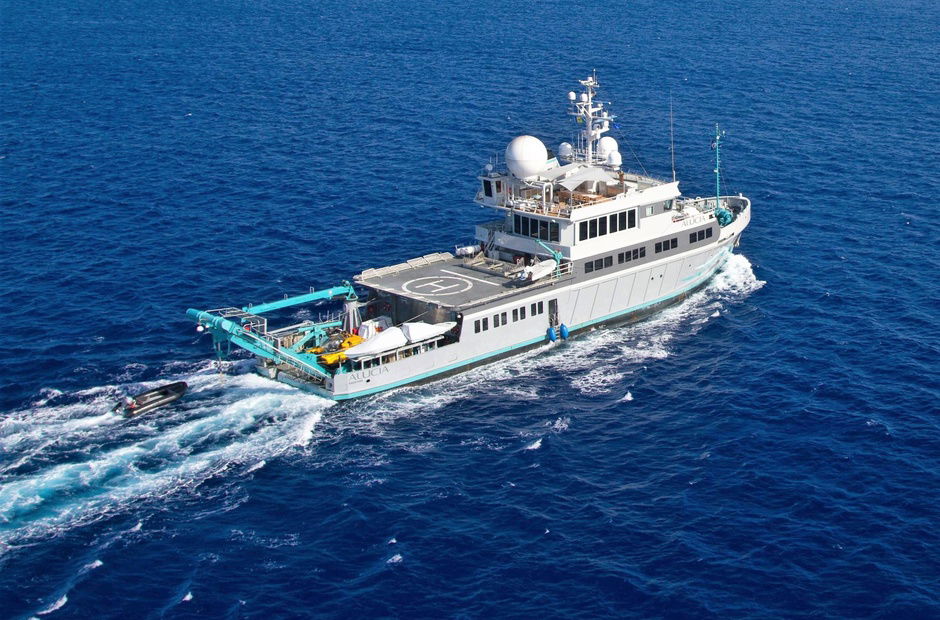

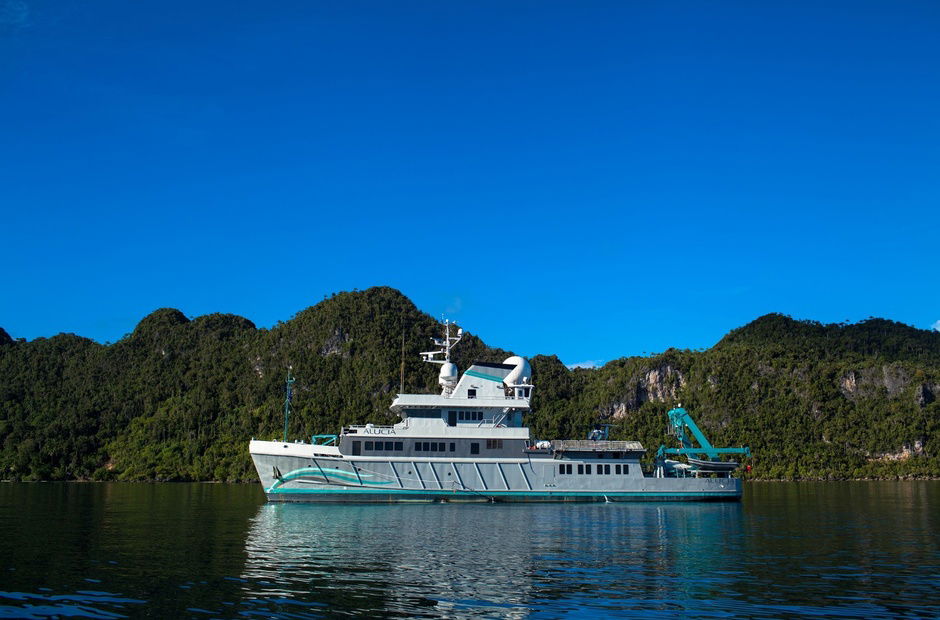
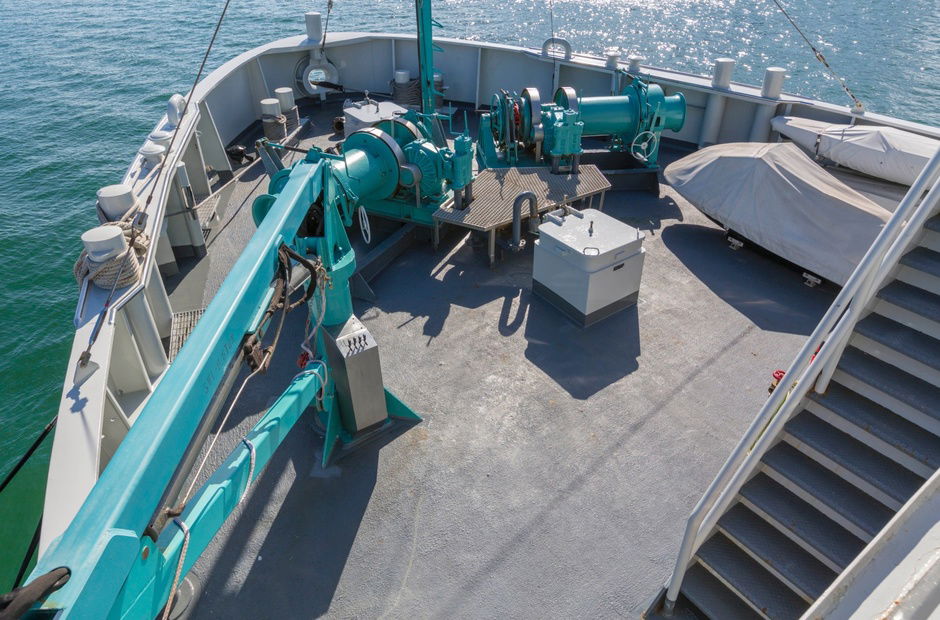
Images have been gathered from various sources and belong to their respective owners.
Review - Auroux Alucia

MarineBroker
06/05/2024, 8:18 AM
1974 Auroux Alucia: A Practical Guide to Understanding, Evaluating, and Enjoying This Classic Boat
If you’re interested in the 1974 Auroux Alucia, you’re probably dealing with a very common challenge: figuring out what you actually have, what it’s worth, and whether it’s a smart boat to restore, maintain, or buy. Classic boats can be incredibly rewarding, but they can also be confusing if you’re looking at an older hull with limited documentation, aging systems, and a history that may be a little fuzzy around the edges.
That’s especially true with a vintage model like the 1974 Auroux Alucia. Boats from this era often have a lot of character, but they also demand a more careful eye than newer vessels. People usually want to know things like: Is it seaworthy? What should I inspect first? How expensive is upkeep? And how do I tell a promising classic from a money pit?
The good news is that with the right approach, you can make a much better decision. Whether you’re considering a purchase, planning a refit, or just trying to understand the boat you already own, the key is to focus on structure, systems, and realistic maintenance planning. That’s the practical path to enjoying a classic boat without unpleasant surprises.
- What Makes the 1974 Auroux Alucia Interesting to Boat Lovers
The 1974 Auroux Alucia appeals to a certain kind of boater: someone who appreciates classic design, solid construction, and the feel of a vessel with some history behind it. Older boats like this often have a distinctive style that modern production boats can’t fully replicate.
For many enthusiasts, the charm comes from a few things:
- A traditional hull and deck layout
- Older craftsmanship and materials
- A more hands-on boating experience
- The possibility of restoring or preserving a classic vessel
At the same time, the age of the boat is exactly what creates the main problem. A boat from 1974 is old enough that nearly every system deserves inspection. Even if the hull looks good, hidden issues may exist in the engine, wiring, plumbing, or deck core.
That’s why the smartest way to approach a 1974 Auroux Alucia is not by focusing only on appearance. Instead, think of it as a project of evaluation first, ownership second.
- The Main Problem: Age-Related Wear and Unclear Condition
The biggest issue with any vintage boat is uncertainty.
A 1974 hull may have survived decades of use, but time affects boats in ways that are not always obvious. Sun, moisture, vibration, and previous repairs can all create problems that are expensive if missed early.
Common concerns include:
- Moisture intrusion in decks or bulkheads
- Corrosion in metal fittings and fasteners
- Aging fuel lines and electrical systems
- Outdated navigation equipment
- Worn steering, controls, or engine mounts
- Previous repairs that were done poorly
If you’re looking at a 1974 Auroux Alucia, the real challenge is separating cosmetic charm from structural reality. A clean interior or fresh paint job can hide issues that matter far more than appearance.
That’s why the solution starts with inspection, documentation, and a realistic maintenance plan.
- How to Evaluate a 1974 Auroux Alucia Before You Commit
Whether you’re buying one or assessing your own boat, the evaluation process should be systematic. Don’t rely on gut feeling alone. Older boats reward careful checking.
Start with these key areas:
- Hull and structure
Look for cracks, blisters, delamination, soft spots, or signs of impact repair. Pay attention to the keel, chines, transom, and around fittings where stress is concentrated.
- Deck and cabin
Walk every surface. If the deck flexes, feels spongy, or shows discoloration around hardware, moisture may have entered the core.
- Engine and propulsion
If the engine runs, that’s helpful, but not enough. Check for leaks, smoke, overheating, vibration, and maintenance history. If it doesn’t run, budget as though you may need significant work.
- Electrical system
Older wiring can be a hidden headache. Look for brittle insulation, amateur splices, overloaded panels, and corrosion at terminals.
- Plumbing and tanks
Fuel and water systems age poorly. Inspect hoses, clamps, tanks, pumps, and through-hull fittings carefully.
- Safety gear
Life jackets, extinguishers, bilge pumps, navigation lights, and emergency gear may all need replacement even if the boat itself is in decent condition.
A surveyor or marine mechanic can help, but even before bringing in professionals, you can learn a lot by checking these areas yourself.
- What to Look for During a Survey or Inspection
A professional survey is one of the best investments you can make when dealing with a classic boat. For a 1974 Auroux Alucia, it can save you from buying a boat that looks great but needs far more work than expected.
Ask for a survey that covers:
- Structural integrity
- Moisture readings in suspect areas
- Engine condition and compression, if applicable
- Fuel system safety
- Electrical safety and wiring condition
- Steering and control systems
- Sea trial performance, if possible
If you’re present during the survey, ask questions. A good surveyor will often point out not just what is wrong, but what is likely to become a problem soon.
Some warning signs to take seriously:
- Fresh paint hiding repairs
- Strong fuel or mildew odors
- Evidence of water intrusion in lockers or under flooring
- Corroded metal around chainplates, rails, or fittings
- Unlabeled wires or bypassed safety devices
- No records for engine service or major repairs
A boat can still be worth owning with some of these issues, but only if you know what you’re getting into.
- The Smart Solution: Build a Restoration or Maintenance Plan
Once you understand the condition of the 1974 Auroux Alucia, the next step is deciding how to move forward. This is where many owners make mistakes. They start with the fun stuff—upholstery, polish, accessories—before dealing with the expensive but essential systems.
A better plan is to work in this order:
1. Safety first
2. Structural integrity
3. Mechanical reliability
4. Electrical and plumbing systems
5. Cosmetic improvements
This sequence keeps you from spending money in the wrong place.
For example, replacing cushions makes sense only after you know the deck is sound and the bilge is dry. Installing electronics is a poor investment if the boat has wiring issues or an unreliable battery setup.
A practical restoration plan should include:
- A list of urgent repairs
- A list of medium-priority upgrades
- A budget for unexpected issues
- A timeline for work
- A decision on what you will do yourself versus hire out
That last point matters a lot. Classic boats can be rewarding DIY projects, but not everything should be tackled at home. Structural repairs, fuel system work, and major electrical jobs often deserve professional attention.
- Budgeting Realistically for a Classic Boat Like the 1974 Auroux Alucia
One of the most common mistakes people make with older boats is underestimating cost. A vintage boat may be affordable to buy, but not always cheap to own.
A useful rule is to think in terms of total ownership cost, not purchase price alone.
You may need to budget for:
- Survey and haul-out fees
- Engine repairs or replacement parts
- Wiring upgrades
- Hose and pump replacement
- Safety equipment updates
- Bottom paint and antifouling work
- Upholstery or interior repairs
- Fastener and hardware replacement
If the boat has been neglected, the first year can easily cost more than expected. That doesn’t mean it’s a bad decision. It just means the real value comes from planning ahead.
A good way to protect yourself is to keep a contingency fund. Many experienced boat owners set aside an extra 15-30% beyond the initial estimate for surprises.
- Why Maintenance Matters More on a 1974 Auroux Alucia
Older boats don’t usually fail all at once. They decline gradually when small issues are ignored.
For a classic boat, routine maintenance is not optional. It’s the difference between preserving a usable vessel and entering a cycle of constant repairs.
Focus on these habits:
- Inspect bilges regularly for water, oil, or corrosion
- Rinse salt exposure from metal fittings and hardware
- Check hoses and clamps for cracking or rust
- Test batteries and charging systems
- Keep drains and scuppers clear
- Monitor for soft spots or new leaks after heavy rain
- Service the engine on schedule, even if usage is light
A boat that sits unused can deteriorate as quickly as one used hard. In some cases, inactivity causes more problems than operation because seals dry out, batteries fail, and moisture settles into hidden spaces.
If you want the 1974 Auroux Alucia to remain enjoyable, consistency matters more than occasional big fixes.
- Common Upgrades That Improve Reliability Without Ruining Character
If you own or plan to buy a 1974 Auroux Alucia, you may want to improve reliability while keeping the classic feel intact. That’s a very reasonable goal.
Useful upgrades often include:
- Modern battery charger or charging system
- Updated bilge pumps
- New fuel lines and filters
- LED navigation lights
- Improved marine-grade wiring
- Better ventilation in enclosed spaces
- Reliable VHF radio and basic electronics
- Fresh safety gear and fire suppression
These changes usually improve safety and usability without taking away the boat’s original charm.
Try to avoid over-modernizing if your goal is to preserve character. A classic boat often looks and feels best when upgrades are subtle and practical rather than flashy.
- How to Decide Whether the 1974 Auroux Alucia Is Worth It
This is the question most people really want answered.
The boat is worth considering if:
- The hull and structure are sound
- Major systems are repairable
- The asking price reflects current condition
- You like classic boats and understand the upkeep
- You have time, budget, or help for the needed work
It may not be worth it if:
- There are serious structural concerns
- The engine or propulsion system is beyond practical repair
- The seller cannot provide any useful history
- The boat has hidden water damage throughout
- You want a low-maintenance boat with minimal hands-on work
In other words, the 1974 Auroux Alucia can be a great choice for the right owner. It is less ideal for someone expecting a turnkey experience with modern convenience and low maintenance.
- Practical Tips for First-Time Classic Boat Owners
If this is your first older boat, keep things simple at the start.
Here are a few practical tips:
- Don’t rush the purchase
- Bring a knowledgeable marine surveyor or mechanic
- Photograph everything before and after repairs
- Keep a maintenance log
- Label wiring and hoses as you work
- Replace questionable safety gear immediately
- Test systems one at a time instead of all at once
It also helps to join boating forums, owner groups, or local classic boat communities. People with experience on older vessels often know where the hidden issues tend to appear and which parts are hardest to source.
If you can find owners of similar vintage boats, even better. Their experience can save you time, money, and frustration.
- Preserving the Value of a Classic Boat
Even if you’re not planning to sell, preserving value is smart. A well-maintained classic boat tends to be more enjoyable and more attractive to future buyers.
To preserve value:
- Keep records of all work done
- Use quality materials for repairs
- Avoid shortcuts on safety systems
- Store the boat properly when not in use
- Address small problems before they grow
- Maintain a clean, dry interior and bilge
Documentation matters more than many people realize. Receipts, service logs, and inspection reports help prove the boat was cared for. That can make a big difference later.
- 1974 Auroux Alucia as a Project, Cruiser, or Collector’s Boat
Different owners will see the 1974 Auroux Alucia in different ways.
For a project-minded buyer, it may be a rewarding restoration challenge with plenty of hands-on satisfaction.
For a cruiser, it can be a dependable classic if the important systems are updated and maintained.
For a collector, originality and condition may matter more than modern upgrades.
The key is knowing your goal before you buy or begin work. That way, every decision supports the way you actually want to use the boat.
If your goal is casual weekend cruising, prioritize reliability and safety. If your goal is preservation, focus on careful restoration and authenticity. If your goal is resale, balance improvements with market expectations.
- Final Thoughts on the 1974 Auroux Alucia
The 1974 Auroux Alucia can be a rewarding classic boat, but only if you approach it with clear expectations. Like many vintage vessels, its biggest challenge is age-related wear, and the best solution is careful inspection, realistic budgeting, and steady maintenance. If the structure is sound and the systems are manageable, it can be a very satisfying boat to own, restore, or enjoy on the water.
The smartest move is to focus on condition first and appearance second. That way, you protect both your budget and your boating experience. If you’re considering one, take your time, ask questions, and lean on expert help where needed. A little patience upfront can make all the difference later.
Specifications
General
Boat Type: Power Boats
Class Type: Mega Yacht
Specifications
Length: 183.07
Beam: 39.04
Draft: 15.42
Hull Material: Steel
Build
First Built: 1974
Propulsion
Fuel Type: Diesel
Engines: 2
Power: 1600 HP
Brand: Cummins
Accomodation
Cabins: 6
PROS & CONS
What we appreciated
 Classic and timeless design appealing to vintage boat enthusiastsSturdy wooden construction providing a solid and durable hullSimple mechanical systems making maintenance and repairs more straightforwardSpacious cockpit layout suitable for leisurely cruisingGood resale value among collectors of vintage boats
What we didn’t appreciate
 Aging materials may require extensive restoration and upkeepLack of modern safety and navigation equipmentLower fuel efficiency compared to contemporary boatsPotential scarcity of replacement parts due to the boat's ageLimited onboard amenities and comfort features common in newer models
Upkeep Costs
Annual insurance: $600 - $1,200
Maintenance and repairs: $1,000 - $3,000 per year
Storage (marina or dry storage): $500 - $2,000 per year
Fuel: $300 - $1,000 per year (depending on usage)
Registration and taxes: $100 - $300 per year
Rating
5.3
User
Score
Score
Driveability
Technology
Interior
Design
Similar Boats


MarineBroker
Download now for an immersive boat experience like never before! ⛵✨ Your journey begins with a simple click. 🌊📲
#SetSailSmart #DownloadNow
#SetSailSmart #DownloadNow

Subscribe
Copyright 2017 - 2026, Marinebroker.net, All Rights Reserved