2003 Admiral PAB: What Owners Should Know Before Buying, Restoring, or Maintaining One
If you’re researching the 2003 Admiral PAB, chances are you’re trying to answer a pretty common boating question: *Is this the right boat for ...
Discover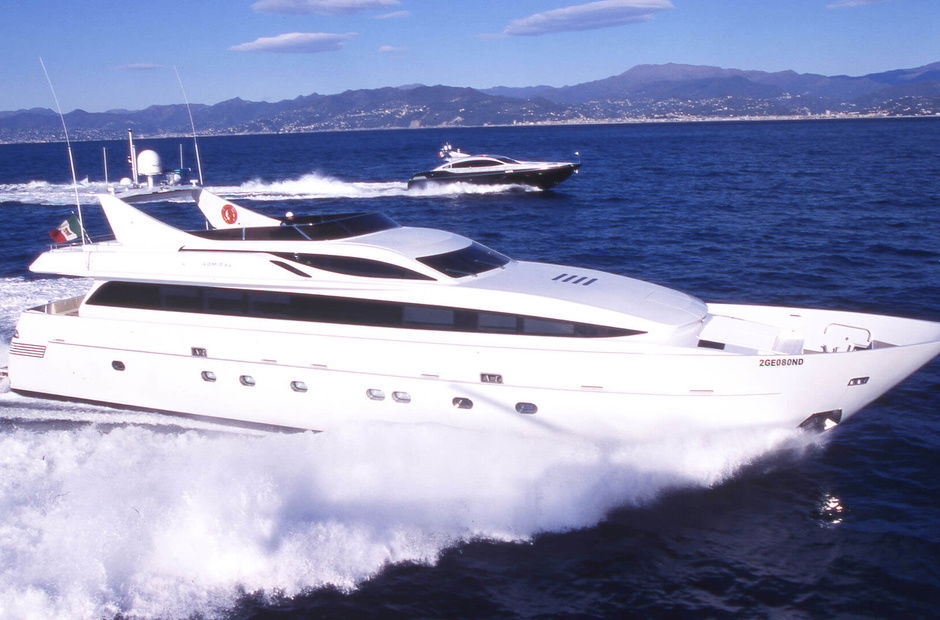


Images have been gathered from various sources and belong to their respective owners.
Review - Admiral PAB

MarineBroker
01/21/2024, 5:55 AM
2003 Admiral PAB: What Owners Should Know Before Buying, Restoring, or Maintaining One
If you’re researching the 2003 Admiral PAB, chances are you’re trying to answer a pretty common boating question: *Is this the right boat for my needs, and what should I watch out for?* That’s a smart place to start. Whether you’re considering a purchase, trying to restore an older model, or just looking for better maintenance guidance, boats from the early 2000s can be a mixed bag. They often offer solid value and proven design, but age brings its own set of challenges.
With a boat like the 2003 Admiral PAB, the biggest issue usually isn’t the model name itself — it’s understanding the condition, history, and maintenance needs behind it. Two boats with the same year and name can perform very differently depending on how they were used and cared for. That’s where a little knowledge goes a long way.
In this article, we’ll break down the most important things to know about the 2003 Admiral PAB, including common problem areas, what to inspect, and how to approach ownership with confidence. If you’re looking for practical, no-nonsense advice, you’re in the right place.
- What Is the 2003 Admiral PAB?
- Why Older Boats Like the 2003 Admiral PAB Need Extra Attention
The 2003 Admiral PAB is best understood as a boat that belongs to the “inspect carefully before committing” category. Boats from this era can still be excellent on the water, but their age means systems, materials, and hardware may have seen years of sun, salt, vibration, and storage wear.
The main challenge with any 2003 boat is not just finding one that floats and starts. It’s making sure the structure, engine, electrical system, and accessories are all still dependable. That matters whether you’re planning weekend cruising, fishing, or simply using the boat for relaxed time on the water.
Older boats often have one of two stories:
- They were well maintained and still have plenty of life left.
- They were neglected, and hidden problems are waiting to show up later.
The difference can be expensive. That’s why the smart approach is to focus less on the year alone and more on the condition of the specific boat in front of you.
- The Most Common Problem With the 2003 Admiral PAB
The most common issue people run into with a 2003 Admiral PAB is age-related wear that isn’t obvious at first glance. This can include soft decking, tired wiring, corroded fittings, worn upholstery, aging hoses, and engine components that are past their ideal service window.
In many cases, the boat may look fine from a distance. But once you start checking the details, small issues add up quickly.
Typical problem areas to watch include:
- Moisture intrusion in the deck or transom
- Corrosion around metal hardware and electrical connections
- Old fuel lines or brittle hoses
- Weak batteries or charging issues
- Faded, cracked, or waterlogged cushions and upholstery
- Steering or throttle controls that feel stiff or inconsistent
- Engine maintenance gaps, especially if service records are missing
These problems are not unique to the Admiral PAB. They’re common in boats of similar age. The important part is knowing how to identify them before they become costly repairs.
- How to Inspect a 2003 Admiral PAB Before You Buy
If you’re shopping for a 2003 Admiral PAB, a careful inspection is your best protection. Even if the asking price looks attractive, a hidden repair bill can erase the savings fast.
Here’s a practical inspection checklist:
1. Check the hull and deck
Look for cracks, stress marks, soft spots, or signs of previous repairs. Walk every accessible part of the deck and pay attention to flexing underfoot.
2. Inspect the transom
A weak transom is a major red flag. Press gently around engine mounting areas and look for movement, discoloration, or water seepage.
3. Review the engine condition
Ask for service history. Start the engine cold if possible, and listen for rough idling, smoke, hesitation, or unusual noises.
4. Test electrical systems
Try the lights, gauges, bilge pump, radio, and any electronics. Electrical issues on older boats are often caused by corrosion or poor connections.
5. Examine fuel and water systems
Old fuel lines, cracked clamps, and aging tanks can cause serious safety problems. Water leaks should also be checked carefully.
6. Look at upholstery and hardware
While cosmetic wear is expected, badly deteriorated seats, loose railings, or rusted fasteners may indicate broader neglect.
7. Sea trial if possible
A boat can look great on land and still disappoint on the water. A short run can reveal steering problems, overheating, vibration, or poor acceleration.
If you’re not confident doing this yourself, hire a marine surveyor or mechanic. That small investment can save you from a major mistake.
- 2003 Admiral PAB Maintenance Tips That Actually Help
Once you own a 2003 Admiral PAB, the best way to avoid bigger problems is to stay ahead of routine maintenance. Older boats usually don’t fail all at once. They wear down gradually, and small issues become big ones when they’re ignored.
A simple maintenance routine should include:
- Flushing the engine after every use in saltwater
- Checking battery health and charging performance regularly
- Replacing old fuel filters and inspecting fuel lines
- Lubricating moving parts like hinges, latches, and steering components
- Watching for water intrusion in storage compartments
- Cleaning and protecting vinyl, seats, and canvas
- Inspecting electrical terminals for corrosion
- Checking the bilge pump and float switch before each outing
If the boat has been sitting for a while, it’s smart to go one step further:
- Change fluids and filters
- Inspect impellers and belts
- Test all safety equipment
- Replace questionable hoses or clamps
- Clean tanks and lines if fuel has aged
A little routine care goes a long way, especially with an older vessel.
- Signs the 2003 Admiral PAB May Need Restoration
Sometimes the right solution is not just maintenance, but a targeted restoration plan. If your 2003 Admiral PAB has several worn systems at once, fixing everything at the same time may be the most practical route.
You may be looking at restoration if you notice:
- Persistent leaks
- Major upholstery failure
- Electrical issues that keep coming back
- Engine performance problems despite basic servicing
- Soft flooring or damaged structural areas
- Heavy oxidation or worn gelcoat
- Missing or outdated safety gear
Restoration doesn’t have to mean a full rebuild. In many cases, owners get the best results by prioritizing the most important systems first:
1. Safety and structure
2. Engine and fuel system
3. Electrical and navigation systems
4. Comfort and appearance
That order helps you put money where it matters most.
- How to Budget for a 2003 Admiral PAB
One of the biggest mistakes people make with older boats is spending everything on the purchase and leaving nothing for repairs. A 2003 Admiral PAB may be affordable up front, but the real cost of ownership includes upkeep.
A realistic budget should account for:
- Initial inspection or survey
- Engine servicing
- Battery replacement if needed
- Fuel system refresh
- Electrical repairs
- Upholstery or cosmetic work
- Trailer maintenance, if applicable
- Annual winterization or storage costs
A good rule of thumb is to set aside a repair reserve after purchase. Even a well-kept older boat can surprise you with a worn part or two. That reserve helps you handle issues without stress.
If you’re comparing boats, it’s often smarter to choose the one with better maintenance records rather than the one with the lowest asking price. A clean history usually saves money in the long run.
- What Makes the 2003 Admiral PAB Worth Considering
Despite the age-related concerns, the 2003 Admiral PAB can still be a worthwhile option for the right buyer. Older boats can offer good value if they were built well and maintained properly.
Reasons people still consider boats like this include:
- Lower purchase cost compared with newer models
- Proven design and familiar systems
- Availability of used parts and aftermarket replacements
- Good entry point for first-time boat owners
- Potential for customization and upgrades
For many buyers, the appeal is simple: you get a boat that can still do the job without paying new-boat prices. The key is making sure the condition supports the price.
If the boat has a strong hull, a dependable engine, and a clean service history, it may be a very practical choice. If not, the savings can disappear quickly.
- Practical Upgrades That Can Improve Reliability
If you already own a 2003 Admiral PAB, a few smart upgrades can make ownership easier and safer. You don’t need to modernize everything at once. Focus on upgrades that improve reliability first.
Useful upgrades may include:
- New battery switch or battery monitor
- Modern LED navigation lights
- Updated bilge pump system
- Replaced fuel lines and clamps
- Fresh marine-grade wiring where needed
- Better waterproof storage solutions
- New cushions or marine upholstery
- Updated GPS or fishfinder, depending on use
These improvements won’t just make the boat more comfortable. They can also reduce breakdowns and make each outing more enjoyable.
- When to Walk Away From a 2003 Admiral PAB
Not every boat is worth saving. Sometimes the honest answer is that a particular 2003 Admiral PAB has too many issues for the price.
You should think carefully about walking away if:
- The hull or transom has serious structural damage
- The engine has no history and shows major warning signs
- There is widespread water damage or mold
- Electrical systems are in disarray
- The repair estimate is close to or above the boat’s value
- The seller is unwilling to allow inspection or sea trial
A boat should be enjoyable, not a constant rescue project. If the numbers don’t work, there will always be another listing.
- Final Thoughts on the 2003 Admiral PAB
The 2003 Admiral PAB can be a solid choice for buyers who know what to check and what to budget for. Like many older boats, its value depends less on age alone and more on overall condition, maintenance history, and how carefully it’s been inspected. The biggest problem usually comes from hidden wear, not the model itself.
If you’re considering one, focus on the basics: hull integrity, engine health, electrical reliability, and signs of water intrusion. From there, build a realistic maintenance plan and budget for repairs before they become emergencies. That approach helps you enjoy the boat with fewer surprises and more confidence.
If you want to keep researching, look for service records, compare similar listings, and consider a professional survey before making a final decision. A little due diligence now can save a lot of hassle later.
Specifications
General
Boat Type: Power Boats
Class Type: Mega Yacht
Specifications
Length: 104.66
Beam: 23.29
Draft: 7.55
Hull Material: Aluminium
Build
First Built: 2003
Propulsion
Fuel Type: Diesel
Engines: 2
Power: 2285 HP
Brand: MTU
Accomodation
Cabins: 4
PROS & CONS
What we appreciated
 Spacious cabin suitable for overnight tripsRobust construction providing good durabilityRelatively fuel-efficient for its sizeGood handling and stability in moderate conditionsClassic design appealing to traditional boaters
What we didn’t appreciate
 Older model with potential for outdated electronicsLimited speed compared to newer sport boatsMaintenance may be more frequent due to ageInterior may show signs of wear and require refurbishmentLess advanced safety features compared to modern boats
Upkeep Costs
Annual insurance: $800 - $1,500
Fuel: $1,200 - $2,500 per season (depending on usage)
Maintenance and repairs: $1,000 - $3,000 per year
Storage/mooring fees: $500 - $2,000 per year
Registration and licensing: $100 - $300 per year

Rating
7.9
User
Score
Score
Driveability
Technology
Interior
Design
Similar Boats


MarineBroker
Download now for an immersive boat experience like never before! ⛵✨ Your journey begins with a simple click. 🌊📲
#SetSailSmart #DownloadNow
#SetSailSmart #DownloadNow

Subscribe
Copyright 2017 - 2026, Marinebroker.net, All Rights Reserved