Boat Database » Atlantis Verve Outboard
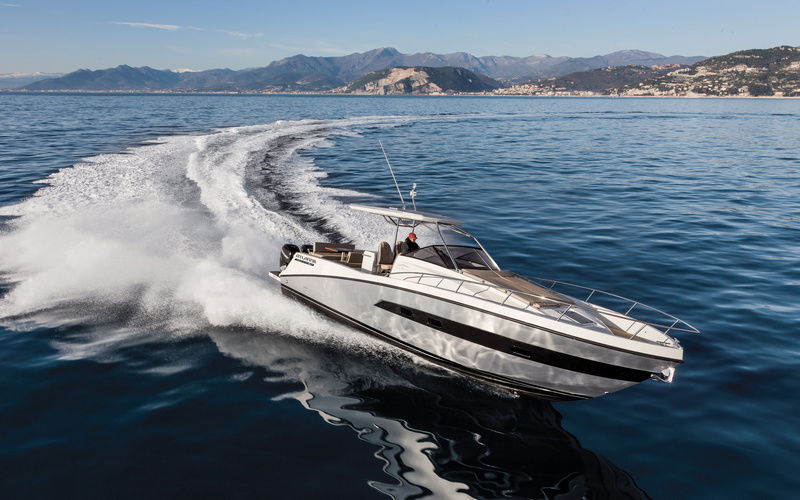
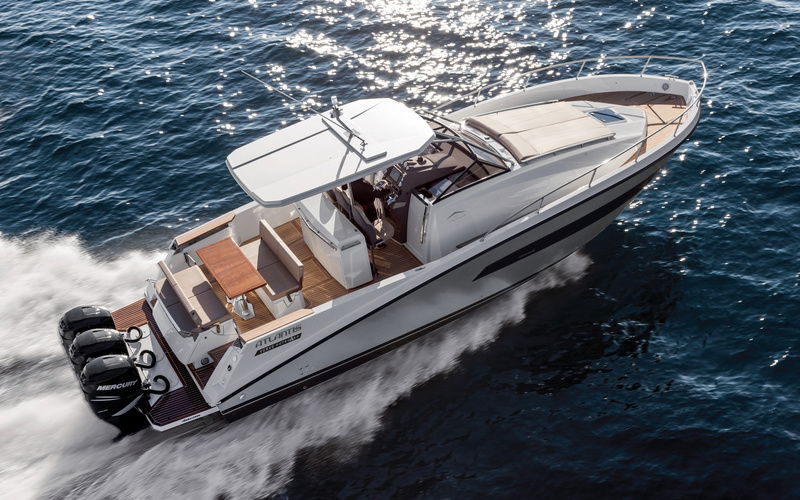
Atlantis Verve Outboard
Stern Drive, Diesel, 3x 300 HP
Power Boats 2013 Atlantis Verve Outboard: What Owners Should Know Before Buying, Maintaining, or Upgrading
If you’re searching for information on the 2013 Atlantis Verve Outboard, chances are you’re trying to figure out whether this boat is ...
Discover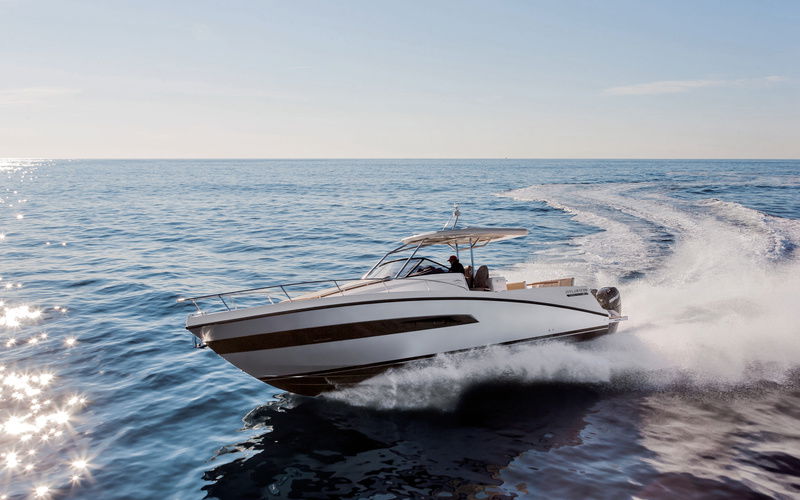

Images have been gathered from various sources and belong to their respective owners.
Review - Atlantis Verve Outboard

MarineBroker
06/04/2024, 3:30 AM
2013 Atlantis Verve Outboard: What Owners Should Know Before Buying, Maintaining, or Upgrading
If you’re searching for information on the 2013 Atlantis Verve Outboard, chances are you’re trying to figure out whether this boat is still a smart choice, how it performs, or what to watch out for before making a purchase. That’s a fair question, especially with a boat that’s now more than a decade old. Older outboard boats can be fantastic value, but only if you know what to inspect and how to judge their condition.
The good news is that the Atlantis Verve Outboard has a lot going for it: sporty styling, practical layout, and the kind of versatility many boaters want for day trips, cruising, and relaxed time on the water. The challenge is that age, maintenance history, and engine condition matter just as much as the model itself. A clean-looking boat can still hide expensive issues, while a well-kept one can deliver years of dependable use.
In this guide, we’ll break down what makes the 2013 Atlantis Verve Outboard worth considering, the most common problems buyers and owners should look for, and the practical steps that can help you avoid costly surprises.
- What Makes the 2013 Atlantis Verve Outboard Worth Considering
The Atlantis Verve Outboard sits in a category many boaters love: a compact, stylish day boat that balances performance with usability. It’s the kind of boat that appeals to people who want something manageable, not overly complicated, and suitable for casual cruising or family outings.
One of the biggest advantages of an outboard-powered setup is accessibility. Compared with inboard systems, outboards are often easier to inspect, service, and replace. That can make a real difference when you’re buying a used boat and trying to estimate long-term ownership costs.
For many buyers, the Verve’s appeal comes down to a few things:
- A clean, modern profile that still looks good for its age
- Practical deck space for social boating
- Outboard efficiency and easier maintenance access
- A layout that works well for short trips, coastal use, or lake cruising
If you’re looking at the 2013 Atlantis Verve Outboard, you’re probably not just buying a hull. You’re buying a boating experience that should feel easy, fun, and low-stress. That only happens when the boat has been maintained properly.
- The Main Problem: Age-Related Wear and Hidden Maintenance Issues
The biggest issue with any 2013 boat isn’t necessarily the model itself. It’s the fact that time does what time does: seals dry out, wiring ages, upholstery fades, and engines accumulate wear. Even a well-loved boat can develop problems that aren’t obvious at first glance.
With the 2013 Atlantis Verve Outboard, the most common concern is finding a boat that looks good on the surface but has underlying issues in the engine, electrical system, or hull hardware. That’s especially important if the boat has been stored outdoors, used in saltwater, or serviced inconsistently.
Common age-related issues to watch for include:
- Corrosion on outboard components and fittings
- Soft spots or moisture intrusion in deck areas
- Worn upholstery and sun damage
- Electrical faults from aging connectors or poor repairs
- Steering or control issues from lack of regular servicing
- Engine hours that are higher than expected for the boat’s condition
A lot of buyers focus on cosmetics first. That’s understandable, because a clean gelcoat and fresh cushions make a boat feel well cared for. But the real value comes from what’s happening underneath the surface.
- How to Evaluate a 2013 Atlantis Verve Outboard Before You Buy
If you’re considering this boat, the inspection stage is where you can save yourself a lot of frustration. A methodical check helps you separate a solid used boat from one that could become a money pit.
Start with the basics:
1. Ask for maintenance records
Service history is one of the best indicators of how the boat was treated. Regular oil changes, impeller replacements, winterization, and annual inspections matter a lot.
2. Check engine hours and usage type
Low hours sound great, but they don’t tell the full story. A boat with moderate hours and consistent maintenance may be a better buy than a low-hour boat that sat unused for years.
3. Inspect the hull and deck closely
Look for cracks, repairs, discoloration, or signs of impact. Pay attention to the transom area and any places where hardware is mounted.
4. Test all electrical systems
Lights, pumps, gauges, switches, and electronics should all function properly. Intermittent electrical problems can be annoying and time-consuming to trace.
5. Review the outboard condition
Start the engine if possible. Listen for rough idle, hesitation, unusual vibration, or smoke. Check for corrosion, leaks, and clean serviceable components.
6. Examine upholstery and fittings
Faded cushions are normal on an older boat, but torn seams, brittle vinyl, or loose fittings can hint at broader neglect.
A pre-purchase marine survey is strongly recommended if you’re serious about buying. It may feel like an extra expense, but it can reveal structural or mechanical problems that are easy to miss.
- 2013 Atlantis Verve Outboard: Engine and Outboard Checks That Matter Most
Because the outboard is such a major part of this boat’s value, it deserves special attention. Even if the hull is in excellent shape, a tired or poorly maintained engine can quickly turn the deal into a bad one.
Here’s what to focus on:
- Compression and starting behavior
The engine should start smoothly and idle evenly. Hard starting, rough idle, or misfiring can indicate fuel, ignition, or compression issues.
- Cooling system condition
Confirm that the engine is cooling properly. Overheating history can lead to expensive repairs, so don’t ignore warning alarms or weak water flow.
- Corrosion and metal wear
Saltwater use without proper flushing can shorten the life of an outboard. Look for pitting, oxidized fasteners, and stained surfaces.
- Propeller and lower unit inspection
Dings, bent blades, fishing line around the shaft, or gear oil contamination are all warning signs.
- Steering and throttle response
Controls should feel smooth and predictable. Stiffness or lag may point to cable wear or hydraulic issues.
A used outboard doesn’t need to be perfect, but it should be predictable. Reliability is the real goal. If the engine feels questionable during a sea trial, that’s worth taking seriously.
- Common Problems Owners May Experience
If you already own a 2013 Atlantis Verve Outboard, the main challenge is staying ahead of small issues before they become expensive ones. Boats often fail gradually, not suddenly. That means routine checks can make a huge difference.
Some of the more common problems owners may run into include:
- Battery drain from aging electrical systems
- Corrosion in connectors and switches
- Upholstery cracking from UV exposure
- Bilge pump failure or reduced efficiency
- Fuel system contamination
- Trim and tilt issues on the outboard
- Loose hardware from repeated vibration
- Water intrusion through fittings, hatches, or seals
The encouraging part is that many of these problems are manageable if caught early. A lot of marine repairs start as simple maintenance tasks that were delayed too long.
For example, a clogged fuel filter may cause rough running, but if ignored, it can lead to engine strain. A small leak around a deck fitting may seem harmless until moisture starts affecting core materials. That’s why regular inspection is so important.
- The Practical Solution: A Smart Maintenance Routine
The best way to protect your investment in a 2013 Atlantis Verve Outboard is to treat maintenance like part of the boating lifestyle, not an afterthought. A little consistency goes a long way.
Here’s a practical routine that helps:
- Before every outing
Check battery charge, fuel level, engine oil, coolant flow, bilge pump operation, and visible leaks.
- Monthly during active season
Inspect wiring, look for corrosion, clean the boat, and test all electronics and controls.
- After saltwater use
Flush the outboard thoroughly, rinse the hull, and inspect metal fittings for corrosion.
- At the end of the season
Change fluids as needed, fog the engine if recommended, stabilize fuel, and winterize the boat properly.
- Annually
Replace wear items like impellers, filters, and anodes as needed. Schedule a professional service check if you’re unsure.
This kind of routine doesn’t just prevent breakdowns. It also helps preserve resale value, which matters if you eventually decide to upgrade.
- How to Improve Reliability on an Older Atlantis Verve Outboard
If your goal is to make the boat more dependable, focus on upgrades and preventive fixes that address known weak points rather than cosmetic changes first.
Good reliability-focused improvements include:
- Replacing old batteries with marine-grade units
- Updating corroded electrical connectors
- Installing a quality battery switch or monitoring system
- Refreshing fuel lines and filters if age is unknown
- Servicing steering and throttle cables
- Replacing worn seals or gaskets
- Upgrading navigation and safety equipment
- Installing a modern bilge pump or backup pump if needed
These upgrades may not be flashy, but they directly improve confidence on the water. That’s what most owners really want from an older outboard boat: fewer surprises and smoother weekends.
- What a Sea Trial Can Tell You
A sea trial is one of the most useful steps when evaluating the 2013 Atlantis Verve Outboard. It gives you real-world feedback that dockside inspection alone can’t provide.
During the trial, pay attention to:
- How quickly the boat gets on plane
- Whether the engine runs smoothly at idle and cruising speed
- Steering response and tracking
- Any unusual vibration or noise
- Trim response and handling in turns
- How well gauges and alarms behave
- Whether the boat takes on water or feels unstable
Try not to rush this part. A short dockside run may not reveal problems that show up after the engine warms up or when the boat is under load. If possible, test it long enough to observe how it behaves at different speeds.
If the boat feels balanced, responsive, and mechanically sound, that’s a strong sign it has been cared for properly.
- Is the 2013 Atlantis Verve Outboard a Good Buy?
For the right buyer, yes. The 2013 Atlantis Verve Outboard can be a very appealing option if you want a stylish, practical outboard boat and you’re willing to do a careful inspection. The key is not to assume all boats of the same model are equal. Condition matters more than the name on the side.
A good example of this boat should offer:
- Solid hull and deck condition
- A well-maintained outboard
- Clean electrical and fuel systems
- Reasonable service history
- Evidence of proper storage and care
If those boxes are checked, the boat can still be a very enjoyable and sensible choice. If they’re not, it may be better to keep looking.
- Final Buying Tips for Peace of Mind
Before making a decision, keep these simple rules in mind:
- Don’t buy based on appearance alone
- Always ask for records and receipts
- Inspect the engine carefully
- Take a proper sea trial
- Use a marine surveyor if possible
- Budget for immediate maintenance after purchase
These steps may seem basic, but they’re exactly what helps buyers avoid regret later. Boats are fun, but they’re also mechanical systems exposed to sun, water, and vibration. A careful approach pays off.
- Conclusion
The 2013 Atlantis Verve Outboard can be a great option for boaters who want a versatile, attractive, and easy-to-handle day boat. The main challenge is not the model itself, but the condition of the individual boat you’re evaluating. Age, engine care, storage history, and maintenance records all matter a lot.
If you focus on inspection, sea trial performance, and ongoing preventive maintenance, you’ll be in a much better position to enjoy the boat with fewer headaches. Whether you’re buying or already own one, the smartest move is to stay ahead of small issues before they turn into bigger repairs. If you want to keep learning, consider checking marine survey guides, outboard maintenance checklists, and used-boat inspection resources before your next move.
Specifications
General
Boat Type: Power Boats
Class Type: Cruiser
Specifications
Length: 41.6
Beam: 12.76
Draft: 3.28
Hull Material: GRP
Build
First Built: 2013
Propulsion
Fuel Type: Diesel
Engines: 3
Power: 300 HP
Brand: Mercury Verado
Accomodation
Berths: 4
PROS & CONS
What we appreciated
 Spacious and versatile layout suitable for fishing and leisureReliable outboard engine options with good fuel efficiencyDurable construction with quality materialsGood storage capacity for gear and equipmentSmooth handling and stable ride in various water conditions
What we didn’t appreciate
 Limited cabin space compared to larger boatsBasic electronics and features in the 2013 model yearMay require frequent maintenance due to ageLess advanced safety features compared to newer modelsResale value can be moderate depending on condition
Upkeep Costs
Fuel: Approximately $1,200 - $2,000 per year depending on usage
Maintenance and servicing: Around $500 - $1,000 annually
Insurance: Typically $300 - $700 per year
Storage and docking fees: $600 - $2,400 per year depending on location
Registration and licensing: $50 - $150 annually

Rating
7.7
User
Score
Score
Driveability
Technology
Interior
Design
Similar Boats


MarineBroker
Download now for an immersive boat experience like never before! ⛵✨ Your journey begins with a simple click. 🌊📲
#SetSailSmart #DownloadNow
#SetSailSmart #DownloadNow

Subscribe
Copyright 2017 - 2026, Marinebroker.net, All Rights Reserved