Boat Type: Power Boats
Boat Class: Cruiser
Length: 32.94 ft
Berths: 2
Cabins: 3
Bathrooms: 1
Max Persons: 10
1994 Fairline Targa 33: What to Check, What to Fix, and How to Keep It Running Smoothly
If you’re looking at a 1994 Fairline Targa 33, chances are you already know it has that classic sporty-cruiser appeal: sleek lines, a usable ...
Discover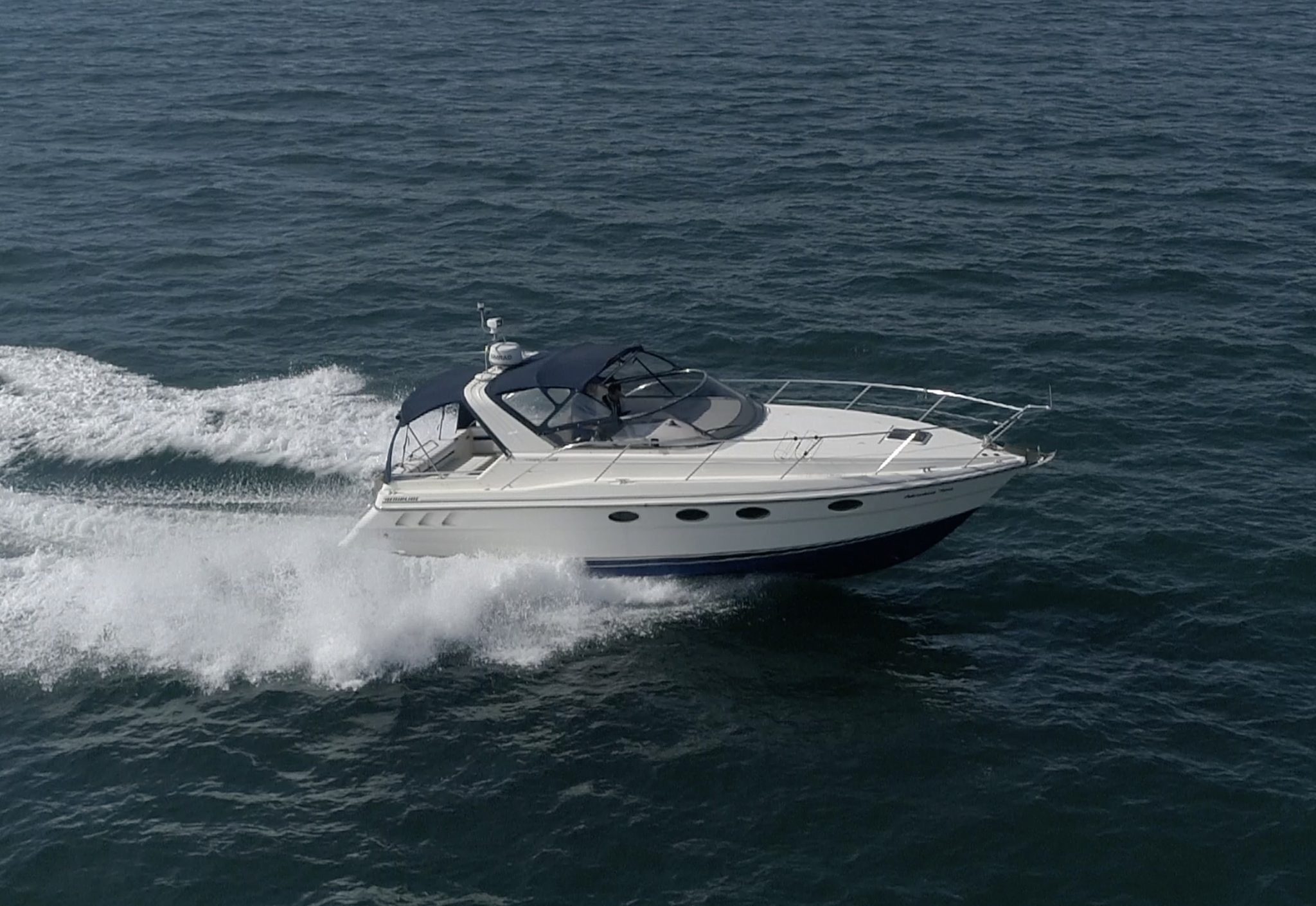
Images have been gathered from various sources and belong to their respective owners.
Latest Market Trends (Latest Available Year Model)
Price: $63,861
Review - Fairline Targa 33

MarineBroker
11/21/2023, 8:11 AM
1994 Fairline Targa 33: What to Check, What to Fix, and How to Keep It Running Smoothly
If you’re looking at a 1994 Fairline Targa 33, chances are you already know it has that classic sporty-cruiser appeal: sleek lines, a usable cockpit, and enough space for weekends away without feeling oversized. But buying or owning a boat from this era comes with a very real challenge: age-related wear can hide in places you won’t notice on a quick viewing.
That’s the main problem for many people interested in the 1994 Fairline Targa 33. It’s not usually about whether the boat is a good design — it is. The issue is knowing what to inspect, what common faults to expect, and how to avoid expensive surprises after purchase. A well-kept example can still be a fantastic boat, but a neglected one can turn into a long list of repairs.
The good news? With the right checks, a sensible survey, and a clear maintenance plan, you can separate a solid boat from a risky one. In this guide, we’ll walk through the most important things to look for and how to approach ownership with confidence.
- Why the 1994 Fairline Targa 33 still attracts buyers
The 1994 Fairline Targa 33 remains popular because it offers a strong mix of style, practicality, and performance. Fairline built a reputation for good-quality British cruisers, and the Targa range became known for sporty handling and smart use of space.
For buyers, that means you’re getting a boat that can still feel modern enough for enjoyable day trips and weekends aboard. The cockpit layout is social and useful, while the cabin arrangement makes the boat more versatile than many smaller sports cruisers from the same period.
That said, age changes the equation. A 30-year-old boat is rarely a “turnkey” purchase unless it has been carefully maintained. So the real value lies in understanding the model’s strengths and its weak points before you commit.
- The main problem: age-related issues that are easy to miss
When people search for the 1994 Fairline Targa 33, they’re often trying to answer one big question: “Is this boat a smart buy, or am I inheriting problems?”
That’s the right question to ask.
Older sports cruisers can look great on the surface, but hidden issues often show up in a few key areas:
- Moisture intrusion in the deck or transom
- Engine wear or poor servicing history
- Outdated electrics and tired wiring
- Worn upholstery, canopy, and cockpit fittings
- Aging hoses, seacocks, and plumbing components
- Osmosis or blistering on the hull, depending on care and storage
Some of these are minor. Others can be expensive if left unchecked. The trick is to focus on the systems that matter most: structure, engines, electrics, and water ingress.
- What to inspect first on a 1994 Fairline Targa 33
Before you get distracted by polished gelcoat or fresh cushions, start with the fundamentals. A boat can be made to look smart quickly, but deeper problems take time and money to fix.
- Hull and deck condition
Inspect the hull for signs of damage, repairs, or osmosis. Small cosmetic blisters are not always a deal-breaker, but widespread blistering deserves closer attention.
Check the deck for any soft spots, especially around:
- Cleats
- Stanchions
- Hatches
- Windlass or anchor fittings
- Cockpit seating bases
Softness can indicate water ingress into the core. That’s one of the more common issues in older GRP boats, and it’s important to catch early.
- Transom and structural areas
The transom is worth close attention, especially if the boat has spent years in the water or has had heavy use. Look for cracks around fittings, signs of flexing, or moisture around engine mounting areas.
If you can, ask for moisture readings and a proper survey. A small crack might be harmless, but it might also point to a larger structural issue.
- Engines and drivetrain
Most 1994 Fairline Targa 33 boats were fitted with petrol or diesel engines depending on specification and market. Whatever the setup, engine condition matters more than almost anything else.
Look for:
- Clear service history
- Regular oil and filter changes
- Evidence of cooling system maintenance
- Clean bilges without excessive oil or fuel residue
- Even engine startup from cold
- Stable idle and smooth acceleration
- No excessive smoke
If the engines haven’t been run regularly, budget for recommissioning work. Old fuel, tired belts, corroded connections, and stale hoses can all create problems quickly.
- Electrical systems
Older boats often have electrical systems that have been modified over time. That’s not automatically bad, but it does mean you should check for neatness and logic.
Watch for:
- Messy wiring
- Unsupported cable runs
- Corrosion at terminals
- Non-original additions that look rushed
- Batteries that are old or poorly secured
- Faulty gauges or intermittent switches
A tidy, labeled system usually suggests a careful owner. A chaotic one often means hidden problems elsewhere too.
- Common buying mistakes with the 1994 Fairline Targa 33
Many buyers fall in love with the layout and overlook the practical stuff. That’s understandable, but it’s usually where the expensive mistakes happen.
- Skipping a proper survey
A marine survey is not just a formality. On a boat of this age, it’s one of the best ways to avoid buying someone else’s problem.
A survey can reveal:
- Structural moisture
- Engine bay concerns
- Hull damage
- Evidence of poor repairs
- Safety issues with gas or electrics
If the seller resists a survey, that’s a red flag.
- Focusing only on cosmetics
Fresh upholstery, new carpets, and a shiny polish can make a boat look much newer than it is. But cosmetics are often the easiest thing to improve.
Instead, ask:
- When were the engines last serviced?
- Has the boat been stored ashore or afloat?
- Are there records for major repairs?
- Has the canopy been replaced recently?
- Were the seacocks and hoses ever renewed?
The answers will tell you more than the photos.
- Underestimating refit costs
Even a decent 1994 Fairline Targa 33 may need updates. These can include:
- New batteries
- Impellers and belts
- Upholstery repairs
- Canopy replacement
- Antifouling
- Electronics upgrades
- Hose and clamp replacement
Individually, these may seem manageable. Together, they can change the economics of the purchase.
- How to solve the problem: a smart inspection and maintenance plan
The best solution for anyone interested in a 1994 Fairline Targa 33 is simple: inspect carefully, buy realistically, and maintain consistently.
- Step 1: Build a checklist before viewing
Go in with a list so you don’t rely on memory or first impressions. A good checklist keeps the process objective.
Include:
- Hull and deck inspection
- Moisture signs around windows and hatches
- Engine hours and service records
- Battery age
- Fuel system condition
- Bilge cleanliness
- Toilet and plumbing operation
- Canopy and upholstery condition
- Navigation electronics
- Safety equipment
If the boat is being sold as “ready to go,” the paperwork should support that claim.
- Step 2: Prioritize the big-ticket items
Not all repairs are equal. Focus on the items that can affect safety, reliability, or resale value.
Top priorities:
1. Engines and cooling systems
2. Structural integrity
3. Water ingress points
4. Electrical safety
5. Fuel and gas systems
Cosmetic upgrades can wait. Mechanical and structural issues should not.
- Step 3: Budget for a first-season refresh
Even a good example will usually benefit from a first-season service. That might include:
- Full engine service
- New anodes
- Antifoul
- Battery replacement if needed
- Fresh impellers
- Hose inspection
- Deck hardware sealing
- Safety gear replacement
This approach reduces surprises and gives you a known starting point.
- Step 4: Keep the boat dry and ventilated
Older cruisers hate moisture. One of the simplest ways to preserve a 1994 Fairline Targa 33 is to keep it dry and ventilated whenever possible.
That means:
- Use breathable covers where appropriate
- Check lockers for trapped moisture
- Open hatches when safe to do so
- Inspect sealant around windows and fittings
- Fix leaks quickly, not later
A small leak can lead to a much bigger repair if ignored.
- What makes a good example stand out
Not every 1994 Fairline Targa 33 is equal. Two boats from the same year can have very different value depending on care, storage, and maintenance.
A strong example usually has:
- Full or partial service records
- Clean, dry bilges
- Working electrics and electronics
- No obvious deck softness
- Engines that start easily and run evenly
- Evidence of regular winterization or lay-up care
- A sensible list of upgrades, not just cosmetic work
A boat with honest wear and documented care is often a better bet than a “mint” boat with no paperwork.
- Practical ownership tips for long-term reliability
Once you own the boat, the goal is to keep problems small. Older boats reward consistency.
- Stick to a seasonal routine
A simple routine can prevent major issues:
- Check bilges weekly
- Inspect hoses and clamps monthly
- Run engines regularly if possible
- Keep batteries charged
- Flush engines after use if applicable
- Look for new leaks after heavy rain
Small checks save big bills.
- Don’t ignore minor symptoms
A faint smell of fuel, a slightly warm wire, or a slow leak might seem harmless at first. On a boat, those little signs often lead to larger problems if left alone.
Act early, especially with:
- Fuel odors
- Electrical faults
- Unusual engine noise
- Water in the bilge
- Soft areas in the deck
- Poor charging performance
- Use a marine engineer when needed
Some jobs are worth doing yourself. Others are better left to a professional, especially anything involving:
- Engines
- Fuel systems
- Gas installations
- Structural repairs
- Major electrical work
A good marine engineer can save time, money, and stress by diagnosing the real issue the first time.
- Is the 1994 Fairline Targa 33 still a good boat?
Yes — if you buy the right one.
The 1994 Fairline Targa 33 can still be a very enjoyable sports cruiser. It offers a good balance of performance, usable accommodation, and classic Fairline build quality. But it’s not a boat to buy on looks alone.
The best approach is to treat it like any older performance cruiser: inspect carefully, verify the history, and budget for sensible maintenance. If you do that, you’re much more likely to end up with a boat that feels rewarding rather than demanding.
In other words, the model itself is not the problem. The problem is buying one without understanding what age can hide. Once you know where to look, the solution becomes much clearer.
- Conclusion
The 1994 Fairline Targa 33 remains an appealing choice for buyers who want a stylish, capable cruiser with real weekend potential. The key is to focus on the areas that matter most: structure, engines, electrics, and signs of water ingress. A careful inspection, a proper survey, and a realistic maintenance budget go a long way toward avoiding expensive surprises.
If you’re considering one, don’t rush the process. Take your time, ask the right questions, and treat the first season as a chance to reset the boat properly. With the right approach, a well-kept example can still deliver plenty of enjoyable time on the water.
Specifications
General
Boat Type: Power Boats
Class Type: Cruiser
Specifications
Length: 32.94
Beam: 11.45
Draft: 3.28
Hull Material: GRP
Build
First Built: 1994
Propulsion
Fuel Type: Unleaded
Engines: 2
Power: 250 HP
Brand: Volvo penta
Accomodation
Berths: 2
Cabins: 3
Bathrooms: 1
PROS & CONS
What we appreciated
 Classic and stylish design with timeless appealSpacious cockpit and comfortable seating for socializingGood build quality with solid fiberglass hullVersatile layout suitable for both day cruising and overnight staysDecent performance with reliable engine options
What we didn’t appreciate
 Older model may require more maintenance and updatesLimited modern electronics and navigation systemsSmaller cabin space compared to newer boats in the same classPotentially higher fuel consumption due to older engine technologyAvailability of replacement parts might be limited
Upkeep Costs
Insurance: $1,200 - $2,000 per year
Fuel: $3,000 - $5,000 per year (depending on usage and fuel prices)
Maintenance and Repairs: $2,000 - $4,000 per year
Storage and Mooring: $1,000 - $3,000 per year
Annual Registration and Taxes: $200 - $500 per year

Rating
6.6
User
Score
Score
Driveability
Technology
Interior
Design
Similar Boats


MarineBroker
Download now for an immersive boat experience like never before! ⛵✨ Your journey begins with a simple click. 🌊📲
#SetSailSmart #DownloadNow
#SetSailSmart #DownloadNow

Subscribe
Copyright 2017 - 2026, Marinebroker.net, All Rights Reserved