Boat Database » Astoria Marine Calisto
Astoria Marine Calisto
Inboard Direct-Drive, Diesel, 2x 0 HP
Power Boats 1944 Astoria Marine Calisto: A Practical Guide to Understanding, Restoring, and Enjoying a Classic Wooden Boat
If you’ve been drawn to the 1944 Astoria Marine Calisto, you’re probably not just looking at a boat—you’re looking at ...
Discover
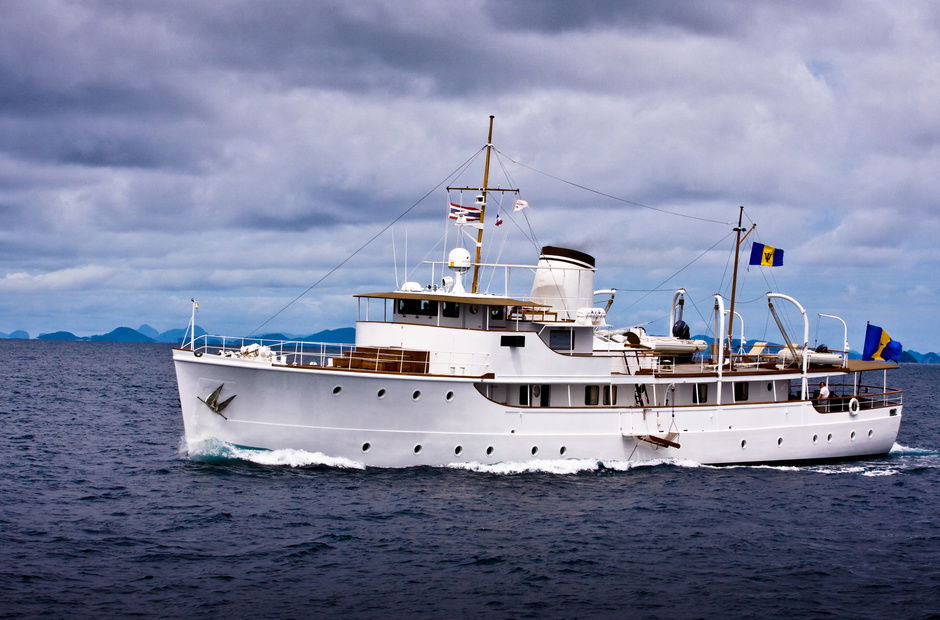
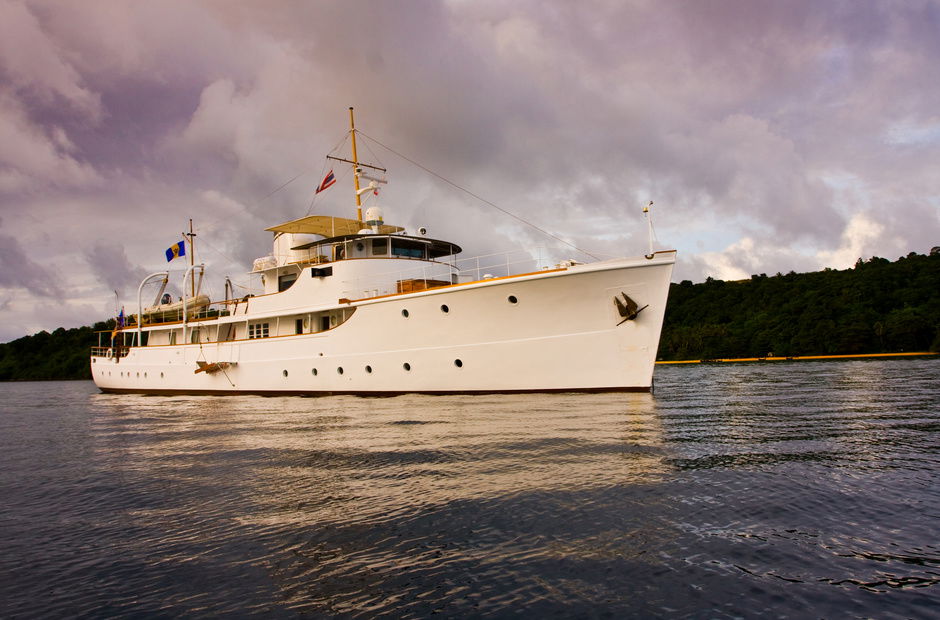

Images have been gathered from various sources and belong to their respective owners.
Review - Astoria Marine Calisto

MarineBroker
06/03/2024, 10:07 AM
1944 Astoria Marine Calisto: A Practical Guide to Understanding, Restoring, and Enjoying a Classic Wooden Boat
If you’ve been drawn to the 1944 Astoria Marine Calisto, you’re probably not just looking at a boat—you’re looking at a piece of maritime history. Boats like this carry a kind of character that modern fiberglass hulls just can’t fake. They have lines, craftsmanship, and stories built into every plank and fitting.
But here’s the challenge: owning or even researching a vintage wooden boat like the 1944 Astoria Marine Calisto can feel a little overwhelming. Parts may be scarce, records may be incomplete, and the boat itself may need careful attention to keep it seaworthy. Many enthusiasts get stuck between admiration and action, unsure how to assess condition, preserve originality, or plan a restoration without making costly mistakes.
The good news is that with the right approach, classic boat ownership becomes much more manageable. Whether you’re evaluating one, restoring one, or simply trying to understand what makes it special, the key is to focus on structure, documentation, maintenance, and smart preservation choices. In this guide, we’ll break down the most important things to know so you can move forward with confidence and enjoy the process instead of guessing your way through it.
- Understanding the Appeal of the 1944 Astoria Marine Calisto
The 1944 Astoria Marine Calisto stands out because it represents a very specific era of boatbuilding. During the 1940s, builders were balancing craftsmanship, practicality, and wartime-era material limitations. That often resulted in boats that were strong, elegant, and built with a level of handwork that’s rare today.
For many enthusiasts, the appeal is not just visual. It’s also about the experience of owning a vessel with real provenance. A classic wooden boat often feels more alive on the water, with a ride and presence that modern boats don’t always replicate.
If you’re interested in this model, you’re likely dealing with one of three situations:
- You’re considering a purchase.
- You already own one and want to preserve it.
- You’re researching its history and specifications.
Each of those paths comes with the same core issue: how do you protect the boat’s value and usability without over-restoring it or damaging its originality?
- The Main Problem: Vintage Wooden Boats Need the Right Kind of Care
The biggest challenge with a boat like the 1944 Astoria Marine Calisto is that age brings complexity. Wood moves, fasteners corrode, fittings wear out, and previous repairs may have been done with mixed results. Unlike newer boats, there’s rarely a simple “replace this part and you’re done” solution.
Common issues include:
- Moisture intrusion in planking or frames
- Rot in hidden structural areas
- Failed seams or caulking
- Outdated electrical or fuel systems
- Missing or non-original hardware
- Unclear maintenance history
This is where many owners get stuck. They either hesitate too long and let small issues grow, or they jump into a restoration without a plan and end up spending more than necessary.
The practical solution is to approach the boat in layers. Start with safety and structure, then move to systems, then cosmetics. That way you protect the boat first and improve it second.
- How to Evaluate the 1944 Astoria Marine Calisto Before You Buy or Restore
If you’re looking at a 1944 Astoria Marine Calisto, inspection should always come before excitement. A beautiful finish can hide serious structural problems, especially on older wood boats.
Here’s a smart evaluation checklist:
1. Hull and planking
Check for soft spots, lifted seams, cracked planks, or signs of previous patchwork. Tap the hull gently and listen for dull sounds that may indicate rot or delamination.
2. Frames and structure
Look inside the bilge and under floorboards if possible. Frames should be solid, not brittle or heavily corroded at fasteners.
3. Deck and cabin top
Water often enters from above first. Inspect seams, deck hardware bases, and any areas around hatches or windows.
4. Engine and mechanical systems
Even if the boat looks great, an old engine or outdated fuel system can become a major expense.
5. Documentation and provenance
Find out whether the boat has records, old photos, registration history, or prior restoration notes. That information can help you keep the boat authentic and make smarter decisions.
A survey by someone experienced with classic wooden boats is worth every penny. Standard marine surveys are helpful, but a wooden boat specialist will usually spot issues others miss.
- 1944 Astoria Marine Calisto Restoration: What to Fix First
Restoring a vintage boat is all about priorities. The temptation is to begin with varnish, brightwork, and shiny details. But that’s backwards. A beautiful finish means very little if the structure underneath is compromised.
The best order is usually:
- Safety systems
- Hull integrity
- Deck and cabin structure
- Mechanical systems
- Electrical upgrades
- Interior and cosmetic work
That sequence helps prevent wasted effort.
For example, if you refinish the interior before addressing leaks, you may end up redoing the work later. If you replace fittings without correcting bedding issues, water will keep finding its way in. Good restoration is mostly about solving the root problem, not just the visible symptom.
- Preserving Original Character Without Overdoing It
One of the biggest mistakes with a classic boat like the 1944 Astoria Marine Calisto is over-restoration. It’s easy to think “new” automatically means “better,” but that’s not always true with vintage vessels.
A good restoration respects the boat’s original design and materials wherever possible. That doesn’t mean leaving unsafe systems untouched. It means choosing upgrades carefully and keeping the boat’s character intact.
A few practical ways to preserve originality:
- Save original hardware when it’s still serviceable.
- Match replacement wood species and grain as closely as possible.
- Refinish rather than replace when the material is structurally sound.
- Keep records of all changes for future owners.
- Use reversible upgrades when possible.
Think of it as stewardship, not just ownership. You’re helping the boat carry its history forward.
- Common Maintenance Needs for a Wooden Classic Boat
Even after restoration, a wooden boat needs consistent attention. The good news is that maintenance becomes much easier when it’s done in small, regular steps rather than emergency repairs.
Typical maintenance tasks include:
- Checking seams and caulking for leaks
- Monitoring moisture levels in the bilge
- Inspecting fasteners and fittings for corrosion
- Revarnishing exposed brightwork as needed
- Cleaning and protecting metal hardware
- Servicing the engine and fuel system regularly
A seasonal routine is usually the best approach. In spring, inspect everything before launch. During the season, keep an eye on leaks, unusual noises, and finish wear. In fall, clean, dry, and prepare the boat for storage.
For wooden boats, storage matters a lot. Poor winter storage can undo months of careful work. A dry, ventilated, and protected environment makes a huge difference.
- What to Watch for in a 1944 Astoria Marine Calisto Listing
If you’re shopping for a 1944 Astoria Marine Calisto, not all listings tell the full story. Some will emphasize beauty and gloss, while leaving out the hard details. That’s why reading between the lines is important.
Watch for phrases like:
- “Needs minor work”
- “Older restoration”
- “Ran when last used”
- “Project boat”
- “Solid overall, but needs attention”
These aren’t necessarily red flags, but they do mean you need to ask more questions.
Useful questions to ask include:
- When was the last haul-out?
- Are there any known soft spots or leaks?
- Has the engine been rebuilt or serviced recently?
- Are there maintenance logs or restoration records?
- What parts are original, and what has been replaced?
- Has the boat been stored indoors or outdoors?
The more specific the answers, the better. Vague replies often mean there are gaps in the boat’s history.
- Practical Solution: Build a Step-by-Step Ownership Plan
The easiest way to avoid feeling overwhelmed is to create a plan. For a classic boat like the 1944 Astoria Marine Calisto, a plan turns a big, emotional project into a series of manageable decisions.
Here’s a simple framework:
1. Assess
Get a full inspection and document the boat’s current condition.
2. Prioritize
Separate urgent repairs from cosmetic improvements.
3. Budget
Estimate costs for materials, labor, storage, and unexpected issues.
4. Restore in phases
Don’t try to do everything at once unless the boat is already in excellent shape.
5. Maintain consistently
Once the boat is seaworthy, protect your work with routine care.
This phased approach helps prevent burnout and budget shock. It also keeps the project enjoyable, which matters more than people think. A classic boat should feel rewarding, not like a never-ending crisis.
- Why Proper Documentation Matters So Much
Documentation is one of the most underrated parts of classic boat ownership. For a vessel like the 1944 Astoria Marine Calisto, records can help with resale value, restoration accuracy, and long-term maintenance planning.
Try to keep track of:
- Photos before, during, and after work
- Receipts for parts and labor
- Notes on materials used
- Engine service records
- Registration and ownership history
- Any original brochures or builder information
If you ever sell the boat, good documentation can make a strong difference. Buyers trust boats with a clear history. Even if you never sell, the records help you or future caretakers avoid repeating old mistakes.
- Finding the Right Balance Between Use and Preservation
A lot of classic boat owners face the same dilemma: should the boat be treated as a museum piece or used regularly? The honest answer is that the best choice is usually somewhere in between.
A boat like the 1944 Astoria Marine Calisto was built to be used. Letting it sit untouched for years can actually be worse than careful regular operation. At the same time, heavy use without maintenance will shorten its life.
A balanced approach looks like this:
- Use the boat regularly enough to keep systems active.
- Avoid exposing it to unnecessary stress.
- Inspect after every outing.
- Address small problems quickly.
- Store it properly when not in use.
That rhythm helps preserve both function and value.
- Signs You May Need Professional Help
Some projects are perfect for hands-on owners. Others need a professional wooden boatyard or marine carpenter. Knowing the difference can save money and frustration.
Consider professional help if you notice:
- Structural rot in frames or major planking
- Extensive leaking that won’t resolve with routine maintenance
- Engine issues beyond basic servicing
- Electrical systems that are outdated or unsafe
- Evidence of poor prior repairs
- Difficulty sourcing period-correct materials
There’s no shame in bringing in expertise. In fact, the best restorations often combine owner involvement with skilled professional work.
- Making the 1944 Astoria Marine Calisto Enjoyable Again
At the end of the day, the goal isn’t just to own a classic boat. It’s to enjoy it. The 1944 Astoria Marine Calisto can offer that experience if it’s approached with care, patience, and respect for the vessel’s age.
The most satisfying ownership stories usually come from people who took their time, learned the boat’s quirks, and made thoughtful improvements instead of rushing to modernize everything. That’s how a classic becomes reliable without losing its soul.
If you’re just starting out, don’t worry about doing everything perfectly. Focus on the basics:
- Keep it dry
- Keep it documented
- Keep it structurally sound
- Keep it usable
That’s the real formula for long-term enjoyment.
- Conclusion
The 1944 Astoria Marine Calisto is more than a vintage boat—it’s a piece of craftsmanship that rewards careful ownership. The main challenge is balancing preservation, safety, and usability without getting lost in expensive or unnecessary work. The best solution is to inspect thoroughly, restore in the right order, maintain consistently, and protect the boat’s original character wherever possible.
Whether you’re considering a purchase or already have one in your care, taking a measured approach will save time, money, and stress. Classic wooden boats can absolutely be practical and enjoyable, as long as they’re treated with the respect they deserve. If you want to go deeper, keep learning from wooden boat communities, restoration guides, and experienced marine craftsmen.
Specifications
General
Boat Type: Power Boats
Class Type: Mega Yacht
Specifications
Length: 136.15
Beam: 24.28
Draft: 8.53
Hull Material: Wood
Build
First Built: 1944
Propulsion
Fuel Type: Diesel
Engines: 2
Power: 0 HP
Brand: Unknown
Accomodation
Cabins: 7
PROS & CONS
What we appreciated
 Classic vintage design with historical valueSturdy wooden construction typical of 1940s craftsmanshipSmooth hull shape providing a comfortable rideCompact size suitable for small lakes and calm watersPotential for customization and restoration by enthusiasts
What we didn’t appreciate
 Older materials may require frequent maintenance and repairsLimited modern amenities and safety featuresPotential scarcity of replacement partsLower fuel efficiency compared to modern boatsPossibly less stable in rough water conditions
Upkeep Costs
Fuel: Approximately $500 - $1,000 annually depending on usage
Maintenance and Repairs: $1,000 - $3,000 annually due to vintage parts and upkeep
Storage and Mooring: $1,000 - $3,000 per year depending on location
Insurance: $300 - $700 annually based on coverage and boat value
Registration and Taxes: $100 - $300 annually depending on local regulations
Rating
4.9
User
Score
Score
Driveability
Technology
Interior
Design
Similar Boats


MarineBroker
Download now for an immersive boat experience like never before! ⛵✨ Your journey begins with a simple click. 🌊📲
#SetSailSmart #DownloadNow
#SetSailSmart #DownloadNow

Subscribe
Copyright 2017 - 2026, Marinebroker.net, All Rights Reserved