Boat Database » Amels Cleopatra
Amels Cleopatra
Inboard Direct-Drive, Diesel, 2x 1410 HP
Power Boats 1985 Amels Cleopatra: What to Know Before Buying, Restoring, or Refitting This Classic Yacht
The 1985 Amels Cleopatra is one of those yachts that immediately catches the eye of anyone who loves classic Dutch craftsmanship. Built ...
Discover
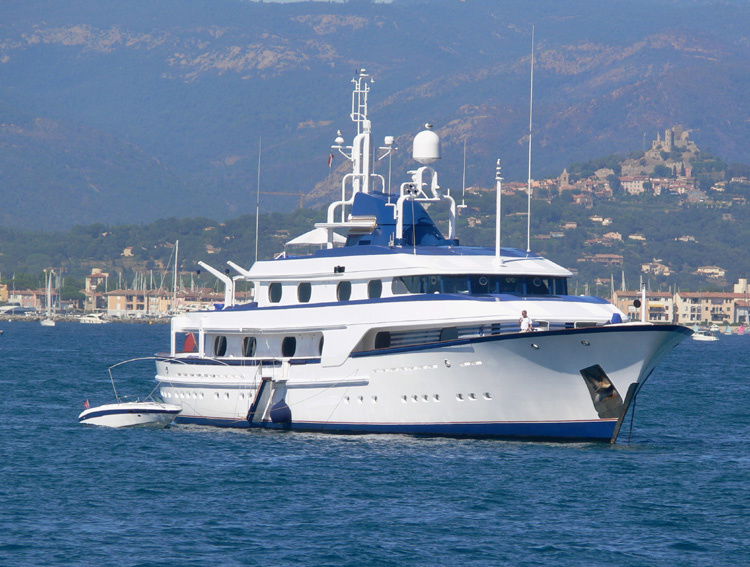
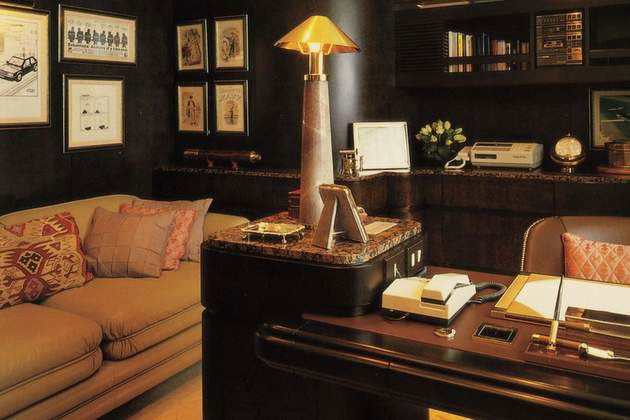

Images have been gathered from various sources and belong to their respective owners.
Review - Amels Cleopatra

MarineBroker
03/13/2024, 6:03 AM
1985 Amels Cleopatra: What to Know Before Buying, Restoring, or Refitting This Classic Yacht
The 1985 Amels Cleopatra is one of those yachts that immediately catches the eye of anyone who loves classic Dutch craftsmanship. Built during an era when Amels was known for solid construction, practical layouts, and timeless styling, this yacht still has plenty of appeal today. But if you’re researching one now, chances are you’re facing a familiar challenge: how do you tell whether an older yacht like this is a smart opportunity or a hidden headache?
That’s the real issue for many buyers, enthusiasts, and even current owners. A classic yacht can be full of character, but age brings questions. What’s the condition of the engines, systems, and hull? How expensive will maintenance be? Is the interior still usable, or does it need a full refit? And most importantly, how do you evaluate a boat like the 1985 Amels Cleopatra without getting overwhelmed by the details?
The good news is that with the right approach, you can separate cosmetic issues from serious concerns and make a much more informed decision. In this article, we’ll walk through what makes this yacht special, what problems are common on older vessels, and how to assess whether it’s the right fit for your plans.
- Why the 1985 Amels Cleopatra Still Gets Attention
The 1985 Amels Cleopatra belongs to a generation of yachts that were built with longevity in mind. Amels has long had a reputation for sturdy Dutch engineering, and that matters when you’re looking at a vessel that’s nearly four decades old.
For many buyers, the appeal is a mix of things:
- Classic lines that still look elegant
- A reputation for robust construction
- A layout that may suit family cruising or extended stays onboard
- The potential to own a yacht with real character, not just modern gloss
Unlike some older yachts that feel outdated in both appearance and function, a well-kept Amels can still be very practical. That said, age changes everything. Even a strong build doesn’t eliminate the need for careful inspection and realistic budgeting.
- The Main Problem: Age-Related Wear and Unclear Maintenance History
When people search for the 1985 Amels Cleopatra, they’re often trying to answer one core question: “Is this yacht worth it?”
That question matters because older yachts can hide expensive surprises. The biggest issue usually isn’t the brand or the model itself. It’s the condition of the individual boat.
Common concerns include:
- Outdated mechanical systems
- Electrical components that no longer meet modern expectations
- Moisture intrusion or hidden structural wear
- Aging plumbing, tanks, or fuel systems
- Interior materials that have deteriorated over time
- Unclear service records or inconsistent upkeep
In other words, the boat may look great at first glance, but the real condition often sits below the surface. That’s why a methodical evaluation is so important.
- What Makes the 1985 Amels Cleopatra Different From Newer Yachts
A modern yacht is usually designed around current technology, efficiency, and convenience. A 1985 Amels Cleopatra, on the other hand, reflects a different philosophy: strong materials, simpler systems, and a focus on durability.
This can be a benefit if you value:
- Easier-to-understand mechanical systems
- Heavy-duty construction
- A more traditional onboard feel
- The possibility of upgrading selectively instead of replacing everything
But it can also mean:
- Less energy efficiency
- Older wiring and controls
- More maintenance planning
- Fewer “plug and play” conveniences
For some owners, that tradeoff is perfectly acceptable. For others, especially those expecting a turnkey modern experience, it can become frustrating fast.
- How to Evaluate the 1985 Amels Cleopatra Properly
If you’re seriously considering this yacht, the smartest move is to evaluate it in layers. Don’t rely on photos alone, and don’t be distracted by polished teak or fresh upholstery if the underlying systems are tired.
Here’s a practical checklist:
- Start with the hull and structure
Look for signs of damage, repairs, blistering, corrosion, or water intrusion. Pay close attention to stress points, seams, and any evidence of previous grounding or impact.
- Review the engines and propulsion
Ask for maintenance logs, service intervals, and any major rebuild history. On an older yacht, engine condition can make or break the deal.
- Inspect electrical systems
Older wiring may still function, but it might not be ideal for today’s loads. Check panels, breakers, batteries, chargers, and shore power systems.
- Examine plumbing and tanks
Freshwater, wastewater, and fuel systems can age in ways that aren’t immediately visible. Leaks, odors, or corrosion are all worth investigating.
- Assess the interior honestly
A beautiful interior can be expensive to refresh, especially if moisture or structural issues are involved. Look beyond fabrics and finishes.
- Verify documentation
Maintenance records, ownership history, survey reports, and refit invoices can tell you a lot about how the boat has been treated.
A professional marine survey is not optional here. It’s one of the best tools you have for avoiding costly mistakes.
- Common Refits and Upgrades on an Older Amels Yacht
One of the reasons classic yachts remain attractive is that they can often be improved over time. If the 1985 Amels Cleopatra has a solid base, a targeted refit can make it far more usable without turning it into a completely different boat.
Typical upgrades may include:
- New navigation electronics
- Updated batteries and charging systems
- LED lighting conversion
- Modern plumbing fixtures
- New soft goods and interior fabrics
- HVAC improvements
- Generator servicing or replacement
- Replacing aged hoses, pumps, and seals
The key is to prioritize function before aesthetics. It’s easy to spend money on finishes first, but the smarter order is usually:
1. Safety
2. Mechanical reliability
3. Electrical and plumbing systems
4. Comfort upgrades
5. Cosmetic improvements
That approach helps you avoid investing heavily in appearance while ignoring core systems that affect usability and value.
- Budgeting for Ownership Without Surprises
A lot of people fall in love with an older yacht and underestimate the ongoing costs. That’s especially risky with a classic vessel like the 1985 Amels Cleopatra, where maintenance can vary widely depending on condition.
A realistic budget should account for:
- Annual maintenance
- Haul-out and bottom work
- Engine servicing
- Insurance
- Dockage or mooring fees
- Unexpected repairs
- Planned upgrades or refits
A good rule of thumb is to treat the purchase price as only part of the total cost of ownership. An older yacht with a lower asking price may still require substantial investment to bring it up to your standards.
If the boat has been lightly used or neglected, budget conservatively. If it has documented care and recent upgrades, you may have a much clearer path forward.
- Signs the 1985 Amels Cleopatra May Be a Good Buy
Not every older yacht is a project boat. Sometimes a well-maintained classic is exactly what a buyer wants. The 1985 Amels Cleopatra may be worth pursuing if it shows several of these signs:
- Strong maintenance records
- Recent mechanical service
- Dry bilges and no obvious water intrusion
- Clean survey results
- Evidence of thoughtful ownership
- Systems that are functional, even if not modern
- A refit history that matches your goals
The best-case scenario is a yacht that has been cared for consistently and updated in the areas that matter most. That gives you a more predictable ownership experience and reduces the chance of major surprises.
- Signs You Should Walk Away or Negotiate Harder
Sometimes the smartest solution is not to buy, or at least not to buy at the asking price.
Be cautious if you find:
- Missing or incomplete records
- Repeated engine issues
- Corrosion in critical areas
- Persistent leaks or soft spots
- Evidence of poor repairs
- Outdated systems that would cost too much to replace
- A seller who won’t allow a full survey
If several major systems need attention at once, the boat may still be salvageable, but only if the price reflects the work ahead. Otherwise, you could end up with a beautiful-looking yacht that becomes a financial drain.
- How the 1985 Amels Cleopatra Fits Different Types of Buyers
This yacht won’t be the perfect fit for everyone, and that’s okay. It tends to make the most sense for buyers who appreciate classic craftsmanship and are comfortable with a hands-on ownership style.
It may suit:
- Experienced owners who understand older yachts
- Buyers looking for a refit project with good bones
- Cruisers who value stability and traditional construction
- Enthusiasts who want a yacht with character and history
It may be less suitable for:
- First-time buyers expecting low-maintenance ownership
- People who want the latest tech throughout
- Buyers with limited budget for upgrades
- Anyone who wants a fully turnkey vessel with no project work
Knowing your own expectations is just as important as evaluating the yacht itself.
- Practical Steps to Take Before You Commit
If you’re seriously considering the 1985 Amels Cleopatra, here’s a simple decision process that can help:
- Step 1: Define your goals
Are you buying for cruising, weekend use, charter potential, or restoration?
- Step 2: Set a total budget
Include purchase price, survey costs, upgrades, and a repair reserve.
- Step 3: Hire the right surveyor
Choose someone experienced with older motor yachts and classic European builds.
- Step 4: Inspect the boat in person
Photos can hide a lot. Walk the decks, open panels, and ask detailed questions.
- Step 5: Prioritize must-fix items
Separate safety and mechanical issues from cosmetic wants.
- Step 6: Compare the boat to alternatives
Sometimes another yacht in better condition may offer more value, even if it lacks the same name recognition.
This process keeps emotion in check and helps you make a decision based on facts.
- Why Classic Yachts Like This Still Matter
There’s a reason older yachts continue to attract attention. They often offer something newer boats can’t: character, craftsmanship, and a sense of identity. A well-kept 1985 Amels Cleopatra may not have the latest systems, but it can still deliver a rewarding ownership experience if you approach it thoughtfully.
For the right buyer, the value is not just in the boat itself. It’s in the opportunity to preserve, improve, and enjoy a yacht with a real story behind it.
That said, the key to enjoying a classic yacht is not pretending it’s new. It’s understanding what it is, what it needs, and whether you’re ready for the responsibility that comes with it.
- Conclusion
The 1985 Amels Cleopatra can be a compelling choice for buyers who appreciate classic yacht design and solid Dutch build quality. But like any older vessel, its real value depends on condition, maintenance history, and how much work it needs to meet your expectations. The smartest approach is to focus on structure, systems, and documentation before getting attached to the style or name.
If you take the time to inspect carefully, budget realistically, and prioritize the right upgrades, an older yacht like this can still be a very rewarding ownership experience. For anyone interested in classic Amels yachts, learning how to evaluate them properly is the best first step.
Specifications
General
Boat Type: Power Boats
Class Type: Mega Yacht
Specifications
Length: 186.02
Beam: 30.18
Draft: 9.84
Hull Material: Steel
Build
First Built: 1985
Propulsion
Fuel Type: Diesel
Engines: 2
Power: 1410 HP
Brand: Caterpillar
Accomodation
Cabins: 5
PROS & CONS
What we appreciated
 Classic and elegant design with timeless appealSolid construction quality typical of Amels craftsmanshipSpacious interior layout suitable for comfortable cruisingRobust and reliable mechanical systems for its eraGood resale value among vintage yacht enthusiasts
What we didn’t appreciate
 Older systems may require frequent maintenance or upgradesLess fuel-efficient compared to modern vesselsLimited modern amenities and electronicsPotential scarcity of specific replacement partsOutdated safety features compared to contemporary standards
Upkeep Costs
Annual maintenance: $15,000 - $25,000
Fuel: $20,000 - $40,000 per year (depending on usage)
Docking fees: $10,000 - $30,000 per year
Insurance: $5,000 - $10,000 per year
Crew salaries: $50,000 - $100,000 per year (if applicable)
Rating
6.6
User
Score
Score
Driveability
Technology
Interior
Design
Similar Boats


MarineBroker
Download now for an immersive boat experience like never before! ⛵✨ Your journey begins with a simple click. 🌊📲
#SetSailSmart #DownloadNow
#SetSailSmart #DownloadNow

Subscribe
Copyright 2017 - 2026, Marinebroker.net, All Rights Reserved