Boat Database » Astilleros de Mallorca Meserret
Astilleros de Mallorca Meserret
Inboard Direct-Drive, Diesel, 2x 850 HP
Power Boats 1981 Astilleros de Mallorca Meserret: A Practical Guide to Understanding, Evaluating, and Enjoying This Classic Yacht
If you’ve been searching for information on the 1981 Astilleros de Mallorca Meserret, you’re probably not just ...
Discover
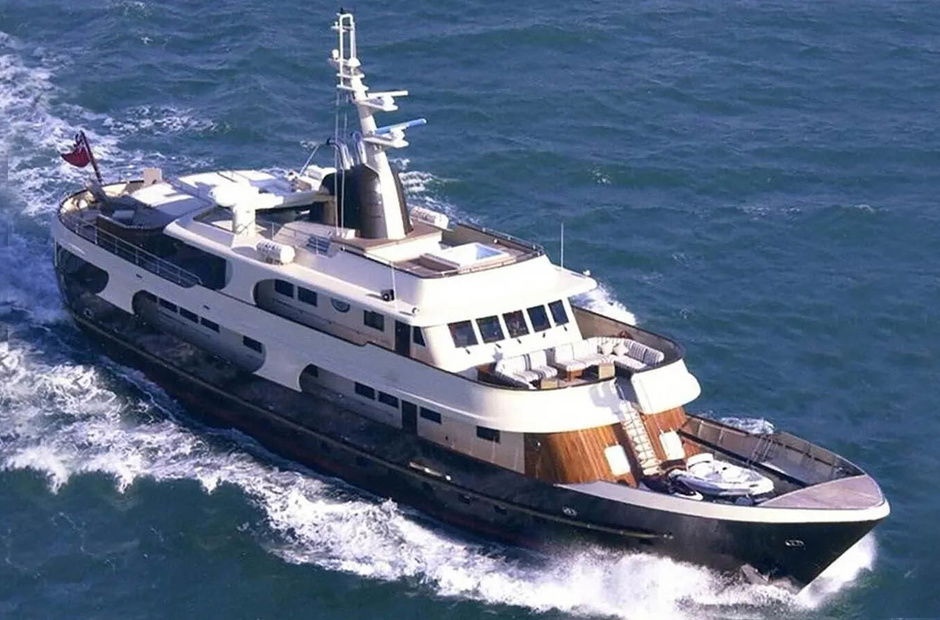


Images have been gathered from various sources and belong to their respective owners.
Review - Astilleros de Mallorca Meserret

MarineBroker
05/28/2024, 12:18 PM
1981 Astilleros de Mallorca Meserret: A Practical Guide to Understanding, Evaluating, and Enjoying This Classic Yacht
If you’ve been searching for information on the 1981 Astilleros de Mallorca Meserret, you’re probably not just curious about a boat name. You’re likely trying to figure out what makes this yacht special, whether it’s a smart buy, and what to watch out for if you’re considering ownership, restoration, or charter use. That’s a very normal problem with classic yachts: the older the boat, the more important it becomes to separate the romance from the real-world details.
The good news is that a boat like the 1981 Astilleros de Mallorca Meserret can offer a lot of value if you know how to approach it properly. Classic yachts from respected builders often combine timeless styling, solid construction, and a unique sailing or cruising experience that modern production boats sometimes lack. But they can also come with age-related challenges such as maintenance costs, outdated systems, and uncertainty around documentation or refits.
In this article, we’ll look at how to evaluate the 1981 Astilleros de Mallorca Meserret, what common issues to check for, and how to make smart decisions if you’re interested in this vessel. Whether you’re researching for purchase, restoration, or general knowledge, this guide will help you understand the boat more clearly and avoid expensive surprises.
- What Makes the 1981 Astilleros de Mallorca Meserret Interesting
Astilleros de Mallorca has long been associated with quality yacht building in the Mediterranean, and boats from this era often attract attention for their craftsmanship and character. The 1981 Astilleros de Mallorca Meserret sits in that sweet spot where classic design meets practical cruising potential.
For many enthusiasts, the appeal comes from a few key points:
- Strong build quality typical of well-regarded European yards
- A timeless profile that still looks elegant decades later
- The kind of onboard feel that classic yachts are known for
- Potential for refit or restoration into a highly personal vessel
Unlike many newer boats that are designed around mass production and cost efficiency, older yachts often reflect a more bespoke approach. That can mean better materials in some areas, but it also means each boat must be evaluated on its own condition rather than its age alone.
If you’re looking at the 1981 Astilleros de Mallorca Meserret, think of it less as a “model year” and more as a platform. Its actual value depends heavily on maintenance history, structural condition, equipment upgrades, and how it has been used over time.
- The Main Problem: Age, Unknown History, and Hidden Costs
The biggest challenge with any classic yacht is not just finding it, but understanding what you’re really getting. A boat from 1981 may look beautiful on the outside, but the real questions are below the surface.
Common concerns include:
- Osmosis or hull blistering in fiberglass boats
- Corrosion in metal fittings and mechanical systems
- Aging electrical wiring
- Outdated navigation and safety equipment
- Engine wear or lack of proper servicing
- Water intrusion around decks, windows, or hatches
- Interior deterioration from moisture or poor storage
For buyers, the problem is often uncertainty. A boat may appear well kept, but without a proper survey and maintenance records, you’re guessing. And with classic yachts, guessing can get expensive fast.
The practical solution is not to avoid the boat altogether. It’s to inspect it carefully, budget realistically, and decide whether you want a turnkey cruiser, a project boat, or something in between.
- How to Evaluate the 1981 Astilleros de Mallorca Meserret Before Buying
If you’re considering the 1981 Astilleros de Mallorca Meserret, the first step is a thorough evaluation. This should go beyond a casual walk-through.
Here’s what to focus on:
- Hull and structure: Look for signs of repairs, stress cracks, delamination, or blistering.
- Deck condition: Soft spots can indicate water intrusion or core damage.
- Keel and rudder: Check for movement, corrosion, or impact damage.
- Engine and propulsion: Review service logs, hours, oil condition, and cooling system health.
- Electrical systems: Older wiring can be a hidden hazard, especially if modified over time.
- Plumbing and tanks: Aging hoses, pumps, and tanks often need replacement.
- Rigging and sails, if applicable: Standing rigging has a lifespan and may need renewal even if it looks fine.
- Interior moisture: Musty smells, staining, or mold can point to long-term problems.
A marine surveyor is worth every penny here. If the boat is in a different country or region, use a surveyor familiar with classic Mediterranean yachts and older European construction methods. That kind of expertise can reveal issues that a general inspector might miss.
- Why Maintenance History Matters More Than Age
With a boat like the 1981 Astilleros de Mallorca Meserret, age alone does not tell the full story. A well-maintained 1981 yacht can be in better condition than a poorly cared-for 2000s boat.
When reviewing maintenance history, look for:
- Regular engine servicing
- Documented haul-outs and bottom work
- Replaced hoses, pumps, and seals
- Electrical upgrades
- Structural repairs with receipts or photos
- Evidence of winter storage or proper covering
- Records of major refits
A good logbook tells you the owner understood the boat and invested in it consistently. Missing records don’t automatically mean trouble, but they do raise the risk level. In that case, you should assume more work will be needed and price the boat accordingly.
One useful rule: if the seller says “everything works,” ask for proof. On older yachts, “works” can mean “sort of works,” which is not the same thing at all.
- Common Refits That Make Sense on a Classic Yacht
If you do end up owning the 1981 Astilleros de Mallorca Meserret, you may want to modernize it without stripping away its character. That’s usually the best approach with a classic boat.
The most worthwhile upgrades often include:
- New wiring and breaker panels
- LED lighting
- Modern battery management
- Updated navigation electronics
- Refreshed upholstery and joinery
- Improved ventilation
- New plumbing hoses and fixtures
- Engine overhaul or replacement, if needed
- Safety gear upgrades
Not every refit needs to be dramatic. In fact, small improvements often give the biggest return in comfort and reliability. A well-planned refit can make the boat safer, easier to maintain, and much more enjoyable to use.
The key is balance. Over-modernizing can erase the charm that made the boat appealing in the first place. Preserve the lines, the woodwork, and the feel of the vessel where possible, while quietly upgrading the systems that matter most.
- Budgeting Realistically for Ownership
A lot of people fall in love with a classic yacht and focus only on purchase price. That’s where trouble starts. The real cost of owning the 1981 Astilleros de Mallorca Meserret includes maintenance, mooring, insurance, surveys, and upgrades.
A practical budget should account for:
- Annual haul-out and antifouling
- Engine and mechanical servicing
- Insurance premiums for older vessels
- Dockage or mooring fees
- Unexpected repairs
- Replacement of aging safety equipment
- Cosmetic upkeep like varnish, paint, and upholstery
For older boats, it’s smart to set aside a repair reserve every year. A common approach is to assume that unexpected maintenance will happen, because it usually does. Even a well-kept classic yacht can surprise you with a failed pump, tired battery bank, or leaking fitting.
If you’re planning a purchase, don’t just ask, “Can I afford the boat?” Ask, “Can I afford to keep it in the condition I want?”
- Best Uses for the 1981 Astilleros de Mallorca Meserret
Not every classic yacht is ideal for every type of owner. The 1981 Astilleros de Mallorca Meserret may be especially appealing if you want a boat that offers character and a more traditional boating experience.
It may be a good fit for:
- Coastal cruising
- Weekend sailing or motor yachting
- Private ownership by classic yacht enthusiasts
- Restored showpiece or heritage vessel
- Occasional charter use, if properly maintained and certified
It may be less suitable if you want:
- A low-maintenance boat with minimal upkeep
- The latest technology everywhere
- A vessel with predictable, modern systems only
- A turnkey charter platform without refit investment
That doesn’t mean the boat is impractical. It just means your expectations should match the reality of owning a 1981 classic. If you want personality, craftsmanship, and a boat with a story, that’s where this kind of yacht shines.
- How to Spot a Well-Cared-For Classic Yacht
When looking at the 1981 Astilleros de Mallorca Meserret, a few visual and practical clues can tell you a lot about how the boat has been treated.
Signs of good care include:
- Clean bilges
- Dry lockers and cabins
- Even wear on hardware
- Freshly serviced machinery
- Organized wiring and labeling
- No strong mildew smell
- Consistent cosmetic upkeep
- Evidence of professional work, not just DIY patching
Also pay attention to how the seller presents the boat. A knowledgeable owner usually knows the vessel’s quirks and can explain what has been replaced, what still needs attention, and what should be monitored. That honesty is often more valuable than a polished sales pitch.
On the other hand, be cautious if you see:
- Fresh paint hiding obvious repairs
- New upholstery but neglected systems
- Mixed-quality electrical fixes
- Incomplete documentation
- Signs of water damage behind cosmetic upgrades
A pretty boat is nice. A structurally sound and well-maintained boat is much better.
- Practical Tips for New Owners
If you become the owner of the 1981 Astilleros de Mallorca Meserret, the first year matters a lot. The goal is to learn the boat before making big changes.
Start with these steps:
1. Get a full survey and sea trial
2. Service all critical systems immediately
3. Replace unknown-age safety items
4. Create a maintenance checklist
5. Document everything you do
6. Prioritize reliability before aesthetics
7. Keep a reserve fund for surprise repairs
It’s also helpful to spend time onboard in different conditions. A boat can feel fine in calm water and reveal problems once it’s under load, in rougher weather, or after sitting unused for a few weeks.
If you’re new to classic yachts, patience is your best tool. Don’t rush into cosmetic projects before the mechanical basics are sorted. A reliable boat is far more enjoyable than a beautifully polished one that won’t start.
- Why Enthusiasts Still Love Boats Like This
There’s a reason classic yachts continue to attract attention. The 1981 Astilleros de Mallorca Meserret represents more than just an old boat. It represents a style of boating that values craftsmanship, presence, and individuality.
Owners often appreciate:
- The sense of history
- The distinctive lines and proportions
- The tactile feel of older materials
- The satisfaction of preserving something special
- The ability to customize a classic platform
Modern boats may be easier in some ways, but they often lack the same emotional connection. A classic yacht invites involvement. You don’t just use it; you maintain it, understand it, and gradually make it your own.
That’s part of the appeal. For the right person, the work is not a burden. It’s part of the experience.
- Final Thoughts on the 1981 Astilleros de Mallorca Meserret
The 1981 Astilleros de Mallorca Meserret is the kind of yacht that rewards careful attention. It can offer classic style, solid craftsmanship, and a rewarding ownership experience, but only if you go in with open eyes. The main challenge is not finding the boat itself — it’s understanding its true condition, maintenance needs, and long-term costs.
If you’re interested in this vessel, the smartest path is simple: inspect thoroughly, verify the history, budget for upkeep, and focus on systems that affect safety and reliability first. With the right approach, a classic yacht like this can be a fantastic boat to own, cruise, and preserve. If you want to go deeper, keep researching survey methods, refit planning, and classic yacht maintenance so you can make a confident decision.
Specifications
General
Boat Type: Power Boats
Class Type: Mega Yacht
Specifications
Length: 128.94
Beam: 24.61
Draft: 11.48
Hull Material: Steel
Build
First Built: 1981
Propulsion
Fuel Type: Diesel
Engines: 2
Power: 850 HP
Brand: Caterpillar
Accomodation
Cabins: 6
PROS & CONS
What we appreciated
 Classic and elegant design with timeless appealSolid construction by Astilleros de Mallorca known for quality craftsmanshipSpacious layout suitable for comfortable cruisingGood sailing performance for a boat of its eraStrong community and availability of parts due to its established reputation
What we didn’t appreciate
 Older model may require significant maintenance and updatesPotentially outdated navigation and onboard systemsLimited modern amenities compared to newer boatsPossible wear and tear on hull and rigging after decades of useFuel efficiency and environmental standards not up to current expectations
Upkeep Costs
Annual maintenance and repairs: $3,000 - $6,000
Docking and mooring fees: $1,200 - $5,000 per year depending on location
Insurance: $800 - $2,000 per year
Fuel: $500 - $2,000 depending on usage
Winterization and storage: $1,000 - $3,000 per year

Rating
5.6
User
Score
Score
Driveability
Technology
Interior
Design
Similar Boats


MarineBroker
Download now for an immersive boat experience like never before! ⛵✨ Your journey begins with a simple click. 🌊📲
#SetSailSmart #DownloadNow
#SetSailSmart #DownloadNow

Subscribe
Copyright 2017 - 2026, Marinebroker.net, All Rights Reserved