Boat Database » Askeladden 565 Wasper
Askeladden 565 Wasper
Outboard four-stroke, Unleaded, 1x 150 HP
Power Boats 2014 Askeladden 565 Wasper: What to Check, How to Maintain It, and Why It Still Makes Sense
If you’re looking at a 2014 Askeladden 565 Wasper, chances are you’re not just browsing boat listings for fun. You probably want a compac...
Discover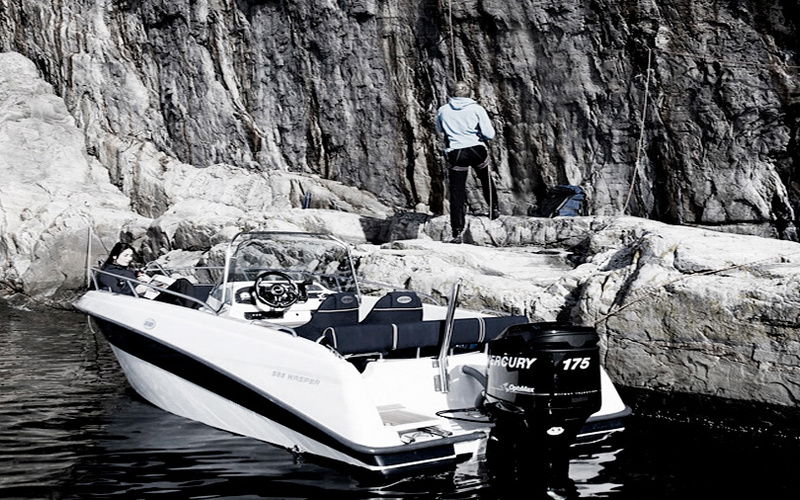

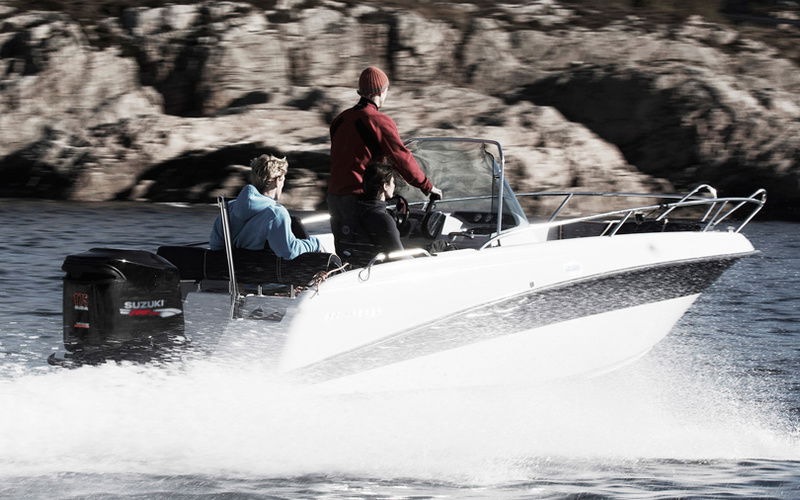

Images have been gathered from various sources and belong to their respective owners.
Review - Askeladden 565 Wasper

MarineBroker
05/27/2024, 1:20 PM
2014 Askeladden 565 Wasper: What to Check, How to Maintain It, and Why It Still Makes Sense
If you’re looking at a 2014 Askeladden 565 Wasper, chances are you’re not just browsing boat listings for fun. You probably want a compact, capable boat that feels easy to handle, works well for day trips, and doesn’t turn every outing into a maintenance project. That’s a fair expectation, but it also comes with a common challenge: older used boats can look great on the surface while hiding issues that only show up once you’ve owned them for a while.
That’s where a smart approach matters. Instead of focusing only on price or appearance, it helps to understand what this model is good at, what to inspect carefully, and how to keep it running reliably. The 2014 Askeladden 565 Wasper is known for its practical size, sporty feel, and versatile use, but like any used boat, it rewards buyers who know what to look for.
In this guide, we’ll walk through the most important checks, common concerns, and simple ways to get the best experience from this boat.
- Why the 2014 Askeladden 565 Wasper Still Gets Attention
The 2014 Askeladden 565 Wasper sits in a sweet spot for many boaters. It’s small enough to be manageable, yet large enough to feel stable and useful for family outings, coastal cruising, fishing, and general leisure use.
For many people, the appeal comes down to three things:
- Easy handling
- Practical layout
- Lower running costs than larger boats
That combination makes it attractive to first-time buyers and experienced owners alike. It’s also a boat that tends to fit real-world boating habits better than oversized models that are harder to trailer, store, and maintain.
Still, a boat of this age is no longer “buy it and forget it.” The real question is not whether it’s a good model in general, but whether a specific example has been cared for properly. That’s where buyers often run into trouble.
- The Main Problem: Used Boats Can Hide Expensive Issues
The biggest issue with a used 2014 Askeladden 565 Wasper is not necessarily the model itself. It’s the condition of the individual boat.
A boat can look clean in photos, have shiny upholstery, and still need expensive work underneath. Common hidden problems include:
- Water intrusion into the hull or deck
- Worn or poorly serviced outboard engines
- Corrosion in electrical systems
- Damaged fittings, seals, or transom areas
- Trailer wear if the package includes one
These problems can be frustrating because they often show up after purchase, when repairs are no longer negotiable. That’s why the smartest solution is to inspect the boat systematically before buying and then maintain it consistently afterward.
- What Makes the 2014 Askeladden 565 Wasper a Good Fit for Everyday Boating
The 2014 Askeladden 565 Wasper is popular because it offers a practical boating experience without feeling overly complicated. In plain terms, it is the kind of boat that makes spontaneous trips possible.
It’s often a good fit for:
- Day cruising with family or friends
- Short coastal runs
- Fishing in calmer waters
- Water sports in suitable conditions
- Owners who want a manageable boat size
Its compact footprint also means it’s easier to berth, trailer, and store than many larger craft. For people who value convenience, that matters a lot.
The trade-off is that smaller boats usually demand more attention to loading, weight balance, and weather awareness. If you understand those limits, the boat can be a very satisfying choice.
- What to Inspect Before Buying a 2014 Askeladden 565 Wasper
If you’re considering buying one, the inspection stage is where you can save yourself the most money and stress. Even if the boat looks tidy, go through it like a checklist.
- Hull and Deck Condition
Start with the hull. Look for cracks, deep scratches, repaired areas, or signs of impact.
Pay attention to:
- Stress marks around fittings
- Soft spots in the deck
- Uneven repairs
- Gelcoat damage
- Water staining around joints
If the deck feels soft underfoot, that can be a warning sign of water intrusion or structural weakness. That’s not something to ignore.
- Engine Health
The outboard is one of the most important parts of the boat, and often the most expensive to fix.
Check:
- Service history
- Starting behavior
- Idle smoothness
- Smoke levels
- Cooling water flow
- Gear engagement
- Corrosion around mounts and controls
If possible, ask for a sea trial. A boat may start fine on land but behave very differently under load.
- Electrical System
Electrical issues are common on used boats because moisture and vibration are hard on wiring.
Look for:
- Corroded terminals
- Loose switches
- Non-working navigation lights
- Weak battery condition
- Unprotected wiring
- Signs of amateur repairs
A messy electrical setup is often a sign that maintenance has been inconsistent.
- Steering and Controls
Steering should feel smooth and predictable. If it feels stiff, jerky, or delayed, that may point to wear in the cable, hydraulic system, or linkages.
Also test:
- Throttle response
- Trim operation
- Shift control
- Steering lock-to-lock movement
These are small things that make a big difference once you’re on the water.
- Upholstery and Interior Wear
Upholstery is easy to notice, but don’t let cosmetic wear distract you from the deeper checks.
Still, it’s worth looking at:
- Tears in seats
- UV damage
- Mold or mildew
- Loose cushions
- Water trapped under storage areas
Good upholstery care often reflects overall ownership habits. A tidy interior often means the owner has been reasonably careful elsewhere too.
- Trailer Condition, If Included
If the boat comes with a trailer, inspect it just as carefully as the boat itself.
Check:
- Wheel bearings
- Tires
- Brakes
- Lights
- Winch strap
- Bunks and rollers
- Rust on frame and fasteners
A neglected trailer can create safety issues and add unexpected costs right away.
- Common Issues Owners Should Watch For
Even well-kept boats can develop recurring issues over time. Knowing them early helps you prevent bigger repairs later.
- Moisture Intrusion
Water intrusion is one of the most important things to watch for in any boat. Once water gets where it shouldn’t be, it can affect foam, wood, wiring, and structural areas.
Warning signs include:
- Musty smells
- Soft flooring
- Discoloration
- Heavy weight for its size
- Persistent condensation
If you catch moisture early, the repair is often manageable. If not, it can become a major project.
- Corrosion and Salt Damage
If the boat has been used in saltwater, corrosion deserves extra attention.
Check metal fittings, engine components, and electrical connections for:
- White powdery residue
- Green corrosion
- Pitted hardware
- Stiff or seized fasteners
Regular freshwater rinsing and proper storage go a long way here.
- Neglected Maintenance
A boat that has missed routine care usually shows it in small ways first. Filters, impellers, battery health, and lubrication often tell the story.
If maintenance records are missing, assume you’ll need to do a full service soon after purchase.
- How to Solve the Problem: A Simple Ownership Strategy
The real solution to buying and owning a 2014 Askeladden 565 Wasper is not luck. It’s a simple, repeatable system.
Think of it in three steps:
1. Inspect carefully before buying
2. Service properly after purchase
3. Maintain consistently through the season
That approach reduces surprises and helps the boat stay enjoyable instead of becoming a repair headache.
- Step 1: Inspect Before You Commit
Before you buy, ask for:
- Full service records
- Engine hours
- Ownership history
- Storage history
- Any repair invoices
- A recent inspection report, if available
If you don’t feel confident evaluating the boat yourself, hire a marine surveyor or mechanic. The cost is usually small compared with the price of fixing a major hidden issue.
A good inspection is not about finding perfection. It’s about understanding exactly what you’re buying.
- Step 2: Service the Basics Right Away
Once you own the boat, don’t assume the previous owner handled everything properly. Start with a baseline service.
A smart first service often includes:
- Engine oil and filter change, if applicable
- Gear oil check
- Impeller inspection
- Fuel system check
- Battery test
- Corrosion protection
- Safety equipment review
- Hull and deck cleaning
- Hardware tightening
This gives you a known starting point. From there, you can build a reliable maintenance schedule.
- Step 3: Use a Seasonal Maintenance Routine
Boats stay healthier when maintenance is regular rather than reactive.
A simple routine might include:
Before each outing:
- Check fuel
- Check battery charge
- Inspect steering and controls
- Test lights and bilge pump
- Look for visible leaks
Monthly:
- Rinse and clean thoroughly
- Inspect electrical connections
- Check engine fluids and hoses
- Examine upholstery and seals
At season end:
- Deep clean the boat
- Flush the engine
- Protect metal parts
- Store batteries properly
- Cover the boat well
- Repair small issues before winter
Small habits like these save time and money later.
- Why Size and Simplicity Matter More Than People Think
One reason the 2014 Askeladden 565 Wasper remains appealing is that it reflects a very practical boating philosophy. Smaller, simpler boats are often easier to keep in good condition because there’s less to manage.
That means:
- Lower fuel use
- Easier launching and retrieval
- Faster cleaning
- Simpler storage
- Less intimidating handling for newer boaters
Of course, smaller boats also mean you need to be more thoughtful about load limits, weather, and sea conditions. But for many owners, that’s a worthwhile trade.
If your boating style is mostly short trips, calm-water fun, and low-stress ownership, a boat like this can be a strong match.
- Tips for Getting the Best Experience from a 2014 Askeladden 565 Wasper
To make the most of the boat, focus on habits that improve both safety and comfort.
Here are a few practical tips:
- Keep weight evenly distributed
- Don’t overload storage areas
- Rinse after saltwater use
- Store with proper ventilation
- Replace worn covers and seals early
- Keep a basic onboard toolkit
- Learn the boat’s handling in calm conditions first
It also helps to spend time getting familiar with how the boat behaves at different speeds and in different chop. Every hull has its own personality, and learning that early makes outings more enjoyable.
- When the 2014 Askeladden 565 Wasper Is a Smart Buy
This boat makes the most sense if you want a compact, versatile, and manageable craft that can handle regular leisure use without becoming a full-time project.
It’s especially worth considering if you:
- Want a boat that’s easy to trailer or berth
- Prefer moderate operating costs
- Value a practical layout over luxury features
- Plan to do day boating rather than extended cruising
- Are willing to inspect and maintain it properly
In other words, it’s a good choice for people who want boating to feel simple and enjoyable.
- When to Walk Away
Sometimes the best decision is not to buy.
Walk away if you find:
- No maintenance history at all
- Major structural concerns
- Signs of repeated water intrusion
- Serious engine problems
- Poorly done repairs
- A trailer in unsafe condition
- An owner who won’t let you inspect properly
There are always other boats. A rushed purchase is usually the expensive one.
- Conclusion
The 2014 Askeladden 565 Wasper can be a very practical and enjoyable boat, especially for buyers who value simplicity, manageable size, and everyday usability. The key is to focus on condition rather than just appearance. A careful inspection, a proper first service, and steady seasonal maintenance will solve most of the common problems that trip up used-boat buyers.
If you’re considering one, take your time, check the details, and treat the purchase like a long-term decision. That approach gives you the best chance of ending up with a boat that feels dependable and fun, not frustrating. If you want to dig deeper, look for model-specific owner forums, service records, and local marine survey advice before making the final call.
Specifications
General
Boat Type: Power Boats
Class Type: Walkaround
Specifications
Length: 18.54
Beam: 7.38
Draft: 1.21
Hull Material: GRP
Build
First Built: 2014
Propulsion
Fuel Type: Unleaded
Engines: 1
Power: 150 HP
Brand: Unknown
Accomodation
PROS & CONS
What we appreciated
 Compact and easy to maneuver, ideal for lakes and coastal watersFuel-efficient 4-stroke engine options availableStable hull design provides good handling and safetyComfortable seating for up to 5 peopleSimple and durable construction with low maintenance requirements
What we didn’t appreciate
 Limited cabin or storage space, not suitable for overnight tripsNot designed for rough open sea conditionsBasic instrumentation and features compared to newer modelsSmaller size may limit gear and passenger capacityOlder model, may require updates to electronics or safety equipment
Upkeep Costs
Fuel: Approximately $500 - $1,000 per season depending on usage
Maintenance: Around $300 - $600 annually for engine servicing and upkeep
Storage: $500 - $1,200 per year depending on location and type (indoor/outdoor)
Insurance: $200 - $500 annually based on coverage and location
Registration and taxes: $50 - $150 per year depending on local regulations

Rating
6.4
User
Score
Score
Driveability
Technology
Interior
Design
Similar Boats


MarineBroker
Download now for an immersive boat experience like never before! ⛵✨ Your journey begins with a simple click. 🌊📲
#SetSailSmart #DownloadNow
#SetSailSmart #DownloadNow

Subscribe
Copyright 2017 - 2026, Marinebroker.net, All Rights Reserved