2013 Aquador 22 C: What to Check Before Buying and How to Keep It Running Smoothly
If you’re looking at a 2013 Aquador 22 C, chances are you already know it has a strong reputation as a versatile Scandinavian day cruiser. It’s th...
Discover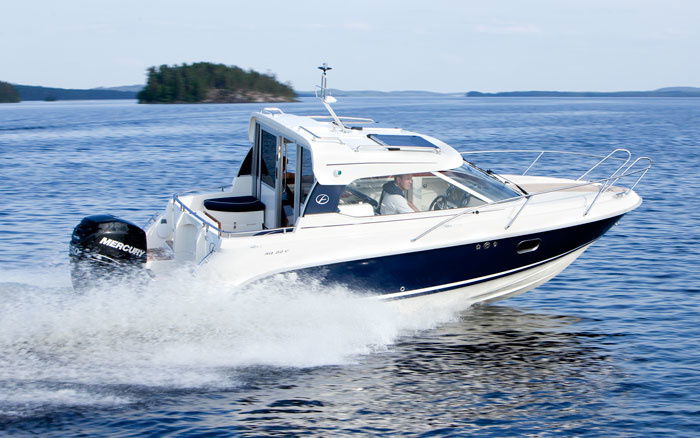


Images have been gathered from various sources and belong to their respective owners.
Review - Aquador 22 С

MarineBroker
03/20/2024, 11:59 PM
2013 Aquador 22 C: What to Check Before Buying and How to Keep It Running Smoothly
If you’re looking at a 2013 Aquador 22 C, chances are you already know it has a strong reputation as a versatile Scandinavian day cruiser. It’s the kind of boat that appeals to people who want a compact, practical, and well-built vessel that can handle everything from relaxed family outings to longer weekend runs. But like any used boat, the real question isn’t just whether it looks good on paper — it’s whether it has been cared for properly and whether it fits the way you actually want to use it.
That’s where many buyers run into trouble. A boat can seem perfect during a quick viewing, but hidden maintenance issues, aging systems, or the wrong setup for your boating style can turn a good purchase into a frustrating one. The good news is that most of these problems are manageable if you know what to look for. With the right checks, a little planning, and a clear idea of your priorities, you can make a smarter decision and enjoy the boat with far fewer surprises.
- Why the 2013 Aquador 22 C Still Gets Attention
The 2013 Aquador 22 C remains popular because it sits in a sweet spot for many boaters. It’s compact enough to be manageable, but still offers enough comfort and protection to make longer days on the water more enjoyable.
For buyers, that balance is a big deal. You’re not just paying for a hull and an engine; you’re paying for usability, layout, build quality, and confidence on the water. Aquador boats are known for a solid finish and practical design, which makes the 22 C attractive to people who want a boat that feels more refined than a basic open runabout.
A boat like this often appeals to:
- Couples looking for a comfortable cruiser
- Small families wanting a safe, usable cabin boat
- Boaters stepping up from smaller day boats
- Buyers who want Scandinavian design and thoughtful layout
The challenge is that a well-designed boat can still have age-related issues. In a 2013 model, you’re dealing with a boat that may have seen over a decade of use, which means inspections matter just as much as brand reputation.
- The Main Problem Buyers Face: Hidden Wear on a “Good-Looking” Boat
The biggest issue with a used 2013 Aquador 22 C is that many of the important problems are not obvious at first glance. A clean exterior, polished gelcoat, and tidy cabin can hide mechanical wear, neglected servicing, or past repairs.
This is especially true if the boat has been used in saltwater, stored outdoors, or sat unused for long periods. Boats don’t usually fail all at once. Instead, they tend to show a mix of small warning signs that add up over time.
Common hidden issues include:
- Engine service gaps
- Corrosion on fittings and electrical connections
- Worn upholstery or soft deck areas
- Moisture intrusion around windows and hatches
- Aging batteries or electrical components
- Outdrive or propeller wear
- Fuel system deterioration from inactivity
The practical problem for buyers is simple: you want a boat that’s ready to use, not one that immediately needs a long repair list. That’s why the best solution is not just “buy carefully,” but inspect systematically and plan for ownership costs before committing.
- What to Inspect on a 2013 Aquador 22 C
A proper inspection can save you a lot of money and frustration. If you’re serious about buying, focus on the areas that are most likely to cause trouble in a boat of this age.
- Engine and Mechanical Systems
Start with the engine history. Ask for service records, oil change intervals, impeller replacement, and any major repairs. A well-maintained engine is often the difference between a great purchase and an expensive project.
Check for:
- Smooth cold starting
- Unusual smoke
- Rough idling
- Cooling water flow
- Leaks around hoses or seals
- Corrosion on metal components
If the boat has a sterndrive, inspect the bellows, trim system, and gear oil. These parts can be costly if neglected.
- Hull and Deck Condition
The hull should be free from major damage, but also look for signs of previous impact repairs or stress cracks. On a boat like the Aquador 22 C, the deck and fittings matter just as much as the hull itself.
Watch for:
- Spider cracks around fittings
- Soft spots underfoot
- Poorly sealed hardware
- Water stains around joints
- Evidence of blistering or repairs
A solid-feeling deck is a good sign. If anything feels spongy or uneven, investigate further before making an offer.
- Cabin and Interior
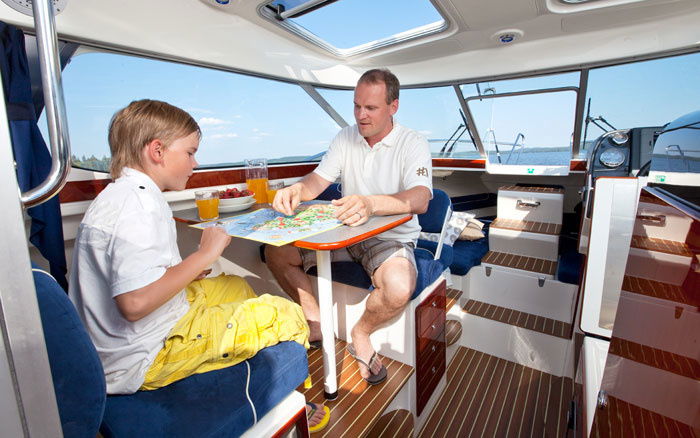
The cabin on a 2013 Aquador 22 C should feel dry, functional, and free from musty smells. Moisture inside a boat cabin is often a sign of leaks or poor ventilation.
Check:
- Upholstery condition
- Headliner and trim
- Window seals
- Hatch operation
- Cabin floor softness
- Signs of mildew or odor
Small cosmetic issues are normal. Persistent dampness is not.
- Electrical System
Electrical faults are common on older boats, especially if batteries have been replaced with poor-quality units or if wiring has been modified over time.
Look at:
- Battery age and condition
- Charging system performance
- Navigation lights
- Bilge pump operation
- Switch panel labeling
- Corrosion on terminals
If you see messy wiring or unprotected splices, that’s a warning sign. Clean, organized wiring usually reflects better overall ownership.
- How to Judge Whether the 2013 Aquador 22 C Is a Good Fit for You
Not every good boat is a good boat for every buyer. The 2013 Aquador 22 C has clear strengths, but it’s important to match those strengths to your boating habits.
This model is a smart choice if you want:
- A manageable size for docking and trailering
- A cabin that offers weather protection
- A boat suited to coastal cruising, lakes, and day trips
- A practical layout rather than a flashy one
- Scandinavian build quality and sensible design
It may be less ideal if you want:
- Very large sleeping space
- High-speed performance as a priority
- Minimal maintenance responsibilities
- A huge cockpit for entertaining large groups
A lot of buyer disappointment comes from expecting a boat to do everything. The 2013 Aquador 22 C is best appreciated as a compact cruiser with real-world usability, not a luxury apartment on water.
- The Smart Way to Solve the Buying Problem
The best solution is to approach the purchase like a checklist, not an emotional decision. Boats often look more appealing after a good cleaning and a fresh coat of polish, so you need to focus on the things that actually cost money and affect reliability.
Here’s a practical buying strategy:
1. Review the service history
Ask for invoices, maintenance logs, and winterization records. A boat with documented care is usually a safer bet.
2. Pay for a marine survey
A qualified surveyor can identify issues you might miss, especially with moisture, structure, and systems.
3. Run the boat on the water
Don’t rely on a dockside inspection alone. Test acceleration, steering, trim, and engine temperature.
4. Estimate immediate costs
Even a good boat may need batteries, impellers, antifouling, or cosmetic work. Budget for those items before you buy.
5. Compare condition, not just price
A lower-priced boat with neglected systems can easily become more expensive than a better-maintained example.
This approach helps you avoid the common trap of buying the “cheaper” boat that turns out to be the most expensive one.
- Maintenance Tips That Help the 2013 Aquador 22 C Stay Reliable
Once you own the boat, keeping it in good condition is mostly about consistency. Small habits prevent big problems.
- Follow a seasonal service routine
At minimum, check the engine, battery, fuel system, and safety equipment before each season. If you use the boat heavily, mid-season checks are smart too.
A basic maintenance schedule should include:
- Oil and filter changes
- Fuel filter inspection
- Impeller replacement as needed
- Battery charging and testing
- Bilge cleaning
- Cooling system checks
- Keep moisture under control
Moisture is one of the biggest enemies of any cabin boat. Ventilate the cabin when possible, dry out wet gear quickly, and inspect seals regularly.
Helpful habits:
- Use moisture absorbers when stored
- Open hatches on dry days
- Check window and hatch seals
- Clean bilges and drains
- Avoid storing damp cushions inside
- Protect the exterior
Even a well-built boat benefits from regular washing and waxing. Salt, UV exposure, and dirt slowly wear down finishes and fittings.
Good habits include:
- Rinsing after saltwater use
- Touching up minor gelcoat damage
- Checking stainless fittings for corrosion
- Protecting upholstery from sun damage
- Using proper covers when stored
- Don’t ignore small warning signs
A strange noise, a slow-starting engine, or a damp corner in the cabin may seem minor. On boats, small issues often grow faster than people expect.
If something changes, investigate early. It’s usually cheaper to fix a small problem now than a major one later.
- What Makes Ownership Easier With the 2013 Aquador 22 C
One of the reasons the 2013 Aquador 22 C remains appealing is that it offers a fairly manageable ownership experience when maintained properly. It’s not an oversized cruiser that demands a huge berth or a complex operating routine. For many boaters, that simplicity is a major advantage.
Ownership tends to be easier when:
- The boat has a clear maintenance history
- Systems are original or properly updated
- Storage has been dry and protected
- The engine has been serviced on schedule
- The interior has been kept ventilated and clean
This is why condition matters so much. Two boats of the same model can feel completely different depending on how they were used. A carefully maintained example can give years of dependable service, while a neglected one may need immediate attention in several areas.
- Common Mistakes to Avoid When Buying
A lot of buyers make the same avoidable mistakes when shopping for a used boat like this.
Avoid these if you can:
- Buying after only one viewing
- Ignoring service records
- Skipping a sea trial
- Underestimating storage and maintenance costs
- Focusing only on cosmetics
- Assuming “used lightly” means “well maintained”
The boat market often rewards patience. The right 2013 Aquador 22 C is usually the one that checks the most boxes, not necessarily the one with the shiniest finish.
- Why a Survey and Sea Trial Are Worth It
If you’re serious about buying, a professional survey and a proper sea trial are two of the best investments you can make. They help confirm whether the boat is structurally sound, mechanically healthy, and suitable for your needs.
A survey can reveal:
- Hidden moisture
- Structural concerns
- Safety issues
- Electrical problems
- Signs of poor repairs
A sea trial can reveal:
- Engine performance under load
- Steering response
- Vibration or alignment issues
- Cooling system behavior
- Comfort and handling in real conditions
Together, they give you a far better picture than photos and seller descriptions ever could.
- Final Thoughts on Buying and Owning a 2013 Aquador 22 C
The 2013 Aquador 22 C is a very appealing choice for boaters who want a practical, well-designed cruiser with Scandinavian character. But like any used boat, the key is not just finding one that looks good — it’s finding one that has been properly cared for and matches your boating style.
The main challenge is hidden wear, especially in mechanical systems, electrical components, and moisture-prone areas. The best solution is a careful inspection, a full service history, and a sea trial before you buy. Once owned, regular maintenance and good storage habits will go a long way toward keeping the boat reliable and enjoyable.
If you’re considering this model, take your time, inspect thoroughly, and focus on condition over appearance. That’s the simplest way to turn a used boat purchase into a confident and rewarding one.
Specifications
General
Boat Type: Power Boats
Class Type: Walkaround
Specifications
Length: 21.82
Beam: 8.79
Draft: 2.56
Hull Material: GRP
Build
First Built: 2013
Propulsion
Fuel Type: Unleaded
Engines: 1
Power: 135 HP
Brand: Mercury
Accomodation
Berths: 4
PROS & CONS
What we appreciated
 Compact and easy to maneuver, suitable for both beginners and experienced boatersWell-built with quality materials ensuring durabilityEfficient use of space with comfortable seating for a small groupGood fuel efficiency for its classVersatile design suitable for day trips and light fishing
What we didn’t appreciate
 Limited cabin space, not ideal for overnight staysMay have limited storage capacity for longer tripsRelatively basic amenities compared to larger or newer modelsPerformance in rough waters may be less stable due to sizePotentially higher maintenance costs due to age
Upkeep Costs
Fuel: Approximately $1,500 to $2,500 per year depending on usage
Maintenance: Around $1,000 to $2,000 annually including engine servicing and hull upkeep
Insurance: Typically $300 to $700 per year depending on coverage and location
Storage: $500 to $1,500 per year depending on marina or dry storage
Registration and Licensing: $50 to $200 annually depending on local regulations

Rating
6.9
User
Score
Score
Driveability
Technology
Interior
Design
Similar Boats


MarineBroker
Download now for an immersive boat experience like never before! ⛵✨ Your journey begins with a simple click. 🌊📲
#SetSailSmart #DownloadNow
#SetSailSmart #DownloadNow

Subscribe
Copyright 2017 - 2026, Marinebroker.net, All Rights Reserved