Boat Database » Anastassiades & Tsortanides Semaya
Anastassiades & Tsortanides Semaya
Inboard Direct-Drive, Diesel, 2x 240 HP
Power Boats 1968 Anastassiades & Tsortanides Semaya: A Practical Guide to Understanding, Evaluating, and Preserving a Classic Boat
If you’ve been searching for information about the 1968 Anastassiades & Tsortanides Semaya, chances are you’re...
Discover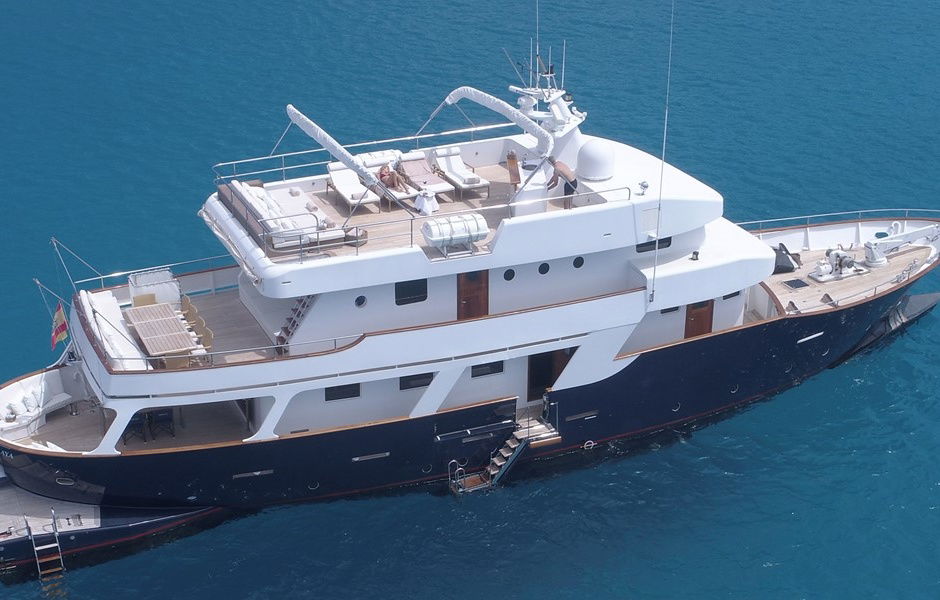
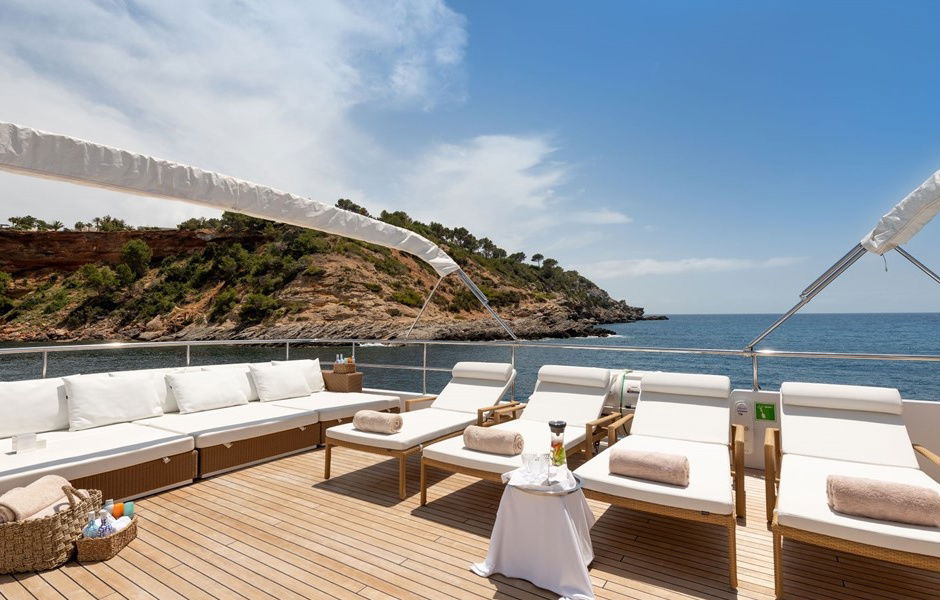

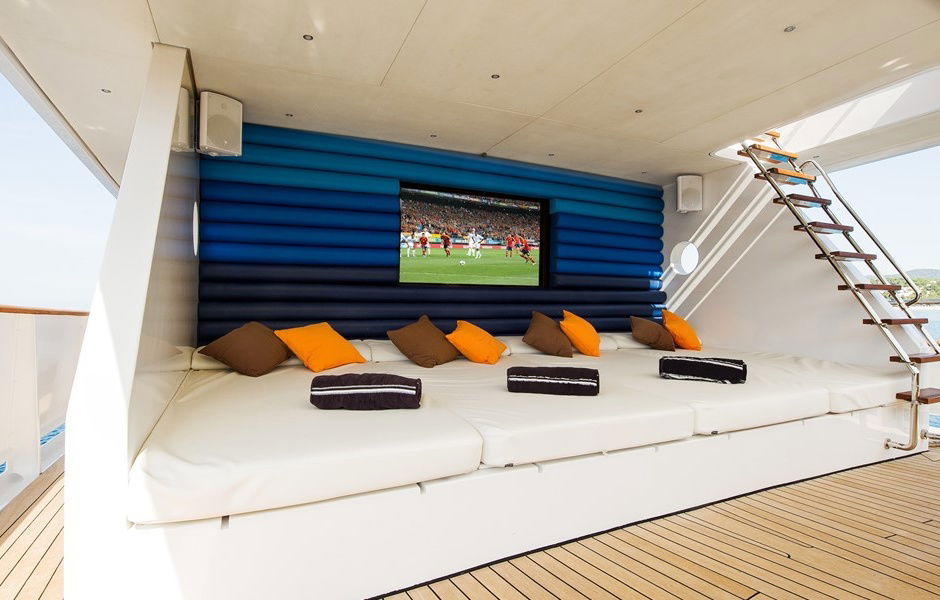
Images have been gathered from various sources and belong to their respective owners.
Review - Anastassiades & Tsortanides Semaya

MarineBroker
03/14/2024, 3:01 PM
1968 Anastassiades & Tsortanides Semaya: A Practical Guide to Understanding, Evaluating, and Preserving a Classic Boat
If you’ve been searching for information about the 1968 Anastassiades & Tsortanides Semaya, chances are you’re not just looking at a boat—you’re looking at a piece of maritime history. Boats like this often catch the eye because they have character, craftsmanship, and a story that newer fiberglass models just can’t match. But owning, restoring, or even evaluating a classic vessel like the 1968 Anastassiades & Tsortanides Semaya comes with a real challenge: how do you tell whether it’s a worthwhile project, a good purchase, or a boat that will become more work than you expected?
That’s the common problem with older boats. They can be beautiful, rare, and deeply rewarding, but they also require a sharper eye than modern boats. Hidden wear, outdated systems, and unclear maintenance history can turn excitement into frustration fast. The good news is that with the right approach, you can assess the boat properly, understand what matters most, and make smart decisions without getting overwhelmed.
In this guide, we’ll walk through the key things to know, what to inspect, and how to keep a classic boat like this in strong condition for years to come.
- What Makes the 1968 Anastassiades & Tsortanides Semaya Interesting
The first thing to understand is why a boat like the 1968 Anastassiades & Tsortanides Semaya draws attention in the first place. Classic boats often represent a specific era of design, where craftsmanship, proportions, and practical seakeeping were prioritized in a way that feels different from many modern production boats.
Anastassiades & Tsortanides is a name that stands out to people who appreciate traditional boatbuilding. Even if you’re not yet familiar with every detail of the builder’s history, the appeal usually comes from a few common traits:
- Strong visual character
- Traditional lines and proportions
- A sense of rarity
- Often solid construction for its time
- A boat that feels personal, not generic
For many enthusiasts, that combination is exactly what makes an older boat worth exploring. The challenge is that age and charm don’t automatically equal value. A classic boat should be evaluated on structure, maintenance, usability, and long-term costs.
- The Main Problem: Classic Beauty Can Hide Expensive Issues
When people look at a vintage boat like the 1968 Anastassiades & Tsortanides Semaya, they often focus on the exterior first. That’s natural. But the biggest mistake is assuming that a clean-looking boat is mechanically or structurally sound.
Older boats commonly hide problems in places that are easy to miss:
- Moisture intrusion in the hull or deck
- Corrosion in fasteners and fittings
- Aging electrical systems
- Engine wear or outdated propulsion components
- Weak points from previous repairs
- Interior deterioration from leaks or poor ventilation
This is where many buyers or owners get stuck. They want to enjoy the boat, but instead they end up dealing with surprise repairs, unclear documentation, and rising maintenance costs.
The solution is not to avoid classic boats altogether. It’s to inspect them with a structured plan and understand what matters most before committing time or money.
- How to Evaluate a 1968 Anastassiades & Tsortanides Semaya the Smart Way
If you’re considering this boat, your first job is to evaluate it as a system, not just as a hull. A classic boat is only as good as its structure, engine, rigging or propulsion setup, and maintenance history.
Here’s a practical approach.
- Start with the hull and structure
The hull is the foundation. Whether the boat is wood, fiberglass, or a mixed construction, look for evidence of stress, movement, or poor repairs.
Check for:
- Soft spots on deck surfaces
- Cracks around stress points
- Signs of water ingress
- Uneven surfaces or distortions
- Repairs that don’t match the surrounding material
If possible, tap-test suspected areas and inspect from both inside and outside. On older boats, hidden moisture can spread damage far beyond the visible area.
- Inspect the engine and mechanical systems
A classic boat can look amazing and still be expensive to operate if the engine is neglected. Even if the engine starts, that doesn’t mean it’s healthy.
Pay attention to:
- Oil condition and leaks
- Cooling system performance
- Exhaust smoke
- Unusual vibration
- Fuel line condition
- Maintenance records
If the engine is original, that can be a plus for authenticity, but it can also mean higher maintenance risk. In many cases, the best decision depends on whether the engine has been regularly serviced and whether parts are still available.
- Review the electrical system
Older boats often have outdated wiring, mixed components, or improvised repairs. This is one area where problems can become safety issues.
Look for:
- Brittle wiring insulation
- Corroded terminals
- Non-marine-grade components
- Overloaded circuits
- Poor grounding
- Signs of amateur modifications
A clean, labeled, and logically arranged electrical system is a good sign. If the wiring looks chaotic, budget for upgrades.
- Check fittings and hardware
Deck hardware, cleats, rails, winches, and through-hull fittings all matter. On a classic boat, even small fittings can tell you a lot about the overall condition.
Ask yourself:
- Are fittings secure?
- Is there corrosion around mounting points?
- Do bolts show rust or movement?
- Are seals intact?
- Has bedding compound failed?
Hardware issues are often early indicators of larger maintenance neglect.
- Why Documentation Matters More Than People Think
One of the most overlooked parts of buying or maintaining a classic vessel is paperwork. A boat like the 1968 Anastassiades & Tsortanides Semaya becomes much easier to assess when you have records.
Useful documents include:
- Maintenance logs
- Engine service records
- Ownership history
- Survey reports
- Repair invoices
- Registration and compliance documents
Why does this matter so much? Because records help separate a well-loved classic from a boat that has simply been patched together over time. They also help you estimate future costs more accurately.
If the documentation is incomplete, that doesn’t automatically mean the boat is a bad choice. But it does mean you should inspect more carefully and assume more risk in your decision.
- Common Mistakes People Make with Classic Boats
People are often drawn to older boats for emotional reasons, which is understandable. But that can lead to avoidable mistakes.
Here are some of the most common ones:
- Buying based on appearance alone
- Ignoring hidden moisture or corrosion
- Underestimating refit costs
- Assuming original systems are still reliable
- Skipping a professional survey
- Not checking parts availability
- Overestimating their own repair skills
A classic boat can absolutely be a rewarding ownership experience, but it should not be treated like a casual impulse purchase. The smarter approach is to think in terms of condition, usability, and long-term upkeep.
- A Practical Inspection Checklist for the 1968 Anastassiades & Tsortanides Semaya
If you’re viewing the 1968 Anastassiades & Tsortanides Semaya in person, use a simple checklist to stay focused. This helps you avoid getting distracted by cosmetics.
- Exterior
- Hull condition
- Deck softness
- Paint or gelcoat quality
- Signs of prior repairs
- Hardware corrosion
- Interior
- Moisture stains
- Odors that suggest leaks or mold
- Condition of bulkheads and joinery
- Ventilation quality
- Evidence of recent patchwork
- Mechanical
- Engine start-up behavior
- Cooling and exhaust performance
- Fuel system condition
- Steering response
- Bilge dryness and pump operation
- Electrical
- Battery age and condition
- Wiring organization
- Navigation light function
- Panel labeling
- Charging system performance
- Paperwork
- Ownership records
- Survey history
- Service logs
- Registration status
- Compliance issues
This kind of checklist makes the evaluation process much more manageable. It also helps you compare one boat against another in a fair way.
- If You Already Own One: How to Keep It in Good Shape
Owning a classic boat is different from owning a newer one. Routine care matters more, and small issues can become large ones if ignored.
Here’s how to stay ahead of problems.
- Keep moisture under control
Ventilation is a huge deal. Boats age faster when moisture is trapped inside.
Practical steps:
- Open hatches regularly
- Use dehumidifiers when stored indoors
- Check bilges often
- Repair leaks immediately
- Keep cushions and fabrics dry
- Stay ahead of corrosion
Saltwater environments are brutal on metal fittings and wiring.
To reduce damage:
- Rinse exposed hardware after use
- Inspect anodes if applicable
- Replace corroded fasteners early
- Use marine-grade replacements
- Apply protective coatings where appropriate
- Follow a maintenance calendar
Classic boats do best with regular, predictable attention.
A basic schedule might include:
- Monthly: check bilge, batteries, hoses, and leaks
- Seasonal: inspect hull, engine, and fittings
- Annual: service mechanical systems and review safety gear
- Every few years: assess wiring, seals, and structural areas
The exact schedule depends on use, storage, and build type, but consistency is the key.
- When a Restoration Makes Sense
Not every older boat needs a full restoration. Sometimes a careful refresh is enough. Other times, a deeper project is justified.
A restoration may make sense if:
- The hull is structurally sound
- The boat has strong historical or personal value
- Parts can still be sourced or fabricated
- You have the budget and patience for the work
- The finished boat will be used often enough to justify the effort
A full restoration may not make sense if:
- Structural damage is extensive
- The cost far exceeds market or personal value
- The systems are too outdated to modernize efficiently
- You need a boat that is ready to go immediately
For many owners, the best path is a phased approach: stabilize the boat first, then improve systems over time.
- How the 1968 Anastassiades & Tsortanides Semaya Fits Into Today’s Boating World
In a world full of mass-produced boats, a vessel like the 1968 Anastassiades & Tsortanides Semaya stands apart because it offers something different: identity. It’s the kind of boat that invites conversation, rewards careful ownership, and connects you to a more tactile era of boating.
That said, classic boats are not just museum pieces. They can still be useful, enjoyable, and practical if they are maintained correctly. The key is to respect the age of the vessel while making thoughtful upgrades where needed.
Modern improvements can often be added without destroying character, such as:
- Updated navigation electronics
- Improved battery management
- Safer wiring
- Better bilge monitoring
- More efficient lighting
- Refreshed safety equipment
The goal is not to modernize everything. It’s to make the boat reliable, safe, and enjoyable while preserving what makes it special.
- Tips for Buying with Confidence
If you’re in the market for a classic boat, confidence comes from process, not luck.
Use these tips:
1. Never skip a professional survey.
2. Assume hidden issues until proven otherwise.
3. Budget for repairs, even on a “good” boat.
4. Ask for service history and receipts.
5. Compare the boat’s condition to similar vintage vessels.
6. Walk away if the numbers stop making sense.
A good classic boat should feel exciting, but it should also feel understandable. If the condition, history, and cost all line up, that’s when the decision becomes easier.
- Final Thoughts on the 1968 Anastassiades & Tsortanides Semaya
The 1968 Anastassiades & Tsortanides Semaya is the kind of boat that appeals to people who value character, craftsmanship, and a more personal boating experience. But like any classic vessel, it deserves a careful, practical evaluation. The main challenge is not finding beauty—it’s finding reliability beneath it.
If you inspect the structure, review the systems, check the paperwork, and plan for maintenance, you’ll be in a much better position to enjoy the boat without unnecessary surprises. Whether you’re buying, restoring, or simply learning more, the smartest approach is patience and preparation. With the right care, a classic boat can remain rewarding for years and still feel special every time you step aboard.
If you want to go deeper, keep researching the boat’s history, consult a marine surveyor, and compare notes with other classic boat owners. That extra effort can make all the difference.
Specifications
General
Boat Type: Power Boats
Class Type: Mega Yacht
Specifications
Length: 101.71
Beam: 19.03
Draft: 7.55
Hull Material: Steel
Build
First Built: 1968
Propulsion
Fuel Type: Diesel
Engines: 2
Power: 240 HP
Brand: Rolls-Royce
Accomodation
Cabins: 5
PROS & CONS
What we appreciated
 Classic and elegant design reflecting 1960s yacht craftsmanshipHigh-quality materials and solid construction typical of Anastassiades & TsortanidesSpacious deck layout suitable for comfortable cruisingGood sailing performance for a vintage cruiserStrong community and enthusiast support for maintenance and restoration
What we didn’t appreciate
 Older boat may require significant maintenance and restorationLack of modern amenities and onboard technologyPossible difficulty in sourcing original or compatible replacement partsLess efficient hull design compared to modern yachtsPotentially higher operating costs due to age and upkeep
Upkeep Costs
Annual maintenance and repairs: $1,200 - $2,000
Docking and mooring fees: $500 - $2,000 per year
Insurance: $400 - $1,200 per year
Fuel costs: $300 - $1,000 per year (depending on usage)
Winter storage and haul-out: $600 - $1,500 per year

Rating
5.2
User
Score
Score
Driveability
Technology
Interior
Design
Similar Boats


MarineBroker
Download now for an immersive boat experience like never before! ⛵✨ Your journey begins with a simple click. 🌊📲
#SetSailSmart #DownloadNow
#SetSailSmart #DownloadNow

Subscribe
Copyright 2017 - 2026, Marinebroker.net, All Rights Reserved