Boat Type: Power Boats
Boat Class: Lobster Boat
Length: 54.63 ft
Berths: 8
Cabins: 3
Max Persons: 12
2013 Arcoa Sword 52: What to Know Before You Buy, Maintain, or Cruise It
The 2013 Arcoa Sword 52 is the kind of yacht that turns heads for all the right reasons: sleek lines, a sporty profile, and the promise of comfortable cruis...
Discover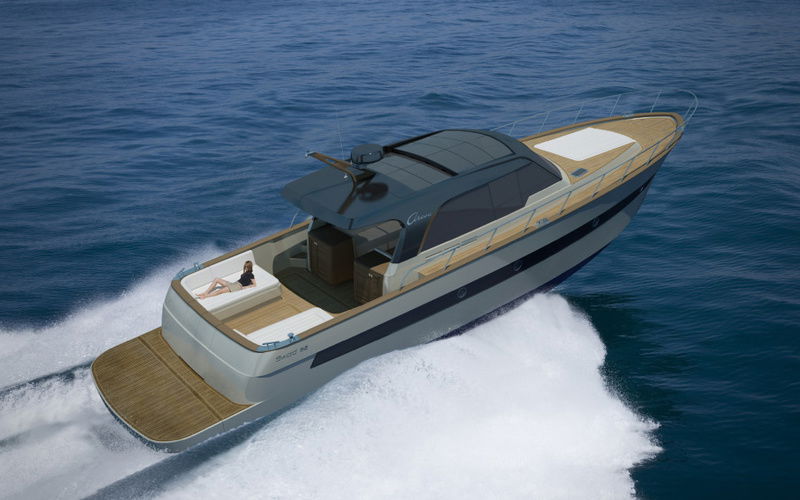


Images have been gathered from various sources and belong to their respective owners.
Review - Arcoa Sword 52

MarineBroker
04/25/2024, 7:35 AM
2013 Arcoa Sword 52: What to Know Before You Buy, Maintain, or Cruise It
The 2013 Arcoa Sword 52 is the kind of yacht that turns heads for all the right reasons: sleek lines, a sporty profile, and the promise of comfortable cruising with a bit of attitude. If you’re researching this model, chances are you’re trying to answer a practical question: is it the right boat for your kind of boating, and what should you watch out for before committing? That’s a smart place to start.
A yacht like the 2013 Arcoa Sword 52 can be a fantastic platform, but only if you understand its strengths, common ownership challenges, and the details that matter most during inspection and upkeep. Buyers often get distracted by cosmetics, glossy photos, and a strong spec sheet, then miss the stuff that really affects real-world enjoyment: maintenance history, engine condition, systems reliability, and how the boat fits your cruising style.
In this guide, we’ll break down what makes the 2013 Arcoa Sword 52 appealing, the most common issues to check, and the practical steps that help you avoid expensive surprises. Whether you’re shopping, comparing, or already own one, this will help you make a more informed decision.
- What Makes the 2013 Arcoa Sword 52 Stand Out
The Arcoa Sword 52 sits in a sweet spot for owners who want a yacht that feels sporty without giving up comfort. It’s typically appreciated for its strong visual presence, open deck layout, and the kind of performance-oriented design many buyers want in a 50-foot-class cruiser.
For people interested in the 2013 Arcoa Sword 52, the appeal usually comes down to a few things:
- A distinctive, modern profile
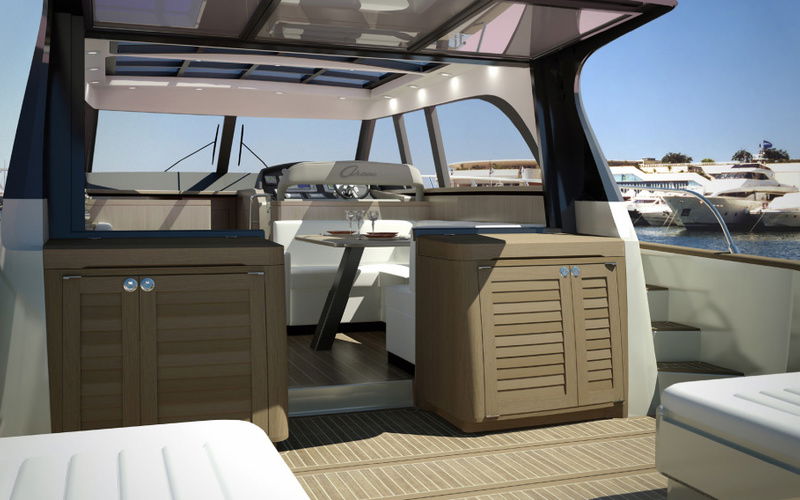
- Spacious social areas for day cruising and entertaining
- A layout that can work for weekend trips or longer coastal runs
- The feeling of a premium, well-finished European yacht
That said, the same features that make a boat attractive can also create ownership expectations. Owners often want more than just speed and style. They want reliability, manageable maintenance, and a boat that doesn’t become a money pit after purchase.
That’s where a realistic inspection and ownership plan matter.
- The Most Common Problem: Hidden Maintenance Costs
If there’s one issue that catches buyers off guard with a yacht like the 2013 Arcoa Sword 52, it’s not usually the hull shape or the cabin layout. It’s the hidden maintenance burden.
A 2013 model is old enough that wear items, electronics, upholstery, pumps, seals, and engine-service history become much more important than the brochure. Even a well-kept yacht can need a meaningful round of attention after years of use.
Common cost drivers include:
- Engine and drivetrain servicing
- Generator maintenance, if fitted
- Electrical troubleshooting
- Air conditioning and plumbing repairs
- Upholstery and exterior trim replacement
- Gelcoat, teak, and deck care
- Navigation electronics updates
Many buyers focus on purchase price and forget to budget for the first 12 months of ownership. That can lead to frustration, especially if the boat has been lightly used but not properly maintained.
A good rule of thumb is to treat the first season as a “reset year” unless the seller can prove recent, professional servicing.
- 2013 Arcoa Sword 52: What to Check Before You Buy
If you’re evaluating a 2013 Arcoa Sword 52 on the market, a careful inspection is where you save yourself the most money. A clean-looking yacht can still hide expensive problems.
Here’s what to pay close attention to:
- Engine hours and service records
Low hours are not automatically a good thing. A boat with low use but poor maintenance can be worse than one that’s been regularly run and serviced.
- Signs of water intrusion
Check around hatches, windows, deck fittings, and the transom. Water ingress can lead to electrical problems, soft spots, and structural damage.
- Electrical system condition
Look for corrosion, amateur wiring changes, and outdated batteries or chargers. On older yachts, electrical issues are a common source of headaches.
- Electronics age
Plotters, radar, autopilot, and displays may still work, but older systems can be slow, unsupported, or costly to replace.
- Upholstery and exterior materials
Sun damage shows up fast on seating, covers, and non-slip surfaces. Cosmetic wear can hint at how the boat has been stored and cared for.
- Bilge condition
A clean bilge is a good sign. Oil residue, standing water, or strong odors suggest neglect or unresolved mechanical issues.
- Sea trial behavior
During a sea trial, pay attention to vibration, smoke, temperature stability, steering response, and how the boat transitions at different speeds.
If possible, bring in a qualified marine surveyor and an independent mechanic. That expense is small compared with discovering a major issue after closing.
- Why Boat Condition Matters More Than Model Year
When people search for the 2013 Arcoa Sword 52, they often compare it with other yachts by year alone. But in reality, condition matters far more than age.
Two boats from the same year can have completely different ownership outcomes:
- One may have been stored properly, serviced on schedule, and upgraded carefully
- Another may have spent years exposed to weather with minimal maintenance
The first boat can be a pleasure to own. The second can become a constant repair project.
Here’s why condition beats year:
- Systems age differently depending on use
- Saltwater exposure accelerates corrosion
- Neglected seals and hoses can fail unexpectedly
- Upgrades can improve reliability more than cosmetic refits
- Documentation tells you how seriously the previous owner treated the vessel
If you’re comparing listings, prioritize:
1. Maintenance records
2. Survey results
3. Engine and generator history
4. Storage conditions
5. Evidence of professional servicing
That order is often more useful than color, upholstery, or even the number of onboard extras.
- The Practical Solution: Buy Smart, Then Maintain Consistently
The best way to avoid trouble with a 2013 Arcoa Sword 52 is simple: buy carefully, then stay ahead of maintenance.
That sounds obvious, but many ownership problems come from reactive rather than preventive care. Waiting until something fails usually costs more and creates more downtime.
A practical ownership approach looks like this:
- Inspect before you buy
Use a marine surveyor and mechanic who are familiar with performance cruisers and mid-size motor yachts.
- Build a launch checklist
Before the season starts, test batteries, pumps, navigation lights, safety gear, and fluid levels.
- Replace aging wear items early
Hoses, belts, impellers, anodes, and filters are cheaper to replace before failure.
- Keep a service log
Record every repair, oil change, and system update. This helps resale value too.
- Budget annually
Set aside a maintenance reserve so repairs don’t become emergencies.
- Upgrade strategically
Focus on reliability first: charging systems, batteries, pumps, and electronics that improve safety and usability.
This approach turns ownership from stressful to manageable.
- 2013 Arcoa Sword 52 Performance: What Owners Should Expect
A boat like the 2013 Arcoa Sword 52 is generally chosen for a balance of style and performance. While exact performance depends on engine configuration, load, sea state, and prop setup, buyers usually expect a confident cruising experience with enough power for quick passages.
Things that influence real-world performance include:
- Engine condition and tuning
- Propeller condition
- Hull cleanliness
- Weight from gear, water, and fuel
- Trim and trim-tab use
- Sea conditions
If performance feels sluggish, it’s not always a sign of a major mechanical issue. Sometimes the cause is as simple as fouled hull surfaces, overloaded storage, or aging props.
For best results:
- Keep the bottom clean
- Service running gear regularly
- Don’t ignore small vibrations
- Monitor fuel burn trends over time
- Compare current performance to prior logs if available
A well-maintained boat usually feels more responsive, more efficient, and less stressful to run.
- Comfort and Layout: Think About How You Actually Use the Boat
The 2013 Arcoa Sword 52 is attractive because it offers more than just movement through the water. It’s also about time onboard.
But the right boat is the one that fits your actual habits, not your dream version of boating.
Ask yourself:
- Do you entertain a lot at anchor?
- Are you planning day trips or overnight stays?
- Will you run the boat mostly short distances or longer coastal routes?
- Do you need easy access for family and guests?
- Is storage space important for toys, provisions, or cruising gear?
A yacht can look perfect on paper and still feel awkward if the layout doesn’t suit your routine. For example, a boat with great outdoor lounging may not be ideal if you want quiet overnight comfort. Likewise, a sporty helm setup may be great for an experienced owner but less practical for relaxed family cruising.
The smartest buyers choose based on use case, not just appearance.
- Common Ownership Mistakes to Avoid
Even experienced boaters can make avoidable mistakes when buying or running a yacht like the 2013 Arcoa Sword 52.
Here are some of the biggest ones:
- Skipping the survey
A visual inspection is not enough on a yacht of this age.
- Ignoring service records
No records usually means more risk, even if the boat looks clean.
- Underestimating electronics replacement costs
Modern marine electronics can be expensive, especially if multiple systems need upgrading.
- Buying based on low hours alone
Low hours without maintenance can signal long periods of inactivity and hidden deterioration.
- Focusing only on the asking price
The real cost includes refit, repairs, insurance, docking, and annual maintenance.
- Neglecting a trial run
A sea trial reveals issues that a dockside inspection can miss.
Avoiding these mistakes can save you a lot of time, money, and frustration.
- How to Make a Used 2013 Arcoa Sword 52 Feel New Again
If you already own one, or you’re considering a used example, a thoughtful refresh can make a huge difference.
You don’t need a full refit to improve the boat. Start with the highest-impact items:
- Service engines and generators
- Replace old batteries
- Inspect and renew hoses and clamps
- Update safety equipment
- Refresh worn covers and upholstery
- Clean or refinish teak and deck surfaces
- Upgrade navigation electronics if needed
- Check all pumps and alarms
These upgrades improve confidence, reliability, and comfort right away.
If you want the boat to feel more contemporary, prioritize items you use every trip. A new chartplotter, better charging setup, or improved cockpit covers often adds more day-to-day value than cosmetic changes.
- Is the 2013 Arcoa Sword 52 a Good Fit for You?
The 2013 Arcoa Sword 52 can be a great choice if you want a stylish, capable yacht and you’re willing to take maintenance seriously. It’s best suited to owners who appreciate design, enjoy regular boating, and understand that older premium boats need ongoing attention.
It may be a strong fit if you:
- Want a sporty, elegant cruising yacht
- Value onboard social space
- Plan to use the boat regularly
- Are comfortable budgeting for maintenance
- Prefer a boat with presence and character
It may be less ideal if you:
- Want the lowest possible upkeep
- Prefer ultra-simple ownership
- Don’t plan to use the boat often
- Are unwilling to inspect systems closely before purchase
In other words, this is a boat that rewards informed ownership.
- Final Thoughts on the 2013 Arcoa Sword 52
The 2013 Arcoa Sword 52 offers a compelling mix of style, performance, and onboard comfort, but like any used yacht, its real value depends on condition and maintenance history. The biggest challenge for buyers is usually not the model itself, but uncovering the true state of the boat before committing.
The good news is that this is manageable with the right approach. A proper survey, careful review of records, and a realistic maintenance budget go a long way. If you focus on the boat’s systems, not just its looks, you’ll be in a much better position to enjoy it without unpleasant surprises.
If you’re still researching, take the time to compare listings, ask detailed questions, and learn as much as you can about the boat’s service background. That extra effort can make all the difference when choosing a yacht you’ll actually enjoy owning.
Specifications
General
Boat Type: Power Boats
Class Type: Lobster Boat
Specifications
Length: 54.63
Beam: 14.93
Draft: 4.1
Hull Material: GRP
Build
First Built: 2013
Propulsion
Fuel Type: Diesel
Engines: 2
Power: 435 HP
Brand: Volvo
Accomodation
Berths: 8
Cabins: 3
PROS & CONS
What we appreciated
 Spacious and comfortable layout suitable for extended cruisingSolid build quality with reliable materialsEfficient hull design offering good fuel economyWell-appointed interior with quality finishesGood stability and seaworthiness for coastal and offshore use
What we didn’t appreciate
 Older model, may require updates to electronics and systemsLimited availability of parts due to less common brandPotentially higher maintenance costs for engine and systemsInterior design may feel dated compared to newer modelsRelatively heavy, which can affect speed and maneuverability
Upkeep Costs
Fuel: Approximately $5,000 - $15,000 per year depending on usage
Maintenance and Repairs: Around $10,000 - $20,000 per year
Docking and Storage: $5,000 - $12,000 per year
Insurance: $3,000 - $7,000 per year
Annual Survey and Equipment Upgrades: $2,000 - $5,000 per year
Rating
7.5
User
Score
Score
Driveability
Technology
Interior
Design
Similar Boats


MarineBroker
Download now for an immersive boat experience like never before! ⛵✨ Your journey begins with a simple click. 🌊📲
#SetSailSmart #DownloadNow
#SetSailSmart #DownloadNow

Subscribe
Copyright 2017 - 2026, Marinebroker.net, All Rights Reserved