Boat Type: Power Boats
Boat Class: Lobster Boat
Length: 46.49 ft
Berths: 4
Cabins: 2
Bathrooms: 2
Boat Database » Back Cove Yacths 41
Back Cove Yacths 41
Inboard Direct-Drive, Gas, 3x 725 HP
Power Boats 2014 Back Cove Yachts 41: What Buyers Need to Know Before Choosing This Downeast Cruiser
If you’ve been looking at the 2014 Back Cove Yachts 41, you’re probably drawn to the same things most boaters are: clean lines, practical la...
Discover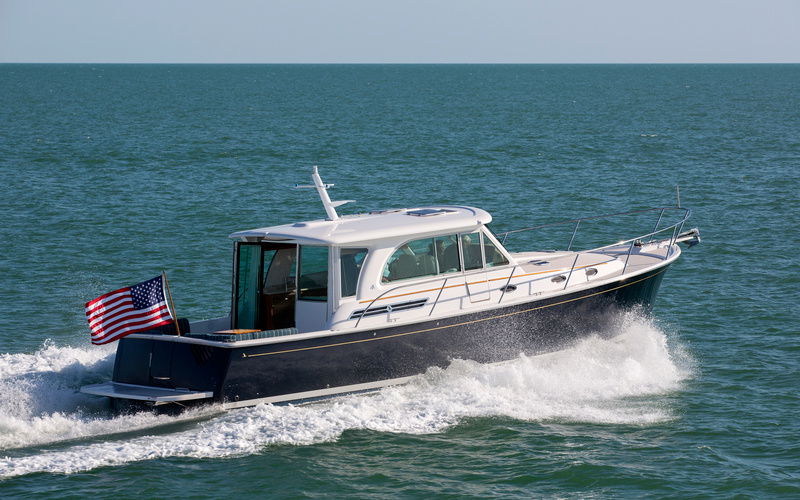

Images have been gathered from various sources and belong to their respective owners.
Review - Back Cove Yacths 41

MarineBroker
07/07/2024, 2:53 PM
2014 Back Cove Yachts 41: What Buyers Need to Know Before Choosing This Downeast Cruiser
If you’ve been looking at the 2014 Back Cove Yachts 41, you’re probably drawn to the same things most boaters are: clean lines, practical layout, solid offshore capability, and that easygoing Downeast style that feels just right for longer weekends on the water. The challenge, though, is that buying a used cruising yacht isn’t only about liking the look of it. It’s about knowing whether the boat fits your style of boating, whether its systems have been cared for, and whether the features you want are worth the maintenance that comes with them.
That’s where a lot of buyers get stuck. The 2014 Back Cove Yachts 41 is a well-regarded model, but like any used yacht, it can be a great purchase for the right owner and a frustrating one for someone who skips the homework. The good news is that most of the common concerns are manageable if you know what to look for. In this article, we’ll break down the boat’s strengths, common buyer questions, inspection tips, and practical ways to evaluate whether this model is the right fit for your cruising plans.
- What Makes the 2014 Back Cove Yachts 41 Stand Out
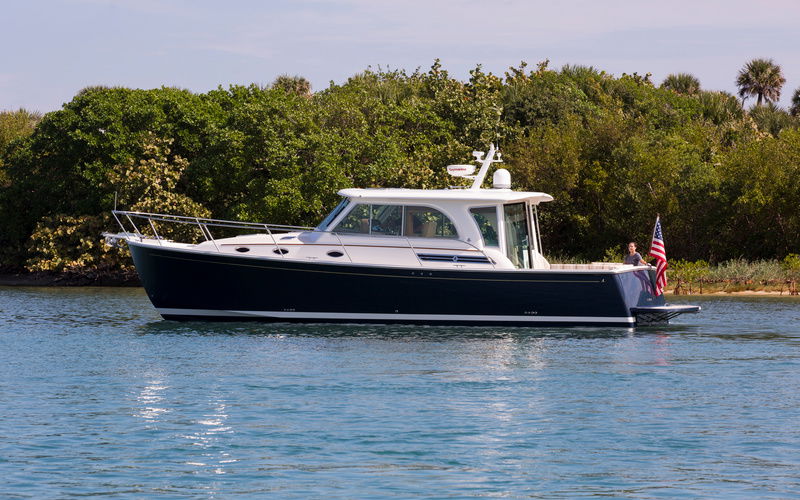
The 2014 Back Cove Yachts 41 sits in a sweet spot for boaters who want a capable cruiser without moving into a much larger, more complicated yacht. Back Cove has a strong reputation for building practical, handsome Downeast-style boats, and the 41 reflects that philosophy well.
This model was designed for owners who value comfort, efficiency, and easy handling. It’s not trying to be a flashy sport yacht. Instead, it focuses on what many experienced boaters actually want:
- A manageable size for coastal cruising
- A comfortable interior for extended weekends
- Good visibility from the helm
- A layout that supports relaxed entertaining and overnighting
For many buyers, the appeal is that it feels substantial without being overwhelming. It’s large enough for real cruising, but not so large that every outing becomes a project.
- The Main Problem Buyers Face With the 2014 Back Cove Yachts 41
The biggest issue isn’t usually whether the boat is attractive or well built. It’s figuring out whether a particular used example has been maintained properly and whether the boat’s setup matches the way you actually plan to use it.
A used 2014 Back Cove Yachts 41 may look ready to go, but hidden issues can affect ownership costs and enjoyment. Common concerns include:
- Engine and drivetrain maintenance history
- Generator and electrical system condition
- Signs of moisture intrusion around deck fittings or windows
- Wear in upholstery, hardware, and interior finishes
- Evidence of heavy use in saltwater without proper upkeep
In other words, the problem is not the model itself. The problem is separating a well-kept yacht from one that only looks good on the surface.
That’s why smart buyers focus on inspection, documentation, and real-world usability instead of just cosmetics.
- Why the 2014 Back Cove Yachts 41 Appeals to Cruisers
One of the reasons this model remains popular is that it offers a balanced boating experience. It’s comfortable enough for couple cruising or family weekends, but it still feels like a boat you can actually run without a huge crew.
Here are a few reasons it stands out:
- Practical cruising layout: The cabin arrangement is generally designed for easy living aboard, with a focus on usable space rather than wasted space.
- Downeast styling: The classic profile and protected helm area appeal to boaters who like timeless lines and a more traditional feel.
- Good visibility and control: Boats in this class often provide a confident helm position, which matters a lot in tight marinas or changing weather.
- Solid reputation: Back Cove has earned respect among buyers who want a boat that feels thoughtfully built rather than overly trendy.
For many owners, the boat’s value is in its balance. It doesn’t overpromise, and that’s a good thing.
- What to Check Before Buying a Used 2014 Back Cove Yachts 41
If you’re seriously considering this model, the best solution is a careful pre-purchase evaluation. That means looking at the boat the same way an experienced captain would: structurally, mechanically, and practically.
Start with these key areas:
- Engines and service records
Ask for complete maintenance documentation. Regular oil changes, filter replacements, coolant service, and drivetrain inspections matter more than a shiny engine room.
- Generator condition
If the boat has a generator, test it under load. Listen for abnormal vibration, smoke, or irregular startup behavior.
- Electrical system
Check batteries, chargers, inverter systems, shore power connections, and all breaker panels. A lot of used-boat headaches start here.
- Hull and deck
Look for stress cracks, repairs, blistering, or soft spots. Pay special attention around hatches, rail bases, and deck hardware.
- Windows and seals
Water intrusion around windows and openings can create expensive interior problems if ignored.
- Steering and controls
Make sure helm controls respond smoothly and that there’s no excess play in the system.
- Interior condition
Cabin wear can reveal how the boat was used. Heavy cosmetic wear isn’t always a dealbreaker, but it can point to overall neglect.
A surveyor and marine mechanic can help you confirm what the boat is really worth. That step alone can save a buyer from a very expensive mistake.
- Common Ownership Questions About the 2014 Back Cove Yachts 41
Many people considering this boat ask similar questions. Here are the big ones, with straightforward answers.
- Is it suitable for weekend cruising?
Yes, that’s one of its strongest use cases. The boat is well suited for short to medium-length trips, especially for couples or small families.
- Is it easy to handle?
For its size, it’s generally manageable, especially for owners with some cruising experience. Docking and close-quarters handling are still easier with bow and stern thrusters if equipped.
- Is it a good liveaboard?
It can work for short-term living or seasonal use, but buyers should evaluate storage, galley space, and climate control needs carefully before assuming it will suit full-time life.
- Does it hold value well?
Back Cove boats tend to have a good reputation in the used market, especially when they’ve been maintained properly and equipped with desirable cruising options.
- What matters most when buying one used?
Maintenance history, condition of systems, and how the boat was stored. A well-kept example is usually far more important than model year alone.
- How to Evaluate the Boat’s Real-World Fit
Even a well-maintained yacht can be the wrong boat if it doesn’t match your boating habits. That’s why the smartest buyers think beyond the spec sheet.
Ask yourself:
- Where will I use the boat most often?
- Am I mostly doing day trips, weekend cruising, or longer passages?
- Do I prefer simple operation or lots of onboard amenities?
- Will I be handling the boat mostly alone, with a partner, or with family?
- How much maintenance am I realistically willing to manage?
For example, a boater who spends most weekends making coastal runs and anchoring in calm harbors may love the 2014 Back Cove Yachts 41. A buyer hoping for a very low-maintenance, minimal-systems boat may find it more than they want to manage.
The right boat is the one that fits your routine, not just your dream.
- Practical Tips for Inspecting a 2014 Back Cove Yachts 41
A careful inspection doesn’t have to be intimidating. It just needs to be systematic.
Here’s a simple approach:
1. Start outside
Walk the deck slowly and look for anything uneven, loose, cracked, or repaired poorly.
2. Open every hatch and locker
Check for odors, dampness, corrosion, and signs of previous leaks.
3. Test all onboard systems
Run lights, pumps, electronics, air conditioning, refrigeration, and entertainment systems if installed.
4. Check engine room access
Good access is a big plus on any cruising yacht. It makes maintenance easier and often reflects thoughtful design.
5. Review the service log
A boat with organized records is usually a better bet than one with vague answers.
6. Take a sea trial
This is where you learn how the boat really behaves. Pay attention to acceleration, trim, vibration, noise, and visibility.
7. Bring the right professionals
A marine surveyor and, if needed, a mechanic should be part of the process. Their job is to find issues you won’t catch on a casual walk-through.
This process may feel slow, but it’s the fastest way to avoid regret later.
- What Owners Appreciate Most About This Model
Owners often talk about the same strengths when they describe the 2014 Back Cove Yachts 41.
They like:
- The classic Downeast look
- The comfortable, practical layout
- The feeling of confidence underway
- The boat’s ability to handle real cruising conditions
- The combination of style and usability
That mix is why this model continues to attract attention years after its release. It doesn’t rely on gimmicks. It earns interest by being a genuinely useful cruising boat.
For buyers who want a yacht that feels refined but not fussy, that matters a lot.
- Maintenance Considerations You Shouldn’t Ignore
Any used yacht comes with ongoing care, and the 2014 Back Cove Yachts 41 is no exception. The better you understand upkeep, the easier ownership becomes.
Pay attention to:
- Engine service intervals
- Bottom paint and running gear condition
- Battery health and charging systems
- Sealant around windows and fittings
- HVAC and plumbing maintenance
- Canvas, upholstery, and exterior trim wear
A lot of frustration can be prevented by staying ahead of small issues. For example, a minor leak around a fitting may seem harmless at first, but over time it can affect wiring, insulation, or interior joinery.
The practical solution is simple: build a maintenance routine and stick to it. Boats that are used regularly and cared for consistently tend to age much better than boats that sit unattended.
- Who This Boat Is Best For
The 2014 Back Cove Yachts 41 is a strong fit for buyers who want a cruising boat with character and substance.
It may be ideal if you:
- Enjoy coastal cruising and weekend trips
- Want a traditional Downeast-style yacht
- Prefer a boat that feels stable and purposeful
- Value comfort without moving into a massive vessel
- Are willing to maintain a real cruising boat properly
It may be less ideal if you:
- Want ultra-modern styling and high-tech features above all else
- Need very large sleeping or entertaining spaces
- Prefer a boat that requires minimal system management
- Want something extremely simple and stripped down
That doesn’t make it a better or worse boat overall. It just means the boat works best for a specific kind of owner.
- The Best Solution: Buy the Right Example, Not Just the Right Model
If there’s one takeaway here, it’s this: the 2014 Back Cove Yachts 41 is best approached as a condition-driven purchase. The model has plenty going for it, but the individual boat matters far more than the brochure.
The smartest path is:
- Focus on maintenance records
- Inspect the boat carefully
- Sea trial it in realistic conditions
- Compare asking price against condition and upgrades
- Don’t rush because the boat looks clean on the surface
When buyers take that approach, they’re much more likely to end up with a yacht they truly enjoy.
- Final Thoughts on the 2014 Back Cove Yachts 41
The 2014 Back Cove Yachts 41 is a compelling choice for boaters who want a capable, comfortable, and classic-looking cruising yacht. Its real strength lies in balance: it offers enough space and comfort for meaningful trips, while still feeling practical and manageable for experienced owners.
The main challenge is not finding the model itself, but finding a well-maintained example that fits your boating style. With a careful inspection, good records, and a realistic understanding of ownership, this boat can be a very rewarding choice. If you’re exploring one now, take your time, ask the right questions, and compare several examples before making a decision. That extra effort is usually what turns a good boat search into a great one.
Specifications
General
Boat Type: Power Boats
Class Type: Lobster Boat
Specifications
Length: 46.49
Beam: 14.01
Draft: 3.74
Hull Material: GRP
Build
First Built: 2014
Propulsion
Fuel Type: Gas
Engines: 3
Power: 725 HP
Brand: shaft drive
Accomodation
Berths: 4
Cabins: 2
Bathrooms: 2
PROS & CONS
What we appreciated
 Classic Downeast styling with a timeless designSpacious and well-appointed interior with quality finishesEfficient and reliable diesel engine optionsGood fuel economy for its size and classStable and comfortable ride in various sea conditions
What we didn’t appreciate
 Higher price point compared to similar-sized boatsLimited cockpit space for larger groupsNot designed for high-speed performanceRelatively heavy, which may affect trailering and maneuverabilitySome owners report limited storage space below deck
Upkeep Costs
Fuel: Approximately $5,000 - $8,000 per year depending on usage
Maintenance and repairs: $7,000 - $12,000 per year
Insurance: $1,500 - $3,000 per year
Dockage and marina fees: $4,000 - $10,000 per year
Winterization and storage: $1,000 - $3,000 per year
Rating
7.5
User
Score
Score
Driveability
Technology
Interior
Design
Similar Boats


MarineBroker
Download now for an immersive boat experience like never before! ⛵✨ Your journey begins with a simple click. 🌊📲
#SetSailSmart #DownloadNow
#SetSailSmart #DownloadNow

Subscribe
Copyright 2017 - 2026, Marinebroker.net, All Rights Reserved