Boat Type: Power Boats
Boat Class: Mega Yacht
Length: 104 ft
Berths: 6
Cabins: 4
Bathrooms: 3
Max Persons: 8
Boat Database » Sanlorenzo Notos
Sanlorenzo Notos
Inboard Direct-Drive, Diesel, 2x 2435 HP
Power Boats 2010 Sanlorenzo Notos: What Buyers Should Know Before Making a Move
If you’ve been searching for the 2010 Sanlorenzo Notos, you’re probably already aware that this isn’t just another yacht listing. A Sanlorenzo from this era sits...
Discover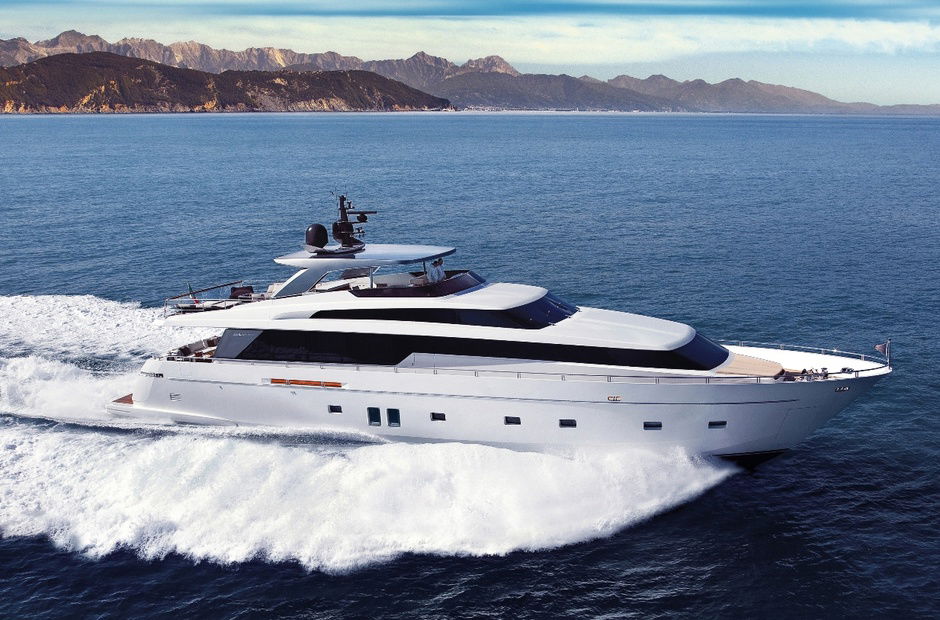

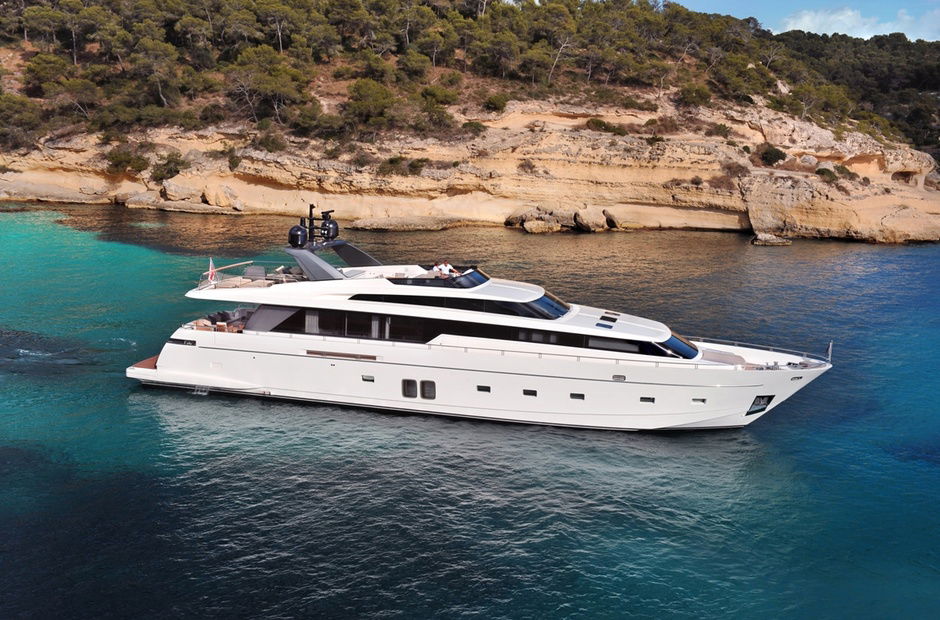
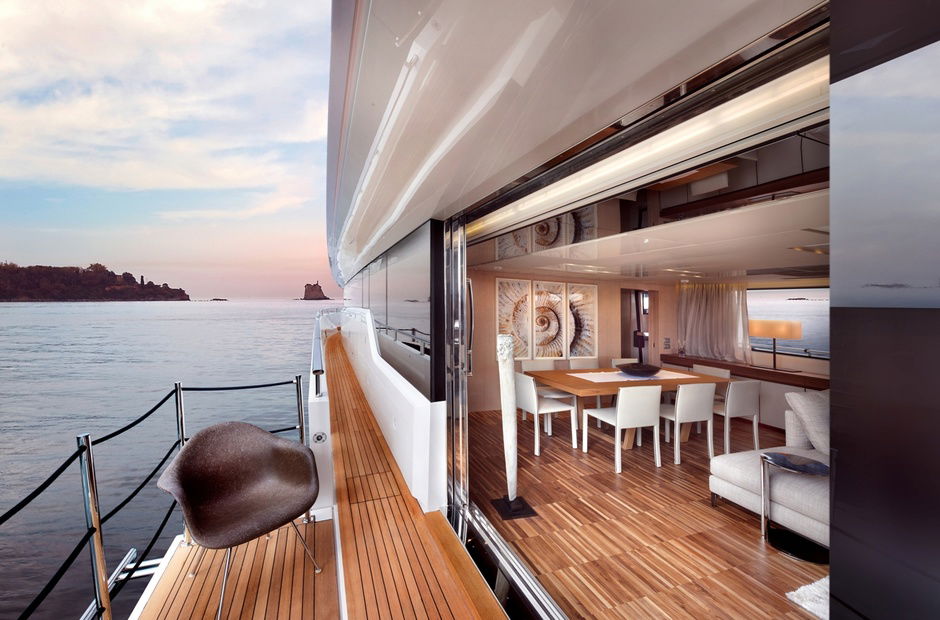
Images have been gathered from various sources and belong to their respective owners.
Review - Sanlorenzo Notos

MarineBroker
01/01/2024, 10:06 AM
2010 Sanlorenzo Notos: What Buyers Should Know Before Making a Move
If you’ve been searching for the 2010 Sanlorenzo Notos, you’re probably already aware that this isn’t just another yacht listing. A Sanlorenzo from this era sits in a sweet spot for many buyers: modern enough to feel current, but old enough that smart value can sometimes be found if you know what to look for. The challenge is that luxury yachts don’t always tell the full story in photos or spec sheets. Two boats with similar layouts and engine hours can have very different real-world condition, maintenance history, and ownership costs.
That’s where many prospective buyers get stuck. They may love the design, the brand reputation, and the layout of the 2010 Sanlorenzo Notos, but they’re unsure how to judge whether it’s a strong purchase or a future headache. The good news is that the answer usually comes down to a few practical checks: understanding the yacht’s build quality, reviewing its maintenance records, inspecting key systems, and matching the boat to your intended use. With the right approach, you can separate a polished listing from a genuinely solid yacht.
- Why the 2010 Sanlorenzo Notos Still Gets Attention
Sanlorenzo has long been respected for building semi-custom and custom yachts with a strong emphasis on craftsmanship, clean styling, and owner-focused layouts. A 2010 model sits in a particularly interesting category because it often offers a more traditional build approach than many newer production yachts, while still delivering the comfort and prestige buyers expect.
For many people, the appeal is simple:
- You get a proven yacht from a respected Italian builder.
- The styling is still attractive and relevant.
- The onboard spaces often feel more refined than mass-market alternatives.
- There may be better value compared with newer yachts of similar size.
That said, the age of the vessel matters. By 2010, systems like electronics, stabilizers, air conditioning, and entertainment equipment may have already been upgraded once or twice, or they may be nearing the point where replacement becomes necessary. So the real question is not just whether the 2010 Sanlorenzo Notos is desirable, but whether it has been maintained in a way that preserves that desirability.
- The Main Problem Buyers Face: Hidden Condition vs. Visible Appeal
The biggest mistake people make when considering a yacht like the 2010 Sanlorenzo Notos is focusing too heavily on appearance. A freshly polished hull, updated cushions, and attractive photos can make a vessel look ready to cruise anywhere. But the expensive issues are often hidden below the surface.
Common problems buyers run into include:
- Incomplete maintenance records
- Aging electrical and navigation systems
- Water intrusion around windows, decks, or fittings
- Engine wear that isn’t obvious during a short sea trial
- Outdated safety or compliance equipment
- Deferred cosmetic repairs masking deeper structural issues
This is especially important on a yacht that is more than a decade old. Even if the boat has relatively low hours, age alone affects hoses, seals, pumps, batteries, and electronics. In other words, the boat may look “good enough” while still needing a meaningful budget for recommissioning.
The practical solution is to evaluate the yacht as a system, not just as a product. Think beyond the listing and ask: how has it been cared for, what will it need next, and does the asking price reflect that reality?
- Understanding the 2010 Sanlorenzo Notos as a Yacht Category
Before diving into inspections and maintenance, it helps to understand what kind of yacht you’re looking at. Sanlorenzo yachts are known for being built with a strong focus on layout customization, interior finish quality, and owner comfort. A 2010 model may offer features such as:
- Spacious salon and dining areas
- Private guest cabins with ensuite heads
- A well-designed galley
- Crew accommodations on larger configurations
- Flybridge or upper deck entertaining areas, depending on model type
- Solid cruising range and a comfortable ride
For buyers, that means the 2010 Sanlorenzo Notos may be a strong fit if you want a yacht that feels more tailored and less generic. But because these boats are often semi-custom, two examples from the same year can differ in cabinetry, equipment packages, and onboard systems.
This is why “model year” alone doesn’t tell the full story. The condition of the specific yacht matters much more than the badge on the side.
- What to Check First: Maintenance History
If you only do one thing before deciding on a yacht like the 2010 Sanlorenzo Notos, make it a careful review of maintenance records. A well-maintained yacht is usually easy to spot on paper.
Look for:
- Engine service logs
- Generator maintenance records
- HVAC servicing
- Bottom paint and haul-out history
- Battery replacement dates
- Oil analysis reports, if available
- Documentation for electronics upgrades
- Records of repairs to pumps, seals, or stabilizers
A clean maintenance trail tells you the owner has likely treated the yacht as a serious asset, not just a weekend toy. Missing records don’t automatically mean trouble, but they do mean more risk. If the seller can’t clearly explain when major systems were last serviced, assume you’ll need to budget for catch-up work.
A practical rule: if the paperwork is vague, the inspection needs to be more thorough.
- Key Areas to Inspect on a 2010 Sanlorenzo Notos
A yacht can look excellent in a walkthrough and still have costly issues. Here are the main areas that deserve attention.
- Engines and propulsion
Even if the engines start smoothly, a proper mechanical survey should check:
- Oil condition
- Coolant condition
- Exhaust smoke
- Leaks around seals and hoses
- Mount wear
- Transmission performance
- Engine room ventilation
Engine hours matter, but they don’t tell the whole story. A 2010 yacht with higher hours and excellent maintenance can be a better buy than a lower-hour boat that sat unused for long periods.
- Electrical systems
Older yachts often need attention in the electrical department. Check:
- Battery banks
- Charging systems
- Shore power connections
- Circuit protection
- Wiring condition
- Corrosion in panels and connections
Electrical issues can be annoying at best and dangerous at worst. On a yacht of this age, a surveyor should verify that upgrades or modifications were done professionally.
- Plumbing and freshwater systems
Look for signs of leaks, odors, or weak water pressure. Test:
- Toilets
- Showers
- Sink drains
- Water pumps
- Holding tank systems
Small plumbing issues can become persistent headaches if ignored.
- Exterior structure and deck condition
Inspect:
- Window seals
- Deck fittings
- Railings
- Non-skid surfaces
- Soft spots
- Signs of moisture intrusion
Water intrusion is one of the most expensive issues to address, so this area deserves careful attention.
- Interior condition
Cabinetry, upholstery, and flooring can reveal how the yacht has been used. Heavy wear in high-traffic areas may be normal, but mismatched repairs or swelling around joinery can signal moisture problems.
- How to Judge Whether the Asking Price Makes Sense
Price is where many buyers get emotionally involved. They fall in love with the yacht and start rationalizing the number. A better approach is to compare the price to the total cost of ownership, not just the sticker amount.
When evaluating the 2010 Sanlorenzo Notos, consider:
- Purchase price
- Survey and sea trial costs
- Immediate repairs or upgrades
- Annual maintenance
- Insurance
- Dockage or marina fees
- Crew costs, if applicable
- Fuel consumption
- Refit reserve budget
A yacht that seems slightly more expensive but has recent upgrades and strong records may actually be the better financial decision. On the other hand, a “cheap” yacht can become expensive quickly if it needs electronics, soft goods, mechanical service, and cosmetics all at once.
One useful strategy is to create a post-purchase budget before making an offer. That budget should include both expected and surprise costs. If the numbers still work, you’re in a much safer position.
- The Sea Trial: What It Should Tell You
A sea trial is not just a fun ride. It’s a diagnostic opportunity.
During the trial, pay attention to:
- Engine startup behavior
- Noise and vibration levels
- Steering response
- Acceleration and throttle balance
- Temperature stability
- Generator performance under load
- Air conditioning operation
- Navigation system functionality
- Stabilizer performance, if fitted
If possible, run the yacht in different conditions. Calm water is useful, but you also want to understand how it behaves at cruising speed and during maneuvering. Docking behavior can reveal issues with thrusters, controls, or visibility.
If the seller rushes the sea trial or discourages deeper testing, take that seriously. A proper trial should make you more confident, not more confused.
- Why Surveyors Matter More Than Ever on a 2010 Yacht
A professional survey is one of the best investments you can make. This is especially true for a yacht like the 2010 Sanlorenzo Notos, where build quality may be excellent but age-related wear is still a factor.
A surveyor can help identify:
- Structural concerns
- Moisture intrusion
- Mechanical wear
- Safety issues
- Compliance gaps
- Evidence of poor repairs
The best surveys are paired with a mechanical inspection and, if needed, an electronics review. That gives you a more complete picture of the yacht’s real condition.
If the survey uncovers issues, don’t panic. Most yachts have findings. The important part is whether the issues are manageable, fairly priced, and consistent with the boat’s age and asking price.
- Practical Ways to Reduce Risk Before Buying
If you’re seriously considering the 2010 Sanlorenzo Notos, here are some simple ways to protect yourself.
- Ask for full records early
Don’t wait until the final stages. Ask for logs, invoices, and upgrade history as soon as possible.
- Hire the right experts
Use a surveyor and mechanic who are experienced with larger motor yachts, not just smaller recreational boats.
- Budget for immediate work
Even a strong boat may need service after purchase. Plan for it.
- Verify equipment operation
Systems that “should work” are not the same as systems that have been tested under load.
- Check for recent refit work
A recent refit can add value, but only if the work was documented and completed well.
- Match the yacht to your use case
A yacht that works beautifully for weekend cruising may not be ideal for extended trips or charter-style use.
- Common Buyer Scenarios and What They Mean
Different buyers will evaluate the 2010 Sanlorenzo Notos differently.
- The first-time large yacht buyer
You’ll want extra support from a surveyor, captain, or broker who can explain operating costs and maintenance priorities in plain language.
- The experienced owner
You may care more about layout, handling, and refit potential. In that case, focus on mechanical condition and upgrade flexibility.
- The value-conscious buyer
Your priority should be total cost of ownership. A slightly higher purchase price can still be the smarter deal if the yacht is better maintained.
- The lifestyle buyer
If the goal is family cruising and entertaining, comfort, noise levels, and usable deck space may matter more than raw performance numbers.
Knowing your priorities helps you avoid overpaying for features you won’t use or underestimating the importance of systems you’ll depend on.
- When the 2010 Sanlorenzo Notos Is a Strong Fit
This yacht may be a good match if you want:
- A respected luxury brand with strong build quality
- A layout that feels more customized than mass-produced
- A vessel with potential value in the pre-owned market
- A comfortable cruising platform with elegant design
- A yacht that can be upgraded strategically over time
It tends to make the most sense for buyers who are willing to inspect carefully and invest in proper due diligence. If you take the time to verify condition, the 2010 Sanlorenzo Notos can be more than just a beautiful yacht—it can be a practical one too.
- Smart Negotiation Tips for Buyers
Once you’ve completed your inspections, use the findings to negotiate realistically.
You can often negotiate based on:
- Needed mechanical service
- Cosmetic restoration
- Outdated electronics
- Upholstery replacement
- Missing documentation
- Deferred maintenance
- Refit recommendations
Avoid trying to “win” the negotiation at all costs. The goal is not to squeeze every dollar out of the seller. The goal is to arrive at a fair price that reflects the yacht’s true condition and your likely future expenses.
A calm, fact-based negotiation usually works better than an emotional one.
- Final Thoughts on Ownership Expectations
Owning a yacht like the 2010 Sanlorenzo Notos is about more than the purchase. It’s about ongoing care, planning, and realistic expectations. If you buy with your eyes open, you’re much more likely to enjoy the boat rather than feel burdened by it.
The best ownership experience usually comes from:
- Knowing the yacht’s history
- Staying ahead of maintenance
- Using qualified professionals
- Keeping a reserve budget
- Treating the boat as a system, not just a luxury item
That mindset makes the difference between a stressful purchase and a rewarding one.
The 2010 Sanlorenzo Notos can be a compelling option for buyers who appreciate quality, style, and thoughtful design. But the smartest path is not to buy based on appearance alone. Focus on records, surveys, and real condition, and you’ll be far better positioned to make a confident decision.
- Conclusion
The 2010 Sanlorenzo Notos stands out because it combines prestige, craftsmanship, and practical cruising appeal in a way that still feels relevant today. The main challenge for buyers is separating visible polish from true underlying condition. By reviewing maintenance records, inspecting key systems, completing a proper sea trial, and budgeting realistically, you can reduce risk and make a much better decision.
If you’re considering this yacht, take your time and lean on expert advice where needed. A careful approach now can save a lot of frustration later. For anyone exploring pre-owned luxury yachts, learning how to evaluate condition and ownership costs is just as important as finding the right model.
Specifications
General
Boat Type: Power Boats
Class Type: Mega Yacht
Specifications
Length: 104
Beam: 23.29
Draft: 6.56
Hull Material: GRP
Build
First Built: 2010
Propulsion
Fuel Type: Diesel
Engines: 2
Power: 2435 HP
Brand: MTU
Accomodation
Berths: 6
Cabins: 4
Bathrooms: 3
PROS & CONS
What we appreciated
 Elegant and timeless Italian designSpacious and luxurious interior accommodationsHigh-quality craftsmanship and materialsGood seakeeping abilities for a vessel of its sizeWell-equipped with modern navigation and comfort systems
What we didn’t appreciate
 Older model, may require more maintenance and upgradesFuel consumption can be high for extended cruisingLimited availability of parts due to age and brand specificitySmaller engine options compared to newer modelsPotentially higher operating costs depending on usage
Upkeep Costs
Fuel: Approx. $5,000 - $15,000 annually depending on usage
Maintenance and Repairs: $20,000 - $50,000 annually
Crew Salaries: $100,000 - $200,000 annually (if crewed)
Docking and Marina Fees: $30,000 - $60,000 annually
Insurance: $15,000 - $30,000 annually
Rating
8.0
User
Score
Score
Driveability
Technology
Interior
Design
Similar Boats


MarineBroker
Download now for an immersive boat experience like never before! ⛵✨ Your journey begins with a simple click. 🌊📲
#SetSailSmart #DownloadNow
#SetSailSmart #DownloadNow

Subscribe
Copyright 2017 - 2026, Marinebroker.net, All Rights Reserved