Boat Database » Aquaspirit RIBs 350 Eco
Aquaspirit RIBs 350 Eco
Jet Drive, Electric, 1x 15 HP
Power Boats 2022 Aquaspirit RIBs 350 Eco: A Practical Guide to Choosing, Using, and Getting the Most from a Compact RIB
If you’ve been looking at the 2022 Aquaspirit RIBs 350 Eco, chances are you’re trying to solve a very common boating prob...
Discover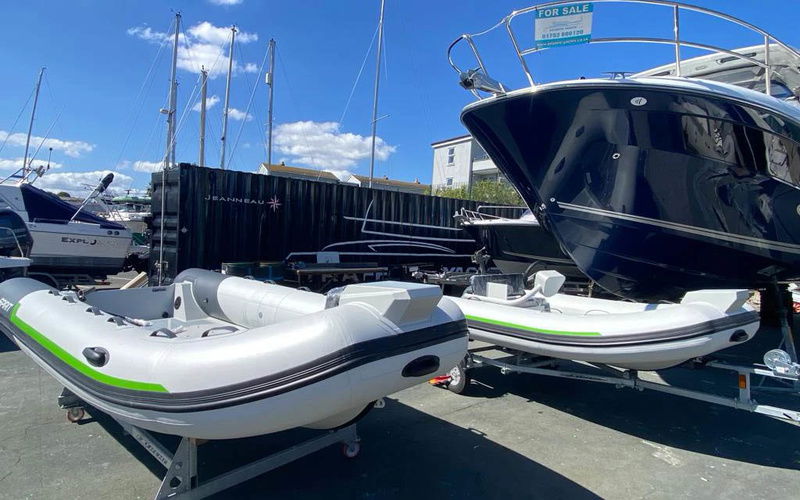
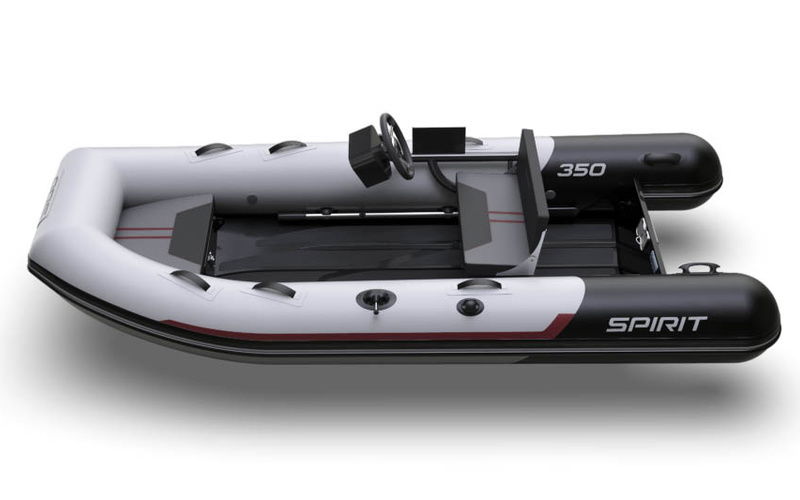
Images have been gathered from various sources and belong to their respective owners.
Review - Aquaspirit RIBs 350 Eco

MarineBroker
04/05/2024, 1:22 AM
2022 Aquaspirit RIBs 350 Eco: A Practical Guide to Choosing, Using, and Getting the Most from a Compact RIB
If you’ve been looking at the 2022 Aquaspirit RIBs 350 Eco, chances are you’re trying to solve a very common boating problem: how to get a lightweight, easy-to-handle inflatable boat that still feels solid, safe, and capable on the water. That’s a tricky balance. Go too small or too flimsy, and you lose confidence. Go too heavy or too complicated, and the boat becomes a hassle to launch, tow, store, or use often.
That’s where compact RIBs like the 2022 Aquaspirit RIBs 350 Eco come into the picture. Boats in this size range are popular for tenders, day trips, fishing, and exploring calm to moderate waters, but they also come with questions. Is it big enough? What kind of engine works best? How do you keep it efficient without giving up performance?
This article breaks down the practical side of owning and using a compact RIB like this one. We’ll look at the real-world challenges people face, what matters most when choosing a setup, and how to make a small RIB work better for your needs.
- Why People Choose a Compact RIB Like the 2022 Aquaspirit RIBs 350 Eco
A 3.5-meter RIB is often the sweet spot for boaters who want something manageable without feeling limited. It’s small enough to be practical, but rigid enough to offer better performance than a basic inflatable.
For many owners, the appeal comes down to convenience.
A boat this size is usually easier to:
- Launch with minimal help
- Tow behind a smaller vehicle
- Store in a garage, yard, or marina space
- Handle solo or with one other person
- Use as a tender or short-trip runabout
The “Eco” idea also matters to a lot of buyers. Not necessarily in a marketing sense, but in the practical sense of wanting lower fuel use, simpler operation, and less overall hassle. Smaller RIBs are often chosen by people who want boating to feel accessible rather than demanding.
If your goal is quick outings, harbor runs, fishing trips, or a dependable dinghy-style setup, a compact model like the 2022 Aquaspirit RIBs 350 Eco can make a lot of sense.
- The Main Problem: Finding the Right Balance Between Size, Performance, and Ease of Use
The biggest issue with small RIBs is not whether they work. It’s whether they work well enough for your actual boating habits.
Many buyers discover that a boat looks perfect on paper, but in real life it may be:
- Too tight for gear and passengers
- Too sensitive to load changes
- Underpowered with the wrong engine
- Harder to trim and balance than expected
- Less comfortable in chop than they hoped
On the flip side, some people overbuy. They choose a larger, heavier boat because they want “room to grow,” then end up using it less because it’s inconvenient.
That’s why the 2022 Aquaspirit RIBs 350 Eco is interesting. It sits in a category where practicality matters more than pure size. The key is understanding what this type of boat is best at, and where its limits are.
- What a 350-Class RIB Is Best At
A 350-class RIB is usually best suited to short and medium trips, protected waters, and light-to-moderate use. It’s the kind of boat that shines when you want fast setup and simple operation.
Typical strengths include:
- Easy handling at launch and recovery
- Good stability for its size
- Efficient use with a small outboard
- Better ride quality than a soft inflatable
- Versatility for transport, tender duties, and light recreation
This makes it a strong option for:
- Coastal cruising in calm conditions
- Marina or harbor transport
- Fishing in sheltered areas
- Exploring rivers, lakes, and estuaries
- Use as a yacht tender
The important thing is to match expectations to the boat’s size. A compact RIB can do a lot, but it’s not trying to replace a full-size family day boat.
- 2022 Aquaspirit RIBs 350 Eco: What to Pay Attention to Before Buying or Using
If you’re considering the 2022 Aquaspirit RIBs 350 Eco, the smartest move is to focus on the details that affect everyday use.
Here are the main things to think about:
- Weight and portability
Even when a boat is “small,” the actual weight can still surprise people. Check whether you can move it comfortably on land, load it onto a trailer, or launch it without extra help.
- Engine compatibility
A compact RIB needs the right power match. Too little power can make it sluggish. Too much power can make it harder to control or less efficient.
- Payload
Don’t just think about passenger count. Include fuel, anchor, safety gear, coolers, bags, and any fishing equipment. A small boat fills up faster than many people expect.
- Storage space
Measure where the boat will live when not in use. A compact RIB is only convenient if storage is genuinely easy.
- Intended use
A tender, a fishing platform, and a family fun boat are all slightly different jobs. The best setup depends on which one matters most.
- How to Choose the Right Setup for a Compact RIB
A lot of frustration with small boats comes from poor setup rather than the boat itself. If you want the best experience from something like the 2022 Aquaspirit RIBs 350 Eco, the setup matters just as much as the hull.
Here’s a practical checklist.
- Choose the right outboard
A small, reliable engine is usually better than chasing top speed. For a boat this size, smooth acceleration and easy starting often matter more than raw horsepower.
- Keep the load realistic
It’s tempting to bring everything “just in case.” But compact RIBs perform best when they’re not overloaded. Pack only what you need for the trip.
- Balance the weight
Sit passengers and place gear so the boat trims properly. Uneven loading can make even a stable RIB feel awkward or inefficient.
- Use the right prop and fuel setup
A properly matched propeller and clean fuel system can improve efficiency, handling, and reliability.
- Test in calm water first
Before taking a new setup into rougher conditions, spend time learning how the boat responds to throttle, turns, and weight shifts.
- Practical Ways to Make a Small RIB Feel Bigger
You can’t change the physical size of the boat, but you can make it feel more usable.
A few simple habits help a lot:
- Store gear in soft bags instead of hard boxes
- Use compact safety equipment
- Keep lines and fenders neatly managed
- Avoid carrying unnecessary fuel or heavy items
- Plan short, efficient trips instead of overpacking for long ones
Also, think about seating and movement. In a small RIB, clutter makes the boat feel cramped fast. Keeping the deck clean and organized can make a surprising difference in comfort.
If you use the boat regularly, consider making a simple “go bag” with essentials like:
- Paddles or emergency backup
- Basic tools
- First aid kit
- VHF or communication device
- Dry storage for documents and phone
- Spare line and a small anchor setup
That way, you’re not rebuilding your kit every time you head out.
- Is the 2022 Aquaspirit RIBs 350 Eco Good for Beginners?
For many beginners, a compact RIB is actually a very sensible starting point. It’s easier to learn on than a larger, more demanding boat, especially if your boating will happen in sheltered waters.
The reasons are pretty straightforward:
- Simpler handling
- Lower fuel use
- Easier launching and docking
- Less intimidating than a large rigid boat
- More forgiving for short trips and practice
That said, beginners still need to respect the limits of any small craft. A light boat can move quickly and react sharply to wind, waves, and passenger movement.
If you’re new to boating, focus on:
- Learning throttle control
- Practicing slow-speed maneuvering
- Understanding weather and tide conditions
- Checking local rules and safety requirements
- Keeping trips short until you build confidence
A boat like the 2022 Aquaspirit RIBs 350 Eco can be a great learning platform if used in the right environment.
- Common Mistakes People Make with Compact RIBs
A lot of issues with small RIBs are avoidable. The most common mistakes usually come from unrealistic expectations or poor preparation.
Here are the big ones:
- Overloading the boat
This is probably the most common issue. Even if the boat technically floats fine, too much weight can hurt performance and safety.
- Using the wrong engine size
An underpowered boat is frustrating. An overpowered one can be less efficient and harder to manage.
- Ignoring trim
If passengers or gear are all at one end, the boat won’t perform as well.
- Forgetting weather changes
Small boats are more affected by wind and chop. A calm morning can become a rough afternoon quickly.
- Skipping maintenance
Inflatable tubes, valves, hull fittings, and the outboard all need regular attention.
- Not planning storage
If getting the boat out feels like a major project every time, you’ll use it less.
- Maintenance Tips That Keep a Small RIB Working Well
A compact RIB can stay reliable for years if you keep up with the basics. Maintenance doesn’t need to be complicated, but it does need to be consistent.
Focus on these areas:
- Rinse after use
Salt and grime build up quickly, especially around fittings and the outboard.
- Check tube pressure
Inflatable tubes perform best when properly inflated. Underinflation can affect handling and wear.
- Inspect seams and valves
Look for slow leaks, wear, or damage before they become bigger problems.
- Flush the engine
If you use the boat in salt water, flushing the outboard is essential.
- Check fuel lines and connections
Small engines rely on clean, reliable fuel delivery.
- Store properly
Keep the boat out of harsh sun and away from unnecessary abrasion whenever possible.
A few minutes of care after each trip can save a lot of frustration later.
- When a Boat Like This Makes the Most Sense
The 2022 Aquaspirit RIBs 350 Eco is most useful when your boating life is built around convenience and versatility.
It makes the most sense if you want:
- A boat that’s easy to launch often
- A compact tender for a larger vessel
- Something economical to run
- A simple platform for short trips
- A manageable boat for one or two people
It may be less ideal if you need:
- Lots of seating
- Overnight capability
- Serious offshore range
- Heavy cargo capacity
- A boat that stays comfortable in rough water for long periods
That’s not a weakness. It’s just the reality of a compact RIB. The best boat is the one that fits your actual use, not the one with the biggest numbers.
- A Smart Buying Mindset for 2022 Aquaspirit RIBs 350 Eco Shoppers
If you’re researching this model, don’t get distracted by specs alone. Think about your routine.
Ask yourself:
- How often will I use it?
- Where will I launch it?
- Will I tow it or keep it at a marina?
- How many people will usually be onboard?
- What’s more important: speed, economy, or simplicity?
If you answer those honestly, it becomes much easier to tell whether a compact RIB is the right fit.
For many boaters, the real value of a boat like the 2022 Aquaspirit RIBs 350 Eco is that it removes barriers. It makes boating feel more doable, more frequent, and less complicated.
- Final Thoughts on Making the Most of a Compact RIB
The 2022 Aquaspirit RIBs 350 Eco represents a practical solution for boaters who want simplicity without giving up the confidence of a rigid inflatable. The key is not expecting it to do everything. Instead, focus on what it does well: easy handling, efficient use, and flexible day-to-day boating.
If you keep the load sensible, match the engine properly, and maintain it well, a compact RIB can be one of the most enjoyable ways to get on the water. For many people, that’s the real win: less hassle, more time boating.
If you’re comparing small RIBs, it’s worth taking a step back and thinking about your normal trips, not your idealized ones. That’s usually where the best decision becomes clear.
Specifications
General
Boat Type: Power Boats
Class Type: Rigid Inflatable Boats
Specifications
Length: 11.42
Beam: 5.51
Draft: 0.98
Hull Material: Aluminium
Build
First Built: 2022
Propulsion
Fuel Type: Electric
Engines: 1
Power: 15 HP
Brand: Unknown
Accomodation
PROS & CONS
What we appreciated
 Eco-friendly design with low environmental impactLightweight and easy to maneuverDurable construction suitable for various water conditionsFuel-efficient engine options availableCompact size allowing easy transport and storage
What we didn’t appreciate
 Limited passenger capacity due to small sizeBasic onboard amenities compared to larger boatsMay not perform well in very rough seasLimited storage space for gear and equipmentHigher initial cost due to eco-friendly materials and technology
Upkeep Costs
Fuel: Approximately $500 - $1,000 per year depending on usage
Maintenance: $300 - $600 per year for engine and hull upkeep
Insurance: $200 - $400 per year depending on coverage and location
Storage: $500 - $1,200 per year depending on marina or dry storage
Registration and Licensing: $50 - $150 per year
Rating
5.6
User
Score
Score
Driveability
Technology
Interior
Design
Similar Boats


MarineBroker
Download now for an immersive boat experience like never before! ⛵✨ Your journey begins with a simple click. 🌊📲
#SetSailSmart #DownloadNow
#SetSailSmart #DownloadNow

Subscribe
Copyright 2017 - 2026, Marinebroker.net, All Rights Reserved