Boat Database » Aquanaut Vintage 1500
Aquanaut Vintage 1500
Inboard Direct-Drive, Diesel, 1x 225 HP
Power Boats 2013 Aquanaut Vintage 1500: What to Know Before Buying, Living With, or Restoring This Classic Dutch Cruiser
If you’re looking at a 2013 Aquanaut Vintage 1500, you’re probably already drawn to the same things most people love abo...
Discover
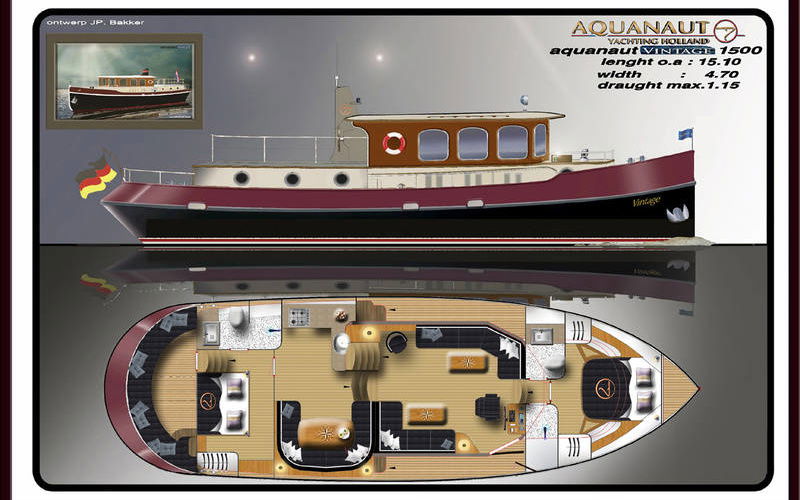
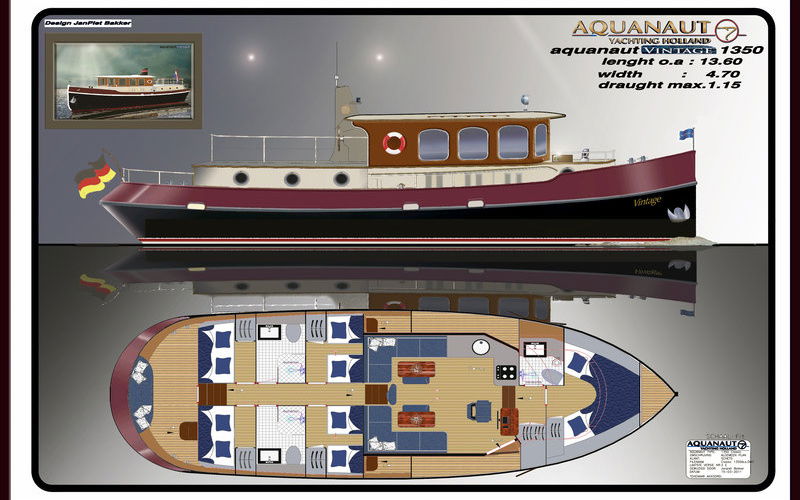
Images have been gathered from various sources and belong to their respective owners.
Review
2013 Aquanaut Vintage 1500: What to Know Before Buying, Living With, or Restoring This Classic Dutch Cruiser
If you’re looking at a 2013 Aquanaut Vintage 1500, you’re probably already drawn to the same things most people love about this boat: the classic Dutch styling, the solid steel build, and the comfortable liveaboard feel that makes long weekends or extended cruising genuinely enjoyable. But once the excitement settles, a more practical question usually shows up: is this the right boat for your needs, and what should you watch out for before you commit?
That’s the real challenge with a boat like the Vintage 1500. It’s not just about whether it looks good on the dock. You want to know how it handles, what maintenance tends to come up, how it performs on inland or coastal waters, and whether the layout actually works for real boating life. A lot of buyers get caught up in the charm and miss the details that matter most later.
The good news is that with the right checklist and a little boating know-how, the 2013 Aquanaut Vintage 1500 can be a very rewarding boat to own. In this article, we’ll break down the key things to know, the common pain points to look for, and the practical steps that can help you decide whether this cruiser is the solution you’ve been searching for.
- What Makes the 2013 Aquanaut Vintage 1500 Stand Out
The Aquanaut Vintage 1500 sits in that appealing category of boats that blend traditional design with practical cruising comfort. It’s built for people who want more than a day boat, but don’t necessarily want to step into a massive yacht either.
One of the biggest draws is the overall character of the boat. The lines are classic, the build tends to feel substantial, and the layout is usually geared toward comfortable time aboard rather than flashy day-tripping. For many buyers, that makes it an attractive option for inland waterways, canals, rivers, and sheltered coastal cruising.
The 15-meter size is also a sweet spot for a lot of boaters. It’s large enough to offer real living space and storage, but still manageable compared with much larger motor yachts. That balance is part of what makes the 2013 Aquanaut Vintage 1500 so interesting to prospective owners.
- The Main Problem Buyers Face: Matching Expectations to Reality
The biggest issue people run into with a boat like this is not the boat itself. It’s the mismatch between expectations and actual use.
Some buyers imagine a smooth, low-maintenance floating home with yacht-like comfort. Others expect a nimble cruiser that behaves like a smaller sport boat. The Vintage 1500 is neither of those extremes. It’s a serious cruising vessel that rewards owners who understand its purpose.
Common buyer concerns include:
- Will it fit my cruising plans?
- Is the maintenance too much for a boat this size?
- How expensive is it to run?
- What should I inspect before buying?
- Is the layout practical for family or liveaboard use?
Those are all fair questions. The solution is to evaluate the boat as a cruising platform first, and a style statement second. If you do that, it becomes much easier to see whether the Aquanaut Vintage 1500 fits your lifestyle.
- 2013 Aquanaut Vintage 1500: Who It’s Best For
This boat tends to suit a few specific types of owners really well.
It’s a strong match for:
- Couples who want comfortable extended cruising
- Retirees looking for a capable liveaboard-style cruiser
- Boaters who prefer inland or protected-water cruising
- Buyers who value build quality and classic styling
- Owners who are comfortable with regular maintenance on a larger vessel
It may be less ideal for someone who wants a fast, sporty ride or a very low-cost ownership experience. The Vintage 1500 is more about comfort, stability, and presence than speed or simplicity.
If you’re realistic about that, the boat can be a great fit.
- Layout and Livability: Why It Matters So Much
When people shop for a boat in this category, they often focus on engine specs and hull material first. Those things matter, but for many owners the real day-to-day experience comes down to the layout.
A well-designed interior can make the difference between a boat that feels cramped after a weekend and one that feels genuinely enjoyable for longer stays. On a 2013 Aquanaut Vintage 1500, you’ll want to pay attention to:
- Galley storage and worktop space
- Cabin privacy
- Headroom throughout the interior
- Salon seating and visibility
- Access to the helm
- Natural light and ventilation
- Easy movement from cockpit to cabin
A practical layout is especially important if you plan to stay aboard for more than a few nights at a time. Even small design choices, like whether the galley is open or enclosed, can have a big impact on comfort.
If possible, spend time onboard with the same people you’d usually cruise with. That’s the best way to see whether the space feels relaxed or awkward.
- What to Check in a 2013 Aquanaut Vintage 1500 Before Buying
Buying a used cruiser always comes with a few risks, and the best way to reduce them is by inspecting the right areas carefully. With a 2013 Aquanaut Vintage 1500, the boat is modern enough that age alone may not be the issue. Instead, condition and maintenance history matter most.
Here’s what to focus on:
1. Hull and structure
Check for signs of impact, corrosion, blistering, or poor repairs. Since many Aquanaut boats are steel-built, rust prevention and coating condition are especially important.
2. Paint and exterior finish
A good paint job is not just cosmetic. It can also tell you how well the boat has been maintained. Look for bubbling, patching, or uneven wear.
3. Engine hours and service records
Engine condition matters more than just the number of hours. A well-maintained engine with proper servicing can be a better buy than a lower-hour engine with weak records.
4. Electrical systems
Test everything. Lighting, charging systems, navigation electronics, pumps, and battery health should all be checked.
5. Plumbing and tanks
Inspect freshwater, waste systems, and bilge areas for leaks, odors, or signs of neglect.
6. Windows, seals, and hatches
Water intrusion can become expensive fast, so look closely at seals and any signs of dampness.
7. Steering and controls
Make sure helm response is smooth and predictable.
8. Documentation
Service logs, ownership records, and any refit history can give you a much clearer picture of how the boat has been cared for.
A professional survey is strongly recommended. On a vessel of this type, a survey can reveal issues that aren’t obvious during a casual walkthrough.
- How the 2013 Aquanaut Vintage 1500 Typically Performs
Performance expectations should be realistic. This is a cruising boat designed for comfort and control, not for chasing top speed numbers.
What most owners appreciate is the steady, confident feel underway. Larger cruisers like this often provide a sense of stability that makes longer trips more relaxing, especially when conditions are less than perfect. That can be a major advantage if you value easy handling over adrenaline.
Things to think about include:
- Cruising speed versus top speed
- Fuel consumption at different throttle settings
- Handling in wind and tight marina spaces
- Visibility from the helm
- Ease of docking with or without thrusters
If you are moving up from a smaller boat, the size difference will be noticeable. But many owners adapt quickly, especially if the boat includes bow and stern thrusters or other docking aids.
The key is to test the boat in the kind of conditions you’ll actually face most often. A calm marina demo is useful, but it won’t tell you everything.
- Common Maintenance Areas to Budget For
One of the smartest things you can do when considering a boat like this is build a realistic ownership budget. That way, you’re not surprised later by routine costs that come with a well-equipped cruiser.
Typical maintenance items may include:
- Engine servicing
- Hull cleaning and anti-fouling
- Battery replacement
- Seal and gasket upkeep
- Pump maintenance
- Polishing and paint care
- Heating or climate system servicing
- Navigation electronics updates
For a steel boat, corrosion prevention is especially important. Keeping the protective coatings in good shape can save a lot of money over time.
It’s also worth budgeting for the “small stuff” that adds up:
- Mooring fees
- Insurance
- Winter storage
- Fuel
- Safety equipment renewal
- Unexpected repairs
A boat can look affordable on paper and still become expensive if those recurring costs aren’t planned for. That’s why experienced buyers usually think in terms of total ownership cost, not just purchase price.
- Why Steel Construction Can Be a Big Advantage
Many Aquanaut cruisers are known for steel construction, and that comes with some real benefits. Steel can feel solid and reassuring, especially on a boat built for long-term cruising.
Advantages often include:
- Strong, durable construction
- A sense of solidity underway
- Good suitability for custom layouts and refits
- Long service life when properly maintained
Of course, steel also comes with responsibilities. Owners need to stay on top of coatings, corrosion checks, and moisture management. If neglected, rust can become a serious issue.
So the real answer is not “steel is better” or “steel is worse.” It’s that steel is excellent when cared for properly. For the right buyer, that tradeoff is worth it.
- Practical Buying Tips for the 2013 Aquanaut Vintage 1500
If you’re seriously considering this boat, here are a few practical steps that can help you make a smarter decision.
- Compare the boat’s condition, not just the asking price
- Ask for a full service history
- Inspect the bilges and hidden compartments
- Test all onboard systems during a sea trial
- Review fuel, engine, and electrical records
- Have a surveyor check the hull and mechanical systems
- Ask about any refits, upgrades, or repairs
- Verify how the boat has been stored and maintained
It’s also smart to think about your own boating habits. If you mainly cruise short distances on calm waters, your needs will be different from someone planning longer liveaboard trips.
The best purchase is the one that matches your real usage, not your idealized version of boating life.
- Is the 2013 Aquanaut Vintage 1500 a Good Liveaboard Option?
For the right owner, yes, it can be.
A liveaboard boat needs to do a lot well. It should feel comfortable, offer enough storage, provide decent privacy, and remain practical in daily use. The Vintage 1500’s size and style make it a strong candidate if you want a boat that feels more like a floating home than a weekend toy.
Still, liveaboard comfort depends on more than just length. You’ll want to check:
- Heating and ventilation
- Shower and head arrangements
- Storage for clothes, tools, and provisions
- Galley functionality
- Noise levels at anchor or dock
- Access to maintenance points
If those things are in good shape, the boat can be a very pleasant place to spend time.
- How to Decide If It’s the Right Boat for You
The easiest way to decide is to separate emotion from function.
Ask yourself:
- Do I want classic styling and a solid cruising feel?
- Am I okay with regular maintenance?
- Will I actually use the space a 15-meter boat provides?
- Is my cruising area suited to this type of vessel?
- Do I want comfort more than speed?
If the answer to most of those is yes, then the 2013 Aquanaut Vintage 1500 is worth serious attention.
If you’re still unsure, spend time on similar boats before you buy. That will help you understand whether the size, handling, and layout feel right in practice.
- Final Thoughts on the 2013 Aquanaut Vintage 1500
The 2013 Aquanaut Vintage 1500 is the kind of boat that appeals to buyers who want comfort, character, and practical cruising ability in one package. It’s not trying to be the fastest or flashiest boat on the water. Instead, it offers a more thoughtful kind of ownership experience, especially for people who value space, stability, and classic Dutch design.
The main challenge is making sure the boat matches your real-world needs. Once you inspect the condition carefully, review the maintenance history, and think honestly about how you plan to use it, the decision becomes much clearer. For the right owner, this cruiser can be a very satisfying choice.
If you’re exploring boats in this class, keep comparing layouts, maintenance records, and cruising comfort. That’s the best way to find a vessel that truly fits your boating life.
Specifications
General
Boat Type: Power Boats
Class Type: Trawler
Specifications
Length: 49.54
Beam: 15.42
Draft: 3.77
Hull Material: Steel
Build
First Built: 2013
Propulsion
Fuel Type: Diesel
Engines: 1
Power: 225 HP
Brand: Perkins
Accomodation
Berths: 10
PROS & CONS
What we appreciated
 Classic vintage design appealing to collectors and enthusiastsSturdy construction with quality materials typical of Aquanaut boatsComfortable seating suitable for leisurely cruisesRelatively easy to maintain due to simple mechanical systemsGood resale value in the vintage boat market
What we didn’t appreciate
 Older engine technology may result in lower fuel efficiencyLimited modern amenities and electronics compared to newer modelsPotential for higher maintenance costs due to age-related wearSmaller size may limit capacity and onboard storageAvailability of replacement parts could be challenging
Upkeep Costs
Fuel: Approximately $500 - $1,000 per year depending on usage
Maintenance and Repairs: Around $800 - $1,200 per year
Insurance: Typically $300 - $600 per year
Storage: $500 - $1,500 per year depending on location and type
Registration and Taxes: $50 - $200 per year
Rating
0
User
Score
Score
Driveability
Technology
Interior
Design
Similar Boats


MarineBroker
Download now for an immersive boat experience like never before! ⛵✨ Your journey begins with a simple click. 🌊📲
#SetSailSmart #DownloadNow
#SetSailSmart #DownloadNow

Subscribe
Copyright 2017 - 2026, Marinebroker.net, All Rights Reserved